Can You Dry Egg Pasta at Home for Perfect Results

Yes, you can dry egg pasta at home if the dough is firm, the room is dry, and the pieces have space. Fresh pasta is still the better choice when you want the softest texture or your kitchen is humid.
Yes, you can dry egg pasta at home, but it needs more care than plain wheat pasta. The short version is this: dry it only when the dough is firm, the room is cool and dry, and you plan to store it safely.
- Drying is possible: Egg pasta can dry at home with care.
- Room matters: Cool, dry airflow helps pasta dry evenly.
- Thin shapes work best: Small noodles dry more reliably than thick sheets.
- Storage must be safe: Only store pasta after it feels fully dry.
- Fresh still has a place: Cook it fresh when texture matters most.
Can You Dry Egg Pasta at Home? The Short Answer
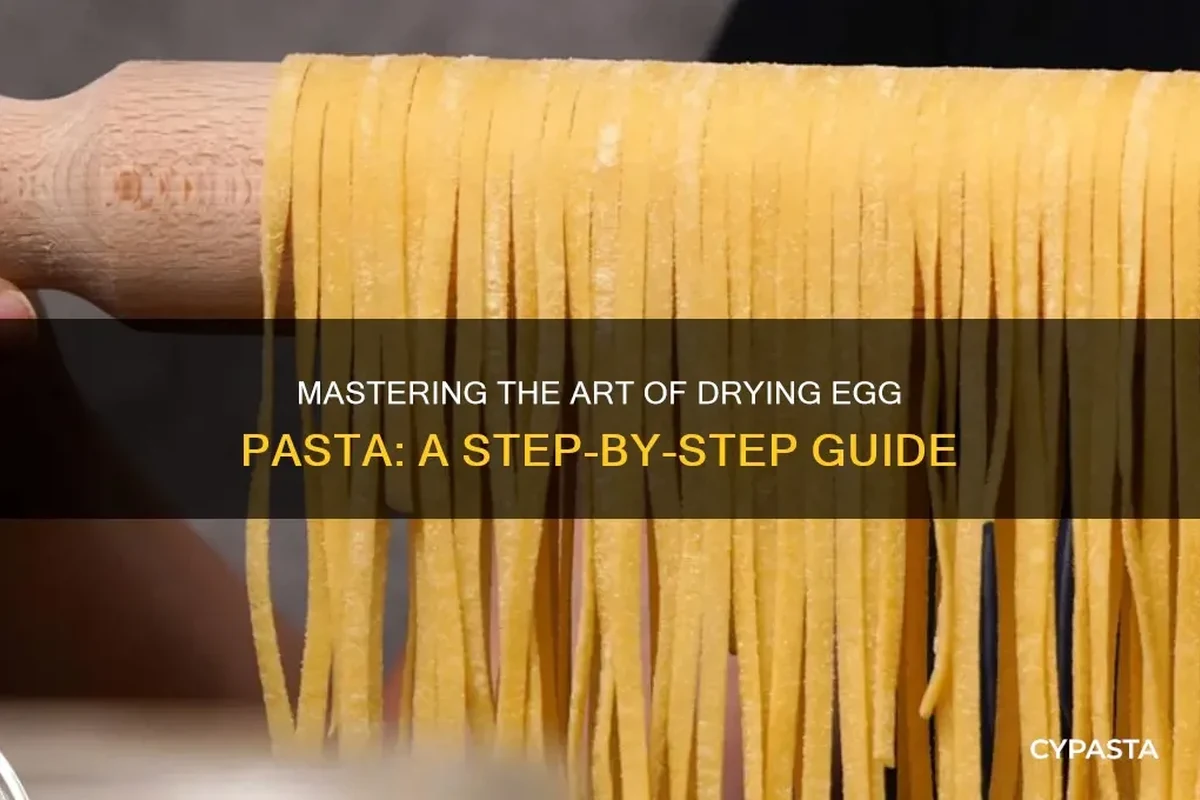
Egg pasta can dry at home, but it is more delicate than standard dried pasta. Eggs add moisture and protein, so the dough can spoil or crack if you rush the process.
If you dry it well, you can store it for later and cut down on waste. If you dry it badly, you may end up with sticky noodles, broken sheets, or unsafe storage.
Why egg pasta needs a different drying approach
Dry wheat pasta is built to be shelf stable from the start. Egg pasta starts wetter and richer, so it needs slower, more even airflow.
That slower pace helps the outside dry without trapping moisture inside. In short, egg pasta needs patience more than heat.
When drying works well and when it does not
Drying works best for small batches, shaped noodles, and dough that feels smooth and elastic. It also works better in a dry home than in a humid one.
It does not work well for very thick sheets, very moist dough, or crowded kitchens. If your room feels damp, fresh cooking or freezing may be the safer choice.
What Egg Pasta Is and Why It Behaves Differently
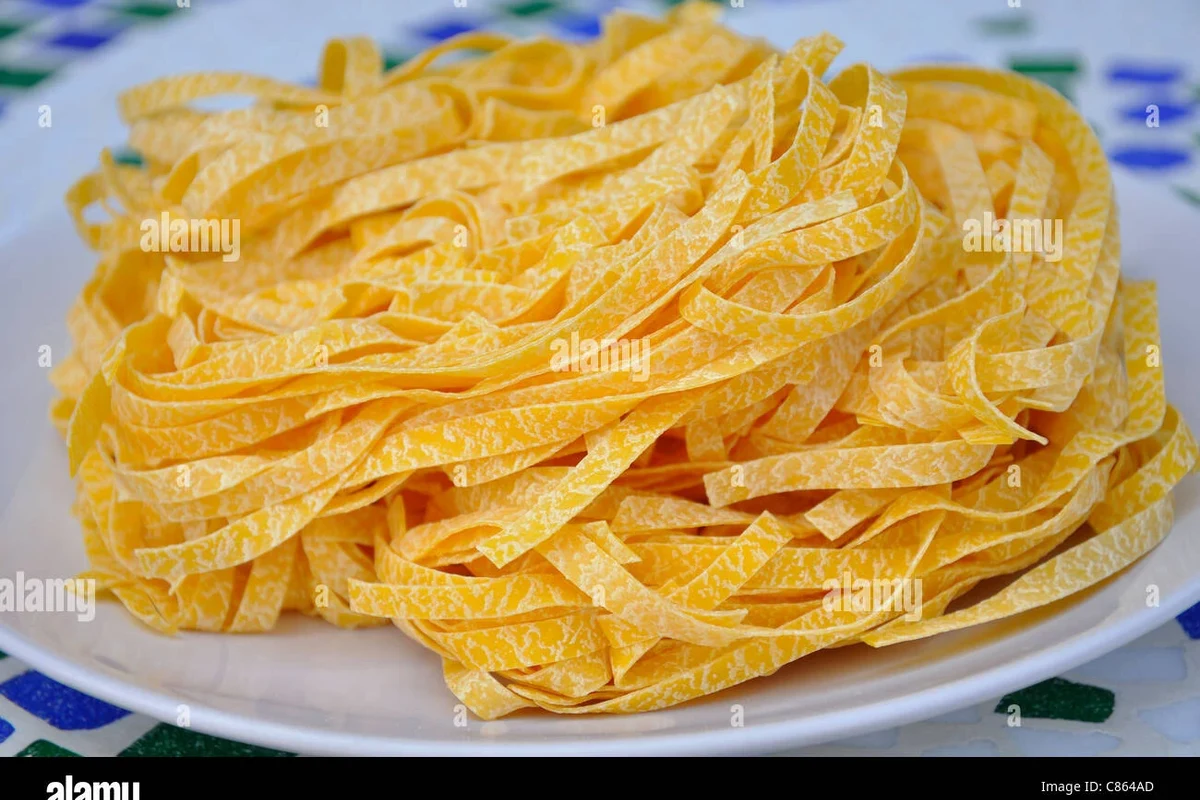
Egg pasta usually mixes flour and eggs into a soft dough. That mix gives it a rich taste and tender bite, but it also changes how it dries and stores.
Fresh egg pasta vs. dried wheat pasta
Fresh egg pasta cooks fast and tastes soft. Dried wheat pasta is firmer, less rich, and made for longer storage.
Fresh egg pasta can be wonderful for dinner the same day. Dried wheat pasta is better when you want a pantry staple that lasts.
Many pasta shapes dry more evenly when they are thin, small, and well spaced.
How eggs change texture, moisture, and shelf life
Eggs add fat, protein, and moisture. That gives pasta a softer bite, but it also means the dough can hold water longer.
Because of that, egg pasta needs a dry finish before storage. If moisture stays inside, mold can form later.
How to Dry Egg Pasta Safely at Home
The safest home method is simple. Shape the pasta, dust it lightly with flour, spread it out, and let air do the work.
The basic drying steps from shaping to resting
Cut or form the pasta, then keep the pieces separate.
Add a small amount of flour so the pieces do not stick.
Use a rack, tray, or clean towel with space between pieces.
The pasta should feel dry on the outside before storage.
Turn or move the pasta if one side dries faster. That helps prevent soft spots and curled edges.
- Use small batches so air can reach every piece.
- Keep pasta pieces from touching each other.
- Watch the room, not just the clock.
Best room conditions for drying pasta evenly
A cool, dry room works best. Good airflow matters more than direct heat.
Avoid humid kitchens, steamy dishwashers, and sunny spots that heat unevenly. Too much heat can dry the outside fast while the center stays damp.
Do not use high heat or an oven setting unless the pasta method and temperature are clearly safe for your dough.
How long drying usually takes
Drying time depends on shape, thickness, humidity, and room airflow. Thin noodles dry faster than thick ribbons or filled pasta.
For many home cooks, the process takes several hours. Some batches need longer, especially in damp weather.
Ingredients, Dough Specs, and Tools That Matter
Good drying starts with good dough. If the dough is too wet, no drying rack can fully fix it.
Flour and egg ratios that affect drying success
More egg usually means a softer, wetter dough. More flour usually means a firmer dough that dries a bit easier.
That does not mean you should make the dough dry and stiff. It should feel smooth, not crumbly. If it tears while rolling, it may be too dry.
Useful tools for racks, trays, and airflow
You do not need fancy gear. A cooling rack or a clean towel can work well for small batches.
The key is airflow. If the pasta sits in a pile, it will stick and dry unevenly.
Signs your dough is ready to dry
Ready dough feels smooth, elastic, and easy to shape. It should not feel wet or tacky on the surface.
If the cut edges hold their shape and do not slump, that is a good sign. If the dough smears, it may need more flour or more resting time.
Benefits, Limits, and Best Uses for Dried Egg Pasta
Dried egg pasta has real benefits, but it is not always the best choice. The right answer depends on how soon you plan to cook it.
When drying saves time and reduces waste
Drying helps when you make more pasta than you need for one meal. It also helps when you want to prep ahead for a busy week.
It can make homemade pasta easier to store and share. A dry batch also keeps your fridge from getting crowded.
- Lets you save extra pasta for later
- Makes meal prep easier
- Works well for gift bags and small batches
When fresh pasta is the better choice
Fresh pasta is the better pick when you want the softest texture. It is also better when your kitchen is humid or your dough is very rich.
If you plan to cook right away, there is no need to dry it first. That keeps the process simple and cuts the risk of storage problems.
Flavor and texture changes after drying
Drying changes the bite. The pasta becomes firmer and less silky than fresh pasta.
The flavor stays good, but the texture shifts. Some cooks like that more toothsome feel. Others prefer the delicate taste of fresh noodles.
Common Mistakes That Ruin Egg Pasta
Most pasta problems come from speed, crowding, or bad room conditions. The good news is that these mistakes are easy to avoid.
Drying too fast or in the wrong place
Fast drying can make the outside hard before the inside dries. That can lead to cracks later.
Heat vents, direct sun, and ovens can all create uneven results. A calm, dry room is usually the better bet.
Skipping flour, spacing, or turning steps
Skipping flour makes sticking more likely. Skipping spacing traps moisture between pieces.
Turning or moving the pasta helps it dry evenly. It also gives you a chance to spot soft spots early.
- Dust lightly with flour
- Leave space between pieces
- Check for dry spots as it rests
- Piling pasta on top of itself
- Using strong heat to speed drying
- Storing it while still soft inside
How to spot cracks, stickiness, and uneven drying
Cracks often mean the pasta dried too fast. Sticky spots usually mean the pasta needs more time.
Uneven drying can show up as hard edges and soft centers. If that happens, give the pasta more time in open air and separate the pieces better.
The pasta feels dry outside but soft inside.
Let it rest longer in a dry, airy spot before packing it away.
Safety, Storage, and Cleanup Tips
Egg pasta needs careful handling because it contains perishable ingredients. Safe drying and storage matter as much as taste.
Food safety rules for egg-based dough
Use clean hands, clean tools, and clean surfaces. Keep the dough out of the danger zone as much as possible.
If the pasta smells off, feels slimy, or shows any mold, throw it out. When in doubt, do not save it.
Follow the appliance manual and stop using damaged equipment.
How to store dried pasta for later use
Store fully dried pasta in an airtight container once it feels firm and dry. Keep it in a cool, dry place away from steam and sun.
Label the container if you make several batches. That makes it easier to use the oldest pasta first.
Storage time can vary by recipe, drying level, and room humidity. When you are unsure, choose a shorter storage window.
Cleaning tools and surfaces after making pasta
Dry flour and dough scraps before washing. That keeps sinks and drains from clogging.
Wipe surfaces, racks, and trays with warm soapy water after use. Let everything dry fully before putting it away.
Brush off flour, wipe counters, and wash tools with warm soapy water.
Check racks, trays, and storage boxes for cracks, residue, or odor.
Final Recommendation: Should You Dry Egg Pasta at Home?
Yes, you can dry egg pasta at home, and it can work very well. The best results come from thin shapes, light flouring, good spacing, and a dry room.
Best choice for home cooks, meal prep, and gifts
Drying is a smart choice if you make pasta ahead of time or want to package it as a gift. It is also useful when you want to save leftover dough.
If you like planning meals in batches, dried egg pasta can be a real help. It gives you homemade pasta without forcing you to cook it right away.
When to dry it and when to cook it fresh instead
Dry it when you have a small batch, a dry room, and enough time. Cook it fresh when the dough is very soft, the room is humid, or you want the best tender bite.
Dry egg pasta at home when you want convenience and storage, but keep the process slow and careful. If you want the softest texture or your kitchen is humid, fresh pasta is usually the better choice.
Frequently Asked Questions
Yes, you can dry egg pasta at home if you keep it clean, cool, and well spaced. Make sure the pasta feels dry on the outside before storage.
Drying time depends on thickness, shape, humidity, and airflow. Thin noodles may dry in several hours, while thicker shapes can take longer.
A cool, dry room with steady airflow works best. Avoid humid kitchens, direct sun, and strong heat.
It should feel firm, dry, and not sticky on the surface. If it still feels soft inside, give it more time before packing it away.
Only follow oven drying if your recipe and appliance guidance clearly support it. High heat can dry the outside too fast and cause cracks or uneven results.
Store fully dried pasta in an airtight container in a cool, dry place. If you see mold, smell anything off, or notice stickiness, throw it out.