What Is the Purpose of a French Press Coffee Maker

A French press coffee maker is used to steep coffee grounds in hot water and press them into a rich, full cup. It’s best for people who want simple brewing, strong flavor, and more control.
A French press coffee maker exists to brew coffee by steeping grounds in hot water, then separating them with a mesh plunger. Its main purpose is simple: give you full control over flavor, strength, and texture without a complex machine.
- Purpose: It brews coffee by steeping grounds, then pressing them down.
- Flavor: It often makes a fuller, richer cup than paper-filter methods.
- Control: You can change grind, steep time, and ratio easily.
- Trade-off: It can leave some sediment and needs hands-on brewing.
Why People Use a French Press
This method stays popular because it is easy to learn, low on parts, and rich in taste. If you want a clear, hands-on brew, a French press does that job well.
What a French Press Coffee Maker Is and Why It Exists
A French press is a manual coffee brewer with a simple job. It lets coffee grounds soak in hot water before you press them down and pour.
The purpose is not speed. It is control. You choose the grind, water amount, and steep time, so you shape the final cup more directly.
The simple purpose in plain terms
In plain terms, a French press makes coffee by soaking and pressing. That gives you a fuller, heavier cup than many drip brewers.
It also keeps the process easy. You do not need pods, paper filters, or a power button.
How it differs from drip and pod machines
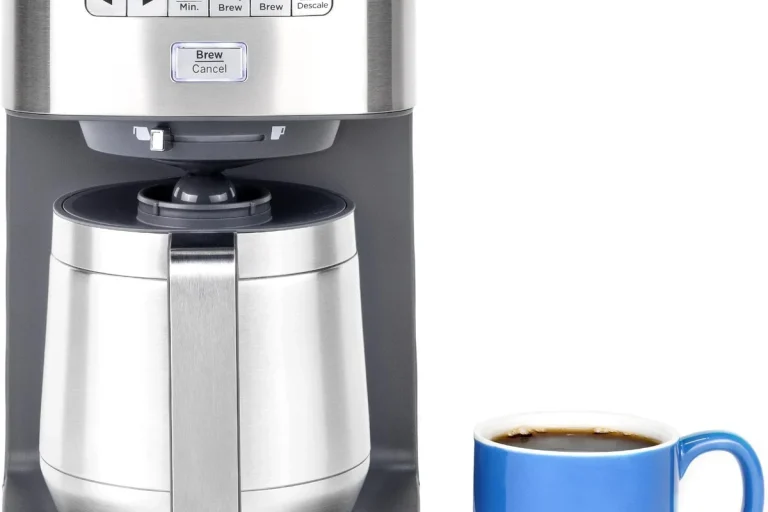
Drip machines push water through coffee and a filter. Pod machines use sealed cups and fixed portions. A French press works differently because you control almost every step.
That control changes the taste. It can also make cleanup and brewing feel more hands-on.
Results vary by model, grind, water quality, and how long you steep the coffee.
How a French Press Works Step by Step
The brewing method is simple. Still, each step affects the cup more than many people expect.
The key parts of the press
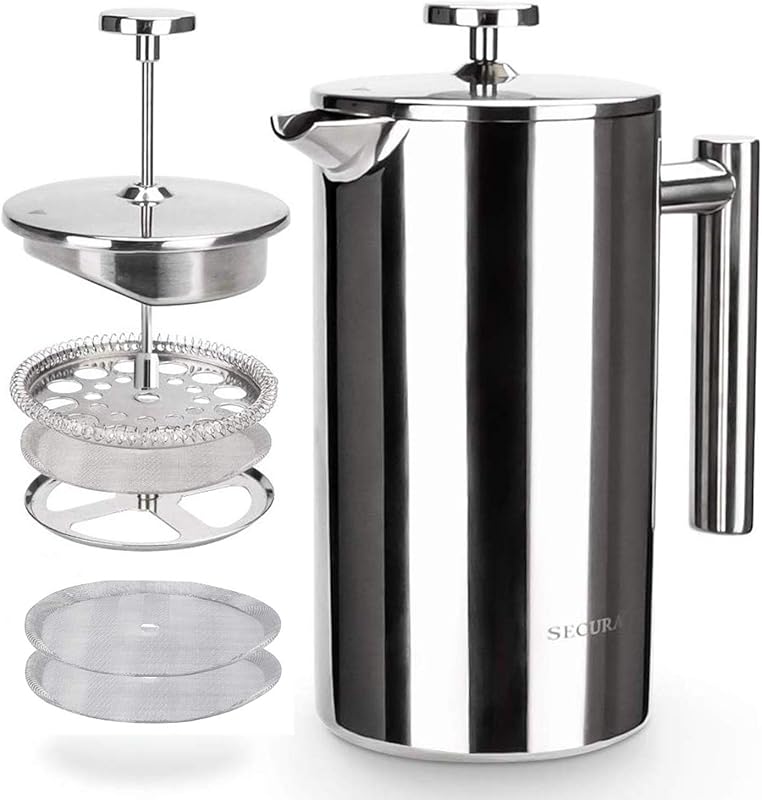
Most French presses have a few basic parts. They include the carafe, lid, plunger, and mesh filter.
Holds the water and grounds during steeping.
Pushes the filter through the coffee after steeping.
Helps separate liquid from the grounds.
Helps hold heat and keeps the brew stable.
What happens when water meets coffee grounds
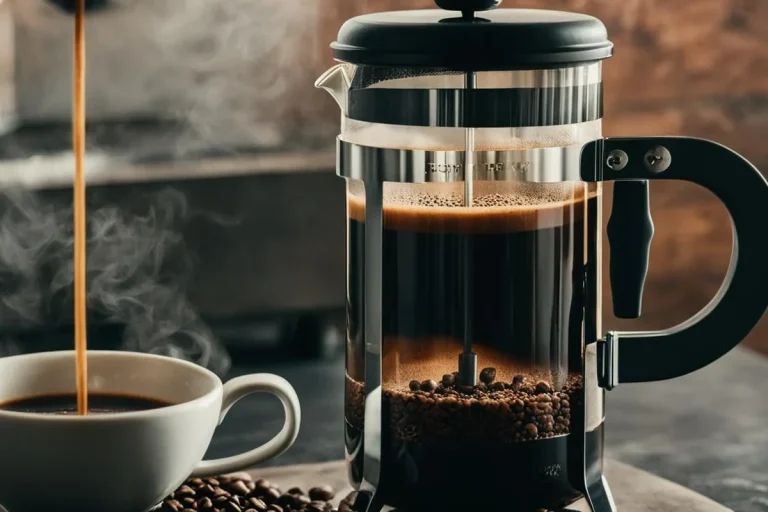
When hot water touches coffee, it pulls flavor, color, and oils from the grounds. Because the grounds stay in the water, the brew keeps extracting during the steep.
That is why French press coffee often tastes bold and rich. The method keeps more of the coffee oils in the cup.
French press coffee usually has more body because the method does not use a paper filter.
Why steep time changes the final cup
Steep time matters a lot. A short steep can taste weak or sour. A long steep can taste bitter or muddy.
That is why timing is part of the purpose of a French press. It gives you a direct way to tune taste.
What You Need to Brew with a French Press
You do not need much to get started. That is part of the appeal for many home brewers.
Best coffee grind size for this method
A coarse grind usually works best. Fine grounds can slip through the mesh and make the cup gritty.
Coarse grounds also help slow extraction in a good way. That supports a smoother, cleaner brew.
Water temperature and coffee-to-water ratio
Hot water matters, but boiling water can scorch the coffee. Many brewers aim for water that is just off the boil.
The coffee-to-water ratio also changes strength. Start with the ratio in your brewer manual or coffee bag, then adjust to taste.
- Use fresh beans for better aroma and flavor.
- Warm the press first if your kitchen is very cold.
- Stir gently so all grounds get wet.
Optional tools that make brewing easier
A scale helps with repeatable batches. A kettle with a steady pour can also make the process easier.
Some people like a thermometer, but it is not required. A timer is the most useful add-on for many homes.
The Main Benefits of Using a French Press
The French press stays popular for good reasons. It offers a nice mix of flavor, control, and low setup cost.
Flavor, body, and control
Many coffee drinkers like the fuller taste. The brew often feels richer than coffee made with paper filters.
You can also adjust the brew more easily. Change the grind, steep time, or amount of coffee, and the result shifts fast.
- Simple brewing with few parts to learn
- Fuller body and strong coffee flavor
- Easy to adjust for taste at home
Low cost and simple design
A French press usually has a basic design. That keeps it easy to understand and easy to store.
It also avoids many moving parts found in automatic machines. For some shoppers, that makes it a smart value choice.
Why many coffee drinkers still choose it in 2026
Even in 2026, people still want tools that are simple and dependable. A French press fits that need well.
It also works during power outages or in small kitchens. That flexibility keeps it useful year after year.
Limits and Drawbacks to Know Before You Buy
No brewer is perfect. The French press has a few trade-offs you should know before you choose one.
Sediment in the cup
Because the filter is a mesh screen, some fine grounds can pass through. That can leave a little sediment in the cup.
Many drinkers do not mind it. Others prefer a cleaner cup from paper filters.
More hands-on brewing than automatic machines
A French press needs your attention from start to finish. You must heat the water, time the steep, and press by hand.
That is fine for many people. But it is not ideal if you want one-button convenience.
Heat loss and timing issues
Manual brewing can lose heat faster than some electric machines. If the water cools too much, the coffee may taste flat.
Timing also matters. A few extra minutes can change the cup more than you expect.
Use care with hot water and hot glass or metal parts. Follow the manual if your model has special care or heat limits.
Common Mistakes People Make with a French Press
Most French press problems come from small setup mistakes. The good news is that they are easy to fix.
Using the wrong grind
Fine grind is one of the most common mistakes. It can make the brew cloudy and bitter.
Go coarser instead. That usually gives a smoother cup and easier pressing.
Brewing too long or too short
Too little time can leave the coffee weak. Too much time can make it harsh.
If your cup tastes off, adjust the steep in small steps. That is often better than changing everything at once.
Pressing too hard or too fast
You do not need to force the plunger. A slow, steady press works better.
If it feels stuck, stop and check the grind size. The problem is often the coffee, not your strength.
- Use coarse grounds and steady pressure
- Keep an eye on steep time
- Clean the filter after each use
- Using very fine espresso-style grounds
- Leaving coffee in the press too long
- Pressing down with sudden force
How to Clean and Maintain a French Press
Good cleaning keeps the brew tasting fresh. It also helps the press last longer.
Daily cleaning basics
After brewing, empty the grounds and rinse the parts well. Wash the carafe, lid, and plunger with warm, soapy water.
Let everything dry fully before storing it. That helps reduce odors and buildup.
Rinse out grounds, wash the parts, and dry them fully.
Check the mesh, spring, and seals for buildup or wear.
Deep cleaning the filter and plunger
Fine coffee oils can collect in the mesh over time. A deeper wash helps keep the filter working well.
Take the plunger apart only as the manual allows. Reassemble it carefully so it seals and filters as designed.
How to keep glass and steel models in good shape
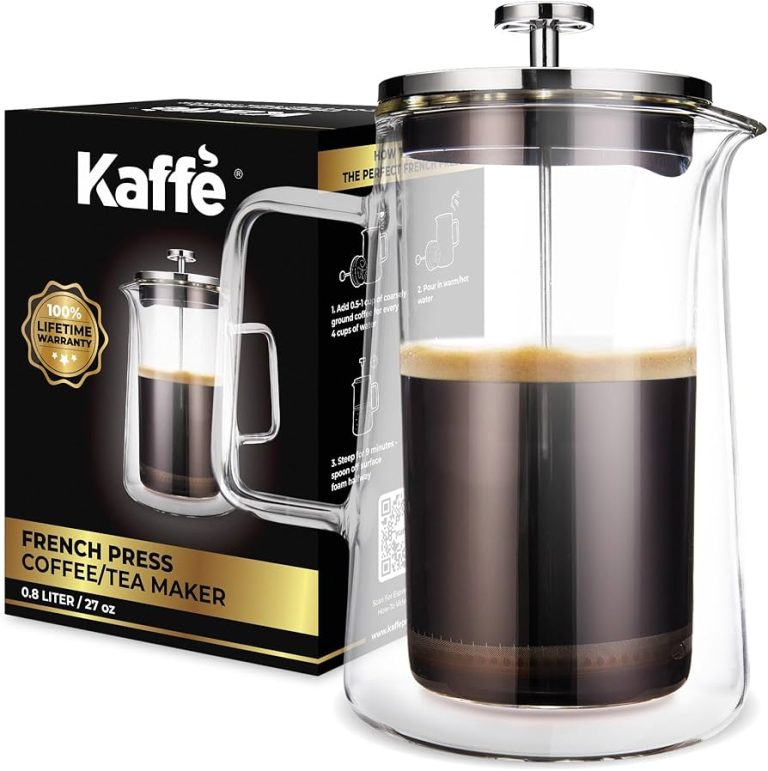
Glass models need gentle handling. Avoid sudden temperature changes and hard knocks.
Steel models usually handle daily use well, but they still need cleaning. Check for dents, loose parts, or worn screens.
Stop using any press with cracked glass, loose parts, or a damaged filter system.
Who a French Press Is Best For and Final Recommendation
A French press fits people who want simple brewing and bold taste. It is a strong choice for home coffee drinkers who enjoy a little control.
Best for casual drinkers, home brewers, and coffee lovers
It works well for casual drinkers who want an easy routine. It also suits coffee fans who like to fine-tune taste at home.
If you enjoy the ritual of brewing, a French press can feel satisfying and calm.
It gives you control without a complex machine.
An automatic drip machine or pod brewer may fit better.
When another brewing method may be a better fit
Choose another method if you want a cleaner cup with less sediment. A drip brewer may also suit you better if you make coffee in a rush.
If you need very repeatable results with little effort, an automatic machine can be easier day to day.
Clear verdict on its purpose and value
The purpose of a French press coffee maker is to give you simple, hands-on brewing with strong flavor and good control. It is not the fastest method, but it is one of the most direct.
For many people, that balance is the whole point. If you want a rich cup, a small footprint, and a low-tech routine, the French press still earns its place in the kitchen.
A French press is best for drinkers who want bold coffee, simple setup, and more control over taste. If you want the cleanest cup or the least hands-on work, a drip or pod machine may be a better match.
Frequently Asked Questions
A coarse grind usually works best. Fine grounds can slip through the mesh and make the coffee gritty.
The ratio varies by brewer and taste, but many people start with the guide on the coffee bag or manual. Adjust from there if you want a stronger or lighter cup.
Hot water that is just off the boil is a common choice. Very boiling water can make the coffee taste harsh.
Empty the grounds, rinse the parts, and wash them with warm, soapy water after use. Deep clean the filter and plunger as needed, following the manual.
Adjust the grind, steep time, and coffee-to-water ratio in small steps. Fresh beans and gentle pressing also help.
No, results can vary by model, size, filter design, and material. Always check the manual because features and care needs can differ.