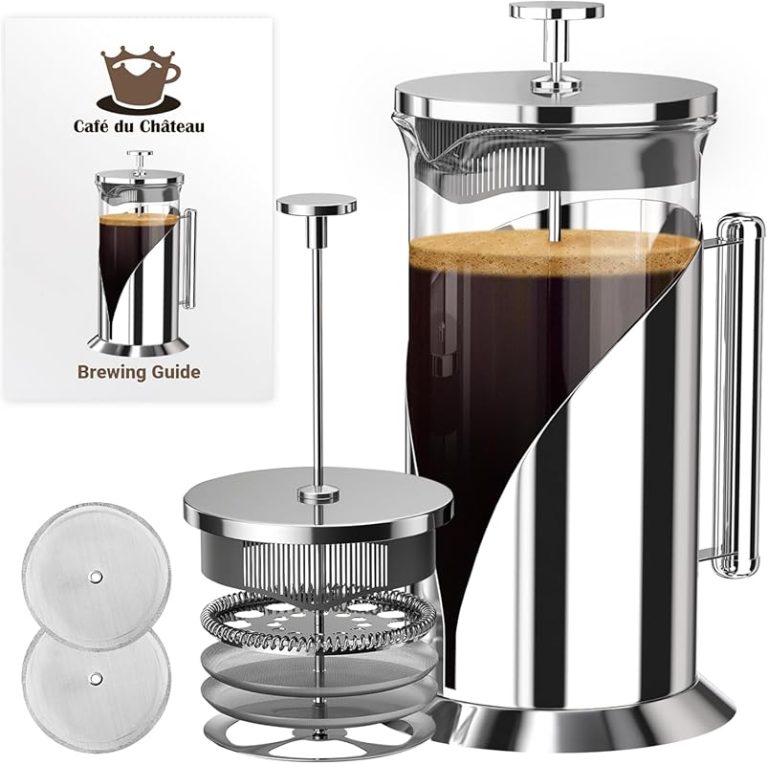
French Press Coffee Brewing Tips: Perfect Brew Guide

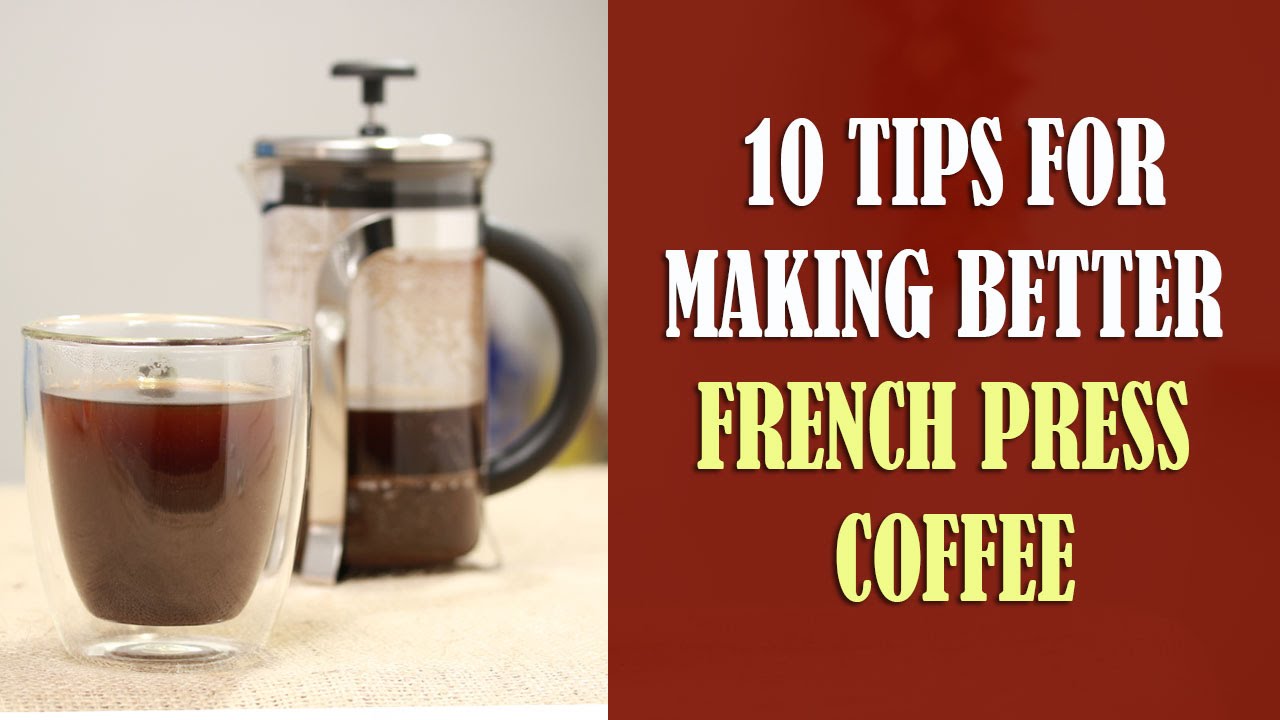
Use a coarse grind, a 1:15–1:17 coffee-to-water ratio, 4 minutes steep, and a slow plunge.
I’ve spent years testing and teaching french press methods, dialing in grind, ratio, water, and technique to pull cleaner, richer cups. This guide on french press coffee brewing tips covers what to buy, how to grind, exact steps to brew, troubleshooting, and small tricks that lift taste—so you can make better french press coffee at home with confidence.

Why choose a French press and what it does for flavor
A french press makes full-bodied coffee by letting oils and fine particles stay in the brew. That gives richer mouthfeel and stronger aroma than filtered methods.
Benefits of the french press
- Full flavor and heavier body
- Simple gear and easy cleanup
- Great control over time and strength
Limitations to know
- Can be a bit muddy if grind is too fine
- Requires attention to timing and technique
- Not ideal for very large batches if you want consistent flavor
Why these french press coffee brewing tips matter
- Small changes in grind, ratio, or plunge speed change taste a lot.
- Following consistent tips makes repeatable, great cups.
Equipment, beans, and what matters most
Good coffee starts with good gear and fresh beans. Small upgrades matter more than you think.
Essential gear
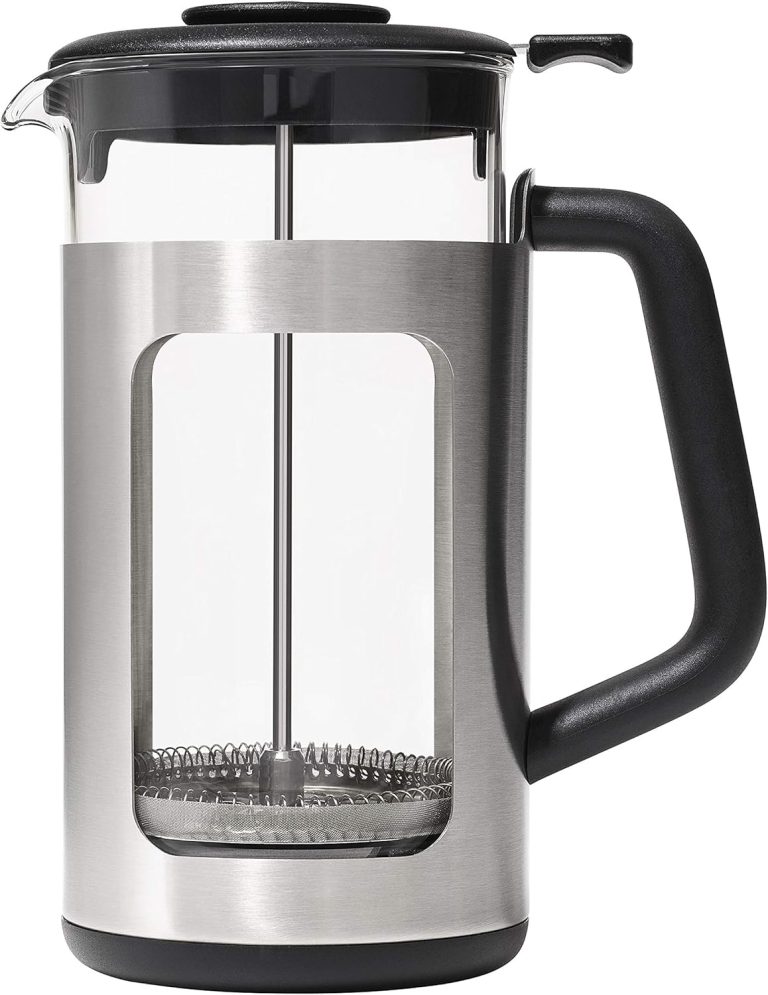
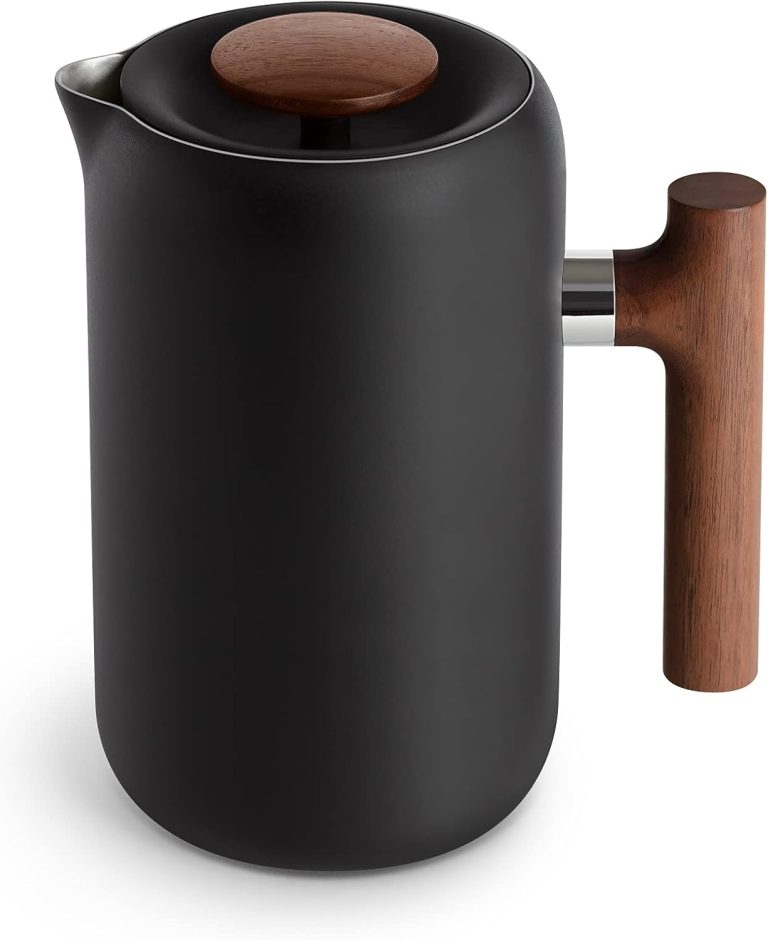
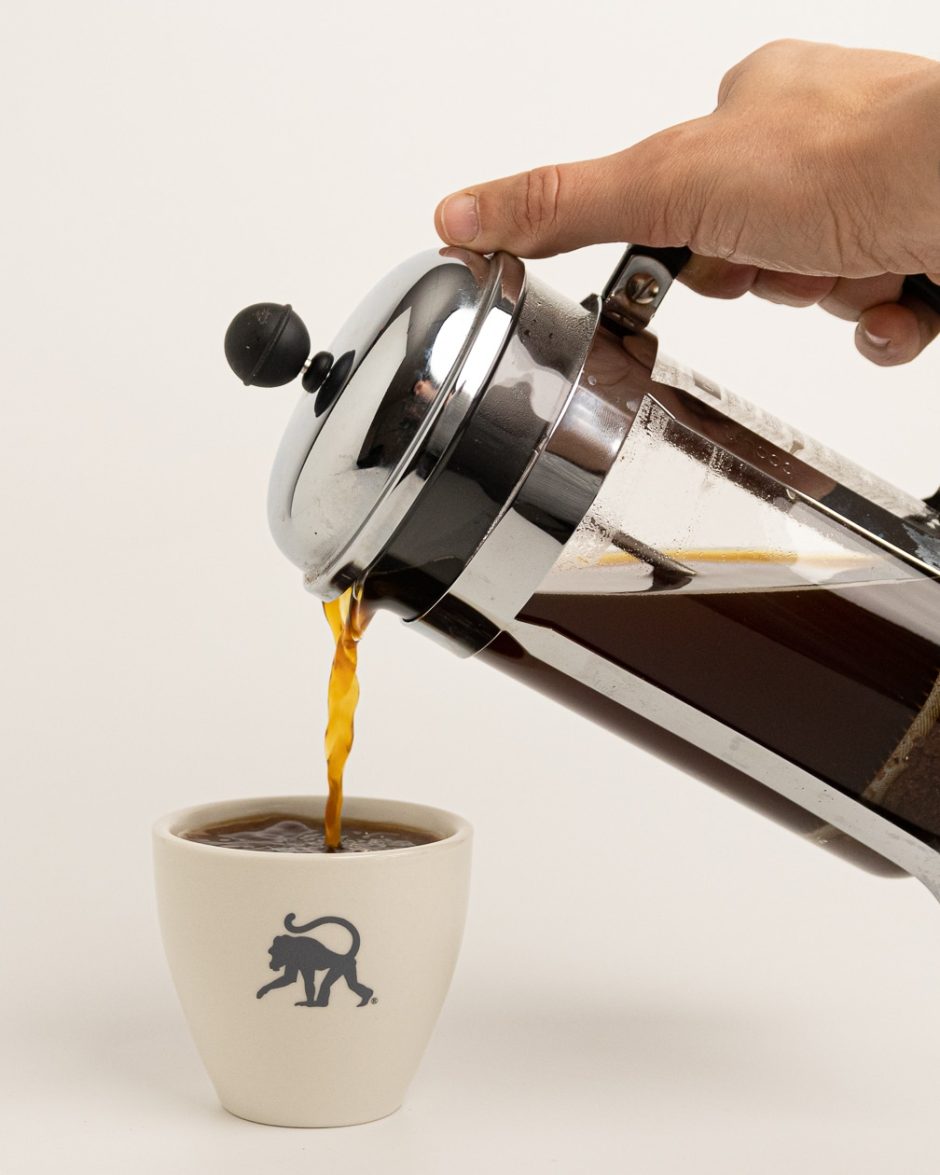
- French press: glass or stainless steel, 8–34 ounces work well for home use
- Burr grinder: for consistent coarse grind
- Kettle: gooseneck helps control pour
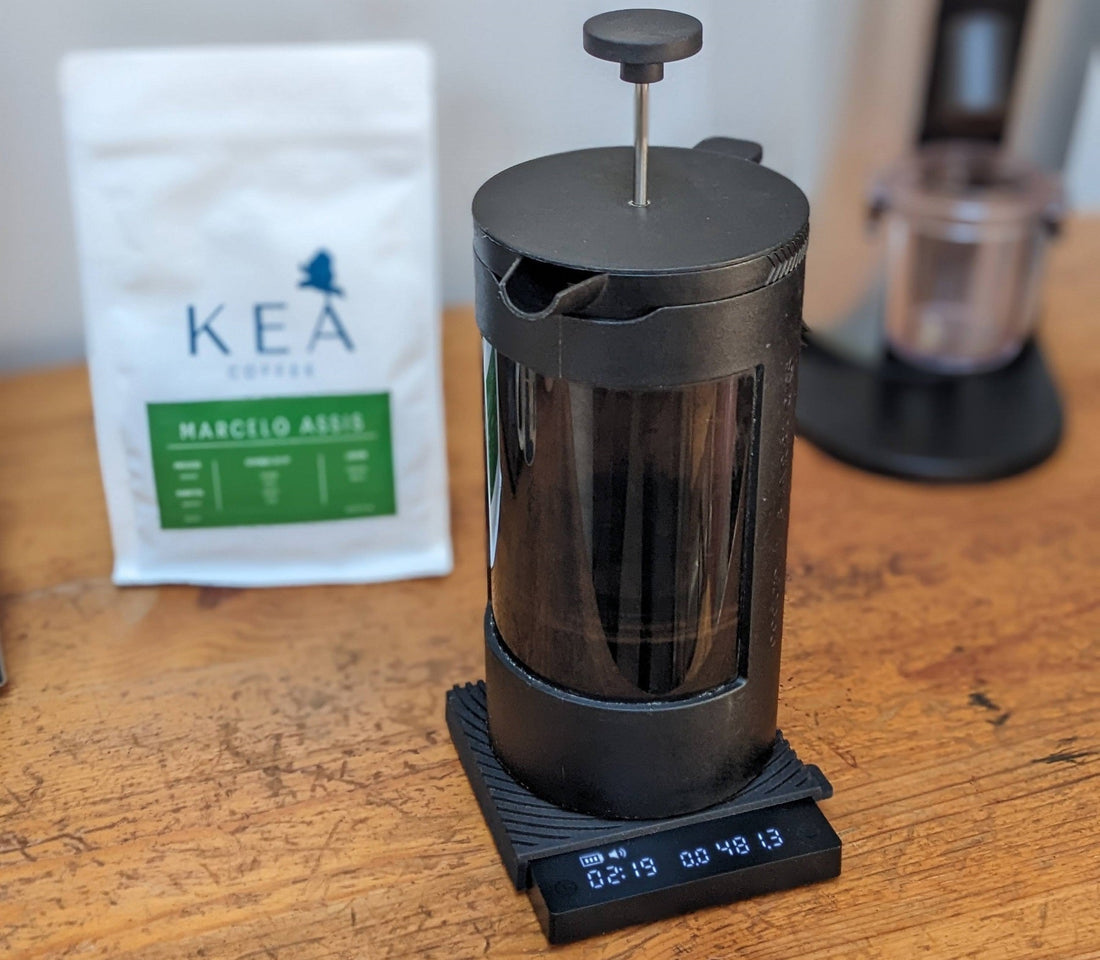
- Digital scale: accuracy beats guessing
- Timer: for consistent brew times
Bean choice and roast
- Use fresh beans roasted within 2–4 weeks for best flavor.
- Light to medium roasts show more origin flavors; medium-dark gives chocolate and body.
- Whole beans stay fresher; grind just before brewing.
My experience
- I switched from blade grinders to a burr grinder and the improvement was immediate. The same beans suddenly tasted cleaner. These french press coffee brewing tips are built from trying both cheap and better gear.
Grind size, dose, water, and temperature (key variables)
Dialing these four variables is the fastest way to better coffee.
Grind
- Use coarse, pebble-like grind similar to sea salt.
- If coffee tastes sour, grind finer; if bitter or muddy, grind coarser.
Dose (coffee-to-water ratio)
- Start at 1:15 (1 gram coffee : 15 grams water).
- Try 1:16 or 1:17 if you prefer a milder cup.
- For a bolder cup try 1:14.
Water temperature
- Heat water to 200°F (about 93–94°C), or bring to a boil and wait 30 seconds.
- Temperature too low yields sour taste; too hot can over-extract.
Water quality
- Use filtered water with balanced mineral content for best extraction and flavor.
Examples
- For a 12 oz (340 g) brew, use ~22 g coffee at 1:15 ratio.
- For a full 34 oz (1000 g) press, use ~67 g coffee at 1:15.
Step-by-step french press coffee brewing tips (simple, repeatable method)
Follow this reproducible method to make a clean, tasty french press cup.
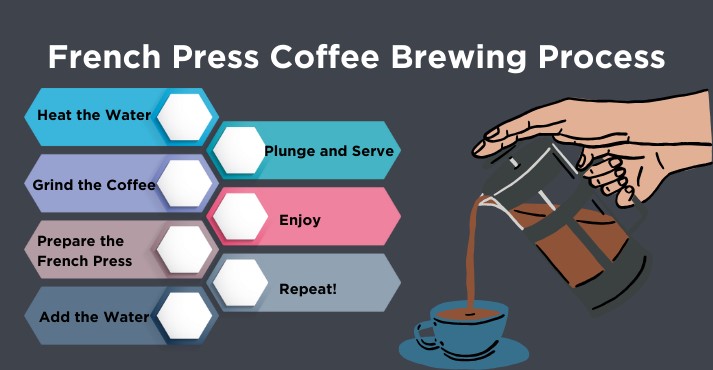
- Heat and prep
- Heat water to about 200°F.
- Pre-warm the french press with hot water and discard.
- Grind and weigh
- Grind coarse and weigh coffee and water.
- Add coffee and wet grounds
- Add coffee to the press.
- Pour a little water to wet grounds (twice the weight of the coffee) and bloom for 30 seconds.
- Complete pour and stir
- Pour the rest of the water in a steady spiral to saturate grounds.
- Gently stir once to ensure even extraction.
- Steep
- Place the lid with the plunger up. Steep for 4 minutes as a starting point.
- Adjust steep time to taste: 3:30 for brighter, 5+ minutes for stronger.
- Plunge slowly
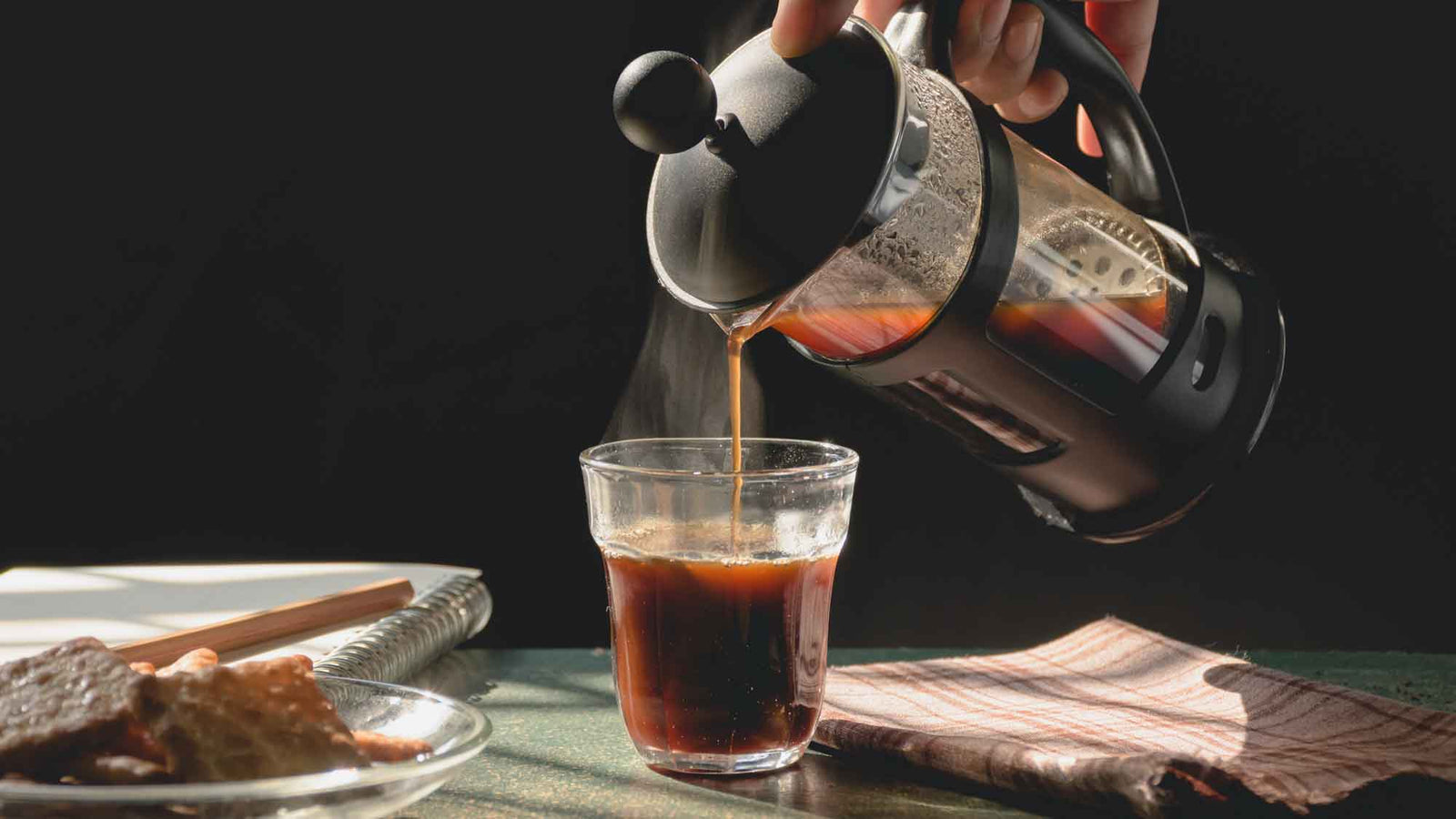
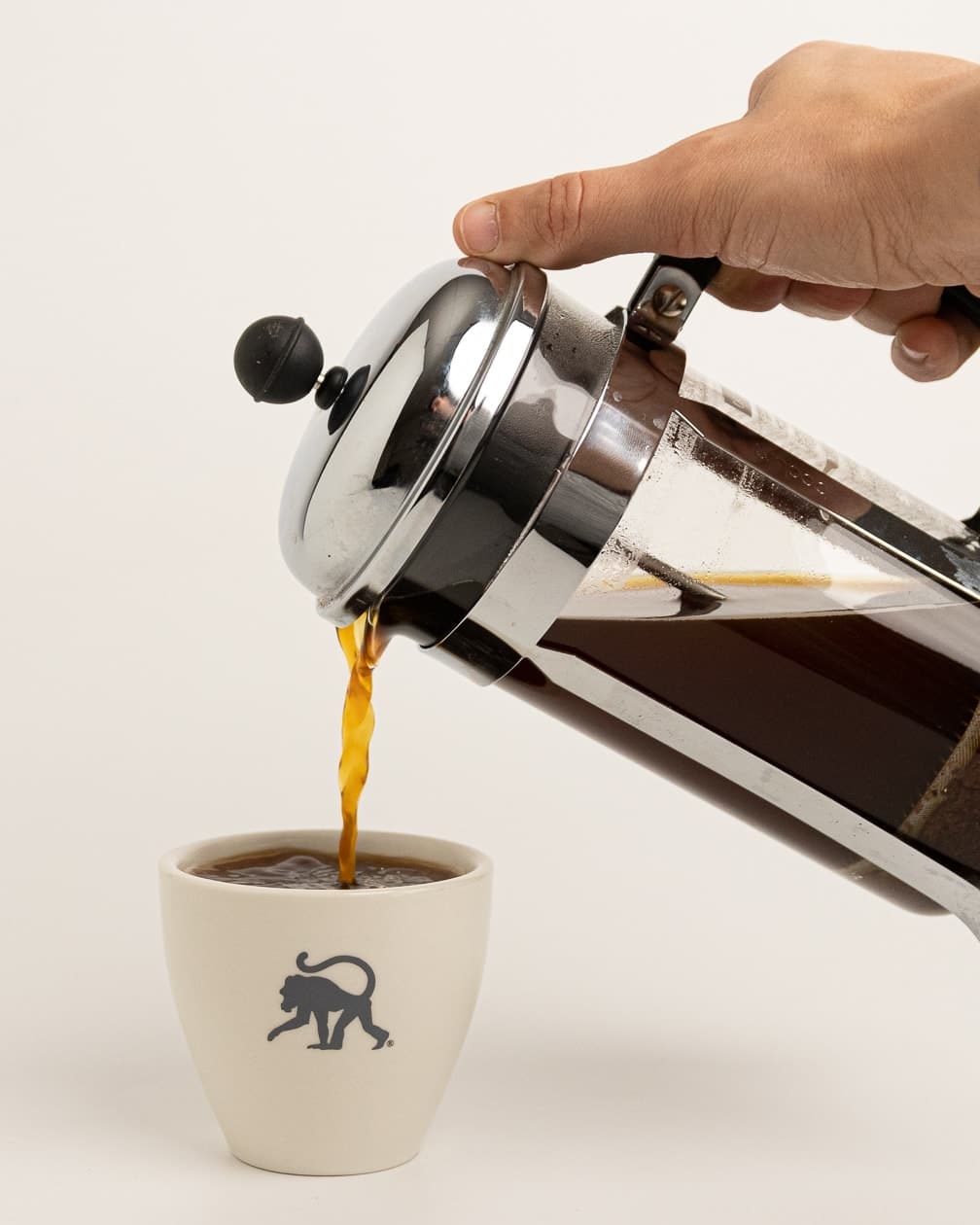
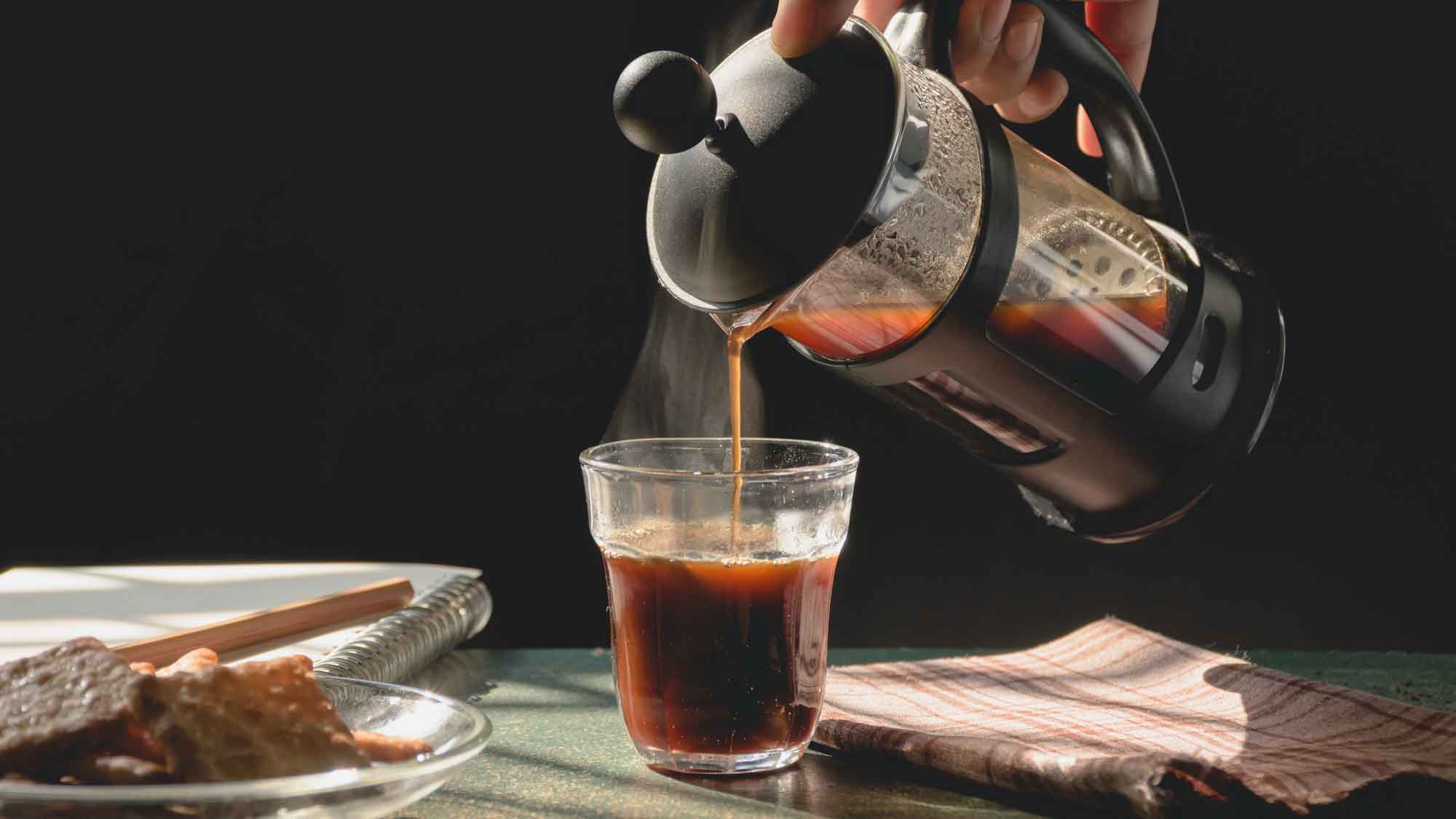
- Press down with firm, steady pressure. Aim for 15–20 seconds of steady descent.
- Pour immediately into cups or a server to avoid over-extraction.
Tips for workflow
- Use a timer and scale for repeatability.
- Rinse the filter after plunging to reduce sediment in the next brew.
Advanced tips, tweaks, and experiments
Once you nail basics, use these french press coffee brewing tips to experiment and refine your cup.
Dialing sweetness and clarity
- Slightly coarser grind + shorter steep = clearer cup.
- Slightly finer grind + longer steep = heavier body and more intensity.
Agitation techniques
- Gentle stir after full pour spreads extraction evenly.
- Avoid vigorous shaking; it increases fines and muddiness.
Pre-infusion or bloom
- Blooming releases CO2 and helps even extraction. 30–45 seconds is enough.
Cold brew with a press
- Use coarse grind, 1:8 to 1:10 ratio, steep 12–18 hours in fridge, then plunge and decant.
- Makes rich, low-acid concentrate.
Cleaning and maintenance
- Disassemble and clean mesh filter regularly.
- Replace worn screens to keep sediment low.
Troubleshooting common problems and how to fix them
If your brew isn’t right, try these quick fixes.
Coffee tastes sour
- Grind finer, increase water temperature, or increase steep time.
Coffee tastes bitter or over-extracted
- Grind coarser, reduce steep time, or lower water temperature.
Too much sediment/muddy cup
- Use a coarser grind, rinse the filter, or decant immediately after plunging.
Weak taste
- Increase dose, reduce water, or extend steep time.
Unpleasant metallic or off flavors
- Clean french press parts thoroughly and use fresh water and beans.
Personal lessons and mistakes to avoid
I’ve learned these the hard way; they save time and beans.
Common mistakes I made
- Using stale beans; they tasted flat.
- Grinding too fine; cups became muddy and bitter.
- Timing by feel; inconsistency ruined repeatability.
What helped most
- Using a scale and timer for every brew.
- Testing one change at a time.
- Writing notes in a small brew log to track what works.
These french press coffee brewing tips are the distilled lessons I use daily.
Frequently Asked Questions of french press coffee brewing tips
What grind size should I use for french press?
Use a coarse grind, similar to sea salt or breadcrumbs. Too fine creates sediment and over-extraction.
How long should I steep coffee in a french press?
Start with a 4-minute steep and adjust to taste; shorter for brighter cups, longer for more body. Keep timing consistent for repeatable results.
What is the best coffee-to-water ratio for a french press?
A common starting ratio is 1:15 (coffee:water). Adjust between 1:14 and 1:17 to match strength preference.
Can I use pre-ground coffee in a french press?
You can, but fresh whole-bean grinding gives much better flavor and control. Pre-ground often tastes stale or uneven.
How do I reduce sediment in my french press cup?
Use coarser grind, plunge slowly, and decant coffee to a server right after plunging to limit contact with grounds.
Conclusion
Mastering these french press coffee brewing tips makes each cup richer, cleaner, and more satisfying. Start with consistent grind, accurate dose, proper water temperature, and a steady 4-minute process; then tweak one variable at a time. Try the steps, keep a short brew log, and enjoy learning what your taste prefers. Share your results or ask a question below — and subscribe or bookmark to get more practical coffee tips.