Electric Milk Frother Common Mistakes to Avoid Today

Most electric milk frother mistakes come from the wrong milk, overfilling, or using the wrong setting. Clean it well, stop it on time, and follow the manual for safer, better foam.
An electric milk frother can make café-style foam at home. But a few small mistakes can ruin the texture fast. The good news is that most problems are easy to fix once you know what to watch for.
This guide covers the most common electric milk frother mistakes, how to avoid them, and what to do if your frother acts up. It also explains safer use, cleaning, and buying tips so you can get better foam with less guesswork.
- Milk matters: Protein, fat, and brand all change foam quality.
- Fill level matters: Too much milk can overflow and weaken foam.
- Heat matters: Overheating can scorch milk and leave buildup.
- Cleaning matters: Regular cleaning helps taste, foam, and machine life.
What an Electric Milk Frother Does and Why Mistakes Happen

An electric milk frother adds air to milk. Some models also heat it. That mix of heat, air, and milk type is what creates foam.
Small changes can make a big difference. The same frother may give you rich foam one day and thin foam the next.
How a frother works in plain terms
Most electric frothers use a spinning whisk or a small built-in heater. The whisk pulls air into the milk. The heat helps the milk feel smooth and warm.
If the milk level, whisk, or setting is off, the foam can turn watery or too stiff. That is why the manual matters. Different models work in slightly different ways.
Milk with more protein often foams better than milk with less protein.
Why foam quality changes from one drink to the next
Foam changes because milk is not always the same. Fat level, freshness, temperature, and even the shape of the jug can affect the result.
For example, cold milk often froths differently from milk that is already warm. A small change in fill level can also change the foam size.
The Most Common Electric Milk Frother Mistakes

Most frother problems come from simple habits, not broken machines. If your foam keeps turning out wrong, start with the basics below.
Using the wrong milk type or fat level
One of the biggest electric milk frother common mistakes is choosing the wrong milk. Very low-protein milk can make weak foam. Some plant milks also foam better than others.
Whole milk often gives a creamy result. Lower-fat milk can make bigger bubbles. That sounds nice, but the foam may feel less rich.
Plant milk results vary a lot by brand. Some are made to froth better than others.
Overfilling the frothing cup
Too much milk leaves no room for air. The frother can push milk up and out of the cup. That makes a mess and can stress the machine.
Always check the fill marks in the manual or on the jug. If your model has no clear mark, leave extra space at the top.
Heating milk too long or too hot
Milk can scorch if it gets too hot. Burned milk tastes flat and may smell off. It can also leave sticky buildup inside the frother.
Do not keep running the frother after the cycle ends. If your model has heat settings, use the one that fits the drink.
Hot milk can burn skin fast. Let the frother cool before you handle the jug or whisk.
Picking the wrong whisk or setting
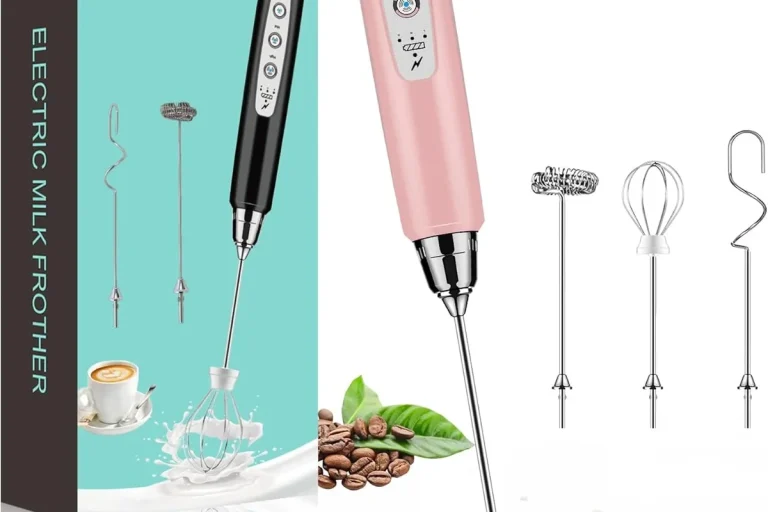
Some frothers come with more than one whisk or mode. One setting may be for foam. Another may be for simple heating.
If you use the wrong one, the drink may look thin or too stiff. Check the icons and labels before you start.
Skipping a quick stir before frothing
Milk can separate a little in the fridge. A quick stir helps mix it again. That can improve the foam and even out the texture.
This matters even more with plant milk. Some blends settle faster than dairy milk.
The foam looks uneven or breaks apart fast.
Stir the milk first, then froth it right away.
How to Use an Electric Milk Frother the Right Way
You do not need fancy skill to get better foam. A simple routine goes a long way.
Simple step by step use for better foam
Use the marked level in the manual or on the jug.
Fresh milk usually gives more reliable foam.
Select heat, foam, or cold froth as needed.
Do not keep running it once the foam looks ready.
Best milk choices for hot and cold drinks
For hot drinks, whole milk often gives smooth foam. For a lighter drink, lower-fat milk can work too. It may foam more, but the texture can feel less creamy.
For cold foam, look for milk or plant milk that the maker says works well in cold use. Results vary by brand, so check the label if you want better odds.
Usually gives a rich, smooth foam.
Can make more foam, but it may feel lighter.
Works best when the brand is made for frothing.
When to froth for lattes, cappuccinos, and matcha
Use less foam for a latte. Use more foam for a cappuccino. Matcha drinks often do best with light froth, not a thick cap.
If you add syrup or powder, mix it first when possible. That helps the drink stay smooth and keeps clumps down.
Safety Issues You Should Not Ignore
Milk frothers are simple, but they still use heat and electricity. Safe use matters every time.
Avoiding burns and overflow
Never fill past the max line. Hot milk can spill over fast. If that happens, unplug the unit only after it is safe to do so.
Set the frother on a flat, dry counter. A shaky surface can make overflow worse.
Checking cords, lids, and hot parts
Look at the cord before each use. If you see damage, stop using the frother. Also check that the lid fits well and the whisk sits in place.
Do not touch hot metal parts right after use. Let the unit cool first.
Follow the appliance manual and stop using damaged equipment.
What to do when the frother smells odd or runs loud
A strong burning smell is not normal. A loud grinding sound is also a warning sign. Turn the frother off and unplug it.
Then check for milk buildup, a loose whisk, or a jammed part you can safely clean. If the smell or noise keeps coming back, stop using it and review the manual or contact the maker.
Cleaning and Maintenance for Longer Life
Clean frothers last longer and make better foam. Milk residue builds up fast, so small daily habits help a lot.
Daily cleaning habits that prevent buildup
Rinse the jug or whisk area soon after it cools.
Wipe the outside dry and remove milk film right away.
Check for hidden residue around the whisk and lid.
Do not let milk dry in the cup. Dried milk is harder to remove and can change taste later.
Deep cleaning tips for the whisk and jug
Use the cleaning method in the manual. Many frothers allow gentle washing of the jug or whisk, but not every part is dishwasher safe.
Use soft tools only. Harsh scrub pads can scratch the surface and make buildup worse over time.
Signs your frother needs replacement parts
If the whisk wobbles, the lid no longer fits, or the coating peels, it may be time for a new part. If the maker sells replacements, that is often the safest path.
If the unit keeps failing after basic cleaning, the whole frother may be near the end of its life. Check the warranty and support page before you buy anything.
What to Look for When Buying a Better Frother
If you are shopping for a new frother, focus on the features that affect daily use. Fancy extras matter less than comfort, cleanup, and control.
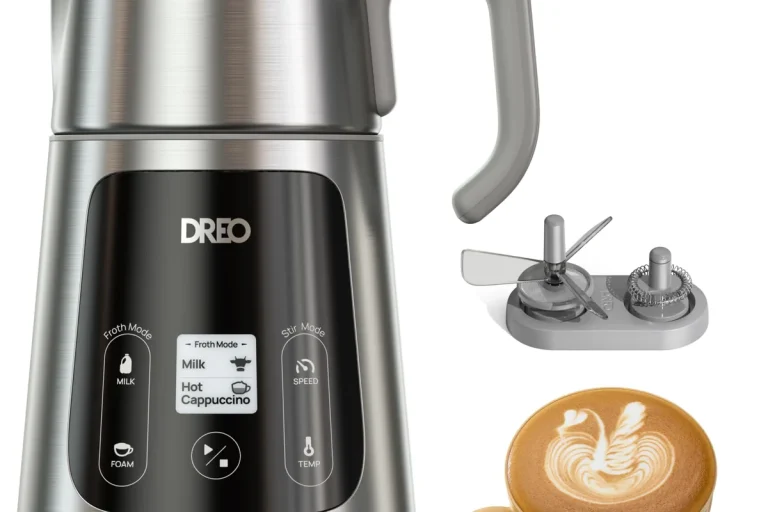
Heating range, froth modes, and jug size
A good frother should match the drinks you make most. If you want hot and cold foam, look for both modes. If you make drinks for more than one person, jug size matters too.
Some models also offer different foam levels. That helps if you like latte foam one day and cappuccino foam the next.
Material quality, ease of cleaning, and noise level
Stainless steel jugs often feel sturdy, but the best choice depends on the model. Nonstick coatings can help with cleanup, yet they need gentle care.
Noise level also matters in a small kitchen. A quieter frother is nicer early in the morning or late at night.
Value for money and which features are worth paying for
Pay for the features you will actually use. Heat control, easy cleaning, and clear fill marks are often more useful than flashy extras.
Before buying, check the manual, warranty terms, and return policy. That helps you avoid surprises if the frother does not suit your milk or drink style.
- Capacity and dimensions
- Foam modes and heat options
- Cleaning method and removable parts
- Warranty terms and support
- Safety notes in the manual
Final Verdict: How to Avoid Mistakes and Get Better Foam Every Time
The biggest fix is simple. Use the right milk, stay under the fill line, choose the correct setting, and clean the frother often.
If your foam still looks off, the issue is usually milk choice, temperature, or buildup. Start there before blaming the machine.
Best practices to follow today
- Use fresh milk and the right fill line.
- Match the setting to the drink.
- Clean the frother after each use.
- Stop if you smell burning or hear grinding.
- Overfilling the jug.
- Running the frother past the cycle.
- Using damaged cords or loose parts.
- Scrubbing with harsh tools.
When a milk frother is worth it and when it is not
A milk frother is worth it if you make lattes, cappuccinos, or hot chocolate often. It is also handy if you want better texture with little effort.
If you rarely make milk drinks, a frother may feel like one more gadget. In that case, a simple manual whisk or a steam wand on another machine may suit you better.
- Most frother mistakes come from milk choice, fill level, or wrong settings.
- Clean, cool, and stop the machine on time for better foam.
- Watch for odd smells, loud noise, and damaged parts.
- Buy for your drink style, cleanup needs, and kitchen space.
Frequently Asked Questions
Weak foam often comes from the wrong milk, overfilling, or the wrong setting. Stir the milk first and check the fill line in the manual.
Yes, but results vary by brand and formula. Some plant milks are made to froth better than others, so check the label when you can.
Let it cool first, then follow the manual for the jug, whisk, and lid. Use mild soap and soft tools, and never open sealed electrical parts.
Turn it off, unplug it, and stop using it. Check for buildup, loose parts, or damage, and review the manual before using it again.
Look at capacity, foam modes, cleanup, noise, and safety notes in the manual. Choose the features you will use most, not the flashy extras.
Replace a part if the maker offers a safe spare and the problem is simple, like a worn whisk or lid. If the unit keeps failing, stop using it and consider a new frother.