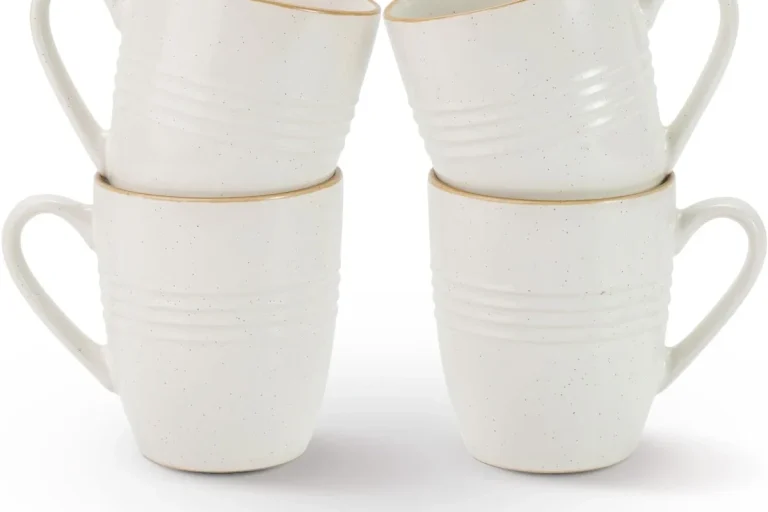
Why Coffee Mugs Are Expensive and Worth the Price

Coffee mugs are expensive because of materials, labor, finish quality, and small-batch costs. A premium mug is worth it when comfort, durability, and daily use matter more than the sticker price.
Coffee mugs can feel pricey, even when they look simple. The short answer is that you’re often paying for better materials, more labor, stronger finishes, safer use, and lower production volume. In many cases, a costly mug is less about size and more about how it was made.
- Materials matter: Better clay and glaze can raise cost and improve feel.
- Labor adds value: Handmade and small-batch mugs need more time and skill.
- Comfort counts: A good handle and balanced weight improve daily use.
- Safety matters: Check microwave, dishwasher, and damage warnings before use.
- Best value: Buy for use, not just for looks or brand name.
Why Coffee Mugs Are Expensive: The Short Answer

A basic mug can be cheap because factories make it fast and in huge numbers. A premium mug costs more when makers use better clay, careful firing, hand finishing, or special glazes. Branding and packaging can also push the price up.
That does not always mean the mug is “better” for everyone. It means the mug may have nicer feel, better balance, or a longer life. For a daily coffee drinker, those details can matter a lot.
What makes a mug cost more than a basic cup
The big cost drivers are materials, labor, and finish. A mug made with dense ceramic, a smooth glaze, and a well-shaped handle takes more work than a plain factory cup.
Here’s the simple version:
- Better clay can improve strength and feel.
- Handmade work adds time and skill.
- Decorative finishes need extra steps.
- Small runs spread costs across fewer mugs.
Why price does not always match size
A larger mug is not always more expensive. A small mug can cost more if it uses better clay, a complex shape, or detailed art. Size matters less than the time and care behind the piece.
In short, a mug’s price often reflects craftsmanship, not volume. That’s why a tiny handmade mug may cost more than a big plain one.
What You Are Really Paying For

When you buy a mug, you are not only buying a container for coffee. You are paying for the material, the labor, the finish, and the cost of getting it to you. Small-batch mugs also carry more overhead because fewer units share the same setup costs.
Material quality and clay or ceramic grade
Not all ceramic bodies are the same. Some feel lighter and more refined. Others feel thick and sturdy. Better clay can help a mug resist chips and hold heat a little longer, though results vary by design.
Exact clay type and glaze safety can vary by maker. Check the product page or label for food-safe use and care notes.
Handmade work versus mass production
Handmade mugs take more time. A maker may throw, trim, glaze, and fire each piece with care. That labor adds value, but it also adds cost.
Mass-produced mugs usually cost less because machines and molds speed up the process. They often work fine for everyday use. Still, they may lack the same feel or small design touches.
Glaze, print, and finish details
Glaze changes both the look and the feel of a mug. A smooth, even glaze takes skill and care. Printed art, metallic accents, or layered colors can also raise the price.
Small flaws matter here. A tiny run in the glaze or a crooked print may not affect use, but it can lower the mug’s value. That is one reason premium mugs cost more.
Packing, shipping, and small-batch overhead
Mugs break easily in transit. Makers often use stronger boxes, padding, and careful packing to protect them. That adds cost before the mug even reaches the shelf.
Small brands also spend more per mug on setup, storage, and shipping. When a company makes fewer mugs, those fixed costs do not spread out as much. That is a big reason why coffee mugs are expensive in artisan shops.
How Coffee Mugs Are Made
Most mugs start with clay or ceramic material shaped in a mold or on a wheel. Then they dry, get fired, glazed, and fired again. Each step adds time and risk, which adds to the final price.
Simple factory mugs versus artisan mugs
Factory mugs focus on speed and consistency. Machines make many copies with the same shape and size. That keeps costs down and helps stores stock large numbers.
Artisan mugs take a slower path. A maker may shape each mug by hand or in small groups. That gives the mug character, but it also means more labor per piece.
The main difference is speed and scale. Factory mugs win on price, while artisan mugs win on feel and unique detail.
Simple and affordable
Best for everyday use, large households, and low-cost replacements.
VS
Handmade and unique
Best for gifts, display, and buyers who want a special feel.
Firing, glazing, and quality checks
Firing changes soft clay into a hard mug. Glazing adds color, shine, and protection. Good makers also inspect the mug after firing to catch cracks, uneven glaze, or weak spots.
Those checks matter because ceramics can fail in the kiln. If a piece warps, cracks, or shows glaze problems, the maker may need to discard it. That waste gets built into the price of the good mugs.
Many ceramic mugs are fired more than once, which adds time and energy to production.
Why defects raise the final price
Not every mug survives production. Some crack in firing. Some come out with rough rims or glaze marks. Makers must cover those losses somehow.
That is why higher-quality mugs often cost more. You are helping pay for the pieces that did not make it through the process.
Features That Change the Value
A mug can look plain and still be worth more than it seems. The shape, thickness, and safety features all affect how it feels in daily use. For many buyers, those small details matter more than the print on the outside.
Thicker walls can help coffee stay warm a little longer.
A well-shaped handle can make a mug easier to hold.
Microwave and dishwasher safe mugs save time and hassle.
Chip resistance can help the mug last through daily use.
Heat retention and wall thickness
Thicker mugs often feel sturdier and can hold heat better. That does not mean they always perform the same way. Shape, material, and lid use can all change how warm your coffee stays.
If you sip slowly, this feature may matter a lot. If you finish coffee fast, it may matter less. In that case, pay more attention to comfort and weight.
Handle shape, comfort, and balance
A mug should feel good in your hand. A comfortable handle gives you a secure grip. A balanced mug also feels safer when full and hot.
This is one area where premium mugs often stand out. A well-made handle can make a simple cup feel much nicer every morning.
Microwave and dishwasher safety
Many buyers want a mug they can heat and clean with ease. But not every mug handles microwave or dishwasher use the same way. Some finishes, metals, or decorative details may need special care.
Always follow the maker’s care instructions. If a mug has cracks, chips, or unknown materials, stop using it for hot drinks.
Durability, chip resistance, and lifespan
Durability is a real part of value. A mug that chips quickly can cost more over time, even if the sticker price looks low. A stronger mug may be the better deal for daily use.
That said, no mug lasts forever. Heavy use, sudden temperature changes, and rough washing can shorten its life.
When an Expensive Mug Is Worth It
Sometimes the higher price makes sense. Sometimes it does not. The key is matching the mug to how you plan to use it.
Best use cases for daily coffee drinkers
If you use the same mug every day, comfort and durability matter more. A mug with a good handle, solid weight, and safe finish can improve your routine. Over time, that can feel worth the extra cost.
When design and gift value matter most
A mug can also serve as a gift or display piece. In those cases, appearance and story matter more. Handmade work, unique glaze, or a thoughtful shape can make the mug feel special.
That extra emotion is part of the price. You are not just buying a mug. You are buying a small object that can feel personal.
Who should skip the premium price
If you just need a basic cup for coffee or tea, a simple mug may be enough. Students, busy households, and office kitchens often benefit more from low cost and easy replacement.
Also, skip the premium price if you tend to break mugs often. A fancy mug only feels worth it if you can enjoy it for a while.
How to Decide What a Mug Is Really Worth
Use the mug’s feel, build, and care needs to judge value, not price alone.
Common Mistakes Buyers Make
Many shoppers judge mugs by looks alone. That can lead to regret later. A pretty mug that feels awkward or stains fast is not a great buy.
Confusing style with build quality
A nice print or color does not always mean better construction. Some mugs look premium but use thin material or weak glaze. Others look plain and last much longer.
Check the basics first. Look for food-safe care notes, sturdy walls, and a handle that fits your hand.
Ignoring size, weight, and comfort
Size matters more than many people expect. A mug that holds the right amount but feels too heavy can become annoying fast. The same goes for a handle that feels cramped.
- Hold the mug, if possible, before you buy it.
- Check weight when full, not just when empty.
- Think about your coffee size and brew routine.
Overpaying for branding alone
Some mugs cost more because of the name on the side. Branding can add value, but it should not hide weak materials or poor comfort. A famous logo does not always mean a better mug.
Ask yourself one simple question. Would you still want this mug if the brand name were gone? If the answer is no, the price may be too high.
Cleaning, Care, and Safety Tips
Good care helps a mug last longer and look better. It also reduces the chance of stains, cracks, and bad odors. A little attention goes a long way here.
How to keep mugs from staining or cracking
Rinse mugs soon after use when you can. Coffee and tea stains build up faster when they sit. Gentle washing also helps protect the glaze.
Rinse or wash soon to reduce staining.
Check for chips, hairline cracks, and worn glaze.
Avoid sudden temperature swings when possible. For example, do not move a very cold mug straight into very hot liquid. That can stress the ceramic.
Safe use for hot drinks and reheating
Only use mugs for microwave or reheating if the maker says they are safe. Some decorations and materials can heat unevenly or get damaged. Follow the manual or product label every time.
Stop using any mug with cracks, chips on the rim, or loose decoration.
If a mug gets too hot to hold, let it cool before moving it. Use care with lids and sleeves too, since steam can build up.
When to replace a worn or damaged mug
Replace a mug if you see cracks, sharp chips, or deep stains that will not wash out. These signs can make the mug less safe and less pleasant to use. A damaged mug can also fail without warning.
If you are unsure, it’s safer to retire the mug. That is especially true for daily hot drinks.
Final Verdict: How to Judge a Mug’s True Value
The real reason coffee mugs are expensive is simple. Good ones take better materials, more labor, more care, and more risk to make. Some also offer better comfort, safety, and style.
The best mug for you is the one that fits your routine. If you drink coffee every day, pay more attention to comfort, durability, and cleaning ease. If you want a gift or display piece, design may matter more.
Simple buying checklist for 2026
- Check material, finish, and food-safe care notes.
- Look at handle comfort, weight, and balance.
- Confirm microwave and dishwasher guidance.
- Think about chip resistance and expected lifespan.
- Compare price with how often you will use it.
Best balance of price, quality, and style
For most people, the best value sits in the middle. You do not need the fanciest mug, but you also should not buy the cheapest one without checking quality. A well-made mug that feels good in your hand is often worth the extra few dollars.
Choose a premium mug when comfort, durability, or gift value matter most. Choose a basic mug when you want simple function and easy replacement.
- Price often reflects material, labor, and finish.
- Handmade and small-batch mugs usually cost more.
- Comfort, safety, and durability can justify the higher price.
- Style alone should not decide the purchase.
- Check care notes before using any mug with heat.
Frequently Asked Questions
Higher prices often come from better materials, more labor, and extra finish work. Small-batch and handmade mugs also cost more to produce.
Not always. A heavier mug may feel sturdier, but comfort, balance, and glaze quality matter too.
They can be, if you value comfort, durability, and easy care. A simple mug may still be the better choice for basic everyday use.
Check the material, handle comfort, cleaning notes, and whether it is microwave or dishwasher safe. Also look for chip resistance and clear food-safe guidance.
Rinse or wash it soon after use and avoid letting coffee sit for long periods. Gentle cleaning helps protect the glaze and keep the mug looking fresh.
Replace it if you see cracks, sharp chips, or damage on the rim. If a mug is damaged, it is safer to stop using it for hot drinks.