What Is the History of Coffee Mugs and Why It Matters

Coffee mugs began as simple drink vessels and changed as coffee became a daily habit. Their history still matters because shape, material, and handle design affect comfort and use.
The history of coffee mugs starts long before coffee itself. Early cups were made from clay, wood, metal, and porcelain. Over time, mugs grew into the sturdy, handled cups we reach for every day.
That history matters because mug shape, material, and size still affect comfort, heat, and cleanup. If you’ve ever wondered why some mugs feel better in your hand, the answer is in that long design history.
- Origins: Coffee mugs evolved from older cups used before coffee existed.
- Design: Handles and thicker walls helped with heat and comfort.
- Materials: Ceramic, porcelain, glass, metal, and enamel each serve different needs.
- Buying: The best mug fits your hand, brewer, and cleaning routine.
What Is the History of Coffee Mugs? A Clear Answer for Today’s Reader
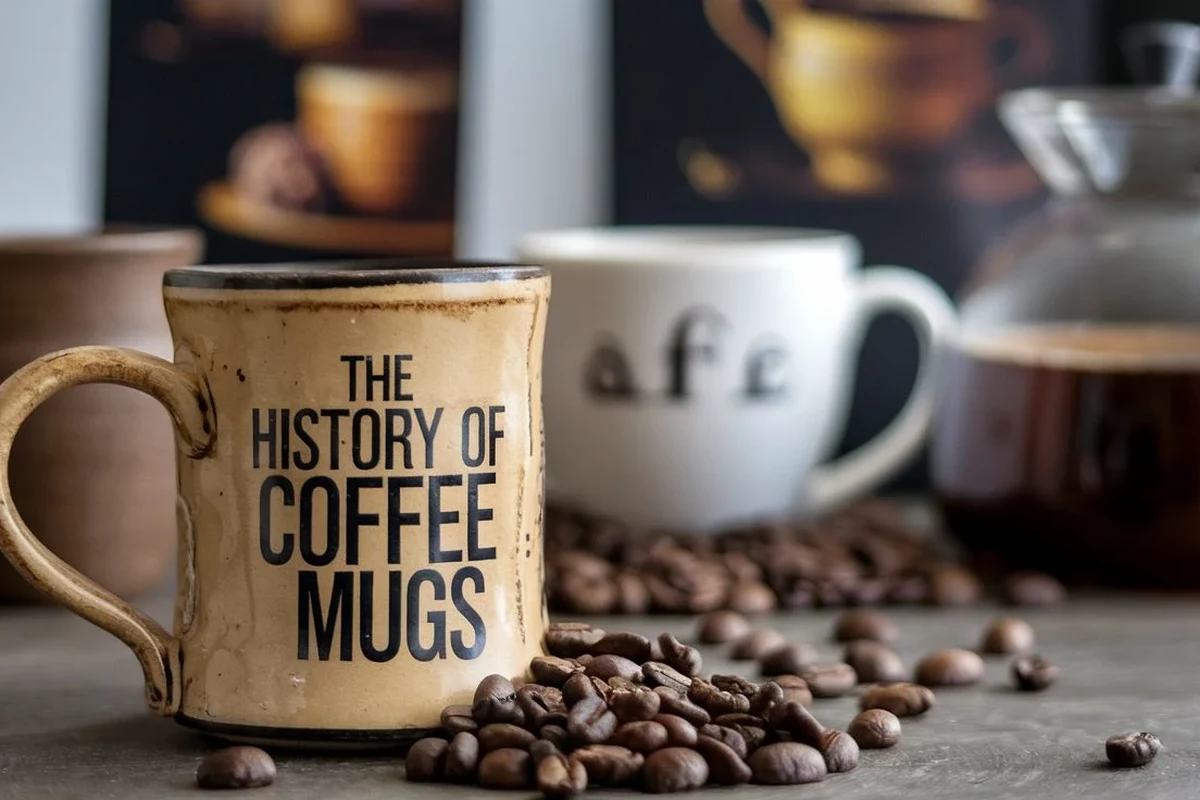
Coffee mugs did not appear all at once. They came from older drinkware that people used for water, tea, beer, and broth. Once coffee spread across the world, cup design changed to fit a hot, daily drink.
The short version: from clay cups to modern mugs
Early people used simple cups made from clay or carved materials. Later, artisans made stronger vessels from ceramic, porcelain, glass, and metal. Handles became useful as hot drinks became common.
Modern mugs are really the result of many small changes. People wanted cups that stayed warm, felt safe to hold, and worked well at home and in public places.
The word “mug” once covered many drinking vessels, not just coffee cups.
Why coffee mugs became a daily staple
Coffee became a routine drink in homes, shops, and offices. That made the mug a daily tool, not just a serving piece. People needed something cheap, durable, and easy to hold.
In short, coffee mugs became common because coffee became common. When a drink turns into a habit, the cup matters more.
Early Drinkware: The Roots of the Coffee Mug
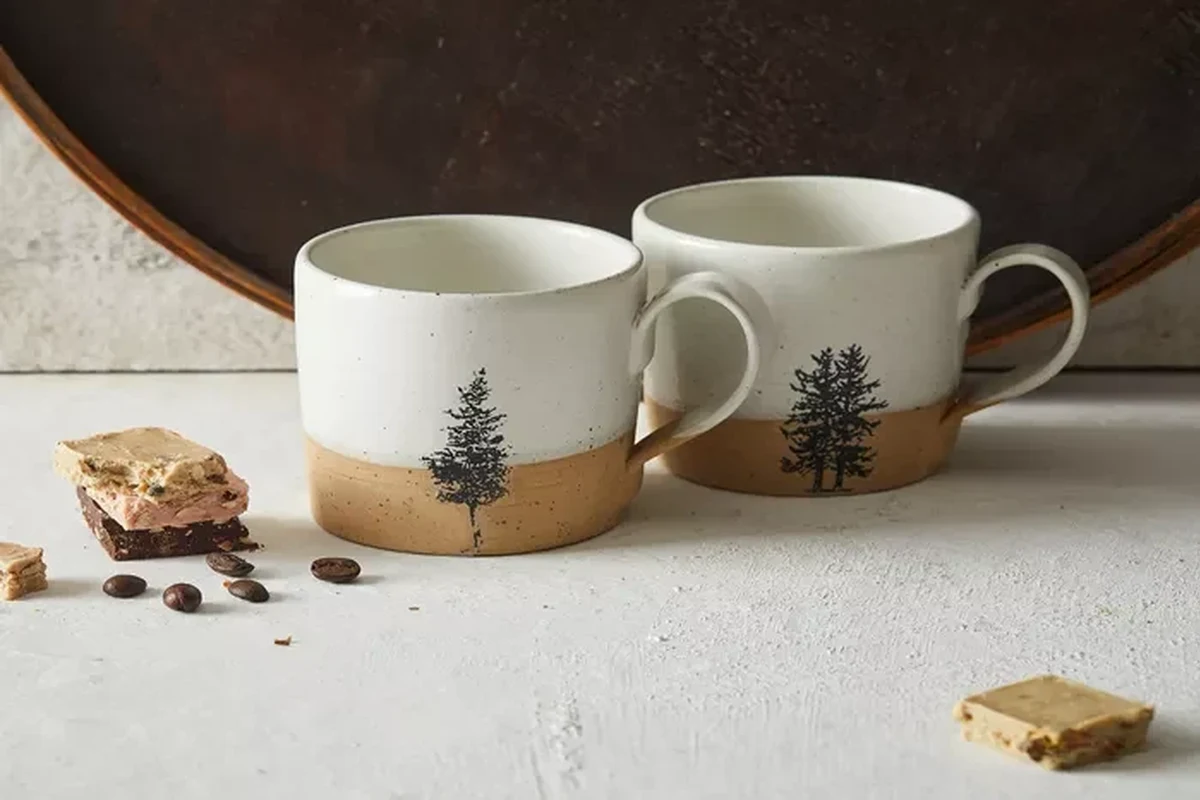
To understand coffee mugs, it helps to look at older cups first. Coffee is a newer drink in human history, but cups are ancient. People had already solved many drinkware problems before coffee arrived.
Ancient cups and vessels before coffee existed
Early cups came from clay, stone, wood, and metal. These materials were easy to shape or find. Some were plain. Others showed status or craft skill.
Many early vessels had thick walls. That helped them last longer and hold heat better. Even then, people wanted cups that were practical, not fragile.
How trade and new drinks shaped cup design
As trade grew, so did access to new drinks. Tea, cocoa, and coffee all needed cups that could handle heat. Different regions also brought their own styles and habits.
Porcelain from Asia had a huge effect on cup design. It was light, smooth, and elegant. European makers later copied and adapted those ideas for local use.
When handles and thicker walls became useful
Handles became more useful as drinks got hotter and more common. A handle lets you hold a mug without burning your fingers. Thick walls also help slow heat loss.
That is one reason the modern mug looks the way it does. It’s a mix of comfort, safety, and simple daily use.
Exact mug styles varied by place and era. Local materials and customs shaped the look of each cup.
How Coffee Mugs Evolved Across Time
Coffee mugs changed as factories, trade, and home kitchens changed. They moved from hand-made pieces to mass-made goods. That shift made mugs cheaper and easier to replace.
Porcelain, ceramic, glass, metal, and enamel mugs
Each mug material brought a different trade-off. Some looked nice. Some held heat better. Some were tougher for travel or outdoor use.
Light, smooth, and often used for formal settings.
Common in homes because it’s sturdy and easy to decorate.
Good for seeing the drink, but it may cool faster.
Useful for camping and rough use, though they can feel hot.
Today, the best material depends on how you drink coffee. A desk mug, a diner mug, and a travel mug all serve different needs.
The rise of mass production and home use
Once factories could make mugs in large numbers, they spread fast. Homes, diners, and offices all used them. That made the mug a normal part of daily life.
Mass production also changed style. Makers could print logos, add colors, and shape mugs for different buyers. A plain cup became a personal object.
How design changed with cafes, offices, and gifts
Cafes helped turn mugs into part of the coffee experience. Offices made them practical desk items. Gift shops made them personal keepsakes.
That is why mugs now carry messages, art, and brand names. A mug can say something about the drinker, not just hold a drink.
How Mug Design Changed the Way We Drink Coffee
Small changes in shape and material can make a mug feel much better to use.
What Makes a Coffee Mug a Coffee Mug?
Not every cup is really a coffee mug. A true coffee mug usually has a handle, a thicker body, and enough space for a hot drink. It also aims for comfort in daily use.
Common materials and what each one does best
Material affects heat, weight, and cleaning. It also changes how the mug feels in your hand.
- Think about heat retention and hand comfort.
- Check if the mug is easy to wash.
- Look for a size that fits your coffee routine.
Here’s the simple breakdown:
- Ceramic feels familiar and works well for daily home use.
- Porcelain feels lighter and often looks more refined.
- Glass lets you see the drink, which some people enjoy.
- Metal works well for travel and outdoor use.
- Enamel is durable, but it may chip over time.
Size, shape, handle style, and heat retention
Size changes how much coffee you drink at once. Shape changes how long the drink stays warm. Handle style changes how easy the mug feels to hold.
A wide mug can cool faster. A thicker mug can hold heat longer. A handle that fits your fingers well makes a bigger difference than many shoppers expect.
Key features that matter in daily use
For everyday coffee, the best mug is usually the one that feels easy and safe to use. It should suit your hand, your machine, and your cleaning routine.
- Choose a mug that fits under your brewer.
- Pick a handle that stays comfortable when full.
- Use thicker mugs if you want slower cooling.
Why the History of Coffee Mugs Still Matters in 2026
Old mug design still shapes what we buy today. The same basic goals remain. People want comfort, heat control, and easy cleaning.
How mug history affects comfort and taste
A mug’s shape can change how coffee smells and feels. A wider opening lets aroma rise more easily. A thicker wall can keep the drink warm longer.
That does not change the coffee itself. But it can change your experience. Small design details often matter more than people think.
What buyers can learn from old mug styles
Older mug styles teach a simple lesson. Good design lasts because it solves real problems. Handles, sturdy walls, and balanced shapes all came from daily use.
When you shop today, look for those same traits. Fancy art is nice, but comfort and function still matter most.
Why durability and function still beat trends
Trendy mugs can be fun. Still, a mug that chips fast or feels awkward will not stay in use for long. Durability usually gives better value over time.
Choosing the Right Mug Today: Value, Use, and Limits
The best mug depends on where and how you drink coffee. Home, work, and travel each need something a little different. There is no single best mug for everyone.
Best mug types for home, work, and travel
Choose ceramic or porcelain for comfort and easy daily use.
Pick a sturdy mug that fits your desk and coffee maker.
Use a lidded mug or insulated cup for spill control.
Common mistakes when picking a mug
Many buyers focus only on looks. That can lead to mugs that are too large, too small, or hard to clean. Some mugs also do not fit under drip machines.
- Check mug height and handle space.
- Match the mug to your brewer and routine.
- Choose a finish that resists stains and wear.
- Buying a mug that looks good but feels awkward.
- Ignoring whether it fits in the dishwasher.
- Choosing style over basic comfort.
Safety, cleaning, and care basics
Always follow the maker’s care instructions. Some mugs are microwave safe. Others are not. Some finishes may fade or crack with harsh cleaning.
If a mug is chipped, cracked, or badly stained, stop using it for hot drinks until you check the maker’s guidance.
For best results, wash mugs well after use. Coffee stains build up fast, especially in light-colored cups. A gentle scrub often works better than harsh tools.
Final Takeaway: The Best Coffee Mugs Balance History and Use
Coffee mugs have a long history, but the core idea has stayed the same. They should be comfortable, useful, and safe for hot drinks. That is why the best mug designs still look familiar.
Simple buying advice from the Red Kitchen Project Editorial Team
Choose the mug that fits your hand, your coffee maker, and your cleaning habits. If you want warmth and comfort, ceramic or porcelain is often a smart pick. If you need travel use, look for a secure lid and sturdy build.
When style matters and when function should win
Style matters when the mug is a gift or part of your kitchen look. Function should win when you use the mug every day. In the end, the best coffee mug is the one you enjoy reaching for again and again.
- Coffee mugs grew from older drinkware used long before coffee.
- Handles, thick walls, and strong materials came from practical needs.
- Modern mugs balance comfort, heat control, and easy cleaning.
- The best mug for you depends on home, work, or travel use.
Frequently Asked Questions
Coffee mugs grew from older cups and vessels used for many drinks before coffee became common. As coffee spread, people wanted stronger cups with handles and better heat control.
Handles make hot drinks easier and safer to hold. They also help you drink comfortably without wrapping your hand around a hot cup.
Ceramic and porcelain are popular for daily use because they feel sturdy and familiar. The best choice depends on heat retention, weight, and how easy the mug is to clean.
Mug shape can change how aroma rises and how fast the drink cools. A wider mug may release more smell, while a thicker mug can hold heat longer.
Check size, handle comfort, cleaning care, and whether it fits your coffee maker or microwave. It also helps to review the maker’s care instructions and safety notes.
Stop using a mug if it is cracked, badly chipped, or no longer safe for hot drinks. Follow the manufacturer’s guidance for cleaning, microwave use, and replacement.