Can Coffee Mugs Go in the Dishwasher Safely and Easily

Many coffee mugs can go in the dishwasher, but not all of them should. Check the label, look for damage, and hand wash delicate or decorated mugs.
Yes, many coffee mugs can go in the dishwasher. But not all mugs should. The safe choice depends on the mug material, the finish, and the maker’s care notes.
If you want the short version, check the bottom of the mug first. If you see a dishwasher-safe mark, you’re usually in good shape. If the mug has hand paint, metallic trim, cracks, or an insulated body, hand washing is often the safer bet.
- Most mugs: Plain ceramic, porcelain, stoneware, and some glass mugs are usually safe.
- Best placement: The top rack is usually safer for mugs than the bottom rack.
- Watch the finish: Hand paint, metallic trim, and decals can fade or peel.
- Check damage: Cracks and chips can worsen in the dishwasher.
- When unsure: Hand washing is the safest default for unknown mugs.
Can Coffee Mugs Go in the Dishwasher? The Short Answer
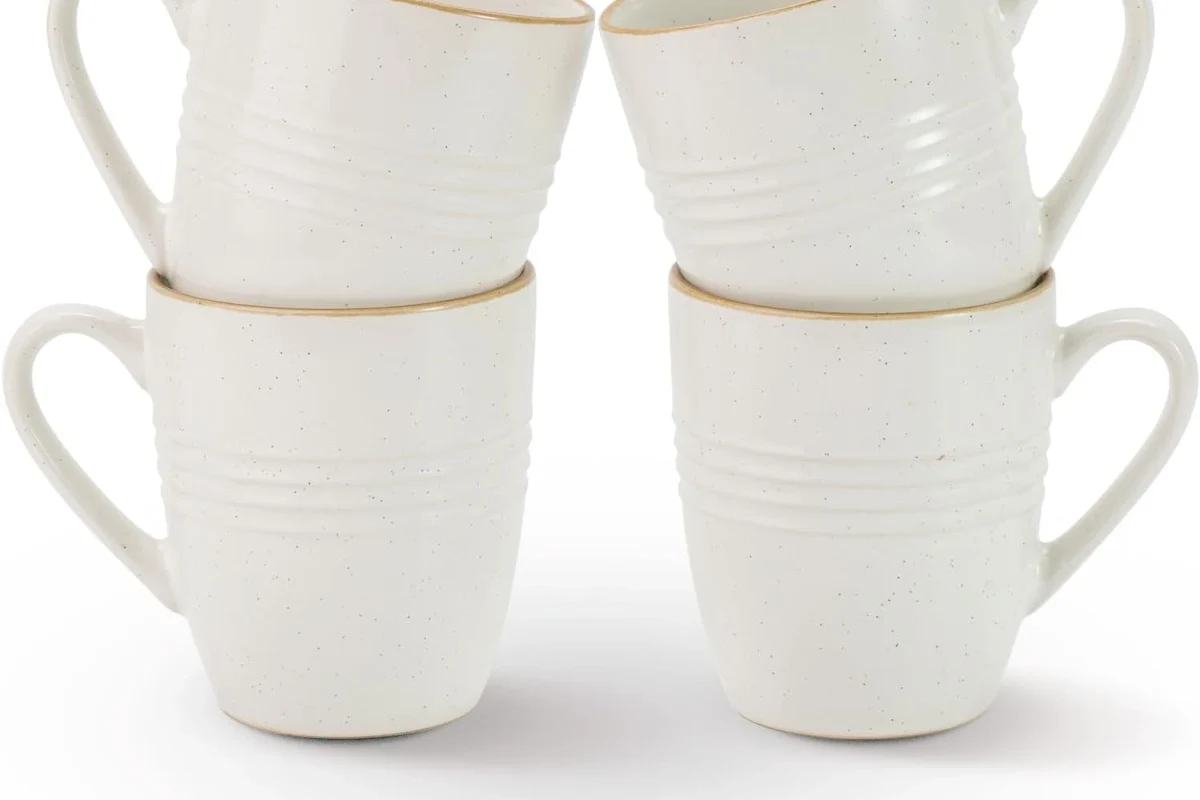
Most plain ceramic, glass, and many stoneware mugs can go in the dishwasher. That said, “can” does not always mean “should” for every mug.
The real answer depends on heat, water spray, detergent, and the mug’s finish. Some mugs hold up well for years. Others fade, chip, or crack sooner than you’d expect.
Follow the mug maker’s care guide. Stop using any mug with deep cracks, loose glaze, or sharp chips.
In short: many mugs are dishwasher safe, but the label and the mug’s condition matter most.
What Makes a Mug Dishwasher Safe

A dishwasher-safe mug can handle hot water, detergent, and repeated wash cycles without breaking down fast. The mug still needs a strong body and a finish that can take the abuse.
Some mugs also need gentle care because of how they were made. A pretty mug can still be fragile, even if it looks sturdy on the shelf.
Common mug materials and how they handle heat
Different mug materials react in different ways. That is why one mug can last for years in the dishwasher, while another starts to wear out early.
Usually dishwasher safe, but chips and cracks can still happen.
Often durable, though some glazes and rims may wear down.
Commonly safe, but fine pieces can be more prone to damage.
Often safe if the glass is made for hot wash cycles.
Metal mugs are different. Some stainless steel mugs can go in the dishwasher, but many insulated mugs do better by hand. Plastic mugs vary a lot, so check the label every time.
In short: the material gives you the first clue, but the care label gives you the final word.
Glazes, prints, and finishes that can fade or crack
The mug body may be safe, but the finish may not be. Printed designs, gold trim, metallic accents, and hand-painted art can wear off in the dishwasher.
Strong detergent and high heat can also dull a glossy glaze over time. That does not always ruin the mug right away, but it can change how it looks and feels.
Metallic accents and gold rims often need hand washing, even on otherwise sturdy mugs.
In short: the mug may survive, but the decoration may not.
How to Check a Mug Before You Wash It
Before you toss a mug in the dishwasher, take ten seconds to inspect it. That small habit can save a favorite mug from damage.
It also helps you avoid washing a mug that has hidden damage. A tiny crack can grow when heat and water hit it again and again.
Look for labels, symbols, and care notes
Check the bottom of the mug, the box, or the product tag. Look for words like “dishwasher safe” or care symbols from the maker.
If the mug came with special care notes, follow those first. Brand guidance beats guesswork.
Care symbols and labels can vary by brand and region. When in doubt, check the product page or manual.
If you cannot find a label, use caution. Hand washing is the safer default for unknown or delicate mugs.
In short: if the maker says it’s safe, you have a strong green light.
Check for chips, cracks, and weak spots
Run your eyes and fingers around the rim, handle, and base. Look for chips, hairline cracks, or rough spots.
Even small damage matters. Heat and water can work into weak areas and make them worse.
- Inspect mugs after drying, when cracks are easier to spot.
- Set damaged mugs aside for hand washing or replacement.
- Watch for faded print, since it can signal wear.
In short: if a mug is already damaged, the dishwasher can speed up the problem.
Best Way to Wash Coffee Mugs in the Dishwasher
If the mug is labeled dishwasher safe, you still want to load it the right way. Good placement and the right cycle help protect both the mug and your machine.
This is especially true if you wash mugs often. Small habits can make a big difference over time.
Top rack or bottom rack
Top rack is usually best for coffee mugs. It keeps them farther from the hottest part of the machine.
The bottom rack can expose mugs to more heat and stronger spray. That may be fine for heavy mugs, but it raises the risk for delicate ones.
In short: top rack is the safer home for most mugs.
Dishwasher settings that work best
A normal or gentle cycle is usually a smart choice. Very high heat can be hard on prints, trim, and some glazes.
If your dishwasher has a heated dry setting, think twice for delicate mugs. Air drying may be kinder to finishes.
- Use a standard or gentle wash when possible.
- Let mugs air dry if the finish seems delicate.
- Use extra-hot cycles for fragile or decorated mugs.
- Assume every mug can handle heated drying.
In short: gentler settings usually help mugs last longer.
How to load mugs so they stay safe
Place mugs with space around them. That helps water reach all sides and lowers the chance of bumping.
Face mugs down at a slight angle if your rack allows it. That helps water drain out instead of pooling inside.
Quickly remove coffee grounds or thick buildup before loading.
Keep handles from touching other items.
Set each mug where it won’t tip during the wash.
In short: a little space helps prevent chips and wobble.
When You Should Wash Coffee Mugs by Hand
Some mugs are just better off in the sink. Hand washing takes a little more time, but it can protect special pieces.
That matters most when the mug has a delicate finish or a shape that traps water.
Hand-painted mugs and special finishes
Hand-painted mugs can lose detail in the dishwasher. The same goes for metallic trim, decals, and soft-touch coatings.
If a mug means something to you, hand wash it. That small step can help preserve the look for much longer.
Do not use a dishwasher for mugs with peeling glaze, exposed cracks, or unstable decoration.
In short: special mugs usually deserve gentle hand care.
Travel mugs, insulated mugs, and lids
Travel mugs often have seals, gaskets, and lids that need extra care. Some parts may be dishwasher safe, while others are not.
Insulated mugs can also trap water inside layers or seals if they are washed the wrong way. That can affect smell, fit, and performance.
Check every part, not just the cup body. A lid may need top rack only, or hand washing only.
In short: for travel mugs, the lid often matters as much as the cup.
Common Mistakes That Can Damage Coffee Mugs
Most mug damage comes from a few simple mistakes. The good news is that these are easy to avoid.
If you know what to watch for, your mugs can stay in better shape for longer.
Using harsh heat or strong detergent
Too much heat can stress glaze and decoration. Strong detergent can also dull the finish over time.
That does not mean every hot wash is bad. It means you should match the cycle to the mug, not the other way around.
In short: harsh wash settings can shorten a mug’s life.
Overcrowding the rack
When mugs sit too close together, they can knock into each other. That can chip rims and handles.
Overcrowding also blocks water flow. Dirty spots may stay behind, which leads to more rewashing.
In short: give each mug room to breathe.
Ignoring stains, residue, and buildup
Coffee stains, tea stains, and mineral buildup can cling to the inside of mugs. If you ignore them too long, they become harder to remove.
That can tempt people to use harsher cycles or scrub too hard later. A little regular care prevents that cycle.
In short: clean mugs sooner, and you’ll need less force later.
How to Clean and Maintain Coffee Mugs for Longer Life
Good mug care is simple. Rinse, wash, dry, and store them well.
That routine helps mugs keep their color, shape, and finish for longer.
Daily care and stain removal tips
Rinse mugs soon after use when you can. Fresh coffee stains are much easier to clean than old ones.
For stubborn marks, use a mild scrub and a gentle cleaner. Avoid harsh tools that can scratch glaze or print.
Rinse the mug soon and wash it before stains set.
Check for wear, stain buildup, and small chips.
In short: regular care keeps cleanup easy.
How to keep mugs looking new over time
Store mugs where they won’t bang together. A crowded cabinet can chip rims just as fast as a rough wash cycle.
Rotate older mugs into regular use and keep special mugs for gentler care. That way, your favorite designs last longer.
If a mug starts to fade, crack, or smell odd, reassess it. Sometimes the safest move is to retire it.
In short: careful storage matters almost as much as careful washing.
Final Recommendation: Is the Dishwasher Safe for Your Coffee Mugs?
Yes, the dishwasher is safe for many coffee mugs, especially plain ceramic, stoneware, porcelain, and some glass mugs. But the safest answer always comes from the mug label and the mug’s condition.
If your mug has hand paint, metallic trim, a delicate glaze, or visible damage, wash it by hand. If it is a sturdy, labeled dishwasher-safe mug, the top rack and a gentler cycle are usually the best choice.
Most everyday mugs can go in the dishwasher, but decorated, damaged, and insulated mugs often need hand washing. When in doubt, check the care label and choose the gentlest safe option.
Frequently Asked Questions
No, not all coffee mugs are dishwasher safe. Plain ceramic, porcelain, stoneware, and some glass mugs often are, but decorated or damaged mugs may need hand washing.
The top rack is usually the safest place for coffee mugs. It keeps them farther from the hottest area and lowers the chance of damage.
Hand-painted art, metallic trim, decals, and some special glazes can fade or crack. Insulated mugs and lids may also need special care.
Check the bottom of the mug, the box, or the maker’s care notes for a dishwasher-safe label or symbol. If you cannot confirm it, hand washing is the safer choice.
A standard or gentle cycle is usually best for mugs. Very hot cycles and heated dry settings can be harder on delicate finishes.
Stop using a mug with deep cracks, loose glaze, sharp chips, or unstable decoration. Damage can worsen in the dishwasher and may make the mug unsafe to use.