How Coffee Mugs Evolved Over Time and Why It Matters

Coffee mugs evolved from simple clay cups into the handle-equipped mugs we use today. The biggest reasons were better heat control, easier handling, and changing home style.
Coffee mugs have come a long way from rough clay cups to the everyday mugs on our shelves today. Their design changed because people wanted better heat control, easier handling, and styles that fit modern homes. In short, mug history is really a story about comfort, craft, and daily life.
- History: Mug design grew from early fired cups and later mass production.
- Comfort: Handles, thicker walls, and better shapes improved daily use.
- Materials: Ceramic, porcelain, glass, steel, and enamel each serve different needs.
- Buying: Check size, grip, safety labels, and cleaning ease before you choose.
What Coffee Mugs Are and How They Evolved Over Time

A coffee mug is a drinking vessel made for hot drinks, usually with a handle and a shape that holds heat well. The mug we know today did not appear all at once. It grew from older cups used for tea, broth, beer, and other drinks.
As coffee spread across regions and homes, drinkers wanted a cup that felt sturdy and kept drinks warm. That need shaped the mug more than any single trend.
The short answer to why mugs changed
Mugs changed because people changed how they drank coffee. They wanted cups that were safer to hold, easier to clean, and better at keeping heat in.
Style also mattered. Over time, mugs became part of home decor, gift sets, office desks, and personal routines.
The handle became a key mug feature because it made hot drinks easier to carry and sip.
From early cups to the mug we know today
Early drink cups were often small and plain. Many had no handle at all. People used them for many kinds of drinks, not just coffee.
As firing methods improved, makers could shape stronger vessels with smoother sides. That helped mugs hold hot liquid better and last longer in daily use.
The Main Stages in Coffee Mug History
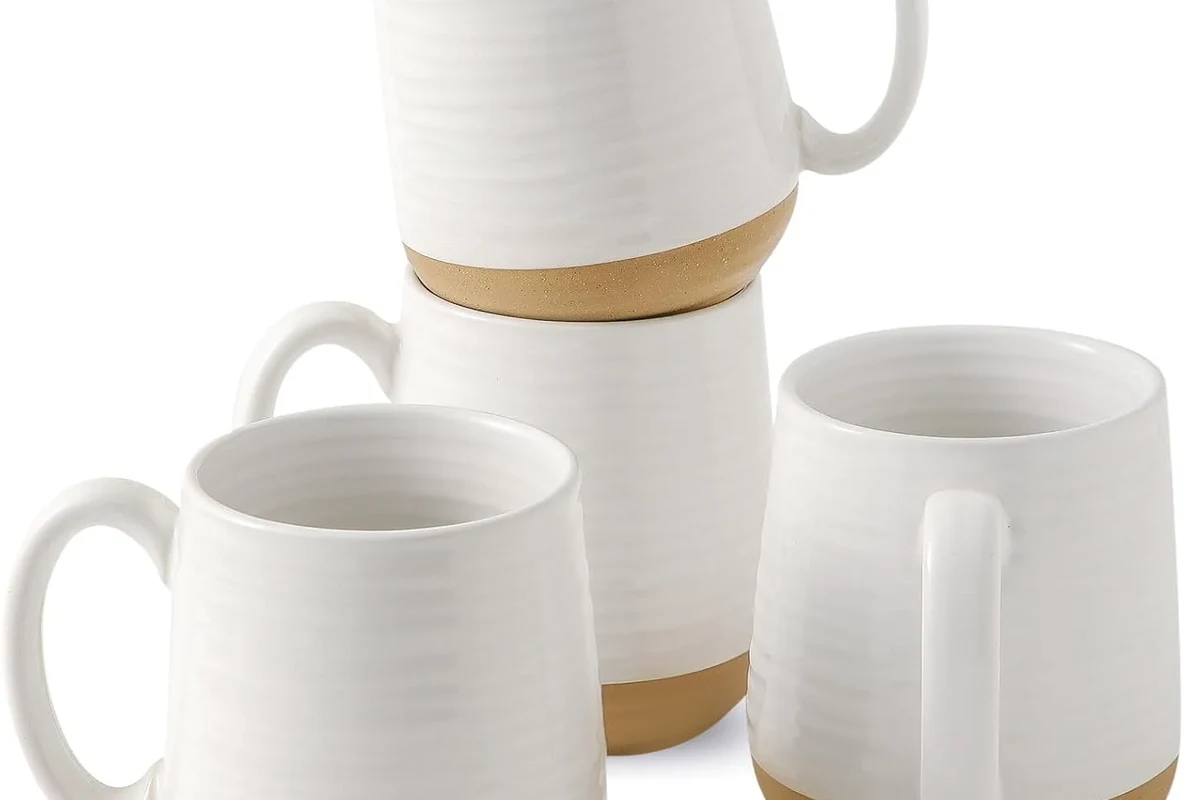
Coffee mug history moves through a few clear stages. Each stage reflects better materials, better tools, and changing tastes.
Clay, ceramic, and early fired cups
Clay cups came first in many places. They were simple, useful, and easy to shape by hand. Once people learned to fire clay, cups became tougher and more useful for hot drinks.
Ceramic cups improved the look and feel of drinkware. They could be glazed, which made them smoother and easier to wash.
Early cup styles varied by region. Not every culture followed the same path, and local craft traditions shaped the final form.
Porcelain, stoneware, and mass-made mugs
Porcelain brought a finer, lighter look. It often felt more elegant and became linked with formal settings and better tea or coffee service.
Stoneware became popular for daily use because it felt sturdy. Later, mass production made mugs cheaper and more common in homes, cafes, and offices.
That shift mattered. Once mugs could be made in larger numbers, more people could own several styles for different uses.
Fine look, smooth feel, and a more delicate style.
Thicker build, strong daily use, and good heat holding.
Glass, metal, and modern mixed materials
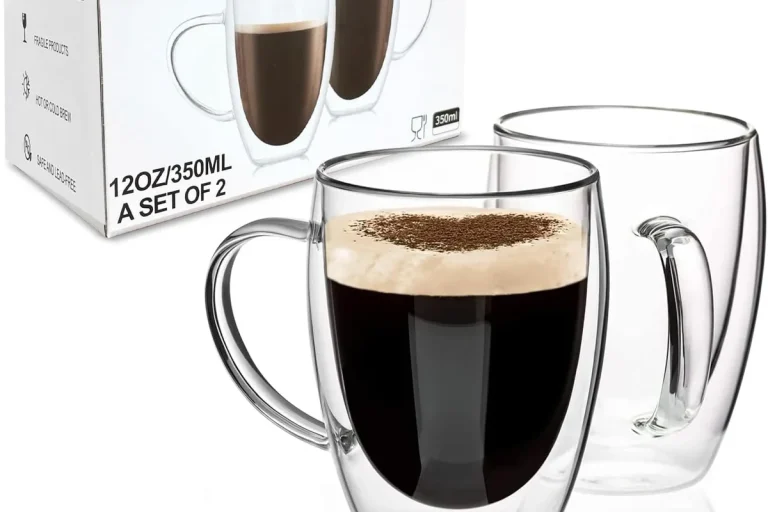
Glass mugs let people see the drink inside. That made them popular for layered drinks and modern cafe drinks.
Metal mugs, including stainless steel travel styles, grew with busy commutes and outdoor use. Modern mugs now mix ceramic, silicone, bamboo fiber, and insulated parts.
Each material solves a different problem. The best choice depends on where and how you drink coffee.
Why Mug Design Changed for Coffee Drinkers
Mug design did not change just for looks. It changed because people wanted coffee that stayed pleasant to drink.
Heat control and comfort in daily use
Hot coffee can be hard to hold in a thin cup. Thicker walls help slow heat loss. A handle also keeps your hand away from the hottest part.
That is why many mugs feel heavier than teacups. They are built for comfort during longer sipping.
Very hot drinks can burn skin and mouths. Let coffee cool a bit before drinking, especially from thick or insulated mugs.
Size, shape, and the rise of the handle
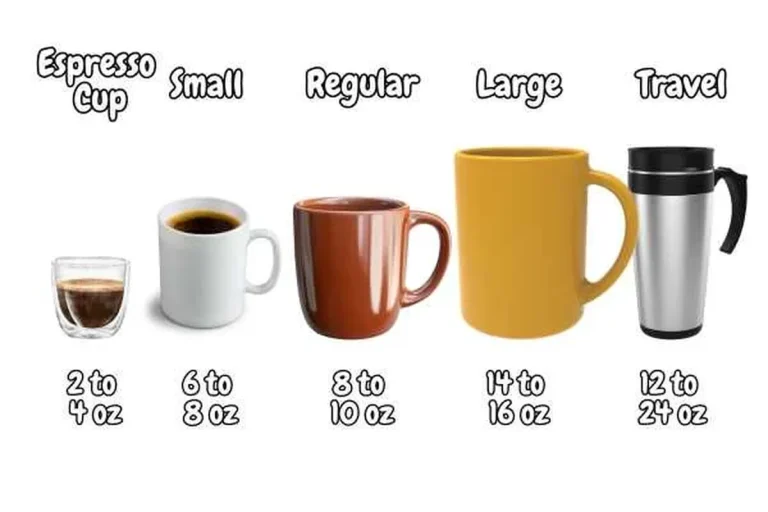
Coffee mugs grew larger as coffee drinking became a daily habit. Bigger mugs let people drink more at once, which fit home routines and work breaks.
The handle became a key part of the design. It gave better grip, better control, and less risk of burning your fingers.
Style, status, and home decor trends
Mugs also became personal items. People choose them for color, shape, humor, or brand style. A mug can say a lot about a kitchen or desk.
That is why some mugs are plain and practical, while others feel like decor. Both can work well if the shape suits the drinker.
A mug should feel good in your hand before it looks good on a shelf.
How Modern Coffee Mugs Work in Real Life
Today’s mugs need to do more than hold liquid. They need to fit your routine, your brewer, and your cleaning habits.
What makes a mug good for hot drinks
A good mug holds heat well, feels steady, and pours or sips cleanly. The rim should feel smooth. The handle should fit your fingers without strain.
For daily coffee, the best mug is often the one that balances comfort and easy care.
- Choose a mug that fits under your coffee maker.
- Pick a handle that feels easy to grip when full.
- Check if the mug is easy to wash by hand.
How material affects heat, taste, and feel
Ceramic and porcelain often feel familiar and keep coffee warm for a while. Glass can cool faster, but it shows the drink well. Stainless steel holds heat very well, but it can change the drinking feel.
Some people notice taste changes with metal or older, worn mugs. A clean, food-safe mug should not add off flavors, but buildup can cause problems.
Which mug features matter most today
Modern buyers usually care about a few things first. Capacity, handle comfort, and cleaning ease often matter more than decoration.
Best for small kitchens and tight cabinet space.
Best for long coffee breaks or extra milk and foam.
Best for commuting and spill control on the go.
Materials, Specs, and Buying Factors to Know in 2026
If you are buying mugs in 2026, the basics still matter most. Material, size, safety, and cleaning ease should guide the choice.
Ceramic, porcelain, glass, stainless steel, and enamel
Ceramic is common and flexible. Porcelain looks finer and often feels lighter. Glass works well for visual appeal and some drink styles.
Stainless steel is strong and useful for travel. Enamel has a classic look, but it can chip if handled roughly.
| Option | Best For | Key Consideration |
|---|---|---|
| Ceramic | Everyday coffee | Check glaze quality and chip resistance |
| Porcelain | Light, refined feel | Can be more delicate than stoneware |
| Glass | Visual drinks and tea | May cool faster than thicker mugs |
| Stainless steel | Travel and insulation | Can get hot unless insulated or double-walled |
| Enamel | Classic style | Watch for chips and wear |
Capacity, weight, handle shape, and lid options
Capacity affects how much coffee you can pour. Weight affects comfort. A mug that feels nice when empty may feel awkward once full.
Handle shape matters more than many shoppers expect. A good handle should fit your hand without squeezing. Some mugs also include lids, which can help with heat and spills.
- Check mug capacity and cabinet space.
- Look for a handle that fits your grip.
- Confirm lid fit if you want spill help.
- Review cleaning notes for stains and odors.
Microwave safety, dishwasher safety, and durability
Always check the label or product page for microwave and dishwasher safety. Some mugs are safe in both. Others have metallic trim, special coatings, or fragile parts that are not.
Durability matters if you use mugs every day. A mug that chips fast may cost more over time, even if it seems cheap at first.
Stop using a mug with cracks, deep chips, or loose parts. Heat can make damage worse, and breakage can cause burns.
Benefits, Limits, and Common Mistakes
Even a simple mug has trade-offs. Knowing them helps you choose better and avoid waste.
What a good mug does well
A good mug keeps coffee comfortable to drink. It feels balanced in the hand and stands up to regular washing.
It also fits your routine. That may mean microwave use, dishwasher use, or a shape that works with your machine.
- Better heat control for daily coffee
- More comfort during long sipping
- Easier cleanup with the right material
Where mugs still fall short
No mug is perfect for every use. Thick mugs can feel heavy. Thin mugs may lose heat faster. Travel mugs can be hard to clean well.
Some decorative mugs look nice but do not handle daily use well. That is a common trade-off.
Common buying and care mistakes to avoid
One mistake is buying by looks alone. Another is ignoring size. A mug that is too big or too small can be annoying every day.
People also forget to check for microwave safety. That can lead to damage or unsafe use.
- Read care labels before first use.
- Choose a mug that fits your drink habit.
- Wash stains soon after they appear.
- Using cracked or chipped mugs.
- Ignoring metal trim in the microwave.
- Buying a mug that feels awkward to hold.
Cleaning, Care, and Safe Use for Longer Mug Life
Good care keeps mugs looking better and lasting longer. It also helps prevent odors, stains, and hidden damage.
How to clean stains, odors, and buildup
Coffee stains often build up slowly. Warm water, mild soap, and a soft sponge are usually enough for daily cleaning.
For stubborn stains, a gentle baking soda paste can help. Rinse well after cleaning so no residue stays behind.
Wash soon so stains do not set and odors do not linger.
Check for chips, hairline cracks, and worn glaze.
How to prevent chips, cracks, and heat damage
Do not stack mugs too tightly if they chip easily. Avoid sudden temperature changes, like moving a very hot mug into cold water.
If a mug is not labeled for microwave use, do not guess. Follow the maker’s instructions.
When to replace a mug
Replace a mug if it has cracks, deep chips, or a loose handle. Also replace it if stains, odors, or surface wear will not come out.
For safety, it is better to retire a damaged mug than to keep using it out of habit.
Final Recommendation: What Today’s Coffee Mug Buyer Should Look For
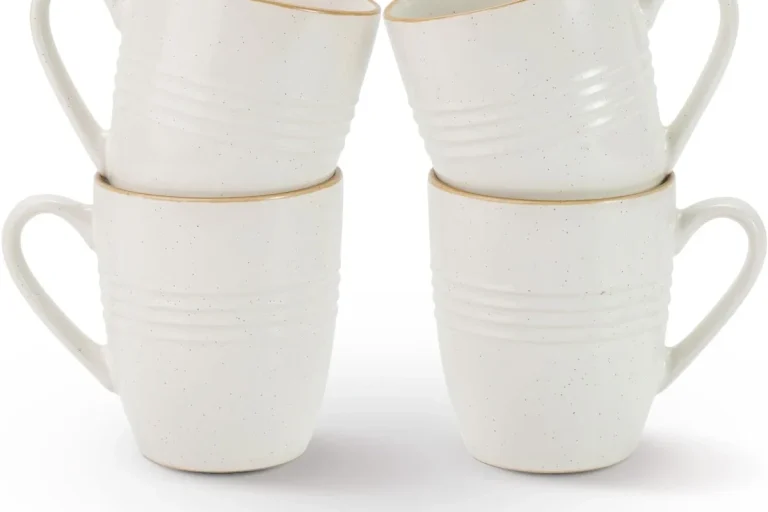
The best mug is the one that fits your drink, your space, and your cleaning routine. For most people, a simple ceramic or stoneware mug is the safest everyday choice.
Best choices by use case and budget
If you want daily home use, pick a sturdy ceramic or stoneware mug with a comfortable handle. If you need travel use, choose an insulated stainless steel mug with a secure lid. If style matters most, porcelain or glass may be the better fit.
Choose ceramic or stoneware for comfort, easy care, and wide availability.
Choose stainless steel or a lidded travel mug for spill control and heat retention.
Choose porcelain or glass if looks matter and the care needs still fit your routine.
Why mug history still matters when you buy one now
Knowing how coffee mugs evolved over time helps you see why certain shapes work better than others. The handle, the wall thickness, and the material all came from real daily needs.
So when you shop now, you are not just picking a cup. You are choosing a tool that should match how you drink coffee every day.
For most coffee drinkers, a simple ceramic or stoneware mug offers the best mix of comfort, value, and easy care. Choose travel steel or decorative glass only if your routine truly needs them.
In short, mug history is about better comfort, better materials, and better fit for modern life. That is why the right mug still makes a small but real difference every morning.
Frequently Asked Questions
Coffee mugs changed because people wanted better heat control, easier handling, and stronger everyday use. Style and home trends also pushed mug design forward.
Ceramic, porcelain, glass, stainless steel, and enamel are common choices. Each one offers a different mix of heat retention, feel, and care needs.
Pick a size that fits your usual coffee amount and your coffee maker. A mug that is too large or too small can be awkward in daily use.
No, not all mugs are microwave safe. Always check the label or product details, especially if the mug has metal trim or a special finish.
Wash the mug soon after use with warm water and mild soap. For stubborn stains, a gentle baking soda paste can help, but rinse well after cleaning.
Replace a mug if it has cracks, deep chips, or a loose handle. You should also retire it if odors, stains, or surface wear do not go away.