How Many Ounces Does a Typical Coffee Mug Hold Today

A typical coffee mug holds about 8 to 12 ounces. For most people, 11 to 12 ounces is the best everyday size.
A typical coffee mug holds about 8 to 12 ounces. If you want one simple answer, 11 to 12 ounces is the most common size today.
- Typical size: Most coffee mugs hold 8 to 12 ounces.
- Common choice: 11 to 12 ounces works for most daily coffee.
- Real capacity: Shape and fill line can change usable space.
- Best fit: Match mug size to your drink, not just the label.
How Many Ounces Does a Typical Coffee Mug Hold Today?
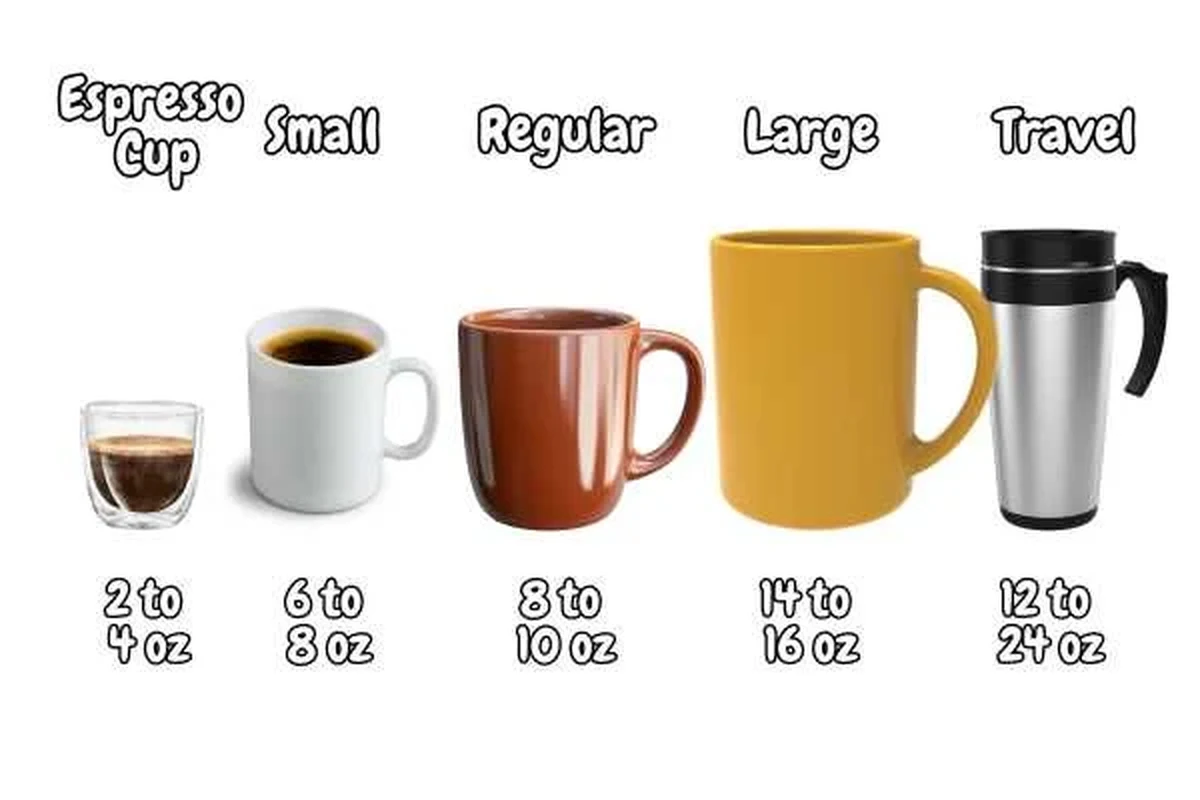
Most coffee mugs fall in the 8 to 12 ounce range. That said, many everyday mugs now lean a little larger, often around 11 or 12 ounces.
If you shop for mugs online or in stores, you’ll also see bigger sizes. Some mugs hold 14, 16, or even 20 ounces. Those are common too, but they are not the usual “standard” mug.
The quick answer for most mugs
For a plain home mug, think 11 ounces as a safe average. That size works well for drip coffee, tea, and hot cocoa.
If you drink larger pours, a 15-ounce mug may feel better. If you like a smaller serving, 8 ounces can be enough.
Why mug size still varies so much
Mug size changes because there is no single rule for “coffee mug.” Brands use the term for many shapes and uses.
Some mugs are made for espresso drinks. Others are built for soup, travel, or oversized lattes. That is why the ounce count can vary so much.
Two mugs can look almost the same from the outside and still hold very different amounts.
Common Coffee Mug Sizes and What They Mean
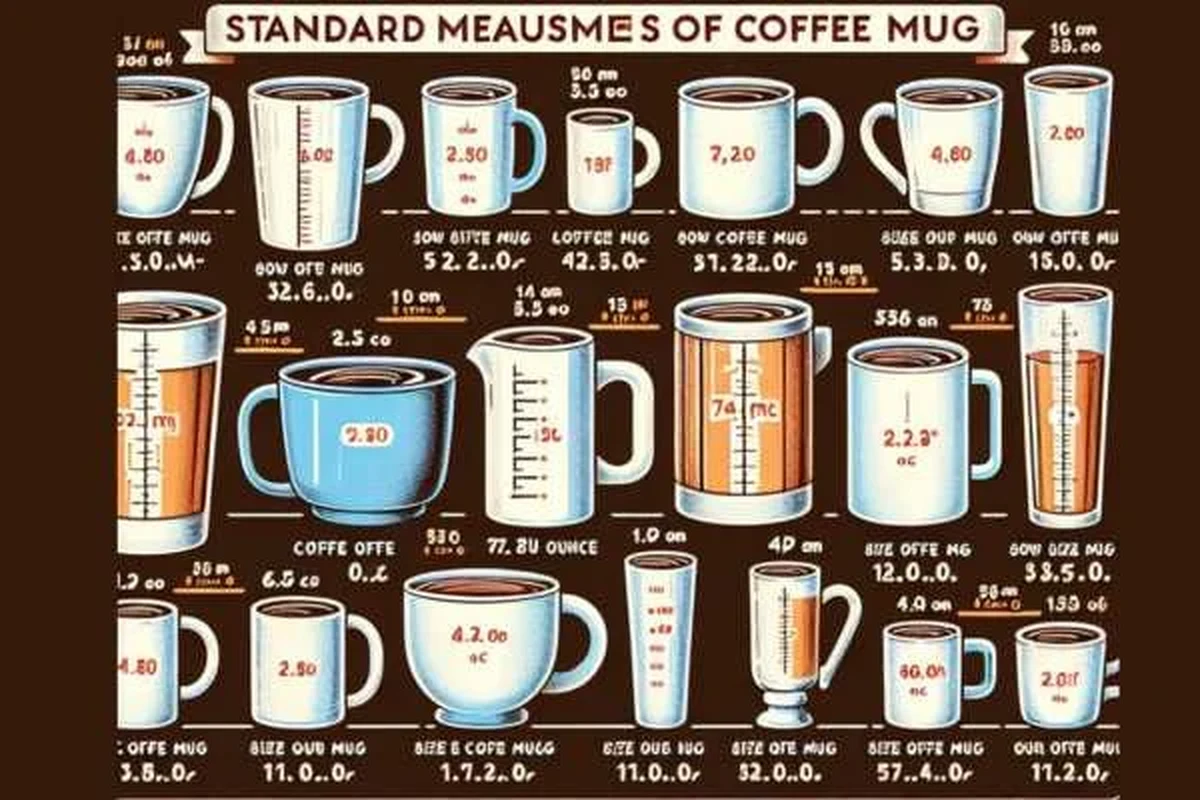
Once you know the basic size range, it helps to look at the common mug groups. That makes shopping much easier.
Small mugs, standard mugs, and large mugs
Small mugs usually hold 6 to 8 ounces. These work well for espresso drinks or small tea servings.
Standard mugs usually hold 8 to 12 ounces. Large mugs often hold 14 to 16 ounces or more.
| Option | Best For | Key Consideration |
|---|---|---|
| 6 to 8 ounces | Small coffee or espresso drinks | Can feel too small for drip coffee |
| 8 to 12 ounces | Daily use for most people | Most balanced size for home kitchens |
| 14 to 16 ounces | Large coffee, cocoa, or soup | Heavier and harder to store |
How cup size affects your daily coffee
A mug’s size changes how strong or mild your drink feels. A smaller mug can make coffee taste bolder if you use the same brew amount.
A larger mug gives you more room for milk, cream, or foam. It also leaves space if your coffee maker pours a little more than expected.
If you like cream or milk, choose a mug one size larger than your plain coffee serving.
Why some mugs hold more than they look like they do
Shape plays a big part. A mug with straight sides can hold more than a rounded mug of the same height.
Thin walls also help increase inside room. A thick, chunky mug may feel roomy, but it can hold less liquid than you expect.
Mug capacity often depends more on the inside shape than the outside size.
How Mug Capacity Is Measured
Not all ounce numbers mean the same thing. That is where many shoppers get confused.
Brim-full capacity versus real-world fill level
Some makers list the brim-full capacity. That means the mug is filled almost to the top.
In real use, most people stop below the rim. So a mug listed as 12 ounces may hold less coffee in daily use.
Why manufacturers list ounces in different ways
One brand may measure to the rim. Another may measure to a safer fill line. A third may round the number for marketing.
That is why two “12-ounce” mugs can feel different in the hand. The number alone does not tell the whole story.
Do not fill a mug to the top if you plan to carry it, microwave it, or add milk later.
How to check your own mug at home
You can test a mug with water and a measuring cup. Fill it slowly and stop where you usually drink from it.
Pour water into the mug in small steps.
Mark the amount that feels safe and practical.
See whether the mug size matches the listed ounces.
Choosing the Right Mug Size for Your Drink
The best mug is not always the biggest one. It depends on what you drink most often.
Best mug sizes for drip coffee, tea, and espresso drinks
For drip coffee, 8 to 12 ounces is the sweet spot for many people. It fits a normal serving without feeling too heavy.
For tea, the same range works well. For espresso drinks, smaller mugs or cups often make more sense.
Best mug sizes for lattes, cocoa, and soup
Lattes need more room for milk and foam. A 12 to 16 ounce mug is often a better fit.
Hot cocoa and soup also do well in larger mugs. Extra space helps prevent spills and gives you room to stir.
Pick the mug for the drink, not just the shelf look
A mug that matches your drink size makes daily use easier, cleaner, and more comfortable.
Who should choose a smaller or larger mug
Choose a smaller mug if you like strong coffee, short drinks, or lighter dishes. Small mugs also work well for tight cabinets.
Choose a larger mug if you drink big pours, add lots of milk, or use your mug for more than coffee.
Best for smaller servings and easy cabinet storage.
Best for big drinks, cocoa, and soup.
Materials, Shape, and Design That Change Capacity
Material matters, but shape matters just as much. Both affect how much a mug can hold and how easy it feels to use.
How thick walls can reduce inside space
Ceramic mugs often have thick walls. That helps with heat, but it can cut into the inside space.
So a mug may look large outside and still hold less than a slimmer mug. This is common with handmade and decorative mugs.
How handle shape and mug width affect use
A large handle can make a mug easier to hold. But it may also take up more shelf space.
Wide mugs can feel stable, yet they may cool faster. Narrower mugs may hold heat better, but they can be harder to stir.
Help hold heat, but reduce inside room.
Makes stirring easy, but may cool drinks faster.
How travel mugs compare with regular mugs
Travel mugs usually hold more, often 12 to 20 ounces or more. They also use lids, which changes how you drink from them.
Regular mugs are easier to clean and better for relaxed home use. Travel mugs make more sense when you move around a lot.
The main difference is simple. Regular mugs suit home use, while travel mugs suit spill control and portability.
Home comfort
Easy to sip, simple to wash, and great for daily coffee.
VS
On-the-go use
Better for commutes, but lids and seals need more care.
Common Mistakes People Make When Picking a Mug
Mug shopping looks simple, but a few small mistakes can lead to daily frustration.
Guessing size from looks alone
Some mugs fool the eye. A tall mug may not hold much if the walls are thick.
Always check the ounce listing if you care about size. Style alone can be misleading.
Ignoring fill line and overflow risk
A mug that seems “big enough” may still overflow when you add coffee, milk, or foam. That matters most with microwaves.
If you heat drinks often, leave extra room near the top. Spills can stain counters and burn skin.
Hot liquids can splash and burn. Leave headspace when reheating any drink.
Choosing style before comfort and function
A pretty mug is nice, but it still has to work well in real life. Think about grip, weight, and storage first.
If the handle feels awkward, you may stop using the mug, no matter how good it looks.
Cleaning, Care, and Safety Tips for Everyday Use
Cleaning and safety matter just as much as size. A mug that is easy to care for gets used more often.
How mug size affects cleaning ease
Smaller mugs are easier to rinse and dry. Larger mugs can trap more residue near the bottom.
Wide-mouth mugs are usually easier to scrub than narrow ones. That matters if you drink coffee with milk or sugar.
Microwave and dishwasher safety basics
Check the bottom of the mug for care marks or maker notes. Not every mug is safe for microwave or dishwasher use.
If the mug has metal trim, avoid the microwave unless the maker clearly says it is safe.
The mug gets hot, stains easily, or cracks after washing.
Follow the care label, use gentle washing, and stop using damaged mugs.
How to avoid stains, cracks, and heat issues
Rinse coffee mugs soon after use. That helps cut down on brown stains and smell.
Avoid sudden temperature changes when you can. For example, do not move a very hot mug into cold water right away.
Rinse or wash the mug soon to limit stains.
Check for chips, cracks, and worn glaze.
Final Recommendation: What Size Coffee Mug Makes Sense in 2026
For most people in 2026, the best all-around coffee mug is still 11 to 12 ounces. It gives you enough room for coffee and a little extra without feeling oversized.
If you drink large lattes, cocoa, or soup, move up to 14 or 16 ounces. If you like short, strong coffee, a smaller mug may suit you better.
Best all-around choice for most people
An 11 or 12 ounce mug is the easiest choice for everyday use. It fits most drip coffee servings and stores well in most cabinets.
When to go bigger or smaller
Go bigger if you want room for milk, foam, or a second pour. Go smaller if you prefer a tighter, stronger serving.
Simple buying advice from Red Kitchen Project
Start with your drink size, then check the mug’s real fill level. If possible, read the product details carefully and confirm the manufacturer’s capacity notes.
That small step can save you from buying a mug that looks right but feels wrong in daily use.
- Most typical coffee mugs hold 8 to 12 ounces.
- About 11 to 12 ounces is the most common everyday size.
- Shape, wall thickness, and fill line can change real capacity.
- Choose mug size based on your drink and your routine.
Frequently Asked Questions
A typical coffee mug holds about 8 to 12 ounces. Many everyday mugs today are around 11 or 12 ounces.
An 11 to 12 ounce mug is a solid everyday choice for most people. It gives enough room for coffee and a little milk without feeling too large.
Manufacturers may measure to the rim, a fill line, or use rounded numbers. Shape, wall thickness, and handle size can also change how the mug feels.
Use a measuring cup and fill the mug with water to your normal drink level. That gives you a better real-world number than the label alone.
A 12 to 16 ounce mug usually works better for lattes and hot cocoa. The extra room helps with milk, foam, and safer stirring.
No, not every mug is microwave safe. Check the maker’s care notes, and avoid mugs with metal trim unless the label says they are safe.