Should Cold Brew Coffee Be Refrigerated for Freshness

Yes, cold brew coffee should usually be refrigerated for the best freshness and safety. Keep it sealed in a clean container and chill it as soon as you can.
Yes, cold brew coffee should usually be refrigerated. If you want the best taste and safest storage, the fridge is the smart choice after brewing or opening.
Cold brew can sit out for a short time, but it should not live on the counter for long. Heat, light, and air all make it stale faster.
- Refrigerate early: Cold brew stays fresher and safer in the fridge.
- Use airtight containers: Less air helps slow stale, flat flavors.
- Keep dairy separate: Milk and cream shorten storage life.
- Trust your senses: Sour smell, mold, or odd taste means toss it.
Should Cold Brew Coffee Be Refrigerated? The Short Answer
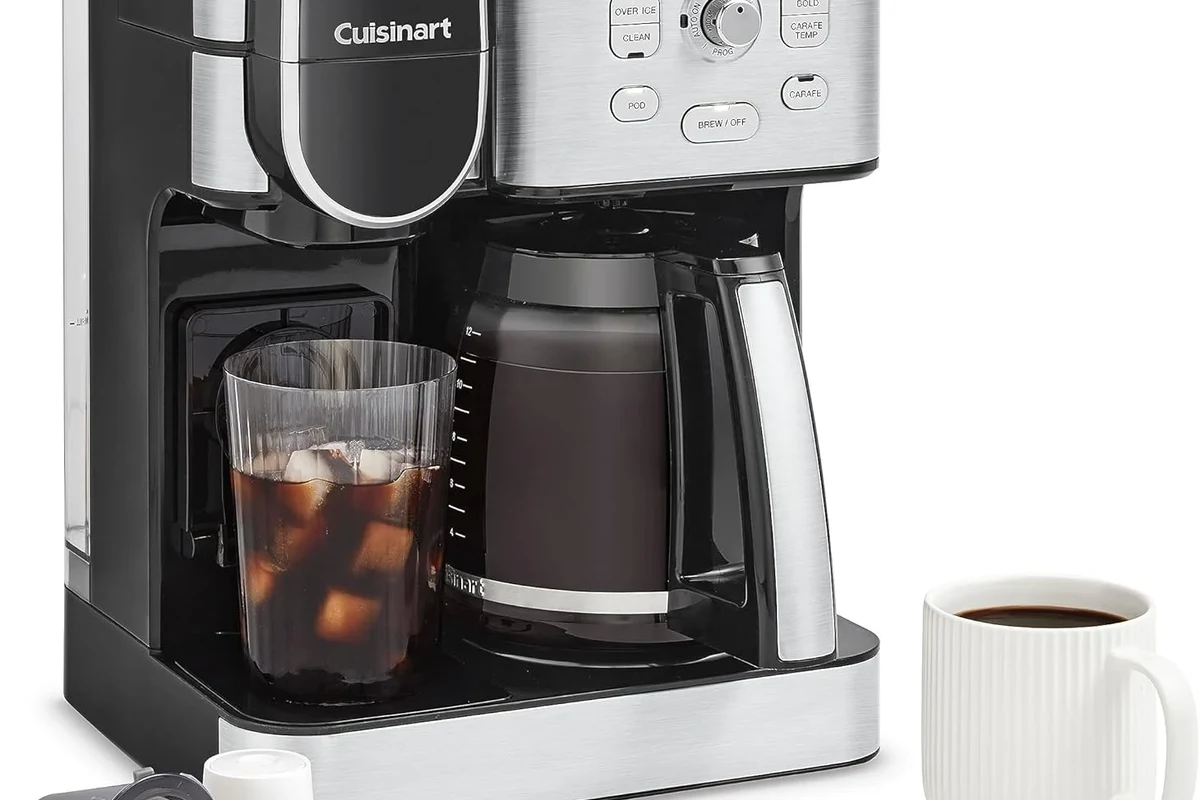
For most people, refrigeration is the best way to keep cold brew fresh. It slows flavor loss and helps lower spoilage risk.
That matters even more for homemade batches. Store-bought cold brew also lasts better in the fridge after opening.
When refrigeration is the safest choice
Refrigerate cold brew as soon as it cools, if you brewed it at home. Also chill any opened bottle or concentrate right away.
If you add milk, cream, or sweet syrup, the drink needs the fridge even more. Those extras spoil faster than coffee alone.
Never leave cold brew with milk or cream out for long. When in doubt, chill it fast and toss it if it smells off.
When cold brew can sit out for a short time
Cold brew can usually sit out during serving for a little while. That works fine for a brunch table or a short coffee break.
Still, don’t treat it like shelf-stable juice. The longer it stays warm, the faster the flavor drops.
How Cold Brew Stays Fresh and Why Temperature Matters
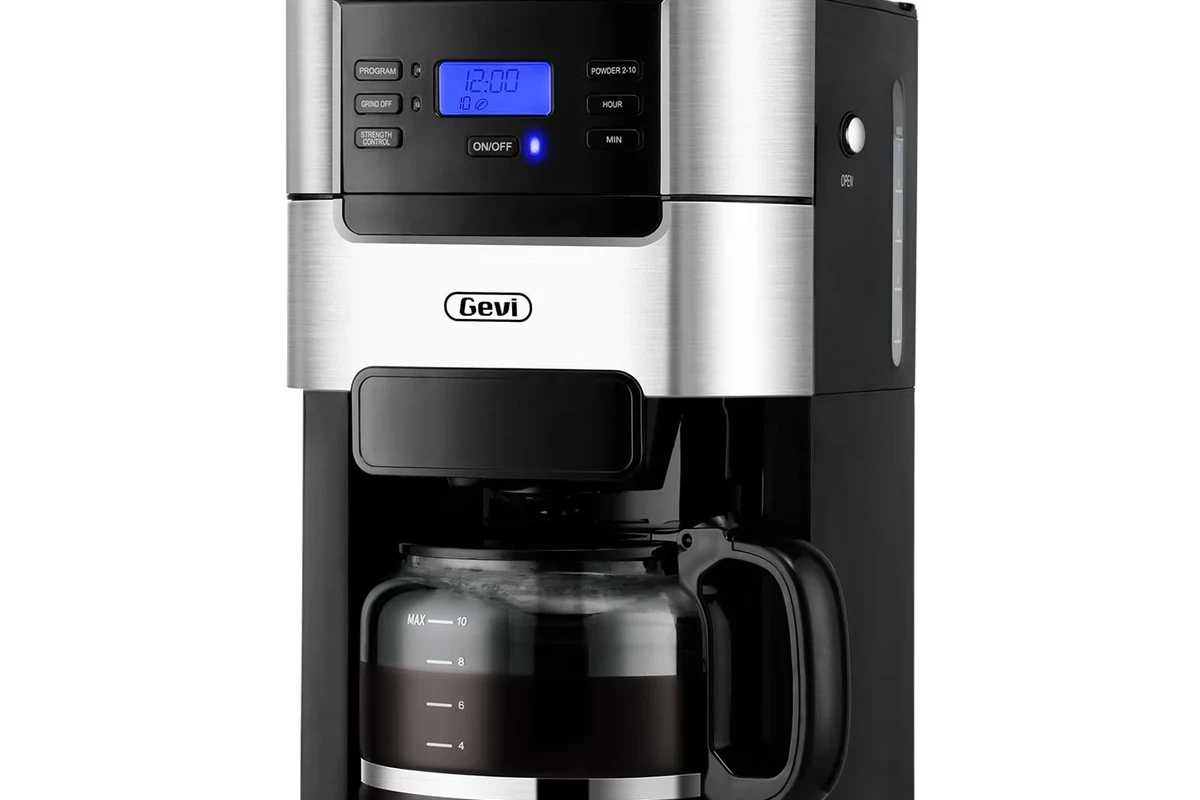
Cold brew stays fresh longer than hot coffee in some cases. But it still changes over time.
Cool storage slows down those changes. That is why the fridge helps so much.
What changes in flavor after brewing
Fresh cold brew tastes smooth, sweet, and low in acid. As it sits, it can turn flat or bitter.
Oxygen is a big reason. Air exposure can make the coffee taste dull and stale.
Cold brew often tastes best within a few days of brewing, even when chilled.
How bacteria and spoilage risk work in coffee
Plain coffee is not a rich food source for germs, but it is not risk-free. Once you add dairy or other mix-ins, spoilage risk rises.
Clean tools, cold storage, and short holding times all help. That is the simple rule most home brewers should follow.
How Long Cold Brew Lasts in the Fridge and on the Counter
Storage time depends on how you made it and what is in it. Concentrate, ready-to-drink coffee, and mixed drinks all age differently.
Unopened cold brew concentrate
Unopened store-bought concentrate usually lasts longer than opened coffee. The exact time depends on the package and the maker.
Check the label for storage instructions. Some products stay shelf-stable until opened, while others need chilling from the start.
Opened cold brew and homemade batches
Once opened, cold brew should go in the fridge. Homemade batches should also be chilled after brewing and straining.
Many people use homemade cold brew within about a week for the best taste. Some batches may last longer, but flavor often drops first.
Storage time can vary by roast, grind, brew strength, cleanliness, and whether you dilute the coffee.
Signs your cold brew is no longer good
Trust your senses. Bad smell, sour taste, gas, or visible mold are clear warning signs.
If the coffee looks cloudy in a new way or tastes sharp and wrong, throw it out. It is not worth the risk.
Best Storage Methods for Homemade and Store-Bought Cold Brew
The best container is one that seals well and keeps out air. That helps both flavor and freshness.
Glass and food-safe bottles are popular because they are easy to clean. Airtight lids matter more than fancy shape.
Glass jars, bottles, and airtight containers
Use clean glass jars, swing-top bottles, or sealed pitchers. Pick a size that leaves little extra air inside.
Less air means slower staling. That small detail can make a real difference over a few days.
Why dilution changes storage time
Concentrate usually keeps better than already diluted coffee. Watered-down cold brew can taste weaker sooner.
If you mix it with milk, cream, or flavored syrup, treat it like a perishable drink. Store it cold and use it fast.
How to portion cold brew for daily use
Portioning helps you avoid repeated warming and cooling. That cycle hurts taste and can shorten storage life.
Try small containers for single servings. Keep the main batch sealed until you need more.
- Store the main batch in one sealed container.
- Pour only what you plan to drink soon.
- Keep milk and sweeteners separate until serving.
Common Cold Brew Storage Mistakes to Avoid
A few simple mistakes can ruin good cold brew fast. Most of them are easy to fix.
Leaving it in warm spots too long
Warm counters, sunny windows, and hot kitchens all speed up flavor loss. They can also make dairy add-ins unsafe sooner.
If you forgot it out for a while, check the smell and taste before drinking. If anything seems off, dump it.
Using dirty tools or containers
Dirty strainers, funnels, and jars can add germs and off flavors. That can spoil a batch even if the coffee itself was fine.
Wash and dry everything well before use. Clean gear is one of the easiest ways to protect flavor.
Storing it with milk, cream, or sweeteners
Once you mix in dairy, the drink becomes more perishable. Sweeteners can also change how fast the flavor shifts.
For the best control, store coffee plain. Add extras just before you drink it.
Follow the product label and your fridge’s safety rules. If a container leaks, cracks, or smells sour, stop using it for storage.
How to Keep Cold Brew Fresh Longer
You can’t make cold brew last forever. But you can slow down staling with a few smart habits.
These steps help with both taste and safety.
Brewing with the right coffee-to-water ratio
A stronger concentrate often holds up better than a weak batch. That gives you more room to dilute later.
Use a ratio that fits your taste and your storage plan. Stronger is not always better, but it can help with flexibility.
Filtering well before storage
Strain the coffee well before it goes into the fridge. Leftover grounds can keep extracting and make the drink bitter.
A clean filter also helps the drink look and taste smoother. That matters if you sip it over several days.
Keeping oxygen and light exposure low
Air and light both hurt freshness. Opaque containers or dark fridge storage help a bit.
Fill containers close to the top when you can. Less empty space means less oxygen inside.
Cleaning, Safety, and Maintenance Tips for Cold Brew Drinkers
Good storage starts with good cleanup. That is true for home brewers and buyers of ready-to-drink coffee.
Simple care also keeps your jars and pitchers ready for the next batch.
How often to wash cold brew containers
Wash containers after each batch. Do not let old coffee sit in the jar for days.
Use hot, soapy water and let everything dry fully. Moisture left behind can cause stale smells.
Wash jars, lids, filters, and pitchers right away.
Check seals, lids, and stains that may hold odors.
Food safety tips for home brewers
Use clean water, clean tools, and a clean fridge shelf. Keep brewed coffee covered at all times.
If you make large batches, label the date. That makes it easier to track freshness.
When to toss leftover coffee
Toss cold brew if it smells sour, looks moldy, or tastes wrong. Also toss it if it sat too long with dairy mixed in.
When in doubt, throw it out. That is the safest call for any coffee drink.
Final Recommendation: Should You Refrigerate Cold Brew Coffee?
Yes, you should refrigerate cold brew coffee in most cases. That gives you better taste, better control, and safer storage.
If you brew at home, chill it after brewing and keep it sealed. If you buy it ready to drink, refrigerate it after opening unless the label says otherwise.
Best storage choice for home brewers
Home brewers should use a clean, airtight container in the fridge. Portion the coffee if you plan to drink it over several days.
Keep milk and sweeteners out of the main batch. Add them when you serve the drink.
Best storage choice for ready-to-drink coffee buyers
For store-bought cold brew, follow the package first. The label tells you whether the product is shelf-stable or chilled.
After opening, refrigeration is the safer default. Use the drink before its flavor fades.
Bottom line for freshness, safety, and taste
Cold brew does not need to stay icy every second, but it should not sit warm for long. The fridge is the best home for most batches.
If you want smooth taste and less waste, chill it, seal it, and drink it soon. That is the simplest rule to remember.
- Refrigerate cold brew for best freshness and safer storage.
- Use airtight containers and keep dairy mix-ins separate.
- Watch for sour smell, mold, or odd taste.
Frequently Asked Questions
Yes, refrigeration is the best choice after brewing. It helps slow flavor loss and lowers spoilage risk.
It depends on the batch, container, and ingredients. Many homemade batches taste best within a few days to about a week.
It can sit out briefly during serving. Do not leave it warm for long, especially if it has milk or cream.
A clean, airtight glass jar or bottle works well. Pick a size that leaves little extra air inside.
Filter it well, seal it tightly, and keep it cold. Adding milk or sweeteners right before serving also helps.
Toss it if it smells sour, tastes wrong, or shows mold. Also discard it if it sat too long with dairy mixed in.