How to Use a Heated Coffee Mug Safely and Enjoy Hot Drinks

Use a heated coffee mug on a flat, dry surface and follow the manual closely. Choose a model with auto shutoff, and stop using it if you see damage or odd heat.
A heated coffee mug can keep your drink warm longer, but safe use matters more than convenience. The short version is simple. Put it on a flat, dry surface. Follow the manual. Watch the fill line. And stop using it if you see damage or odd heat.
- Safety first: Flat surface, dry setup, and no damaged cords or cracks.
- Best use: Slow sippers at desks or tables get the most value.
- Buying tip: Auto shutoff and clear controls are worth paying for.
- Cleaning matters: Wash drink parts carefully and keep water away from electrical parts.
What a Heated Coffee Mug Does and Who It Helps
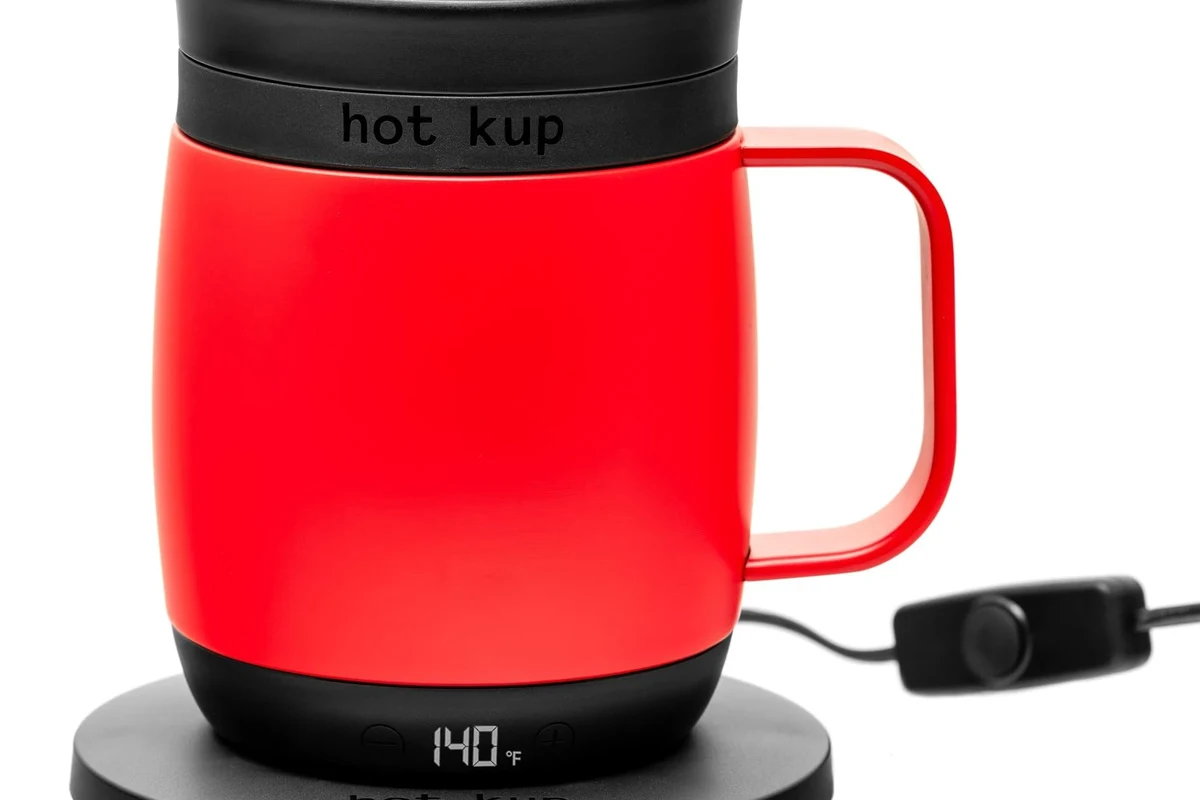
A heated coffee mug keeps drinks warm after you pour them in. Some models use a heated base. Others use a mug with built-in power. Battery models also exist, but they vary a lot by design.
These mugs help people who sip slowly. They can also help at a desk, in a home office, or during long calls. If your coffee often goes cold before you finish it, this kind of mug can make sense.
The simple answer for keeping drinks warm
The mug holds heat better than a normal cup. It may also add gentle warmth as you drink. That can help coffee, tea, hot cocoa, or broth stay pleasant longer.
Still, it is not the same as a thermos. A thermos traps heat well. A heated mug keeps the drink warm while you use it.
Who gets the most value from one
Heated mugs work best for slow drinkers. They also help people who step away from their desk often. For example, if you answer emails between sips, a heated mug can be useful.
They are less useful if you finish drinks fast. In that case, a regular mug may be enough.
How Heated Coffee Mugs Work
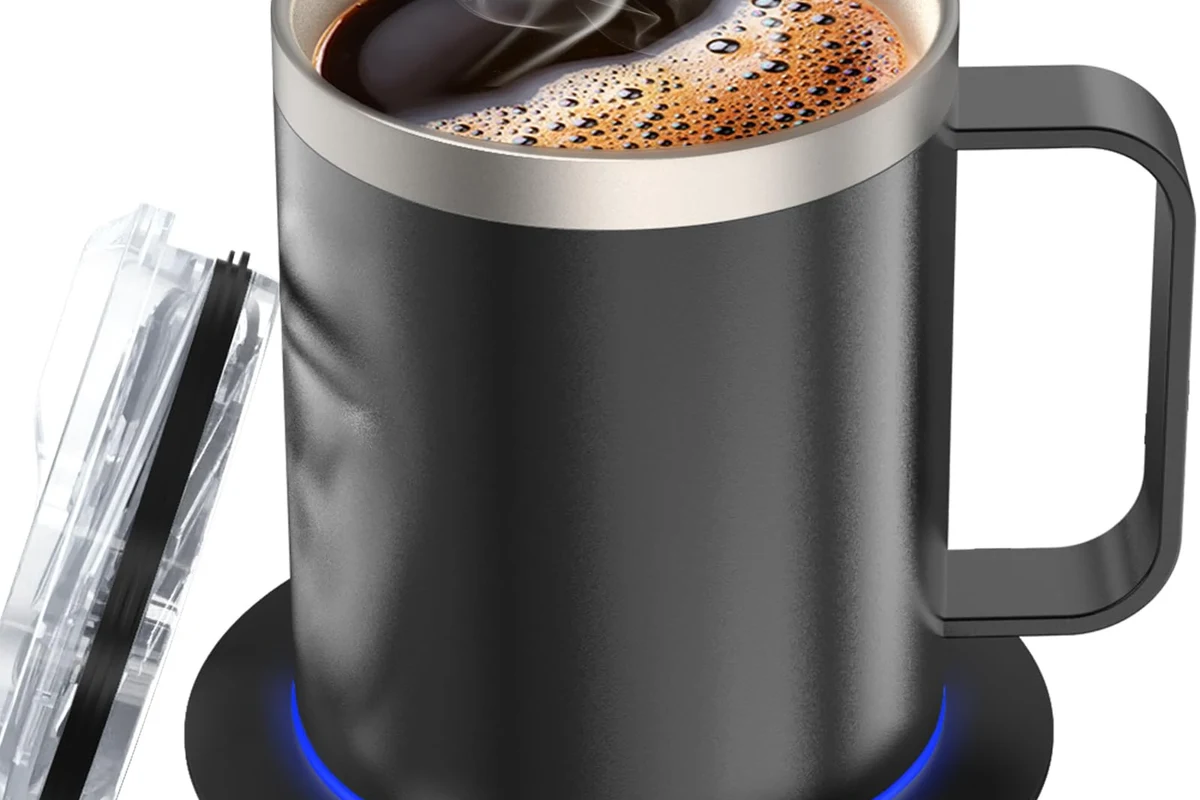
Most heated coffee mugs use a warming plate or a powered base. The mug sits on the base and gets heat from below. Some models let you set a target temperature. Others use one fixed setting.
Battery models work differently. They rely on built-in power and often need charging. The exact setup depends on the brand and model.
Heating plates, power bases, and battery models
Plate and base models are common. They are simple to use. You place the mug on the base, and the base supplies heat.
Battery models offer more freedom. But they may run for less time. They can also be heavier. Always check the manual before you buy one.
Why temperature control matters
Temperature control helps you avoid lukewarm coffee. It also helps reduce the chance of a drink getting too hot. That matters for taste and safety.
Very hot drinks can burn your mouth. So can a mug that heats too fast. A steady, lower setting is often the safer choice.
Never use a heated mug with damaged cords, cracked parts, or a loose base. Stop using it right away if it smells burnt, leaks, or overheats.
How to Use a Heated Coffee Mug Safely
Safe use starts before you pour. Read the manual first. Then check the mug, base, lid, and cord for damage. A few seconds of care can prevent a big problem later.
Set up the mug on a flat, dry surface
Place the mug on a level counter or desk. Keep it away from water, sink edges, and loose cords. A stable surface lowers the chance of spills.
Do not set it on a soft towel or a wobbly tray. Heat and movement do not mix well. If the mug can tilt, it can spill.
Fill it the right way and avoid overfilling
Fill the mug only to the marked line, if it has one. Leave room for steam and movement. Overfilling can cause spills when you move the mug or place it on the base.
Use the mug only for drinks the maker allows. Some mugs work best with water-based drinks. Thick drinks may heat unevenly.
Model rules vary. Some heated mugs are safe for coffee, tea, and cocoa. Others have limits on milk drinks or thick liquids. Check the manual before use.
Use the safest temperature for coffee and tea
Choose the lowest setting that keeps your drink pleasant. That usually gives you better control. It also lowers the chance of scalding.
If the mug has no exact temperature display, test the drink before each sip. A quick stir can help spread heat more evenly.
Handle cords, lids, and hot surfaces with care
The mug, base, and lid may all get warm. Use the handle when one is available. Avoid touching the heating area right after use.
Keep cords away from the edge of the counter. That helps prevent pulls and spills. If the lid traps steam, open it slowly.
- Use the mug on a dry, stable surface.
- Follow the fill line and temperature settings.
- Unplug it when you finish.
- Do not leave it near water or a sink.
- Do not cover vents or heating parts.
- Do not use a damaged cord or cracked mug.
Important Features to Check Before You Buy
Not all heated mugs are built the same. Before you buy, compare safety features first. Style matters less than control, fit, and cleanup.
Temperature range and auto shutoff
A wider temperature range gives you more control. Auto shutoff adds peace of mind. It can help if you forget to turn the mug off.
That feature is not just nice to have. It can also support safer daily use. Still, you should not rely on it alone.
Material choice, size, and lid design
Material affects comfort and care. Stainless steel, ceramic, and coated designs each have trade-offs. Some hold heat well. Others feel nicer to drink from.
Size matters too. A mug that is too small may spill. One that is too large may not fit the base well. Lids can help reduce heat loss, but they should not trap pressure.
Helps reduce risk if you forget the mug is on.
Keeps the mug steady and lowers spill risk.
Makes daily care faster and helps prevent buildup.
Shows how much liquid the mug can safely hold.
Power source, cord length, and ease of use
Think about where you will use it. A short cord can limit placement. A long cord can be more flexible, but it needs safe routing.
Battery models can be handy away from a desk. But they may need more charging and care. For many buyers, a simple plug-in base is easier.
Benefits and Limits of Heated Coffee Mugs
Heated mugs can improve the drinking experience. They help reduce waste from reheating drinks again and again. They also keep flavor steadier than repeated microwave use.
But they do have limits. They use power. They need care. And they are not ideal for every drink or every kitchen setup.
When they work better than regular mugs or thermoses
They work best when you sip slowly at a desk or table. They also help when you want one drink to stay warm for a long stretch. That makes them a good fit for work-from-home routines.
Compared with a thermos, a heated mug is more open and easier to sip from. Compared with a regular mug, it keeps heat longer.
Common tradeoffs to know before buying
You may give up some portability. You may also need to clean more parts. Some models are not dishwasher safe.
There can also be a learning curve. You may need to find the best temperature for your drink. That takes a little trial and error.
- Start at the lowest safe setting.
- Stir before sipping to even out heat.
- Use a lid only if the manual allows it.
Common Mistakes and How to Avoid Them
Most problems come from rushed use. A little caution goes a long way. If something seems off, stop and check it.
Using the wrong liquid or mug type
Do not assume every liquid works the same. Thick drinks can heat unevenly. Some mugs also need a specific cup shape or material.
Use only the mug and base the maker designed together. Mixing parts from different products can create poor contact or unsafe heat.
Leaving the mug on too long
Leaving it on too long can dry out the drink or make it too hot. It can also waste power. If the mug has auto shutoff, use it.
If it does not, set a reminder. That small habit can prevent problems.
Ignoring care instructions and warning signs
Do not ignore a cracked mug, frayed cord, or loose plug. Those are clear warning signs. They can point to a real safety risk.
Also watch for odd smells, strange noise, or uneven heating. If you notice any of that, stop using the mug and check the manual.
Follow the appliance manual and stop using damaged equipment. If the mug or base seems unstable, unplug it and replace it.
Cleaning, Care, and Long-Term Maintenance
Good cleaning keeps the mug safe and helps it last longer. It also protects taste. Old coffee film can affect flavor fast.
Always check whether the mug is hand wash only. Never soak electrical parts unless the manual says it is safe.
Daily cleaning steps that protect the mug
Let the mug cool first. Then empty it and wash the drink-safe parts with mild soap and warm water. Dry everything well before the next use.
Wipe the base with a dry or slightly damp cloth if the manual allows it. Keep water away from plugs and power parts.
How to keep heating parts working well
Keep the base free of crumbs, spills, and sticky film. Small buildup can affect contact and heat flow. Clean it often, but gently.
Check the cord from time to time. Look for bends, cuts, or loose spots. If you find damage, replace the product or contact the maker.
Empty, wash, and dry the mug. Wipe the base if needed.
Inspect the cord, plug, lid, and contact points for wear.
Best Value Tips and Final Recommendation
The best value does not always mean the cheapest mug. It means the one that fits your routine, cleans easily, and has the safety features you need.
What to look for at different price points
At the lower end, look for simple controls and a stable base. At the middle range, auto shutoff and better materials often matter more than fancy extras.
At the higher end, you may see better temperature control, better fit, or easier care. Even then, check the manual and warranty terms before you buy.
- Check mug and base fit.
- Look for auto shutoff and clear controls.
- Confirm cleaning steps and material safety.
- Read the manual before first use.
Final verdict on how to use a heated coffee mug safely
A heated coffee mug is safe when you use it the right way. Keep it on a flat, dry surface. Do not overfill it. Watch for wear. And follow the maker’s directions every time.
If you want a simple, low-stress option, choose a model with clear controls, auto shutoff, and easy cleaning. If you mainly need portability, a good insulated mug or thermos may be the better fit.
Choose a heated coffee mug if you sip slowly and want steady warmth at a desk or table. Pick a model with auto shutoff, a stable base, and easy cleaning, and skip any unit that shows damage or strange heat.
Frequently Asked Questions
Place it on a flat, dry surface and follow the fill line. Use the lowest safe heat setting and unplug it when you finish.
Coffee and tea usually work well, but the manual should guide you. Thick drinks may heat unevenly, so check the maker’s limits first.
Auto shutoff, stable base design, clear controls, and easy cleaning are the big ones. A clear fill line and good cord placement also help.
Let it cool first, then wash the drink-safe parts with mild soap and warm water. Keep water away from electrical parts unless the manual says they are washable.
Stop using it if you see cracks, frayed cords, loose parts, burnt smells, or uneven heat. Unplug it and replace it or contact the maker.
A heated mug is better if you sip slowly at a desk and want active warming. A thermos is better if you need strong heat retention without a power source.