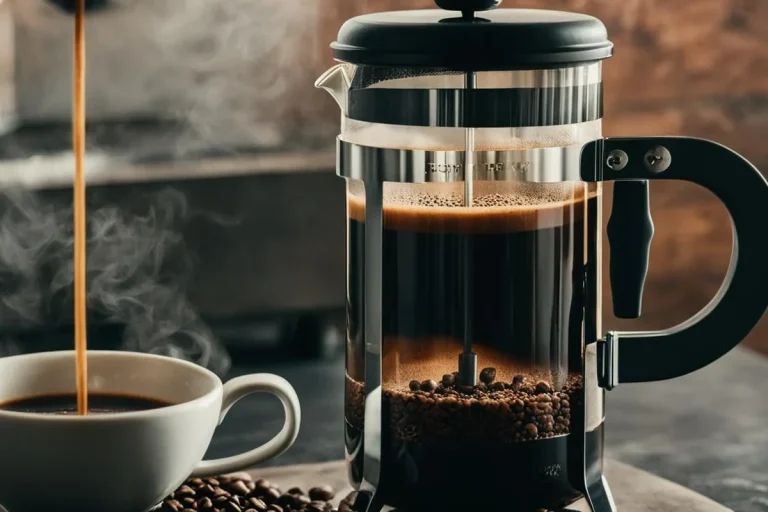
Who Makes Cold Brew Coffee Best Brands to Know

The best cold brew coffee brand depends on your taste, budget, and how much convenience you want. Smooth blends work well for daily drinking, while concentrates and bottled drinks suit stronger flavor and faster prep.
Cold brew coffee is made by coffee brands, coffee shops, and ready-to-drink drink makers. The best brand for you depends on taste, strength, ingredients, and how much cleanup you want.
- Best overall: Choose smooth cold brew for easy daily drinking.
- Best value: Concentrates often stretch farther than ready-to-drink bottles.
- Best flavor: Bold blends suit drinkers who want a stronger cup.
- Best convenience: Bottled cold brew saves time and cleanup.
Who Makes Cold Brew Coffee Best Brands to Know
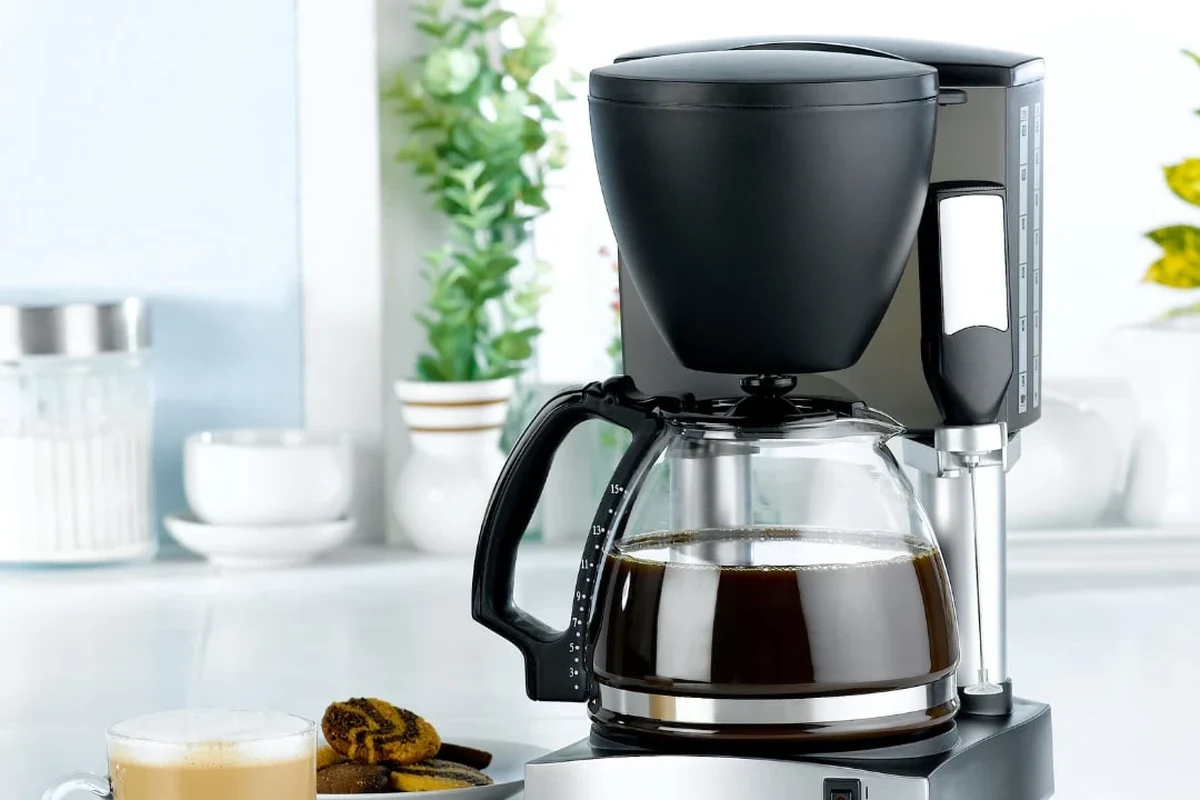
Cold brew coffee comes from a wide mix of makers. Some brands sell ground coffee for home brewing. Others sell bottled cold brew you can pour and drink right away.
If you want the short answer, the best brands are the ones that match your routine. For daily drinking, look for smooth blends. For stronger cups, choose brands with bold roast notes. For easy grab-and-go use, pick a bottled option with simple ingredients.
Quick answer: top brands and what each one does best
Quick brand guide for cold brew
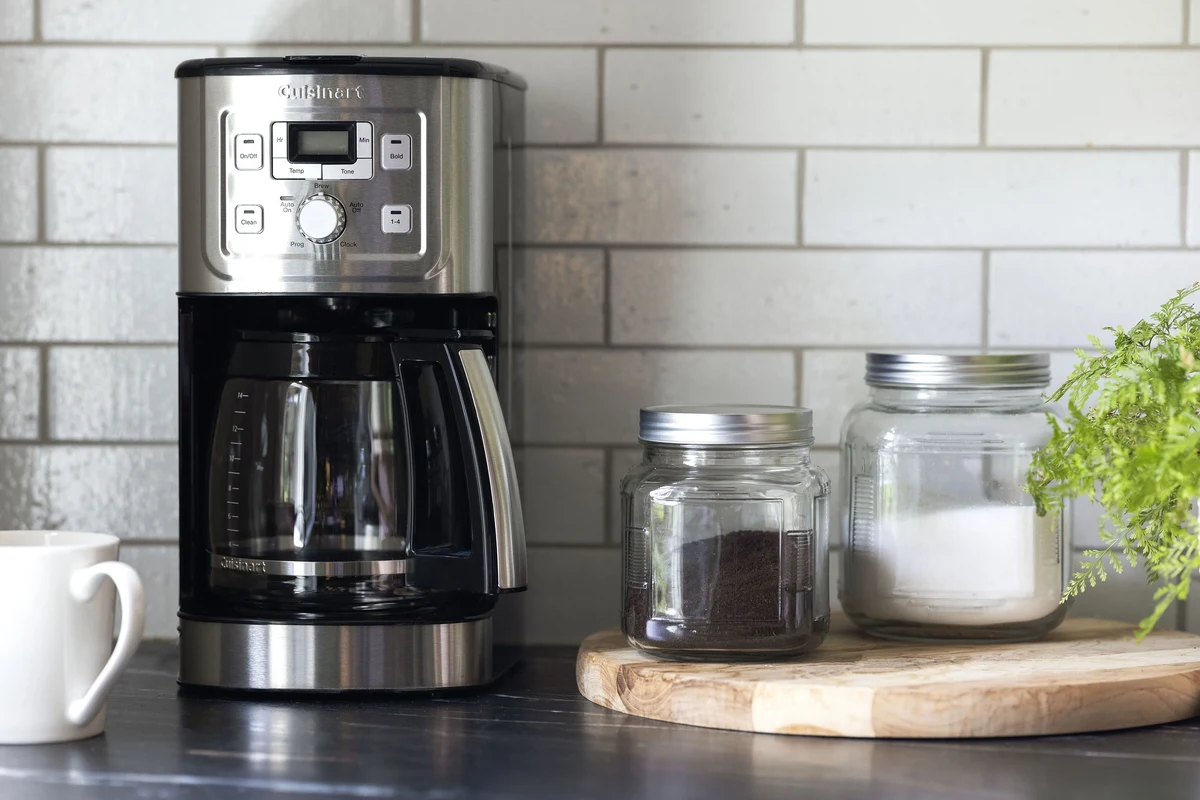
Different brands shine in different ways. The right pick depends on flavor, caffeine level, price, and convenience.
Here’s the simple breakdown. Smooth daily drinkers often prefer brands that focus on mellow taste. Strong coffee fans usually want a darker, richer profile. Budget shoppers do best with larger bottles or multi-use coffee packs. Organic buyers should check bean sourcing and ingredient lists. Ready-to-drink fans should look for shelf life and storage needs.
Best for people who want an easy, low-bitter cup.
Best for drinkers who like a deeper coffee taste.
Best for shoppers who want more servings for the money.
Best for busy mornings and low-effort prep.
What “best” means for cold brew coffee in 2026
In 2026, “best” does not mean the fanciest label. It means the brand gives you the right mix of taste, ease, and value.
For many shoppers, that means a coffee that tastes smooth, stores well, and fits the way they drink it. Some people want a concentrate. Others want a bottled drink. Some want beans or grounds for a home brewer.
Choose the format first, then compare flavor and value.
How Cold Brew Coffee Is Made
Cold brew is made by steeping coffee in cold or room-temperature water for a long time. The process pulls out flavor slowly. That usually gives you a smoother, less sharp drink than hot brewing.
The basic steeping method in simple terms
Most cold brew starts with ground coffee and water. The coffee sits in the water for many hours, then the liquid gets filtered out.
That sounds simple, and it is. But the details matter a lot. The grind, ratio, and time all shape the final cup.
Use a brewer, jar, or pitcher made for steeping.
Keep it in the fridge or at room temperature, based on the method.
Strain the grounds, then dilute if the brew is too strong.
Why brew time, grind size, and water ratio matter
These three details control taste. A coarse grind usually works best because it filters better and tastes cleaner. A fine grind can make the brew muddy and hard to strain.
Brew time also matters. Too short, and the coffee can taste weak. Too long, and it may taste flat or overly bitter. The water ratio decides whether you get a light drink or a strong concentrate.
Cold brew often tastes less acidic than hot-brewed coffee, but taste still depends on the beans and recipe.
Best Cold Brew Coffee Brands to Know
Because “best” depends on use, it helps to group brands by purpose. That makes shopping easier and keeps the choice more practical.
Best for smooth taste and daily drinking
Look for brands that focus on balanced, medium-roast, or smooth cold brew blends. These are usually the easiest to drink black or with a splash of milk.
Daily drinkers often want low bitterness and a clean finish. If that sounds like you, choose a brand that highlights smoothness instead of extra-bold flavor.
Smooth cold brew blends
These are a good fit for people who want an easy cup with less bite. The main trade-off is that very mild blends may feel too soft for strong coffee fans.
- Easy to drink every day
- Often smooth and low bitterness
- Works well with milk or ice
- May taste too mild for some people
- Can cost more than home brewing
- Flavor varies a lot by brand
Best for strong flavor and high caffeine
Strong cold brew brands usually sell concentrate or bold roast blends. These give you a deeper coffee taste and more control over strength.
If you like a powerful morning cup, this is the lane to watch. Just remember that stronger does not always mean better. It only means stronger.
Cold brew concentrate can be very strong. Follow the label or recipe before drinking it straight.
Best for budget shoppers and value seekers
Value matters when you drink cold brew often. Some brands sell larger bottles or concentrate that stretches into several servings.
For budget-minded shoppers, compare the bottle size, serving count, and how much you need to dilute it. A lower sticker price does not always mean better value.
Compare serving count, bottle size, and dilution needs
Best for organic or specialty coffee fans
Organic and specialty buyers often care about bean origin, roast style, and ingredient lists. These brands may cost more, but they can offer more detail and traceable sourcing.
If that matters to you, read the label closely. Look for simple ingredients and clear coffee sourcing. That helps you avoid surprise sweeteners or extra flavors.
Organic claims, sourcing notes, and certifications can vary by brand and region. Check the package or brand site before you buy.
Best for ready-to-drink convenience
Ready-to-drink cold brew is the easiest option. You open the bottle, pour, and go.
This format works well for busy mornings, office fridges, and travel coolers. The trade-off is that it can cost more per cup than making cold brew at home.
You save time and skip cleanup from grounds.
Most bottles need fridge space after opening.
How to Choose the Right Cold Brew Brand
The best brand for your kitchen depends on how you drink coffee. Start with taste, then check ingredients, price, and storage.
Taste, strength, and roast level
Smooth, medium-roast cold brew usually works for most people. Darker roasts bring more bold notes. Lighter blends may taste brighter and less heavy.
If you add milk, cream, or sweetener, a bolder brew can stand up better. If you drink it black, a smoother blend may feel nicer.
Ingredients, freshness, and bean quality
Simple ingredient lists are usually easier to trust. For bottled cold brew, many shoppers prefer coffee and water only.
Freshness matters too. Check the date when you can. For bagged coffee, look for roast date or packaging details. For bottled drinks, check the best-by date and storage instructions.
Price per serving and bottle size
Price per serving matters more than the shelf tag. A larger bottle may save money if you use it fast enough.
Concentrate can also stretch farther than ready-to-drink bottles. But only if you like the taste after dilution. If not, the savings may not be worth it.
Packaging, shelf life, and storage needs
Some cold brew products stay stable unopened on a shelf. Others need refrigeration right away. That depends on the brand and process.
After opening, most cold brew needs cold storage. Use a clean, closed container. If the drink smells off or looks strange, throw it out.
- Check whether it is concentrate or ready to drink
- Read the ingredient list for added sugar or flavor
- Confirm storage rules before and after opening
- Compare servings, not just bottle size
Benefits and Limits of Store-Bought Cold Brew
Store-bought cold brew is popular for a reason. It saves time and gives you a predictable result. Still, it is not perfect for every home.
Why many people like it
The biggest win is convenience. You skip the steeping, filtering, and cleanup.
It also helps when you want a consistent taste. If you find a brand you like, you can keep buying the same one.
- Fast and easy to serve
- No brewing gear needed
- Good for busy mornings
Where it can fall short
Some bottled cold brew can taste too sweet, too weak, or too strong. That depends on the brand and the format.
It can also cost more over time. If you drink cold brew every day, the price adds up fast.
When making it at home makes more sense
Home brewing makes sense if you want more control. You can change the coffee, ratio, and steep time.
It also helps if you want to save money or avoid extra packaging. A simple jar or brewer can handle the job well.
- Start with a coarse grind for cleaner filtering.
- Keep notes on the ratio you like best.
- Dilute concentrate slowly so you do not overdo it.
Common Mistakes People Make with Cold Brew
Cold brew is easy, but a few small mistakes can ruin the cup. The good news is that most fixes are simple.
Using the wrong grind or ratio
A fine grind can make the brew gritty and hard to strain. A weak ratio can leave the drink thin and flat.
Start with coarse grounds and a recipe from the brewer or coffee bag. Then adjust from there.
The cold brew tastes muddy or hard to filter.
Use a coarser grind and a filter made for fine coffee grounds.
Confusing cold brew with iced coffee
Cold brew and iced coffee are not the same. Iced coffee starts hot and gets cooled. Cold brew steeps without heat.
That difference changes the taste. Cold brew usually tastes smoother. Iced coffee can taste brighter and more sharp.
Letting it sit too long or too short
Steep time changes everything. Too short can taste weak. Too long can taste dull or overly strong.
Use the brand’s guide if it gives one. If not, test small batches until you find the sweet spot.
Storing it the wrong way
Dirty jars, open containers, and warm storage can hurt quality fast. They can also raise food safety concerns.
Keep cold brew covered and chilled when the recipe or label calls for it. If in doubt, follow the manufacturer’s storage directions.
Safety, Cleaning, and Storage Tips
Cold brew is simple, but safe handling still matters. Clean gear and cold storage help keep the drink fresh and pleasant.
How long cold brew lasts in the fridge
Storage time depends on the product and recipe. Bottled drinks, concentrates, and homemade batches can all have different limits.
Check the label for store-bought drinks. For homemade cold brew, use it fairly soon and keep it refrigerated.
Follow the product label and the brewer manual. Stop using any container that is cracked, warped, or hard to clean.
How to clean brewers, filters, and jars
Rinse used grounds right away so they do not stick. Wash jars, lids, and filters with warm soapy water.
If your brewer has small parts, check the manual for safe cleaning. Some parts may be dishwasher safe, but not all of them are.
Dump grounds, rinse parts, and wash with mild soap.
Check seals, filters, and lids for wear or buildup.
Signs your cold brew has gone bad
Trust your senses. A sour smell, strange taste, mold, or slimy film are all bad signs.
If anything seems off, throw it out. That is the safest move.
Final Verdict: Which Cold Brew Coffee Brand Is Best for You
The best cold brew brand depends on how you drink it. There is no single winner for every kitchen.
Best overall pick by use case
For most people, a smooth, ready-to-drink cold brew or a balanced concentrate is the safest bet. It gives you good flavor without much effort.
Best value pick by budget
If value matters most, choose a concentrate or a larger bottle with clear serving counts. That usually gives you the best cost per cup.
Best pick for flavor-first drinkers
If taste comes first, look for brands with clean ingredients and a roast level you enjoy. Smooth daily blends work well for many homes, while bold concentrates suit stronger coffee fans.
Choose smooth blends for daily drinking, bold concentrates for stronger flavor, and ready-to-drink bottles for pure convenience. If you want the best long-term value, compare serving count, storage needs, and ingredient quality before you buy.
In short, the best cold brew coffee brand is the one that fits your taste and routine. If you want the easiest path, start with a smooth bottled option. If you want more control and better value, make it at home or buy a concentrate.
Frequently Asked Questions
Both can be great. Brands win on convenience, while home brewing gives you more control over taste, strength, and cost.
Check whether it is concentrate or ready to drink, plus the ingredient list, serving count, and storage rules. Those details matter more than the label design.
Add more water, milk, or ice, or choose a smoother brand next time. If you brew at home, use a lower coffee-to-water ratio.
A coarse grind usually gives cleaner flavor and easier filtering. A fine grind can make the brew muddy and harder to strain.
It depends on the brand or recipe, so check the label for bottled products. Homemade cold brew should stay refrigerated and used fairly soon.
It depends on what you like. Cold brew is usually smoother, while iced coffee can taste brighter and more sharp.