What Coffee to Use in Cold Brew Maker for Best Flavor

Use fresh, coarse-ground medium roast coffee for the most balanced cold brew. Dark roast works best for bold flavor, while light roast suits brighter cups.
If you’re wondering what coffee to use in a cold brew maker, start with a coarse-ground medium roast. It gives you a smooth cup, steady flavor, and fewer bitter notes than fine or very dark coffee.
- Best all-around choice: Fresh medium roast with a coarse grind.
- Best bold option: Dark roast for a deeper, stronger cup.
- Best for clarity: Avoid fine grounds and stale beans.
- Best flavor control: Buy whole beans and grind before brewing.
What Coffee to Use in a Cold Brew Maker: The Short Answer
The best coffee for cold brew is usually a coarse grind with a medium or medium-dark roast. That mix gives you good balance, clean flavor, and a cup that doesn’t turn harsh.
In short, the grind size matters more than the roast trend. A great bean can still taste muddy if it’s ground too fine.
Best coffee types for smooth, rich cold brew
For most home brewers, medium roast coffee is the safest first pick. It usually brings cocoa, caramel, nut, and mild fruit notes without too much bite.
Dark roast can work well if you want a bolder cup. Light roast can also shine, but it often tastes sharper and more acidic in cold brew.
Why grind size matters more than roast hype
Cold brew steeps for hours, so water pulls flavor slowly. Fine grounds can over-extract and leave you with sludge or a bitter finish.
Coarse grounds help water move through the coffee more evenly. That usually gives you a cleaner cup and easier filtering.
Quick pick guide for beginners
Medium roast, coarse ground, for balanced flavor and easy brewing.
Dark roast, coarse ground, for a stronger and lower-acid cup.
If you want one simple rule, buy whole beans you like and grind them coarse before brewing. That gives you the most control over taste.
How Cold Brew Makers Work and Why Coffee Choice Matters
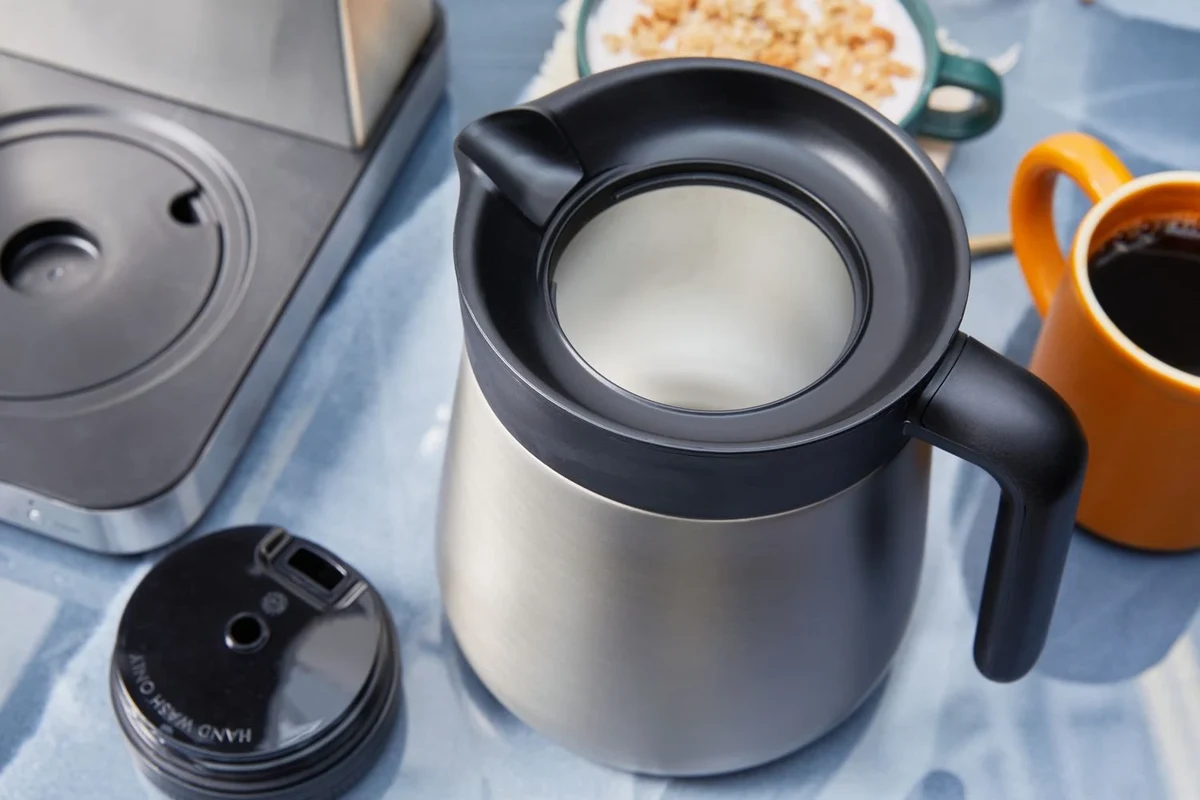
Cold brew makers steep coffee in cool or room-temperature water for a long time. Some use a jar and filter, while others use a basket, tower, or built-in mesh system.
The brewer design changes cleanup and flow. But the coffee you choose still drives most of the taste.
What changes during a long steep
Cold water pulls flavors in a slower, gentler way than hot water. That often means less sharp acidity and less harsh bitterness.
But long steeping also pulls more body and more dissolved flavor. If the coffee is stale or too fine, those traits can turn flat or muddy.
How flavor, body, and strength shift in cold water
Cold brew often tastes smoother than hot coffee. It can feel heavier on the tongue, too, especially when you make a concentrate.
Strength depends on ratio, steep time, and grind. The bean still matters, but it works together with those other factors.
Cold brew often tastes less acidic than hot brewed coffee, but acidity still varies by bean and roast.
Why some beans taste flat while others shine
Beans with clear chocolate, nut, or caramel notes often do well in cold brew. Their flavors stay easy to taste even after a long steep.
Very delicate beans can lose some sparkle in cold water. That does not mean they are bad. It just means they may taste better in a different brew style.
Best Coffee Beans for Cold Brew
There’s no single perfect bean for every brewer. Still, some roast levels and bean styles are easier to love in cold brew than others.
Medium roast coffee for balanced flavor
Medium roast is the all-around winner for many cold brew drinkers. It gives you sweetness, body, and a round taste without going too dark.
This is a smart pick if you like coffee black or with a little milk. It also works well for people who are new to cold brew.
Dark roast coffee for bold, low-acid cups
Dark roast gives cold brew a deeper, bolder profile. You may taste cocoa, toasted nuts, smoke, or a roasty finish.
It can be a good fit if you want a strong cup that stands up to ice, milk, or sweetener. Just know that very dark beans can taste flat if they are old.
Light roast coffee for bright and fruity notes
Light roast can make cold brew taste lively and layered. You may get berry, citrus, or floral notes that hot brewing can also show.
That said, light roast cold brew is more likely to taste thin if the recipe is weak. It often needs fresh beans and a careful ratio.
Single-origin beans vs blends
Single-origin coffee can highlight one region’s flavor style. That can be fun if you want to taste fruit, spice, or chocolate notes more clearly.
Blends often give a more stable, crowd-pleasing cup. They can be a better choice if you want a smooth daily brew with fewer surprises.
Flavor can change a lot by farm, region, and roast style. Two medium roasts can taste very different.
Grind Size, Freshness, and Roast Level: The Specs That Matter
When people ask what coffee to use in cold brew maker setups, they often focus on roast first. But grind size and freshness matter just as much.
Coarse grind for the cleanest brew
Use a coarse grind, like rough breadcrumbs or sea salt. That helps the coffee steep evenly and filter more cleanly.
Fine grounds can slip through mesh filters and leave grit in the cup. They can also make the brew taste overdone.
Why fresh beans usually taste better
Fresh beans often taste brighter and more complete. Coffee starts losing aroma soon after roasting, and ground coffee loses it even faster.
Whole beans usually give you the best control. Grind only what you need when you’re ready to brew.
How roast date affects taste and value
A roast date helps you judge freshness better than a vague “best by” date. That matters because old coffee can taste dull in cold brew.
For value, fresh beans can save you from wasting a batch. A cheaper bag that tastes stale may cost more in the end.
Choose coarse grind first, then match the roast to your taste.
How to Choose Coffee for Your Cold Brew Maker
The best choice depends on how you drink cold brew. Think about sweetness, strength, budget, and whether you like milk or flavor add-ins.
Best choice for sweet, smooth cold brew
Pick a medium roast with chocolate or caramel notes. It usually gives a smooth cup that feels easy to drink black.
If you want less bite, avoid very dark beans with heavy smoke notes. Those can taste too blunt in some brewers.
Best choice for strong concentrate
Choose a dark or medium-dark roast if you plan to make concentrate. These coffees often hold up better after dilution with water, ice, or milk.
Be careful with very dark roasts if you dislike roast-heavy flavor. Strong does not always mean better.
Best choice for budget buyers
Look for a fresh, decent-quality blend rather than chasing a fancy label. A solid blend can taste better than an old single-origin bag.
Buy whole beans if you can. They stay fresh longer and give you more control over grind size.
Best choice for flavored or specialty drinks
If you add milk, syrup, vanilla, or cream, a medium-dark roast often works well. It keeps enough flavor to show through the mix.
For dessert-style drinks, a darker roast can add depth. For lighter drinks, a medium roast keeps things cleaner.
Match the Bean to the Drink You Want
Cold brew is flexible. Your best coffee depends on whether you want smooth, bold, bright, or budget-friendly flavor.
Common Mistakes People Make When Picking Coffee for Cold Brew
Cold brew seems simple, but a few easy mistakes can ruin the cup. The good news is that most of them are easy to fix.
Using espresso grind or fine grounds
Espresso grind is too fine for most cold brew makers. It can clog filters, make the brew cloudy, and add bitterness.
If your coffee tastes gritty or harsh, the grind is often the first thing to check.
Choosing stale beans
Stale beans often taste flat, woody, or papery. Cold brew does not hide that problem well.
Fresh coffee usually gives a cleaner, sweeter result. That matters even more if you drink your cold brew black.
Picking the wrong roast for your taste
Some people buy dark roast because they think it means stronger coffee. That is not always true.
Strength comes from ratio and steeping, not roast alone. Choose the roast you enjoy, then adjust the brew.
Overlooking water quality and brew time
Water affects taste more than many people expect. If your tap water tastes off, your cold brew may taste off too.
Brew time also matters. Too short can taste weak. Too long can taste dull or overly heavy.
Follow your cold brew maker manual for safe steep times, filter use, and food handling. Stop using cracked jars, damaged lids, or worn filters.
How to Brew Better Cold Brew and Keep It Safe
Good coffee helps, but a good method matters too. A simple ratio and clean equipment can make a big difference.
Simple ratio and steep time basics
Many home brewers start with a rough ratio around one part coffee to several parts water. Exact amounts vary by brewer and by whether you want concentrate or ready-to-drink coffee.
Steep time also varies. Many recipes fall somewhere around 12 to 24 hours, but your maker’s guide should lead the way.
- Start with a medium roast and adjust from there.
- Grind just before brewing when possible.
- Taste the first batch before changing too much.
- Dilute concentrate slowly so you don’t overdo it.
Food safety tips for long steeping
Use clean equipment and safe water. If your brewer sits out for hours, keep it in a safe spot away from heat and direct sun.
Some makers and recipes call for room temperature steeping. Others suggest refrigeration. Follow the manual and food-safety guidance for your setup.
Cleaning and maintenance for cold brew makers
Cold brew coffee can leave oily buildup on filters and jars. That residue can affect taste if you skip cleaning.
Wash removable parts after each use. Check seals, mesh filters, and lids for wear on a regular basis.
Rinse grounds out, wash removable parts, and dry everything fully.
Inspect filters, seals, and lids for buildup or damage.
Do not use a brewer with cracked glass, damaged cords, or loose parts. Replace worn parts only as the maker recommends.
Final Recommendation: The Best Coffee to Use in a Cold Brew Maker
If you want the safest answer, choose a fresh medium roast and grind it coarse. That gives you the best mix of smooth flavor, easy brewing, and broad appeal.
If you like a bolder cup, move to a dark roast. If you want brighter notes, try a light roast, but keep the beans fresh and the brew balanced.
Best all-around pick
Medium roast, whole bean, coarse ground is the best all-around choice for most people. It works well in many cold brew makers and suits black coffee or milk drinks.
Best pick for bold flavor
Dark roast is the best pick if you want a deeper, stronger taste. It can make a rich concentrate, especially when you dilute it carefully.
Best pick for smooth daily drinking
A medium roast blend is often the easiest daily choice. It usually gives a smooth, steady cup without much bitterness.
Best value pick for home brewers
A fresh, well-made blend with a roast date is usually the best value. You do not need the most expensive bag to make good cold brew.
For most home brewers, the best coffee to use in a cold brew maker is fresh, coarse-ground medium roast. Choose dark roast for a bolder cup, or light roast if you want brighter flavor and don’t mind a sharper edge.
Frequently Asked Questions
A coarse grind works best for most cold brew makers. It helps the coffee steep evenly and keeps grit out of the cup.
Medium roast is the easiest all-around choice. Dark roast gives a bolder cup, while light roast can taste brighter and more acidic.
Fresh coffee usually tastes better, especially when you drink cold brew black. Whole beans with a roast date are a smart pick.
Start with your maker’s guide, since ratios vary by model and whether you want concentrate. Many home brewers use a stronger coffee-to-water mix for concentrate.
Fine grounds, stale beans, or an overly long steep can cause bitter or muddy flavor. Try a coarser grind, fresher coffee, and a shorter brew time.
Wash removable parts after each use and check the manual for care steps. Stop using cracked, worn, or damaged parts and replace them as directed by the maker.