What Is the Best Cold Brew Coffee Maker for Home Use

The best cold brew coffee maker for most homes is a simple immersion pitcher with a strong filter and easy cleanup. Pick the size that fits your fridge and how much coffee you drink each week.
If you want the best cold brew coffee maker for home use, choose one that fits your fridge, your batch size, and your cleaning habits. For most homes, the best pick is a simple immersion brewer with a strong filter and an easy-pour lid.
- Best overall: Simple immersion brewers suit most home kitchens.
- Key feature: A strong filter keeps grit out of the cup.
- Best fit: Choose capacity based on your weekly coffee use.
- Cleanup matters: Easy-to-wash parts help you use it more often.
What Is the Best Cold Brew Coffee Maker for Home Use?
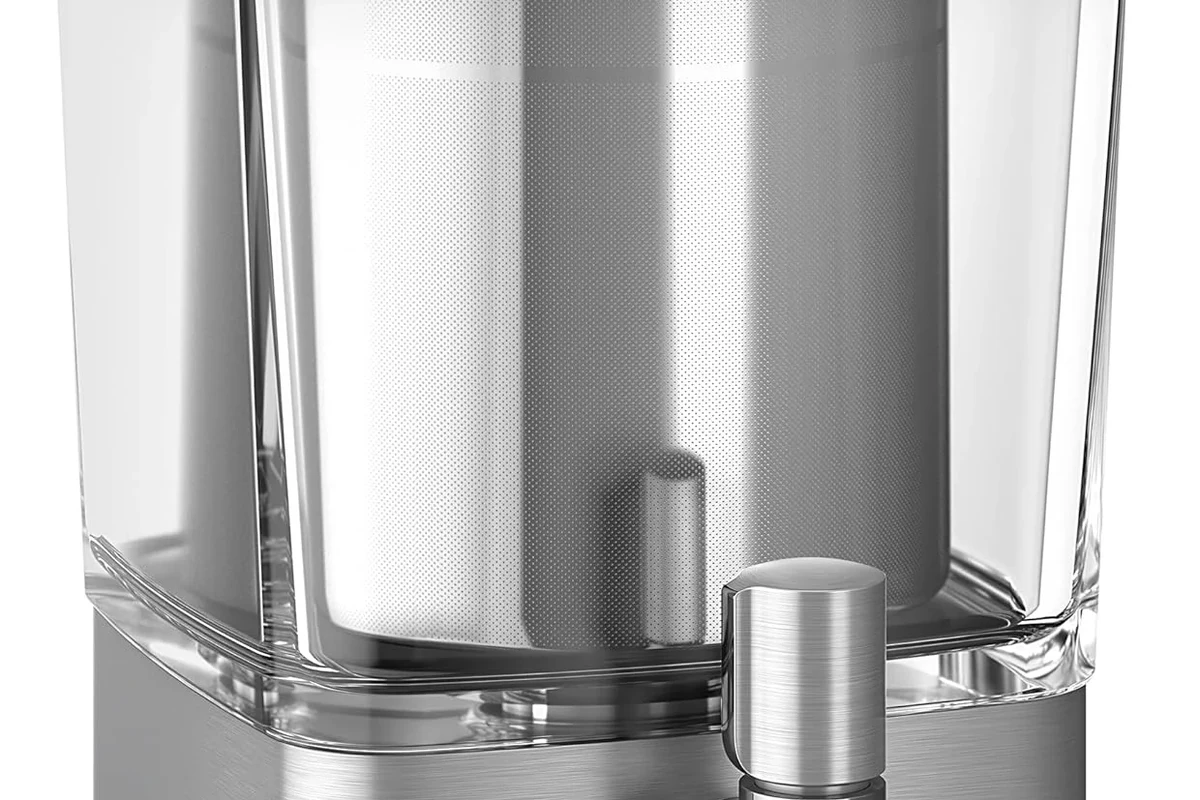
The best cold brew coffee maker is the one that makes smooth coffee without extra fuss. It should fit your space, handle your usual batch size, and clean up fast.
For most people, that means a brewer with a tight filter, a sturdy pitcher, and parts you can rinse in minutes. If you make cold brew often, ease of use matters more than fancy extras.
Quick answer for most home brewers
A good immersion-style cold brew maker is the safest bet for most homes. It gives you smooth coffee, simple steps, and fewer parts to manage.
If you want one clear answer, look for a model with a fine mesh filter, a leak-resistant lid, and a shape that fits your fridge door or shelf.
What “best” means for cold brew at home
“Best” does not always mean the biggest or the most expensive. It means the brewer that makes good coffee with the least hassle in your kitchen.
Think about taste, cleanup, storage, and how often you will use it. A great brewer for a large family may feel clumsy in a small apartment.
- Capacity and dimensions
- Controls, cleaning, warranty, and safety
How Cold Brew Coffee Makers Work
Cold brew makers soak coffee grounds in cool or room-temperature water for many hours. The slow soak pulls out coffee flavor without the sharp bite you get from hot brewing.
Most home brewers use a simple pitcher, jar, or basket system. You add grounds, add water, wait, then strain or pour.
Steep-and-strain design
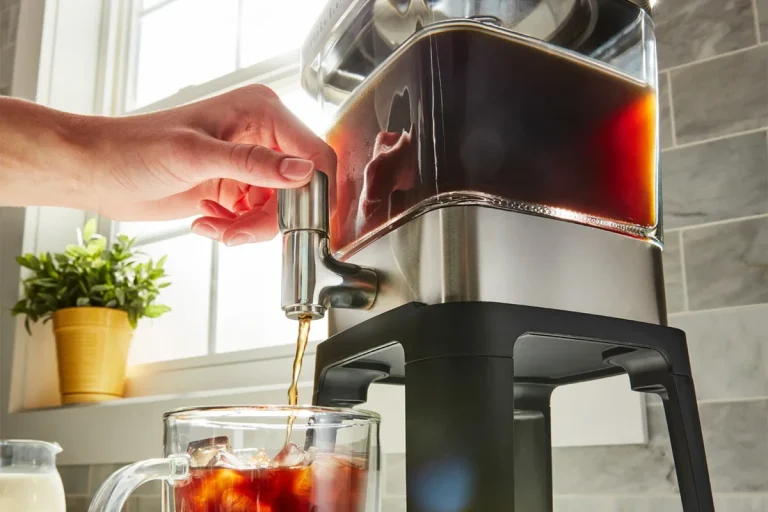
Most cold brew makers use a steep-and-strain setup. The grounds sit in water, and a filter holds them back when you pour.
This design works well because it keeps the process simple. It also makes cleanup easier than loose grounds in a plain jar.
Immersion vs. drip cold brew methods
Immersion cold brew soaks grounds in water for hours. It is the most common home method and the easiest for beginners.
Drip cold brew sends water through grounds more slowly. It can taste clean and bright, but it often needs more setup and more care.
Results vary by model, grind size, water, and steep time. The same brewer can taste different from one kitchen to another.
Why brew time matters
Brew time changes flavor, strength, and bitterness. Too short, and the coffee can taste weak.
Too long, and some brews can taste flat or harsh. Most home recipes fall in a long soak range, but the right time depends on the brewer and the grind.
What to Look for Before You Buy
Before you buy, focus on the parts that affect daily use. That includes size, filter quality, cleanup, and storage fit.
These details matter more than flashy claims on the box.
Capacity and batch size
Choose a brewer that matches how much coffee you drink in a few days. A small brewer suits one or two people.
A larger pitcher works better for families or heavy coffee drinkers. Just remember that bigger brewers need more fridge room.
Filter quality and grind control
A good filter keeps grit out of your cup. Fine mesh, strong baskets, and secure lids all help.
Grind size matters too. A coarse grind usually works best for cold brew and helps reduce sludge.
Cold brew often tastes less acidic than hot coffee because the brew process changes what gets pulled from the grounds.
Ease of cleaning and daily use
Cleaning should be simple. If a brewer has too many small parts, you may stop using it often.
Look for parts that rinse clean, lids that open wide, and filters that do not trap grounds in hard-to-reach spots.
Glass, plastic, or stainless steel
Glass can feel clean and neutral, but it can break if dropped. Plastic is lighter and often easier to carry.
Stainless steel can feel sturdy and may help with temperature control. The best choice depends on your kitchen habits and how careful you want to be.
Storage space and fridge fit
Measure your fridge shelf or door before you buy. Some brewers look compact online but feel bulky at home.
Also check the lid shape and handle size. A brewer that fits on paper may still be awkward in a crowded fridge.
Best Cold Brew Coffee Maker Types for Different Needs
Different homes need different brewers. The best one for you depends on how you drink coffee and how much room you have.
Best for beginners
Beginners usually do best with a simple immersion pitcher. It keeps the steps clear and lowers the chance of mess.
Look for clear markings, a tight lid, and a filter that is easy to remove.
Best for small kitchens
Small kitchens need a brewer that stores easily. A slim pitcher or compact jar-style brewer often works best.
Choose a model with a small footprint and parts that nest well in a cabinet or fridge shelf.
Compact Brewers for Tight Spaces
When counter and fridge space run short, shape matters as much as brew quality.
Best for large batches
Large batches suit families, office kitchens, and people who drink cold brew all week. A bigger pitcher saves time because you brew less often.
Just make sure the filter is strong enough for a larger load of grounds.
Best for travel or office use
For travel or office use, pick a brewer with a secure lid and simple parts. You want something that packs well and does not leak easily.
Smaller, lighter models are usually easier to carry and store.
Best for coffee fans who want stronger concentrate
If you like strong concentrate, look for a brewer that handles a higher coffee load. Some models work better with a thicker mix and a longer steep.
That said, strong concentrate still needs proper dilution for most drinks.
Best for limited counter space.
Best for larger batches.
Top Benefits and Limits of Cold Brew Makers
Cold brew makers can make home coffee easier and smoother. But they also have a few trade-offs.
Why cold brew tastes smoother
Cold brew usually tastes smoother because the coffee steeps slowly in cool water. That slow process often pulls fewer sharp notes.
Many people also find it easier to drink black. That makes it a nice choice if you want less bitterness.
When cold brew makers save money
A home brewer can save money if you buy cold brew often. Brewing at home usually costs less than buying ready-made bottles or café drinks.
The savings grow if you already buy ground coffee in larger bags and use the brewer often.
Common limits to keep in mind
Cold brew takes time. You cannot make it in a few minutes like drip coffee.
Some brewers also need more fridge space than expected. And if the filter is weak, you may get sediment in the cup.
- Smooth, low-bite coffee
- Simple home brewing process
- Good for make-ahead use
- Long steep time
- Needs fridge space
- Cleanup can be annoying on some models
How to Make Better Cold Brew at Home
Good cold brew starts with a simple recipe and a careful setup. Small changes in grind and ratio can make a big difference.
Best coffee-to-water ratio
A common home ratio uses more coffee than regular drip brewing. That helps create a rich concentrate or a full-flavor brew.
Start with the ratio your brewer manual suggests. Then adjust it to taste after one or two batches.
Ideal grind size
Use a coarse grind for most cold brew makers. Fine grounds can slip through filters and make the drink muddy.
If your brew tastes weak, do not jump straight to a finer grind. Try a longer steep or a slightly higher coffee amount first.
Steep time and water temperature
Most cold brew makers work with cold or room-temperature water. That is part of what makes the drink smooth.
Steep time can vary by model and recipe. Follow the manual first, then adjust for taste and strength.
- Use fresh coffee for better flavor.
- Label the brew date on the pitcher.
- Rinse the filter right after pouring.
Serving ideas and dilution tips
Cold brew concentrate often needs dilution. You can mix it with water, milk, or a milk alternative.
Try it over ice first. Then adjust the strength until it tastes right to you.
Common Mistakes, Safety Tips, and Cleaning
Most cold brew problems come from small, avoidable mistakes. The good news is that they are easy to fix.
Oversteeping and weak flavor problems
Oversteeping can make some brews taste dull or too strong. Weak flavor often comes from too little coffee or too short a steep.
If the brew tastes off, change one thing at a time. That makes it easier to find the cause.
The coffee tastes watery or too bitter.
Adjust the ratio first, then change steep time in small steps.
Sanitizing parts and avoiding stale coffee
Wash and dry all parts after use. Old coffee oils can make the next batch taste stale.
Let the brewer dry fully before storage. That helps limit odors and buildup.
Use the manual for cleaning steps. Do not soak electrical bases or put non-washable parts in water.
Cleaning filters, lids, and pitchers
Rinse the filter right away so grounds do not stick. A soft brush can help with tight corners.
For deeper cleaning, follow the maker’s care guide. Some parts may be dishwasher-safe, but not all models are the same.
Empty grounds, rinse parts, and let them dry fully.
Check seals, lids, and filters for wear or buildup.
Final Verdict: Which Cold Brew Coffee Maker Is Best for Home Use?
The best cold brew coffee maker for home use is usually a simple immersion model with a strong filter and easy cleanup. That setup gives most people the best mix of taste, ease, and value.
If you make cold brew often, choose a model that fits your fridge and does not make cleanup a chore. If you only brew now and then, a smaller, budget-friendly pitcher may be enough.
Best overall choice for most homes
A mid-size immersion brewer is the best overall choice for most households. It is easy to learn, easy to store, and flexible enough for everyday use.
Best value pick for budget shoppers
The best value option is a basic brewer with a good filter and a simple lid. You do not need lots of extras to make solid cold brew at home.
Best premium option for frequent brewers
Frequent brewers may prefer a sturdier model with better materials and a more secure seal. That can make daily use smoother and reduce mess.
Final recommendation from Red Kitchen Project Editorial Team
For most readers, we recommend a compact or mid-size immersion cold brew maker with a fine filter, a tight lid, and easy cleaning. That gives you the best chance of making smooth coffee without extra hassle.
If you want a bigger batch or a stronger concentrate, move up in size. If your kitchen is tight, choose the smallest model that still meets your weekly needs.
Most homes should choose a simple immersion brewer with a strong filter and easy cleanup. Bigger or pricier models only make sense if you brew often or need larger batches.
Frequently Asked Questions
A simple immersion pitcher is usually best for beginners. It has fewer steps and is easier to clean.
Start with the ratio in your brewer manual, then adjust to taste. Many home brewers use a stronger coffee-to-water mix than drip coffee.
A coarse grind usually works best. It helps reduce sludge and keeps the brew from tasting muddy.
Steep time varies by brewer and recipe. Follow the manual first, then adjust in small steps based on taste.
Rinse parts right after use and let them dry fully. Follow the maker’s care guide for dishwasher-safe parts and deeper cleaning.
Check capacity, fridge fit, filter quality, and cleanup ease. Also review the manual, warranty, and safety instructions for the exact model.