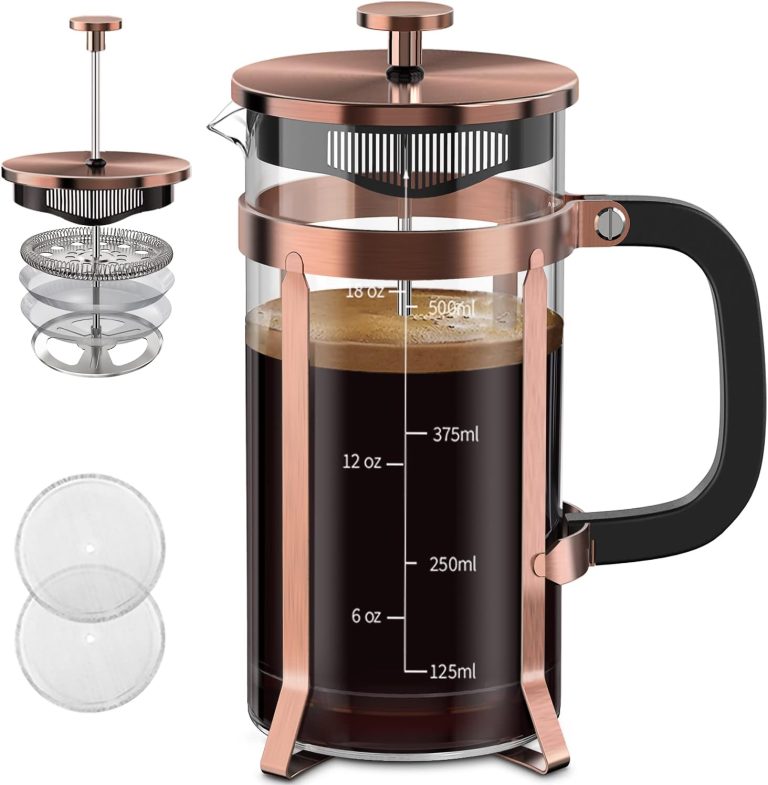
French Press Coffee Brewing Tips for Richer Flavor

French press coffee tastes richer when you use coarse grounds, hot water, and a steady four-minute steep. Clean the press often and pour right away for the best flavor.
If you want richer coffee at home, French press brewing is a great place to start. The best results come from coarse grounds, hot water, and a steady steep time. Small changes make a big difference.
- Coarse grind: Helps reduce grit and bitter over-extraction.
- Steep time: About four minutes is a strong starting point.
- Fresh cleaning: Old oils can make coffee taste stale fast.
- Water quality: Clean water can improve taste more than you expect.
- Model choice: Pick a size and material that fit your routine.
French Press Coffee Brewing Tips: The Fast Answer for Better Flavor
The short version is simple. Use fresh beans, grind them coarse, and keep the brew time around four minutes. Then press slowly and pour right away.
French press coffee often tastes fuller than drip coffee because it keeps more of the coffee oils. Those oils add body and a rounder taste. In short, French press gives you a bolder cup with very little gear.
Why French press coffee tastes richer than drip coffee
French press coffee stays in full contact with water during steeping. That immersion pulls out more flavor and more natural oils. It also leaves a heavier feel in the cup.
Drip coffee uses a paper filter in many machines. Paper can trap some oils and fine particles. French press lets more of them through, which is why the cup feels richer.
The core brewing formula: water, coffee, grind, and time
Good French press coffee depends on four things. You need the right water temperature, the right coffee amount, a coarse grind, and the right steep time.
If one part is off, the cup can taste bitter, thin, or muddy. The good news is that each part is easy to adjust.
How French Press Brewing Works
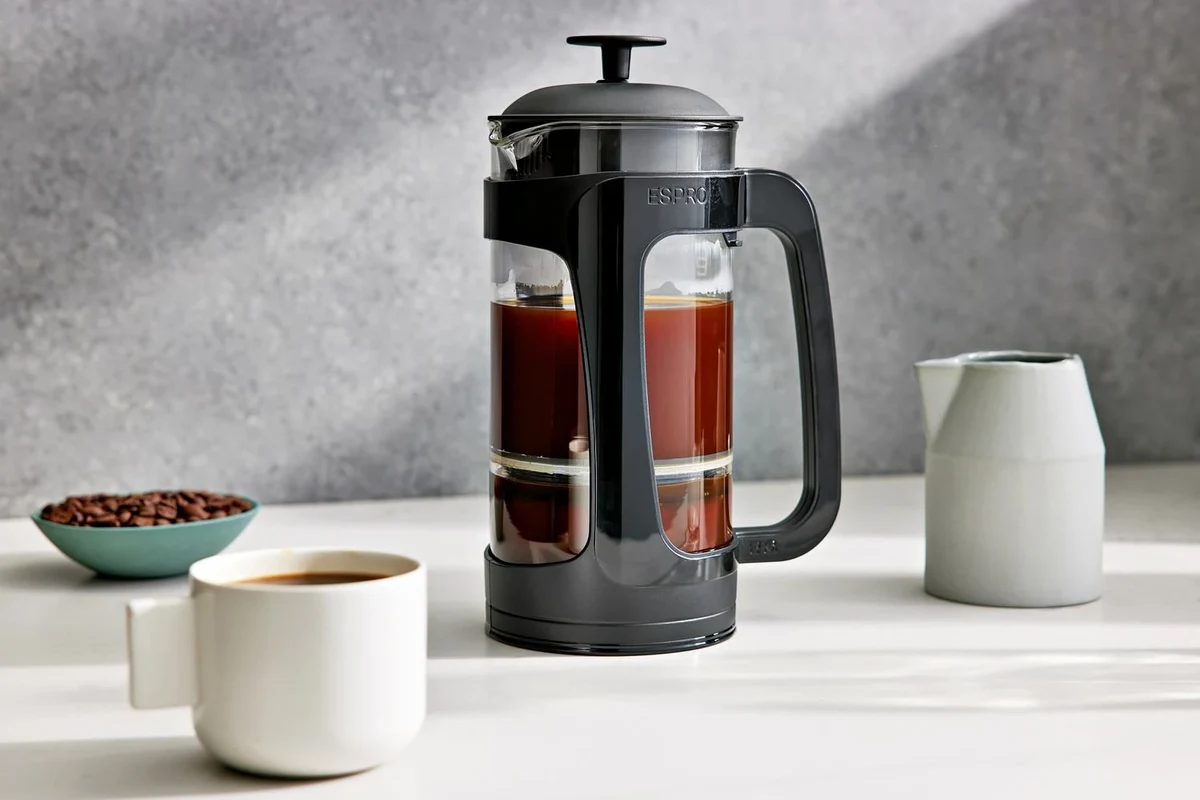
How French Press Brewing Builds Flavor
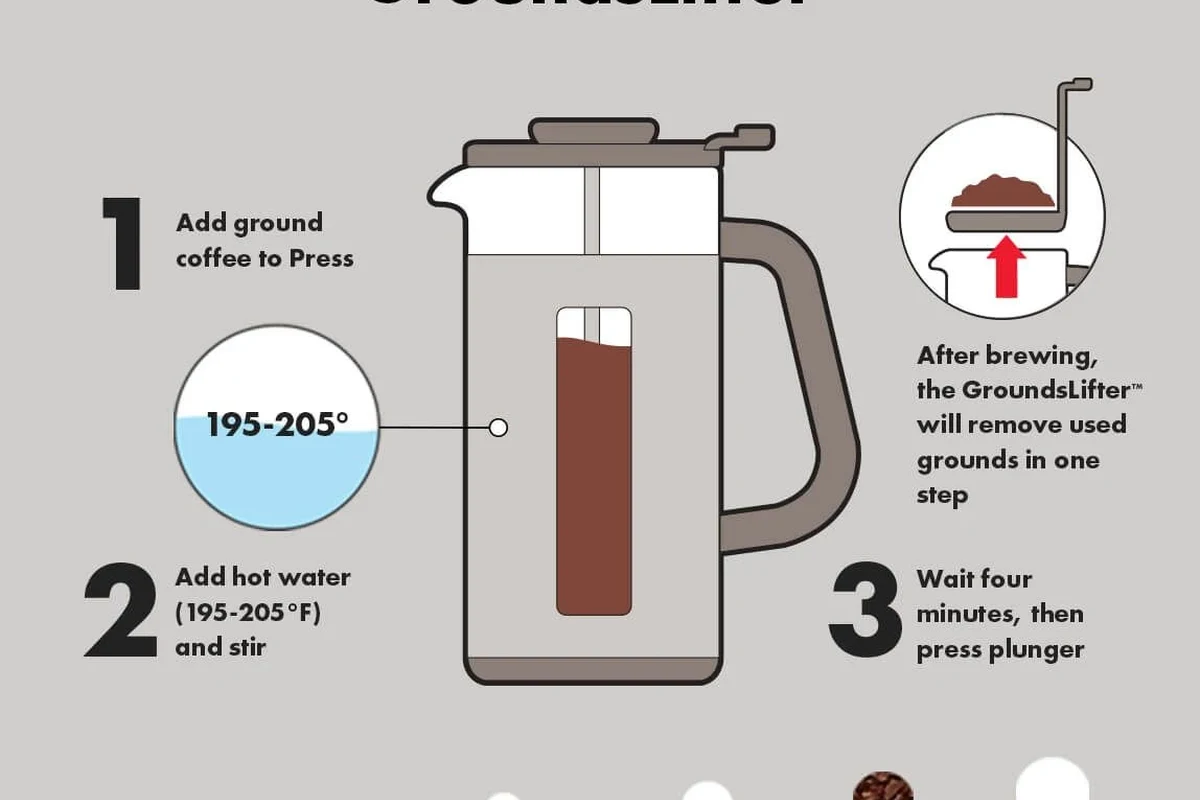
French press works by soaking coffee grounds in hot water, then separating them with a mesh filter.
Unlike a drip machine, a French press does not run water through the grounds fast. It lets the coffee steep. That slower process changes both taste and texture.
What happens during steeping and why it matters
During steeping, water pulls flavor from the grounds over time. Early on, the coffee releases bright notes. Later, it pulls heavier flavors too.
If you steep too long, the brew can turn harsh. If you steep too briefly, it may taste weak and flat. Timing matters more than many people think.
How immersion brewing affects taste, body, and oils
Immersion brewing keeps all the grounds in the water at once. That gives the coffee a full, strong taste. It also leaves more fine solids in the cup.
Those fine particles can add body. They can also make the drink seem gritty if the grind is too fine. That is why grind size is so important.
French press coffee usually tastes stronger than it is. The fuller body can make the cup seem more intense.
Choosing the Right Coffee, Grind, and Water
Great French press coffee starts before the water boils. Bean freshness, grind size, and water quality all shape the final cup.
If your brew tastes off, check these three first. They often explain the problem faster than the brewer itself.
Best coffee beans for French press flavor
Fresh beans usually taste better than old ones. Medium and dark roasts often work well because they bring out deep, rich notes. That said, lighter roasts can taste bright and clean.
Choose beans you already like drinking. French press does not hide bad coffee. It often makes both the good and bad parts more clear.
Why coarse grind size matters
A coarse grind helps water flow and keeps fine grit down. It also lowers the chance of over-extraction. That means less bitterness.
If the grind looks like sea salt, you are in the right range. If it looks like powder, it is too fine for most French presses. Fine grounds can slip through the filter and cloud the cup.
Water temperature and water quality tips
Hot water should be near boiling, but not violently boiling. A short wait after the boil often works well. Very hot water can pull harsh flavors too fast.
Clean water matters too. If your tap water tastes strange, your coffee may taste strange as well. Filtered water can help if your local water has strong odors or mineral taste.
Use care with hot water and hot glass or metal parts. Follow the brewer manual and keep the press on a stable surface.
Step-by-Step French Press Brewing Method
A simple method gives you a solid starting point. After that, you can tweak the ratio or time to fit your taste.
Recommended coffee-to-water ratio
A common starting point is about 1 gram of coffee for every 15 to 17 grams of water. Many home brewers use a scale for this. If you do not have one, keep your scoops consistent.
Stronger coffee needs more grounds or less water. Lighter coffee needs the opposite. Small changes can move the flavor a lot.
Use fresh grounds and level them in the press.
Wet all the grounds evenly, then fill to your target level.
Break up dry clumps without splashing.
Let the coffee sit before pressing.
Push the plunger down slowly and serve right away.
Blooming, stirring, and steeping time
Blooming means adding a little water first and letting the grounds swell. This helps release trapped gas from fresh coffee. It can improve even extraction.
A gentle stir after blooming helps the grounds wet evenly. Then let the coffee steep. Around four minutes is a strong place to start, but taste may lead you to adjust a little.
- Use a timer so each brew stays consistent.
- Try one change at a time so you can taste the difference.
- Preheat the press with hot water for a steadier brew.
Pressing and pouring without over-extracting
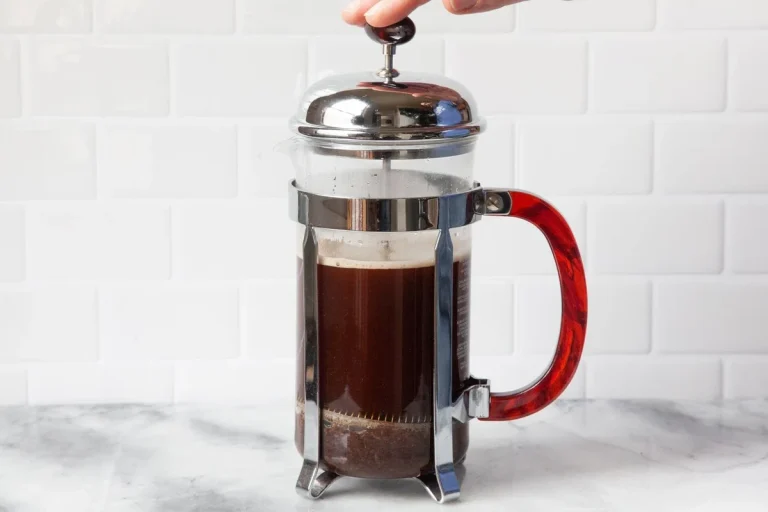
Press the plunger slowly and with steady pressure. Do not force it down. A slow press helps keep the grounds from churning up too much.
Once you press, pour the coffee into cups or a thermal server. If it sits in the press, it can keep extracting and turn bitter.
Common French Press Mistakes and How to Fix Them
Most French press problems come from a few common missteps. The fix is usually simple once you know what to look for.
Why bitter coffee happens
Bitter coffee often comes from water that is too hot, grounds that are too fine, or a brew that steeped too long. Old coffee can also taste flat and harsh.
Try cooler water, a coarser grind, or a shorter steep. If the coffee still tastes bitter, the beans themselves may be the issue.
Why weak or muddy coffee happens
Weak coffee usually means too little coffee, too much water, or a steep time that was too short. Muddy coffee often points to fine grounds or a worn filter.
If the cup tastes thin, increase the coffee dose first. If it tastes gritty, fix the grind or check the filter mesh.
The coffee tastes sour, weak, or dusty.
Use a coarser grind, fresh beans, and a steady four-minute steep.
How to avoid over-steeping and fine grounds
Set a timer and stick to it. That one habit solves many taste problems. It also makes each brew easier to repeat.
To cut down on fine grounds, use a burr grinder if you can. Blade grinders make uneven pieces, which often lead to more sediment.
- Use a coarse grind made for immersion brewing.
- Pour the coffee out soon after pressing.
- Clean the filter after each use.
- Letting coffee sit in the press for a long time.
- Using espresso-fine grounds.
- Forcing the plunger down hard.
Cleaning and Maintaining Your French Press
Clean gear makes better coffee. Old oils and trapped grounds can leave stale flavors behind. That is true for glass, stainless steel, and travel presses.
Daily cleaning steps after each brew
Empty the grounds right away after brewing. Rinse the carafe with warm water. Wash the plunger parts if the design allows it.
If you leave wet grounds in the press, they can stick and smell stale. A quick rinse after each use saves time later.
Deep cleaning the filter, plunger, and carafe
Check the mesh filter for trapped grounds and oil buildup. Some presses have parts that come apart for deeper cleaning. Others need a more careful rinse and soak.
Use the care steps in the manual for your model. That matters because designs vary. Never force parts apart if the maker does not show that step.
Rinse, wash, and dry the press parts fully.
Check the filter for buildup and lingering oils.
Do a deeper clean if your model and manual allow it.
How proper care improves taste and lifespan
Regular cleaning keeps old coffee oils from mixing into fresh brews. That helps the cup taste cleaner. It also helps the filter and plunger work as they should.
Good care can also extend the life of the brewer. That is especially true for glass models, which need gentle handling.
French Press Buying Guide for 2026
If you are shopping for a French press this year, focus on the features that affect daily use. The best choice depends on how much coffee you make and how often you clean it.
Glass, stainless steel, and travel-friendly options
Glass presses let you see the brew, and many people like the classic look. They can be more fragile, though.
Stainless steel models often keep heat better and feel tougher. Travel-friendly versions may add insulation or stronger lids, but the exact design varies by brand.
Best for one or two cups and tight counter space.
Best for larger batches and shared mornings.
What size, filter type, and build quality to look for
Size should match your usual coffee habit. A press that is too large can waste coffee. One that is too small can leave you short.
Look closely at the filter and plunger. A snug fit helps reduce grit. Also check the handle, lid, and carafe base for a solid feel.
- Choose a size that fits your daily coffee routine.
- Check how easy the filter and plunger are to clean.
- Read the manual for care steps and safety notes.
- Look for a build that feels stable and easy to pour.
Value, durability, and ease of use compared
Value is not just about price. It also includes cleaning ease, build quality, and how long the press may last with normal care.
If you want the simplest routine, pick a design with easy-rinse parts. If you want better heat hold, stainless steel may fit you better. Always compare the model details before buying.
Final Recommendation: Who Should Use French Press Brewing Tips
French press brewing is best for coffee drinkers who want a bold, rich cup at home. It works well when you want simple gear and a hands-on routine.
If you like a cleaner, lighter cup, another method may suit you better. Pour-over and drip brewers can give you a brighter finish with less sediment.
Best for coffee drinkers who want bold flavor at home
Choose French press if you enjoy full body and deep flavor. It is also a good fit if you want a low-cost, low-tech brew method that still feels special.
When another brew method may be a better fit
If you want less grit in the cup, French press may not be your top choice. If you want the most hands-off routine, an automatic drip machine may be easier.
Quick Recap
- Use coarse grounds and hot, not boiling, water.
- Steep for about four minutes, then pour right away.
- Clean the press often to protect flavor and performance.
- Choose a model that matches your batch size and cleanup style.
Frequently Asked Questions
Use a coarse grind, similar to sea salt. Finer grounds can slip through the filter and make the cup muddy or bitter.
A good starting point is about 1 gram of coffee for every 15 to 17 grams of water. Adjust stronger or lighter from there.
Use hot water near boiling, but not a hard rolling boil. A short wait after boiling often gives better flavor.
About four minutes is a strong starting point for most brews. You can adjust a little based on taste and bean type.
Bitterness often comes from too fine a grind, water that is too hot, or over-steeping. Weak coffee usually means too little coffee, too much water, or too short a steep.
Rinse and wash the press after each use, and clean the filter regularly. Old oils and trapped grounds can make fresh coffee taste stale.