French Press Coffee Brewing Guide for Beginners Made Easy

A French press is one of the easiest ways for beginners to make rich coffee at home. Start with coarse grounds, hot water just off the boil, and a slow press for the best results.
If you want an easy, low-cost way to make rich coffee at home, a French press is a great place to start. This French press coffee brewing guide for beginners shows you the basic method, the key tools, and the simple fixes that help you brew a better cup fast.
- Start simple: Use coarse grounds, hot water, and a four-minute steep.
- Watch the grind: Too fine a grind often causes bitterness and grit.
- Adjust in small steps: Change coffee amount or steep time one at a time.
- Clean right away: Rinse and wash the press after each use.
What a French Press Is and Why Beginners Like It
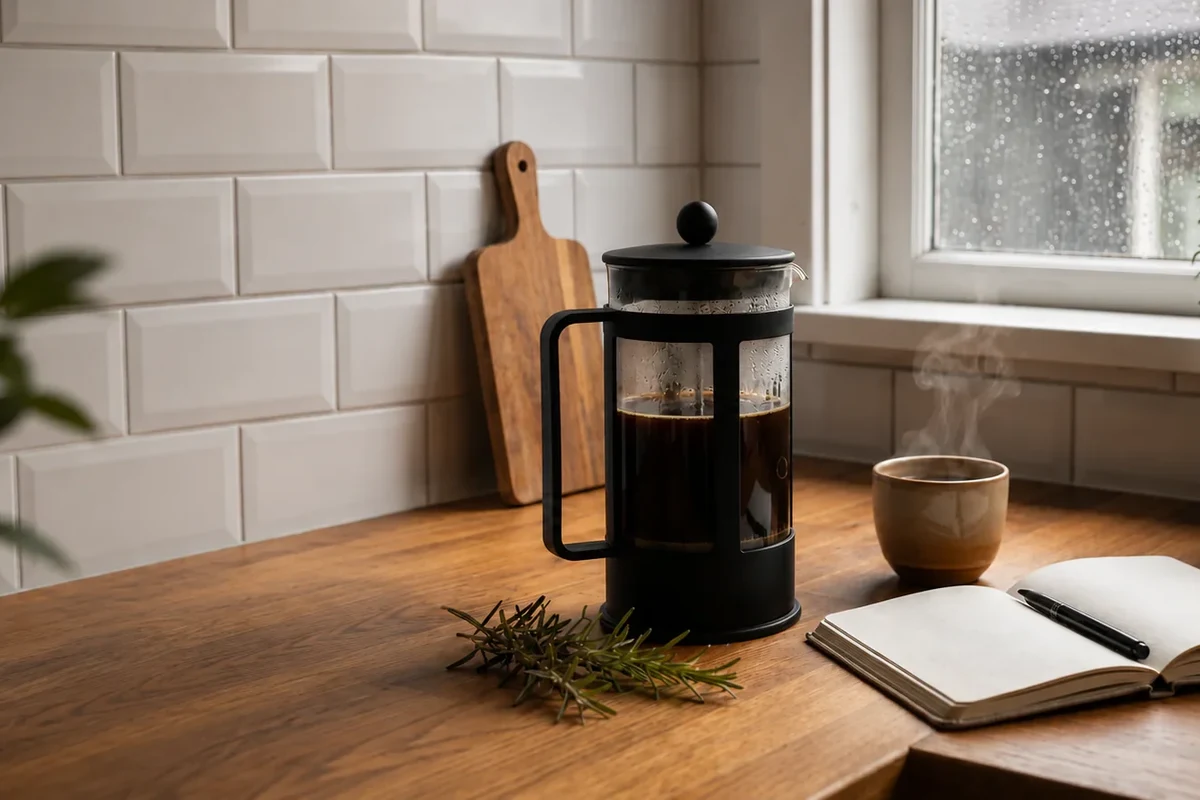
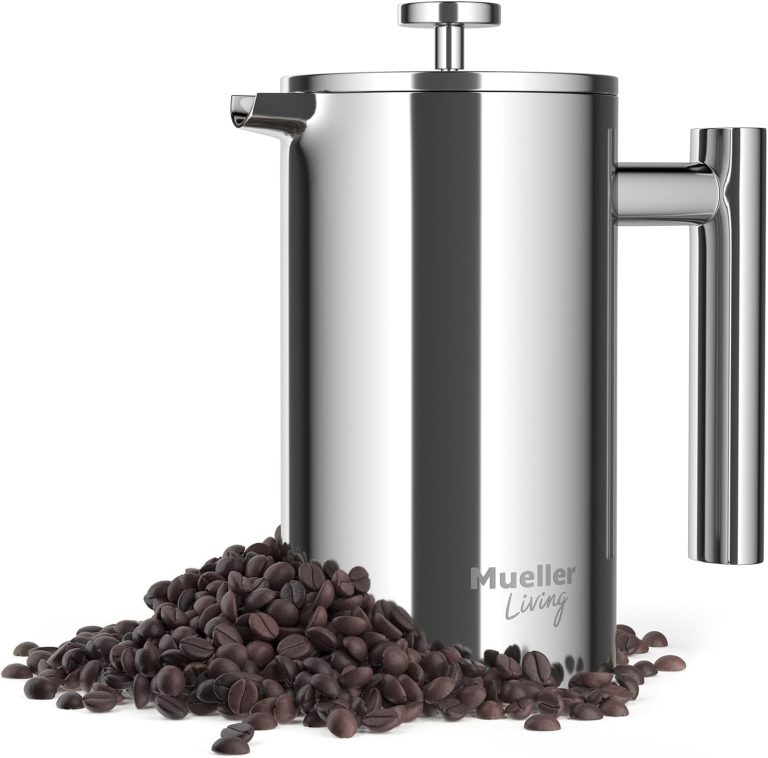
A French press is a simple coffee maker with a glass or steel body, a plunger, and a mesh filter. You add coffee and hot water, let it steep, then press the filter down and pour.
That basic setup makes it one of the easiest manual brew methods to learn. You do not need pods, paper filters, or a fancy machine.
How a French press coffee maker works
The French press brews by soaking ground coffee in hot water. The coffee stays in contact with the water for several minutes, which pulls out flavor and body.
When you press the plunger, the mesh filter holds back most of the grounds. Some fine sediment can still slip through, and that is normal.
Why this brewing method feels simple and hands-on
Many beginners like the French press because it gives them control without much gear. You only need coffee, water, a kettle, and the press itself.
It also teaches you the basics of brewing. You can taste how grind size, time, and water temperature change the cup.
What kind of coffee flavor to expect
French press coffee usually tastes bold, full, and smooth. It often has more body than drip coffee because the metal filter lets more oils through.
If you use the wrong grind or steep too long, the cup can turn bitter or muddy. The good news is that small changes make a big difference.
French press coffee often shows more natural oils than paper-filter coffee. That is one reason it can taste heavier and richer.
French Press Coffee Brewing Guide for Beginners: The Basic Method
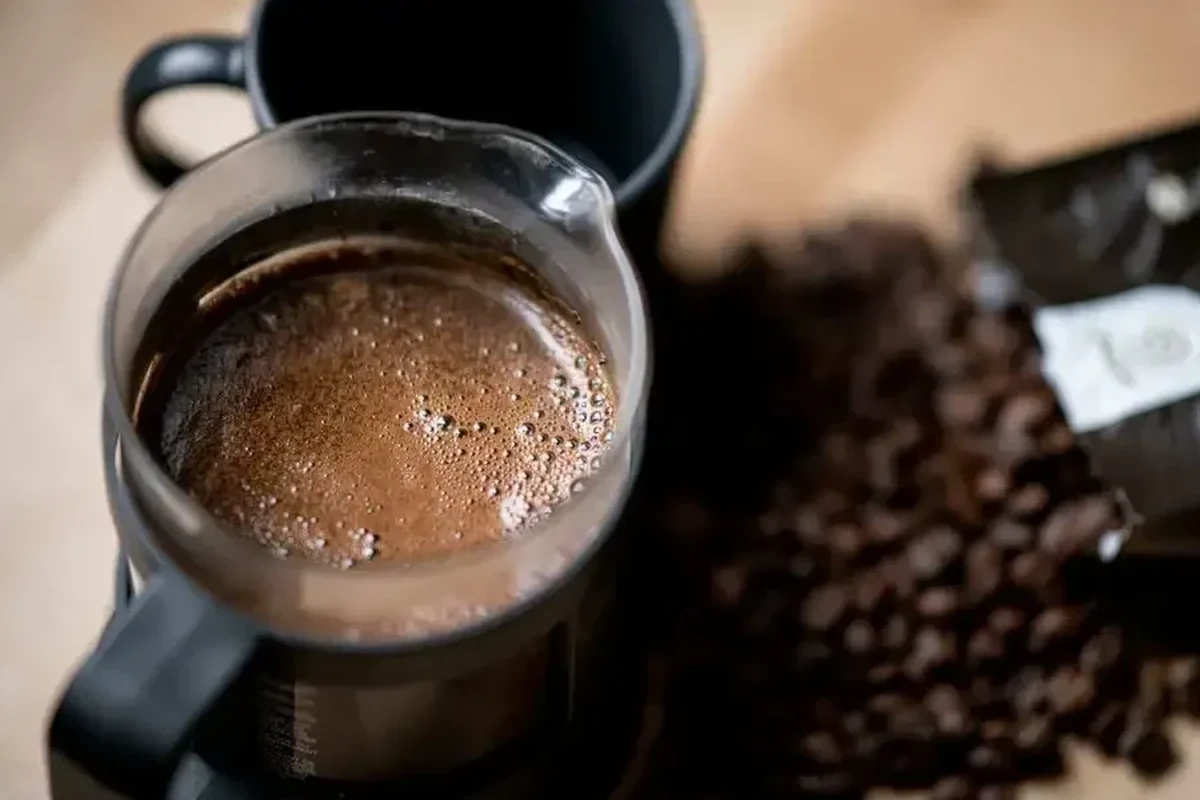
The easiest way to start is with a simple ratio, hot water below boiling, and a steady steep time. Once you learn that base recipe, you can adjust taste with confidence.
The coffee-to-water ratio that gives a balanced cup
A common starting point is about 1 gram of coffee for every 15 to 17 grams of water. In everyday terms, that often works out to about 2 tablespoons of coffee for each 6 ounces of water, though spoon size and bean density vary.
If you want a stronger cup, use a little more coffee. If you want a lighter cup, use a little less.
The right water temperature for good extraction
Use water that is hot, but not fully boiling. Water that is just off the boil usually works well for French press brewing.
Very hot water can pull harsh flavors from the grounds. Water that is too cool can make the coffee taste weak and flat.
Be careful with boiling water and hot glass or steel parts. Always follow the manual for your press and kettle.
Step-by-step brewing from bloom to plunge
Place medium-coarse ground coffee in the press.
Pour in a small amount of hot water and wet all the grounds.
Pour steadily until you reach your target amount.
Let the coffee steep, then stir gently if needed.
Press down slowly and serve right away.
The bloom helps release gas from fresh coffee. It can make the brew more even and improve flavor.
Tools, Coffee, and Water You Need Before You Start
You do not need much to make good French press coffee. Still, the right size press, the right grind, and decent water all matter more than many beginners expect.
Choosing the right French press size
Pick a size that fits how much coffee you drink at once. A small press works well for one person, while a larger one makes sense for two or more cups.
If you often brew just one mug, a very large press can be less convenient. The coffee may cool faster, and small batches can be harder to brew well.
Best for one drinker or tight counter space.
Best for shared mornings or multiple mugs.
Best grind size for French press coffee
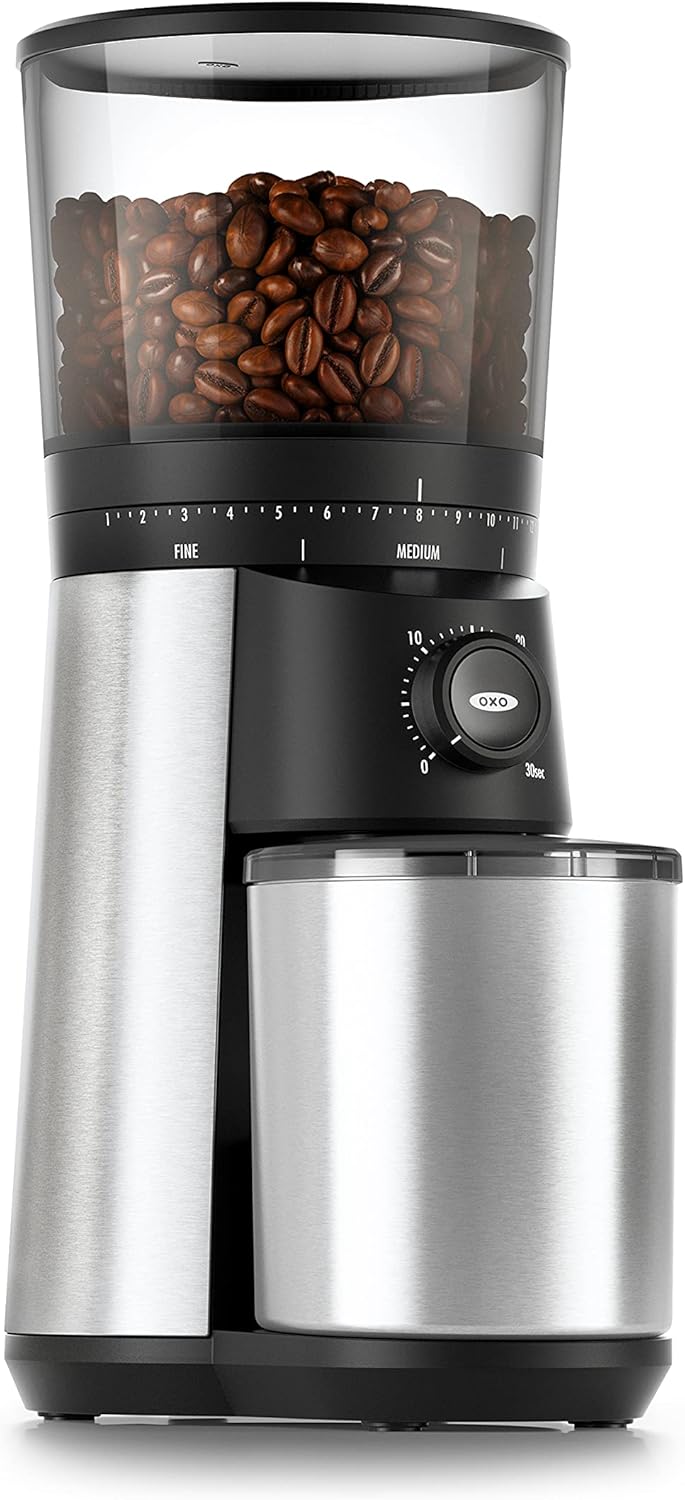
Use a coarse grind, similar to sea salt. This helps the grounds stay out of the cup and keeps the brew from turning harsh.
A fine grind can slip through the mesh filter and make the cup muddy. It can also make the coffee taste overdone.
Simple water and bean quality tips
Fresh coffee beans usually taste better than old beans that have sat open for weeks. Store beans in a sealed container away from heat and light.
Water matters too. If your tap water tastes odd on its own, it may affect the coffee flavor as well.
How to Make Better French Press Coffee at Home
Once you know the basic method, small changes can improve the cup a lot. Most flavor problems come from steep time, grind size, or water balance.
Steep time and why it changes taste
Steep time controls how much flavor the water pulls from the grounds. A short steep can taste thin, while a long steep can taste bitter.
Many beginners start with about four minutes, then adjust from there. If the coffee tastes too sharp, try a little more time.
How to avoid bitter, weak, or muddy coffee
Bitter coffee often comes from too fine a grind, too much heat, or too long a steep. Weak coffee usually means too little coffee or too little brew time.
Muddy coffee often points to a fine grind or a fast, rough plunge. A slow, steady press helps keep the cup cleaner.
- Use a coarse grind for cleaner coffee.
- Pour and press slowly for better control.
- Serve soon after plunging to avoid over-steeping.
Small recipe tweaks for stronger or smoother cups
For a stronger cup, add a little more coffee or shorten the water a bit. For a smoother cup, try a slightly coarser grind or a shorter steep.
Make one change at a time. That makes it much easier to learn what actually improved the taste.
Common French Press Mistakes Beginners Make
Most French press problems are easy to fix. If your cup tastes off, the answer is usually a simple brewing change, not a bad machine.
Using the wrong grind
The most common mistake is using coffee that is too fine. It can make the brew cloudy, bitter, and hard to press.
If your coffee tastes gritty or harsh, ask your grinder for a coarse setting. If you buy pre-ground coffee, look for a label that says French press.
Brewing too long or too short
Brewing too long can pull out bitter notes. Brewing too short can leave the coffee weak and sour.
Start with a simple timer and keep notes. That small habit helps you dial in the cup faster.
Plunging too fast or pouring too soon
Press the plunger slowly and with steady pressure. A hard plunge can stir up fine grounds and make the coffee cloudy.
After plunging, pour the coffee soon. Leaving it in the press keeps extraction going and can hurt the taste.
The coffee tastes bitter or full of grit.
Use a coarser grind, shorten the steep, and press more slowly.
Cleaning, Safety, and Daily Maintenance
A clean French press makes better coffee and lasts longer. It also helps the mesh filter work the way it should.
How to clean the press after each use
Dump the used grounds into the trash or compost if your local system allows it. Then rinse the press with warm water and wash it with mild soap.
Dry the parts well before reassembling. That helps prevent smells and buildup.
How to care for the mesh filter and glass or steel body
The filter needs regular cleaning because fine coffee oils can collect in the mesh. If the plunger feels stuck or the flow gets slow, the filter may need a deeper wash.
Check the body for chips, cracks, dents, or loose parts. Replace damaged parts based on the maker’s guidance.
Rinse, wash, and dry all removable parts.
Inspect the filter and plunger for buildup.
Do a deeper clean and check for wear.
Safety tips for hot water and fragile parts
Glass presses can break if they get hit or shocked by sudden heat changes. Steel presses are tougher, but they still get very hot.
Use a stable counter, keep the press away from the edge, and let it cool before washing if the manual says to do so.
Stop using any press with cracked glass, bent parts, or a damaged filter. Follow the manufacturer manual for cleaning and care.
Is a French Press Worth It for Beginners in 2026?
For many new coffee drinkers, yes. It stays one of the best low-cost, low-tech ways to brew coffee at home.
Cost, value, and long-term use
A French press usually offers strong value because it does not need pods or filters. It also has few moving parts, so there is less to break.
The real value depends on how often you use it and how well you clean it. A simple press can last a long time with basic care.
Who should choose a French press
A French press is a good fit if you want bold coffee and do not mind a little hands-on work. It also suits people who like simple gear and easy setup.
If you enjoy learning by tasting and adjusting, this method is a great teacher.
The method is easy to learn and gives you steady control.
A drip brewer or pour-over may fit better.
When another brew method may be a better fit
If you want the cleanest cup possible, a paper-filter method may suit you better. It removes more fine grounds and oils.
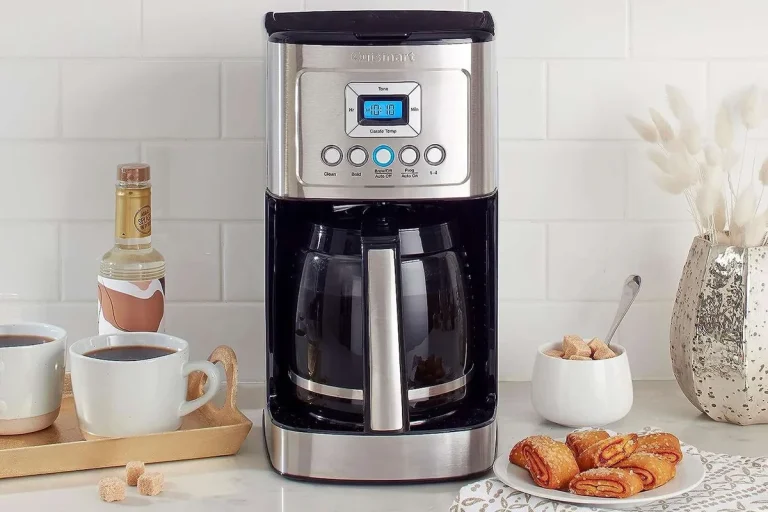
If you want one-button ease, an automatic drip machine may be simpler on busy mornings. That can matter a lot in a rushed kitchen.
Brewer choice depends on taste, cleanup habits, and how much time you want to spend each morning.
Final Recommendation for New French Press Users
The best beginner approach is simple. Use a coarse grind, hot water just off the boil, a steady four-minute steep, and a slow plunge.
Best beginner approach to start with confidence
Begin with one basic recipe and keep it steady for a few brews. That gives you a clear starting point.
Then change one thing at a time if you want more strength, less bitterness, or a cleaner cup.
Simple next steps for better home brewing
Check your grind first, because that fixes many problems fast. Next, adjust steep time and coffee amount in small steps.
If you want a low-stress brewer that teaches you the basics of coffee, a French press is an easy win.
- Use coarse coffee and hot water just off the boil.
- Start with a simple four-minute steep.
- Press slowly and pour soon for better taste.
- Clean the filter and body after each use.
Frequently Asked Questions
A coarse grind works best for French press coffee. It helps keep the brew cleaner and lowers the chance of bitter, muddy coffee.
A good starting point is about 1 gram of coffee for every 15 to 17 grams of water. You can adjust a little stronger or lighter after a few brews.
Use water that is hot but not fully boiling. Water just off the boil usually gives good flavor without pulling too much bitterness.
Bitterness often comes from too fine a grind, water that is too hot, or steeping too long. Try a coarser grind and a shorter brew time.
Empty the grounds, rinse the press, and wash it with mild soap and warm water. Dry the parts well and check the filter for buildup.
Yes, it is one of the easiest manual coffee makers to learn. It is simple, affordable, and gives you control over taste with only a few basic steps.