How To Assemble A French Press Coffee Maker: Quick Guide

Attach the plunger, mesh filter, and lid to the glass or metal carafe; align and tighten gently.
I’ve assembled hundreds of French presses for home and office use. This guide on how to assemble a french press coffee maker shows clear steps, common pitfalls, and simple tips. I’ll walk you through every part, tools you need, and proven tricks I use daily. Read on to assemble confidently and brew a better cup.
What is a French press and why correct assembly matters
A French press is a simple steep-and-press coffee maker. It uses coarse grounds, hot water, and a metal mesh plunger. Proper assembly keeps grounds out of your cup. It also ensures a smooth plunge and a leak-free seal. Learning how to assemble a french press coffee maker helps you brew consistently. Good assembly can change taste and cleanup time.
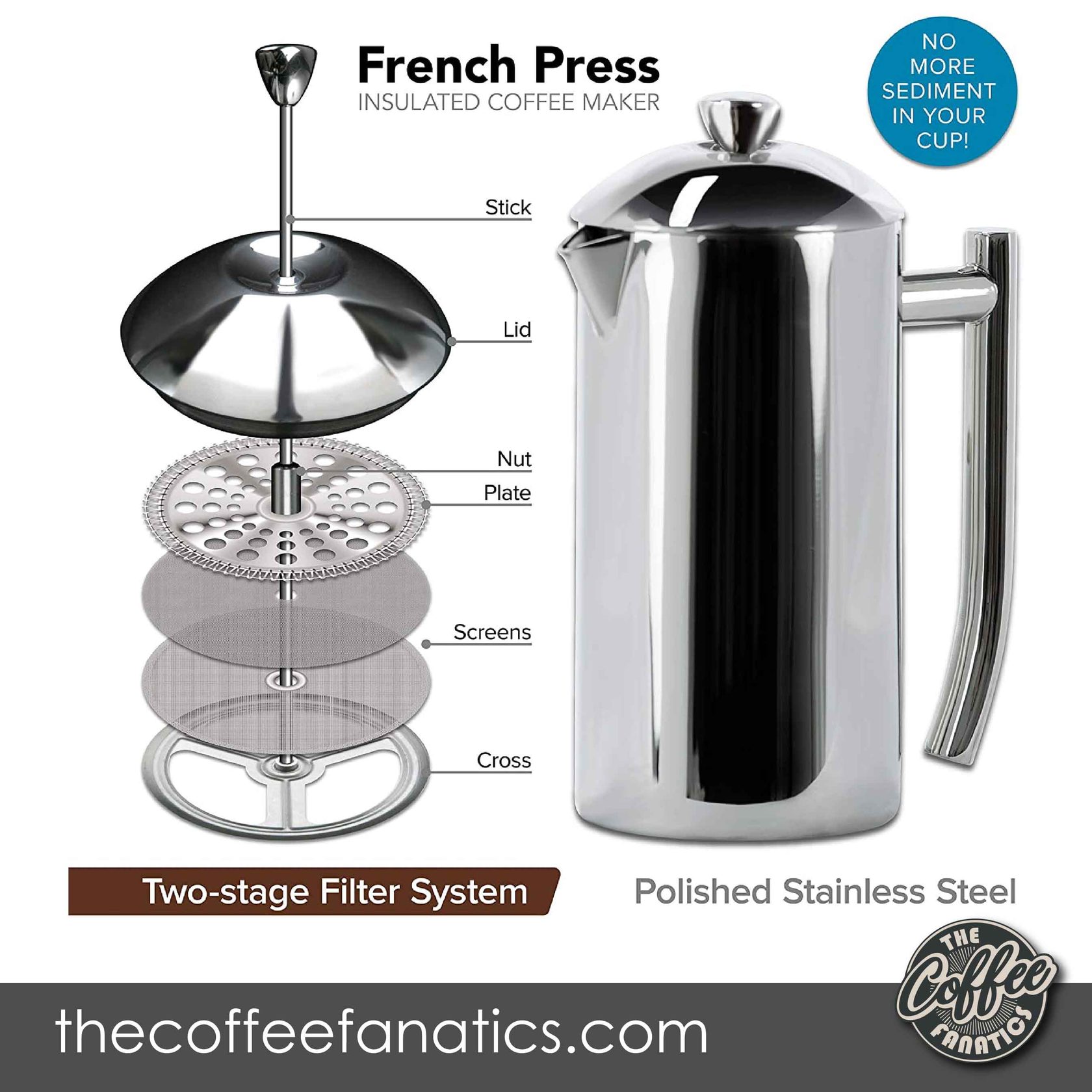
Parts of a French press: identify each piece before assembly
Know the parts before you start. This makes assembly fast and mistake-free.
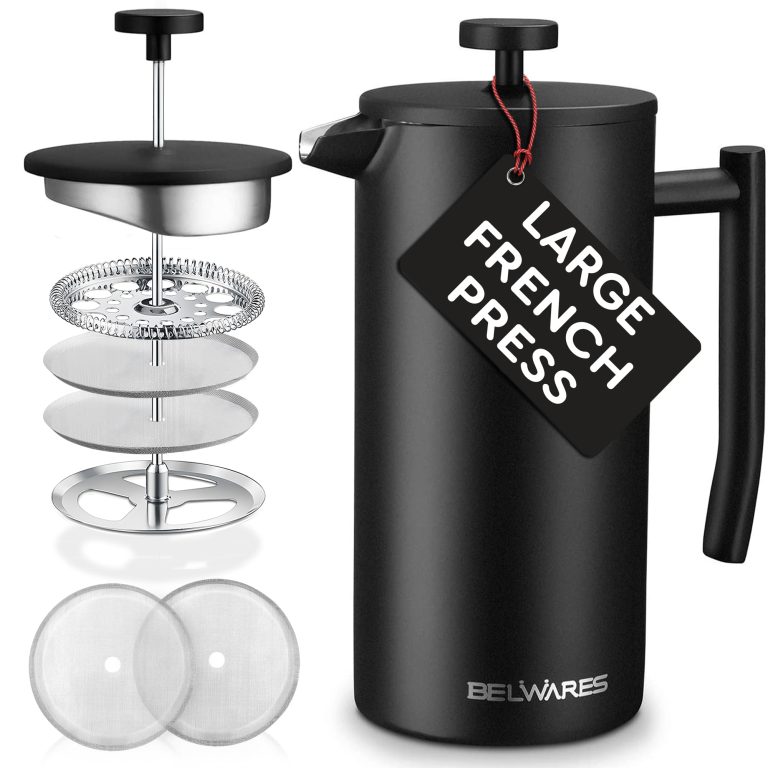
- Carafe: The glass or metal vessel that holds coffee.
- Plunger rod: The long metal rod you press down.
- Mesh filter: Fine metal mesh that traps grounds.
- Cross plate: Holds filters together on the rod.
- Spring or gasket: Creates a seal around the carafe wall.
- Lid: Covers the carafe and holds the plunger in place.
Knowing these parts makes how to assemble a french press coffee maker easy and safe.
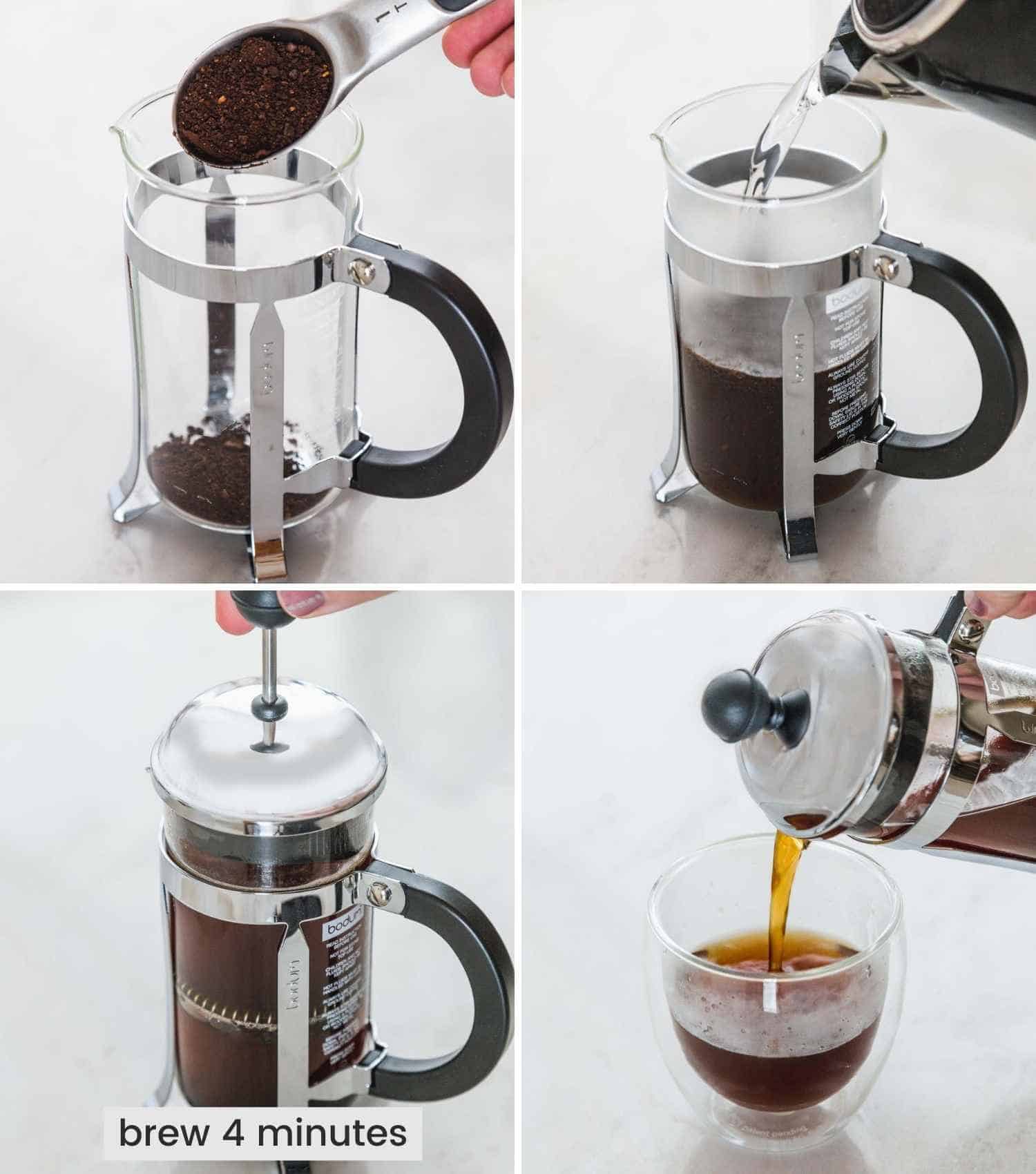
Tools and materials you need
You need very little to assemble a French press. Gather these items first.
- Clean towel: To dry parts.
- Soft brush or cloth: For delicate cleaning.
- Mild dish soap: If parts need washing.
- Small pliers: Only if a nut needs tightening.
- Replacement filter parts: If the old ones are worn.
Having these ready keeps assembly smooth when learning how to assemble a french press coffee maker.
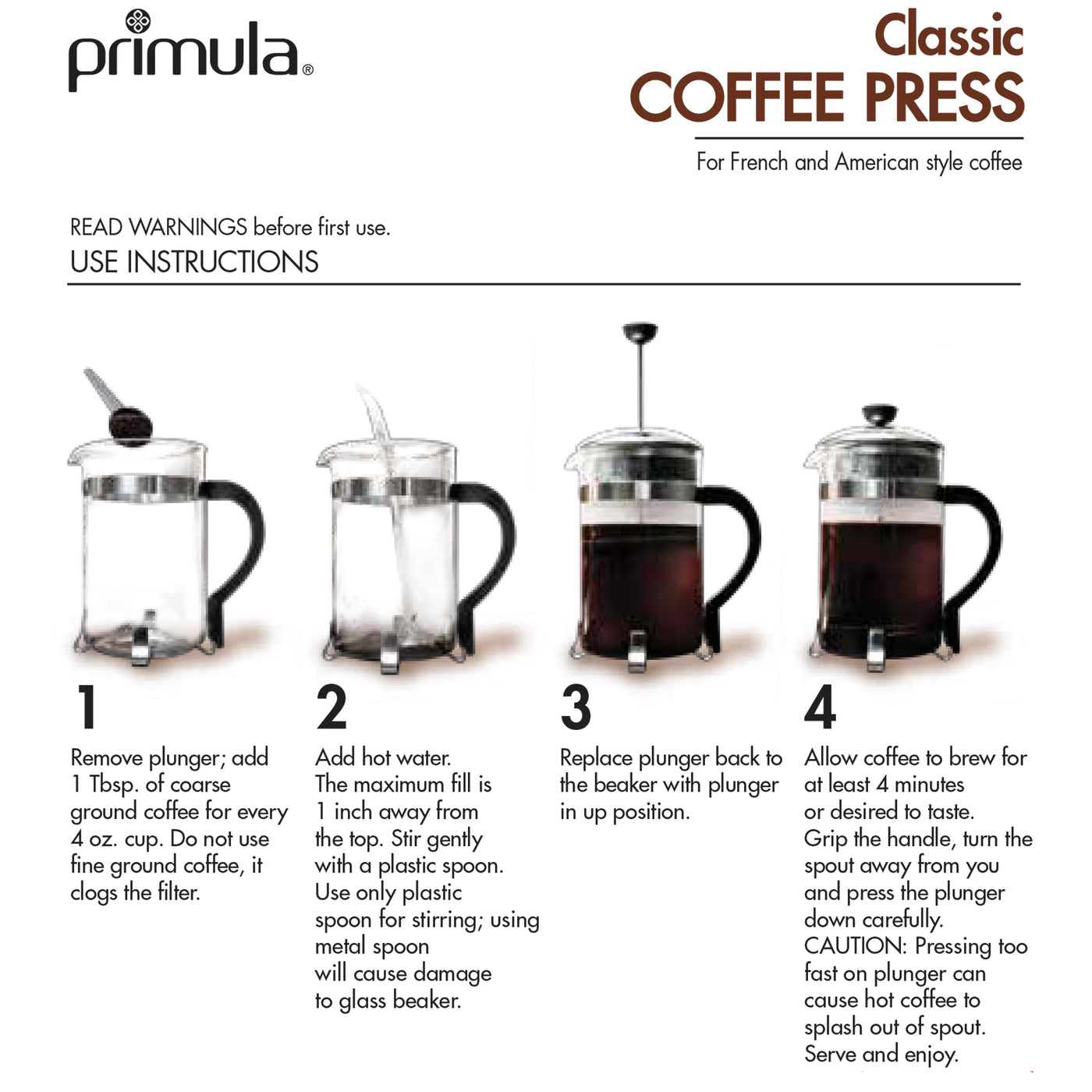
Step-by-step: how to assemble a French press coffee maker
Follow these clear steps. Read each step, then act. Keep sentences short. Work slowly the first time.
- Clean all parts
- Rinse the carafe. Wipe the mesh and rod. Make sure no packing materials remain.
- Check filter layers
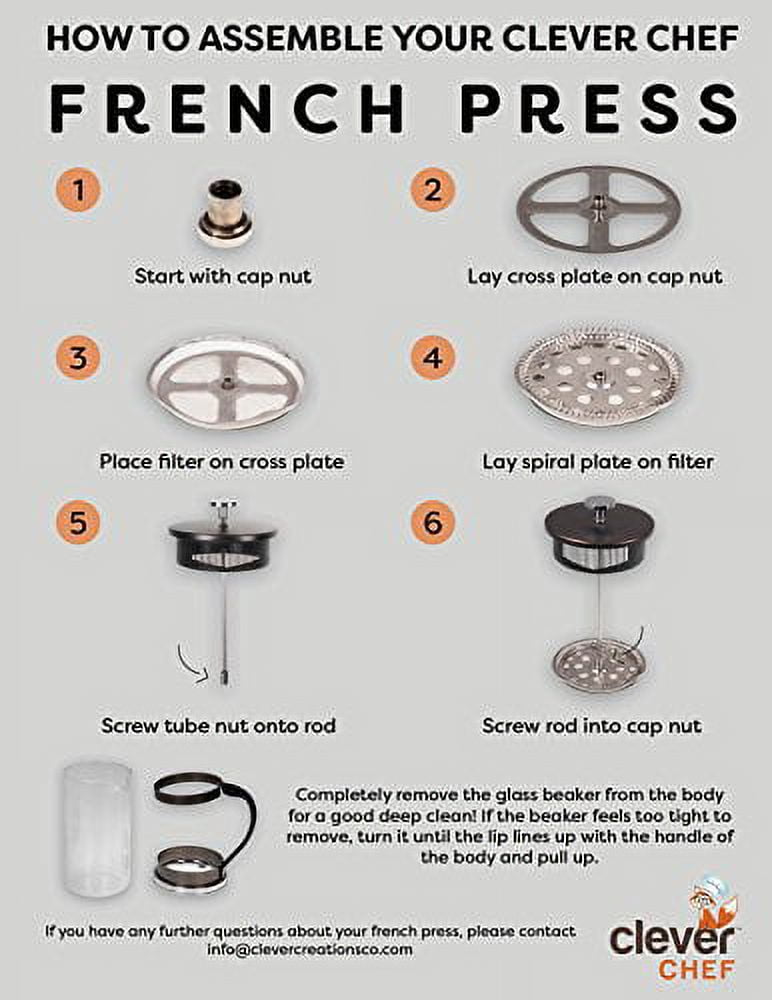
- Most presses use two metal plates and one mesh. Stack them in order: plate, mesh, plate.
- Slide filters onto the rod
- Thread the rod through the center hole. Make sure the mesh sits flat on the cross plate.
- Secure the filter stack
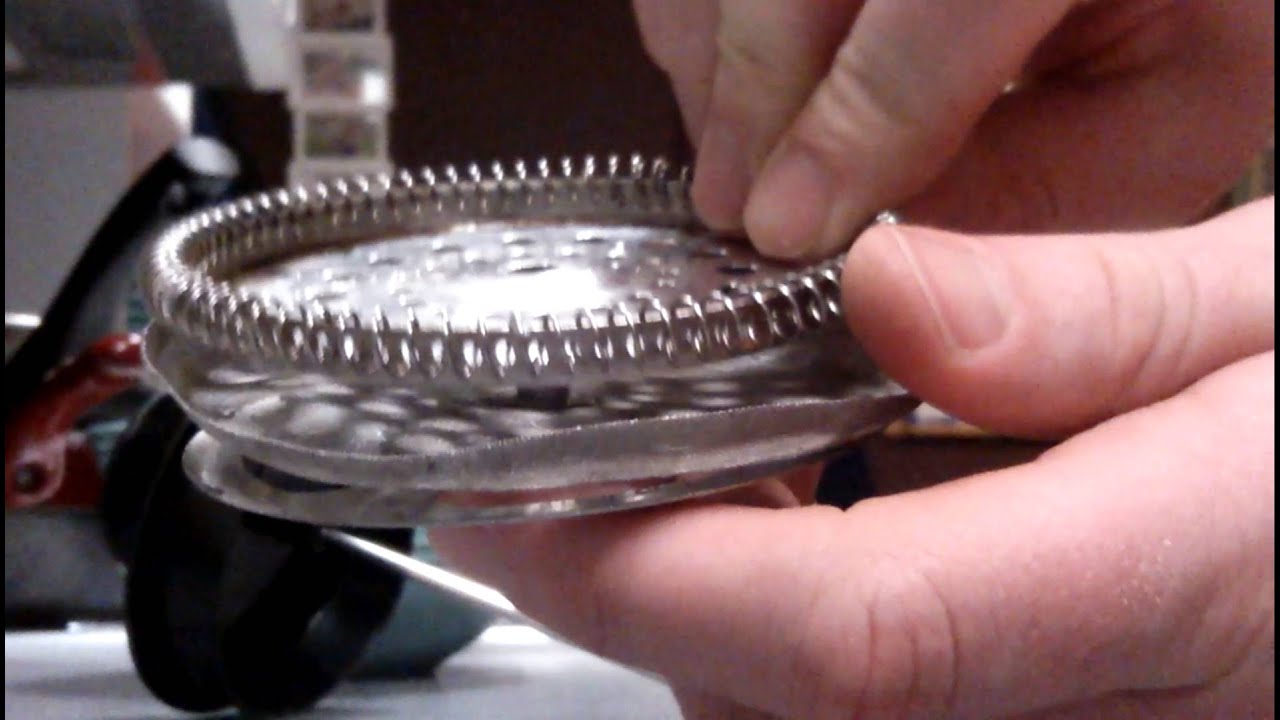
- Screw the retaining nut or clip on. Tighten by hand. If needed, use pliers lightly.
- Add the spring or gasket
- Fit the spring so it hugs the carafe wall. The spring should sit below the mesh.
- Insert the plunger assembly into the lid
- Place the lid onto the rod. Align tabs if present. Tighten the lid nut by hand.
- Fit the lid and plunger into the carafe
- Lower gently. The mesh should sit just above carafe bottom when fully raised.
- Test the plunge
- Press slowly. It should move with steady resistance and no wobble.
Repeat the steps if something feels loose. Doing these steps builds confidence in how to assemble a french press coffee maker.

Personal tips from my experience
I learned two fast lessons from daily use. First, don’t overtighten the filter stack. Overtightening bends the mesh and makes plunging stiff. Second, always check the spring for gaps. A worn spring lets grounds slip through.
When I used a new press at an office, I once missed a thin plastic ring. That ring kept the mesh centered. The cup turned gritty. After adding the ring, the cup improved instantly. These small checks matter when learning how to assemble a french press coffee maker.
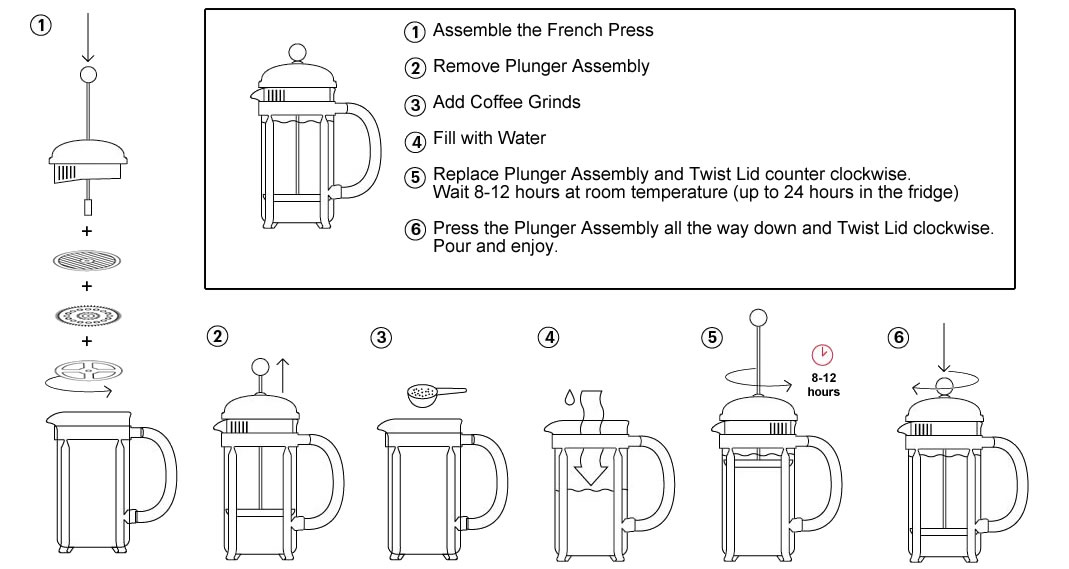
How to test, tighten, and adjust your assembly
A quick test prevents ruined coffee and leaks. Test before you brew.
- Dry plunge: Push the plunger without water. It should move smoothly.
- Water test: Add hot water and plunge slowly. Watch for leaks around the lid.
- Adjust: If wobble or leaks exist, tighten the retaining nut a quarter turn and retest.
Keep adjustments small. Small turns prevent damage to the mesh. Correct testing is a key step in how to assemble a french press coffee maker safely.

Cleaning and maintenance after assembly
Simple care keeps parts working well for years. Clean regularly and store dry.
- Disassemble after use: Take off the plunger and filters for a rinse.
- Deep clean weekly: Soak in warm, soapy water and scrub gently.
- Inspect for wear: Replace mesh, springs, or gaskets if bent or loose.
- Avoid harsh scrubbing: It can warp the mesh and break your seal.
Good upkeep makes how to assemble a french press coffee maker quicker and keeps coffee tasting fresh.
Brewing basics and how assembly affects flavor
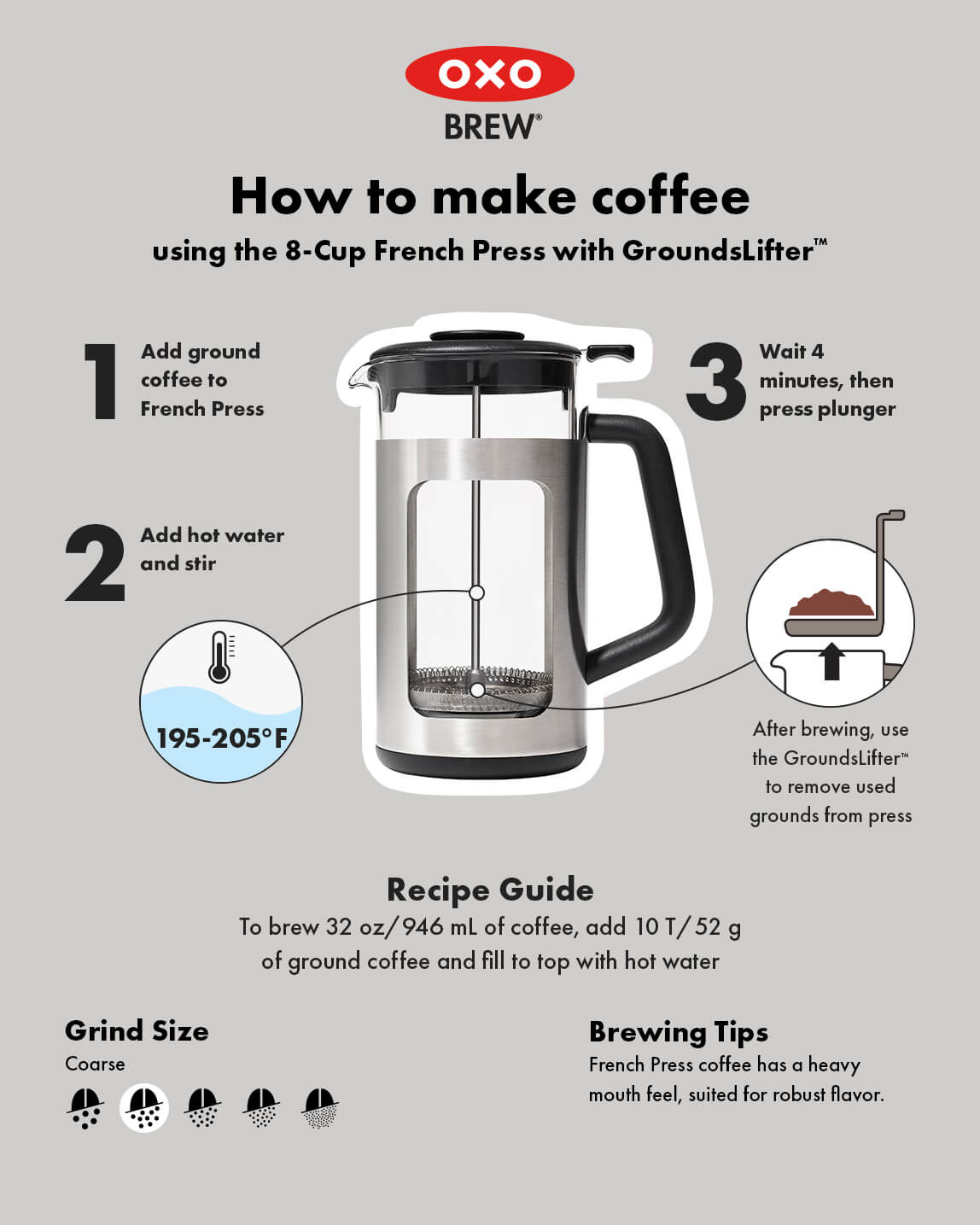
Assembly influences extraction and taste. A crooked filter lets grounds pass. That causes grit in the cup. A loose lid lets heat escape. That reduces extraction and flattens flavor.
To brew well after assembly:
- Use coarse grounds for even extraction.
- Preheat the carafe to keep temperature stable.
- Pour water in a steady, circular motion.
- Plunge slowly and steadily.
Following these points ties how to assemble a french press coffee maker to the final cup you drink.
Troubleshooting common assembly issues
If something goes wrong, try these fixes. Problems are usually easy to fix.
- Plunger too stiff
- Loosen the retaining nut slightly and realign the mesh.
- Grounds in cup
- Check for gaps in the spring or bent mesh. Replace if needed.
- Wobbly rod
- Tighten the top nut and ensure the rod is straight.
- Leak at lid
- Make sure the lid sits flush. Look for damaged gasket or cracks.
These fixes help you recover quickly when learning how to assemble a french press coffee maker.
Frequently Asked Questions of how to assemble a french press coffee maker
How long does it take to assemble a French press?
Assembly usually takes 3 to 7 minutes for a new user. With practice, it takes under two minutes.
Do all French presses assemble the same way?
Most follow the same basic steps. Designs vary slightly by brand and size.
Can I wash the filter in a dishwasher?
Many metal filters are dishwasher safe, but check your model first. Hand washing extends the life of the mesh.
What if the plunger doesn’t seal tightly?
Check the spring and gasket for wear or misalignment. Replace parts if they are bent or damaged.
How often should I replace the mesh filter?
Replace when you see warping, holes, or persistent grit in cups. Typical life is one to three years, depending on use.
Conclusion
You can assemble a French press quickly with the right steps. Identify parts, stack filters correctly, and tighten just enough. Test the plunge and keep parts clean. These habits make your coffee better and cleanup easier. Try assembling and brewing today, and share your results or questions below.