French Press Coffee Brewing Methods Explained: Simple Guide

French press coffee brewing methods explained: simple, hands-on techniques for rich coffee.
I’ve spent years testing and teaching French press methods. This guide breaks down french press coffee brewing methods explained with clear steps, gear choices, and real tips that work at home or in a cafe. You’ll learn why each choice matters and how to tweak flavor with confidence. Read on to master the French press and make better coffee every morning.
Why choose a French press?
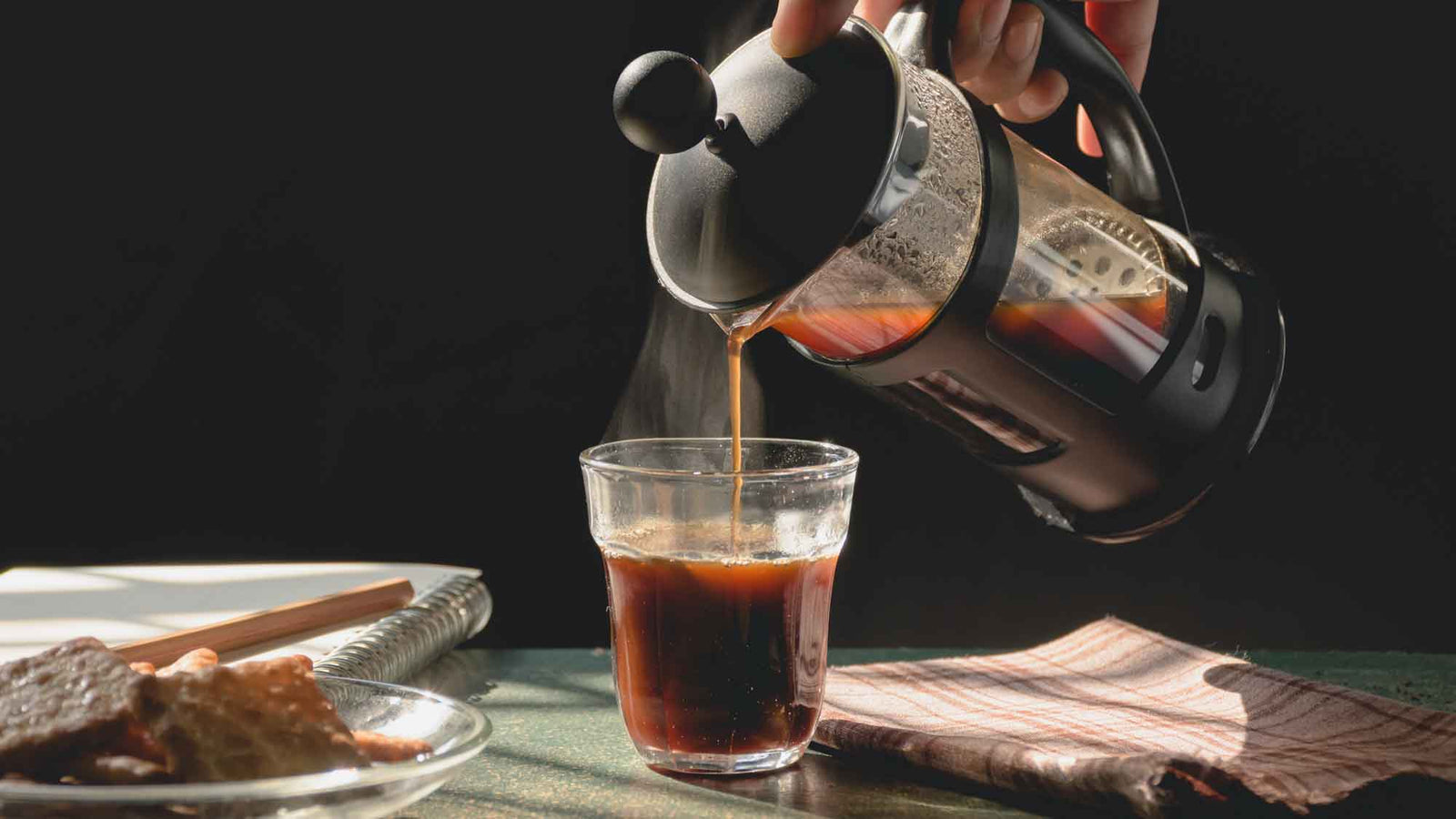
The French press is prized for full flavor and control. This device keeps oils and fine particles in the cup. That gives a rounder body and stronger mouthfeel than drip machines.
Choosing the right method matters. This section shows why french press coffee brewing methods explained help you make bolder, more nuanced coffee. You get control over grind, time, and water temperature. Small changes change taste a lot.
- Benefits of the French press
- Full-bodied flavor and richer mouthfeel
- Simple gear — just press, wait, pour
- Easy to scale for one cup or a few cups

What difference does grind make?
A coarse, even grind reduces sediment. It helps extraction stay balanced. Use burr grinders for steady results.
Is immersion brewing the same as French press?
Immersion brewing means grounds steep fully in water. French press is a type of immersion brew. That style highlights body and depth.
Gear, grind, and water basics
Good gear makes the method reliable. You need a French press, a burr grinder, a kettle, and a scale. A timer helps as well.
Follow these basics for solid results when you want french press coffee brewing methods explained to actually taste great every time.
- French press sizes: 12 oz (single) to 34 oz (family). Pick one that matches your routine.
- Grind: coarse, like sea salt. Too fine makes sludge and harsh taste.
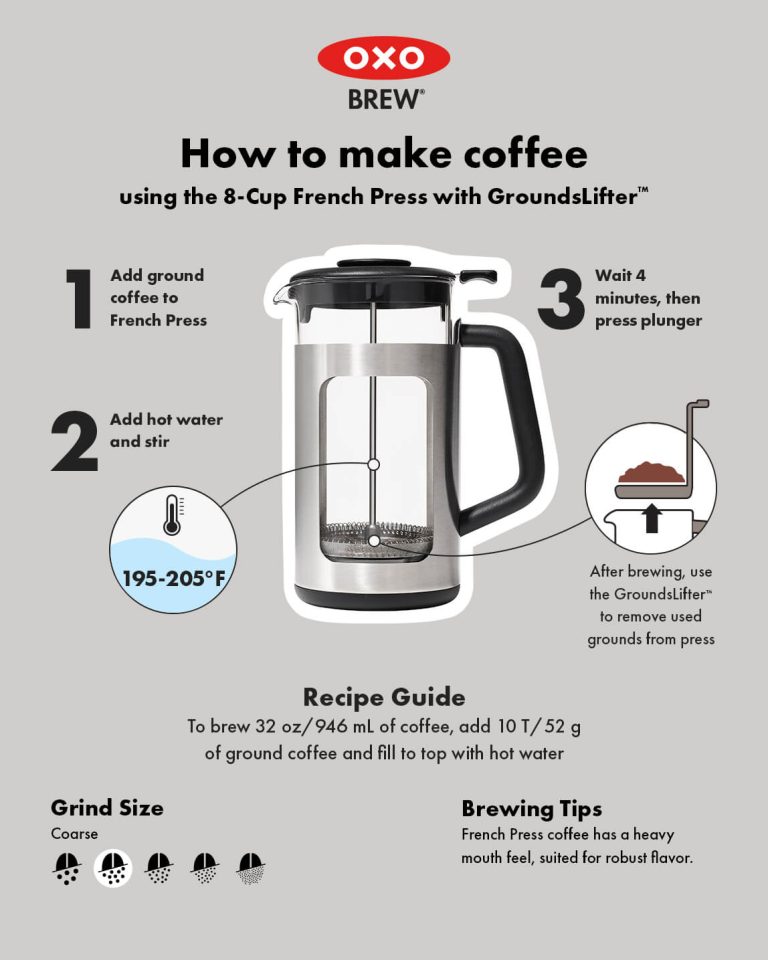
- Ratio: start 1:15 coffee to water (by weight). Adjust to taste.
- Water temp: 195–205°F (90–96°C). Let just off boil for best flavor.
Step-by-step basic French press method
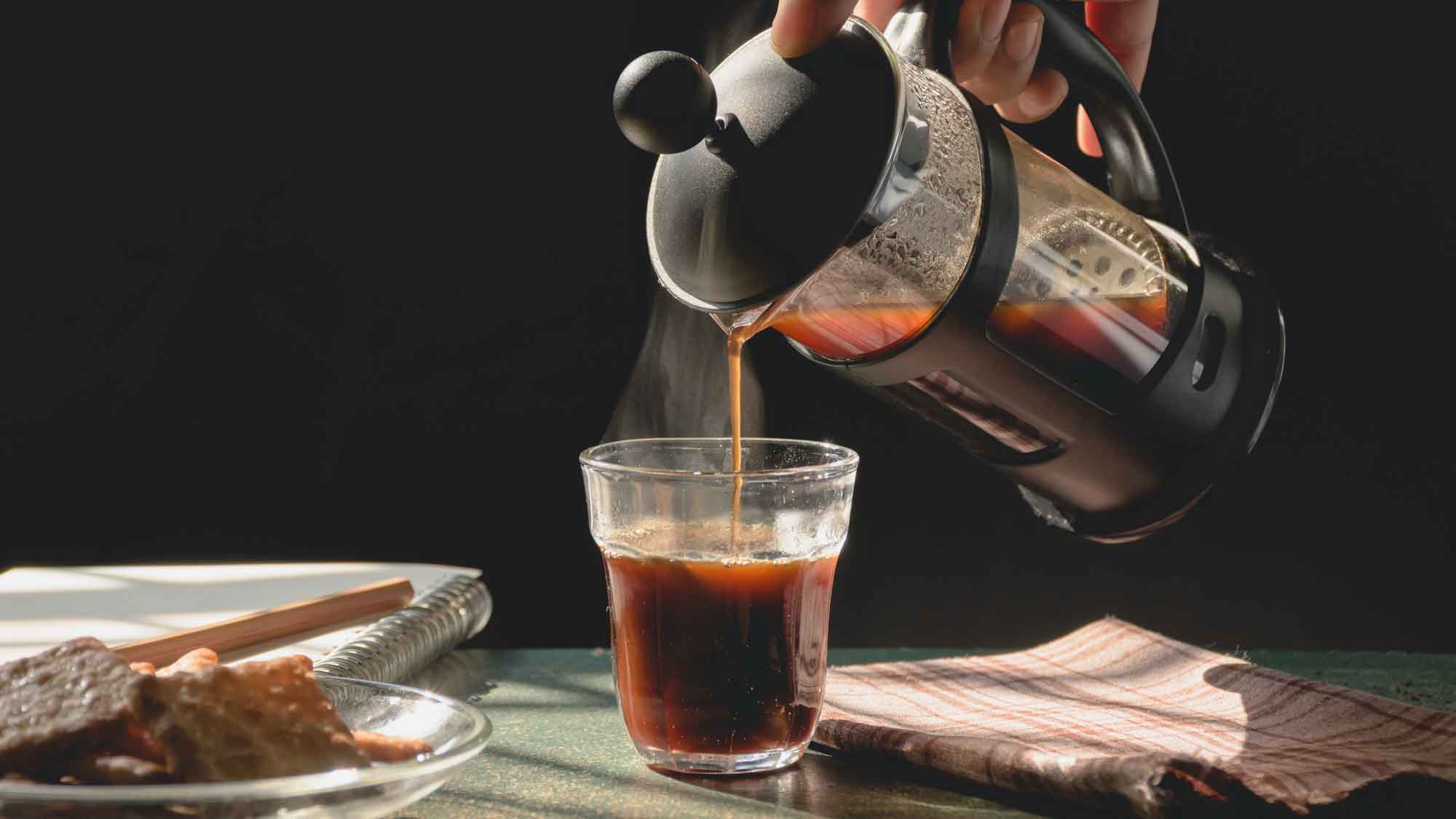
This basic method is the backbone of french press coffee brewing methods explained. It’s easy to learn and tweak.
- Heat water to about 200°F (95°C). Measure with a kettle.
- Weigh coffee. Use 15 g coffee for 225 g water for a 1:15 ratio.
- Grind coffee coarse and even. Add grounds to the press.
- Bloom: pour a little water to wet grounds, wait 30 seconds.
- Pour remaining water and start timer. Stir gently once.
- Steep for 4 minutes total. Adjust time for taste.
- Press slowly and steadily. Pour immediately into cups or a server.
Small changes can improve taste. I once cut steep time by 30 seconds and the coffee became brighter without losing body. Try small experiments.
Alternative French press methods and variations
There are many ways to brew. Each method changes clarity, strength, and feel.
- Inverted method
- Steep with the press upside-down to limit heat loss.
- Pros: warmer brew and fuller extraction. Cons: more work and care.
- Pour-over hybrid
- Pour carefully to create a gentle flow and slightly clearer cup.
- Pros: reduces sediment. Cons: less full body.
- Short steep
- 2.5–3 minutes for brighter, lighter cups.
- Pros: lively acidity. Cons: less body.
- Pulse pour
- Add water in two pours: bloom then fill. Improves even extraction.
Each variation helps solve a taste goal. Try one at a time. Keep a log so you can repeat what you like.

Troubleshooting and pro tips
If your coffee is muddy, sour, or bitter, small fixes help. This section solves common issues found in french press coffee brewing methods explained.
- Too bitter
- Cause: over-extraction or too-fine grind. Fix: coarser grind, shorter steep.
- Too sour or weak
- Cause: under-extraction or low brew temp. Fix: increase time, raise water temp, or use finer grind.
- Too much sediment
- Cause: very fine grind. Fix: coarsen grind, pour gently, use a decanting step.
- Sluggish press
- Cause: grounds blocking filter. Fix: stir gently, press slowly, clean mesh regularly.
Pro tips from experience
- Preheat the press with hot water to keep temperature stable.
- Pour the brewed coffee into a carafe to stop extraction after pressing.
- Use a consistent scale and timer for repeatable results.
- Replace mesh filters if you see too much sludge or wear.

Cleaning and maintenance
Regular cleaning keeps flavor true and gear lasting. Rinse parts right after use. Deep clean weekly.
- Daily: dump grounds, rinse mesh and carafe with hot water.
- Weekly: wash with mild soap and scrub mesh gently to remove oils.
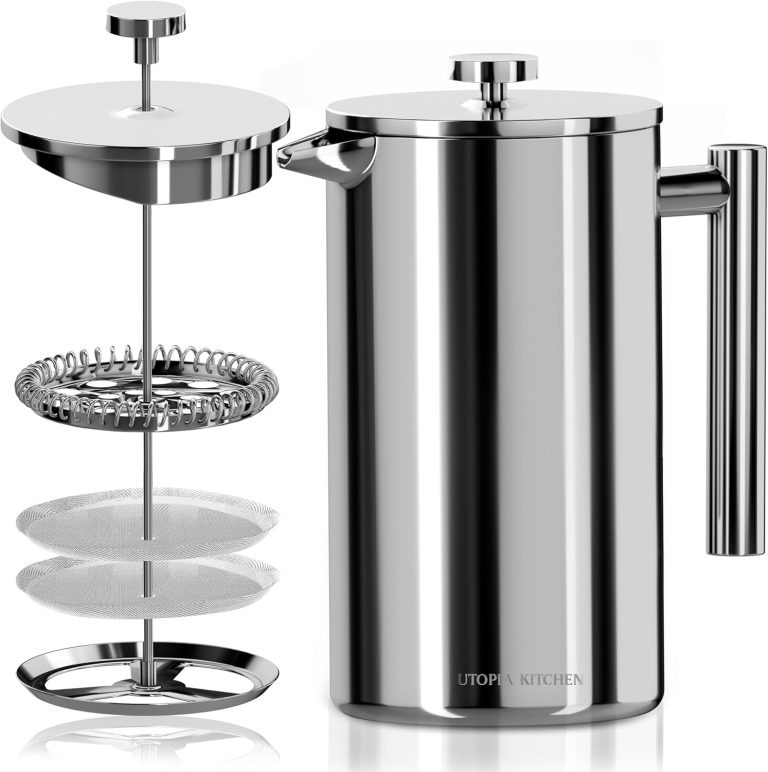
- Monthly: disassemble the plunger and clean all parts thoroughly.
- Replace seals or mesh if you notice tears or persistent oils.
Good care prevents stale or off-flavors. I once ignored the mesh for months and the coffee tasted flat. After a deep clean, flavors returned. It pays to keep equipment clean.

Frequently Asked Questions of french press coffee brewing methods explained
How coarse should I grind for a French press?
Grind should be coarse, like sea salt or breadcrumbs. Burr grinders yield the most consistent results and less sediment.
How long should I steep coffee in a French press?
Start with four minutes. Adjust between 2.5 and 5 minutes to tune brightness and body to your taste.
Can I use paper filters with a French press to reduce sediment?
Yes. You can decant into a carafe with a paper filter or use specialty press filters to cut sediment while keeping body.
Does water temperature really matter for French press?
Yes. Water that’s too hot extracts bitterness; too cool leaves coffee sour. Aim for 195–205°F (90–96°C).
How do I avoid gritty coffee from the French press?
Use a coarser, even grind and pour gently. Decanting into a separate carafe stops extraction and leaves most sediment behind.
Conclusion
Mastering french press coffee brewing methods explained is about practice and small tweaks. Focus on grind, ratio, temperature, and timing. Keep notes, try one change at a time, and clean your gear often.
Try the basic method first. Then test one variation each week. Share your results, subscribe for more tips, or comment with your favorite recipe and questions.