
Are French Press Coffee Makers Bad For You: Health Guide

French press coffee is not inherently harmful; it can pose modest health risks for some people.
I’ve brewed with a French press for years, and I know the common worries. This article answers whether are french press coffee makers bad for you in plain terms. I’ll explain how a French press works, the real health risks, benefits, and easy steps to make your brew safer. Expect clear facts, practical tips, and my own experience to help you decide.

How a French press works
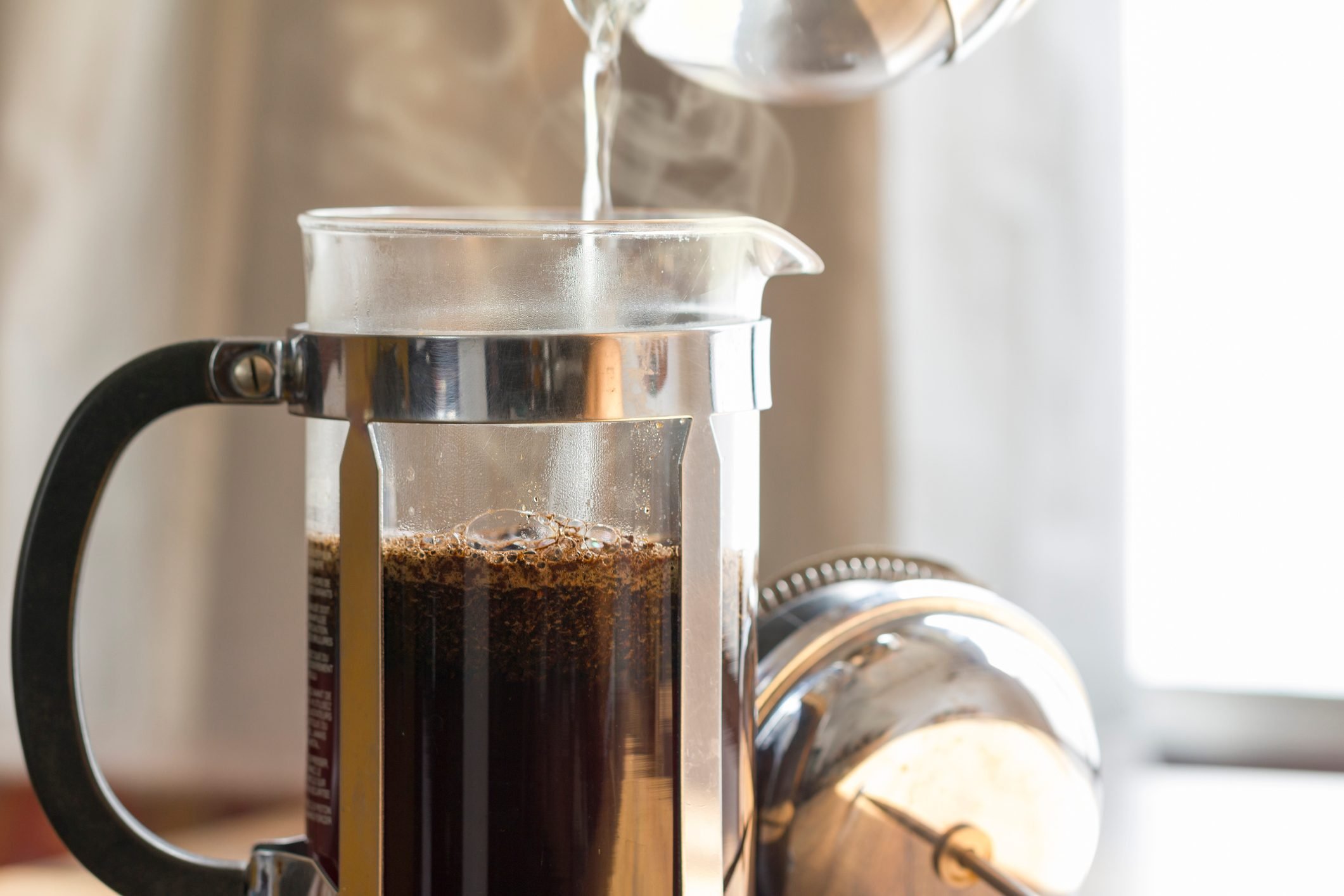
A French press is a simple device. You add coarse coffee grounds, pour hot water, steep, and press a plunger to separate grounds from liquid. There is no paper filter. That means oils and tiny particles stay in the cup. This method gives bold flavor and heavier mouthfeel.
Are french press coffee makers bad for you? The facts
When people ask are french press coffee makers bad for you, they usually mean health effects from the coffee itself and the device. The main health issue tied to French press coffee is a compound called cafestol. Cafestol is a coffee oil that can raise LDL cholesterol when consumed often in unfiltered coffee. Research shows regular use of unfiltered coffee can increase LDL levels in some people.
Another concern is sediment. Fine particles settle in the cup and can irritate the stomach for sensitive people. Also, poor cleaning can let bacteria or old oils build up, which affects taste and hygiene. Overall risk is modest for most drinkers. If you have high cholesterol or heart disease, ask whether are french press coffee makers bad for you is a concern for your health. A doctor can give advice based on your labs.

Benefits of French press brewing
French press coffee has many strong benefits.
- Rich flavor and aroma because oils stay in the cup.
- Full body and smooth texture that many people prefer.
- Simple gear. No electricity needed.
- Less waste if you skip paper filters.
- Control over brew time and strength.
These perks explain why people ask are french press coffee makers bad for you despite loving the taste. For many, the flavor trade-off is worth the small risk.

Who should be cautious and why
Some people should be careful with French press coffee.
- People with high LDL cholesterol or heart disease risk may want to limit unfiltered coffee.
- Those with sensitive stomachs may find sediment irritating.
- Anyone who shares a press needs good cleaning habits to avoid mold or rancid oils.
If you fit these groups, ask a clinician about whether are french press coffee makers bad for you for your health profile.
:max_bytes(150000):strip_icc()/fw-one-off-martha-stewart-bodum-french-press-tout-fb191476b8f044ca823467c576d034cf.jpg)
How to reduce risks and enjoy your coffee safely
You can keep most benefits and cut the risks with a few steps.
- Use a paper filter or a mesh filter inside the press to catch more oils.
- Pour the coffee through a paper filter after pressing to remove cafestol-rich oils.
- Brew for a shorter time. Less contact reduces extraction of oily compounds.
- Decant brewed coffee into a jug to leave most sediment behind.
- Clean the press well after each use. Use hot water, soap, and occasionally a vinegar or baking soda rinse.
I use a quick paper-filter step sometimes. It keeps the flavor but lowers the oil content. That helped when a family member needed lower cholesterol.

Materials, safety, and maintenance
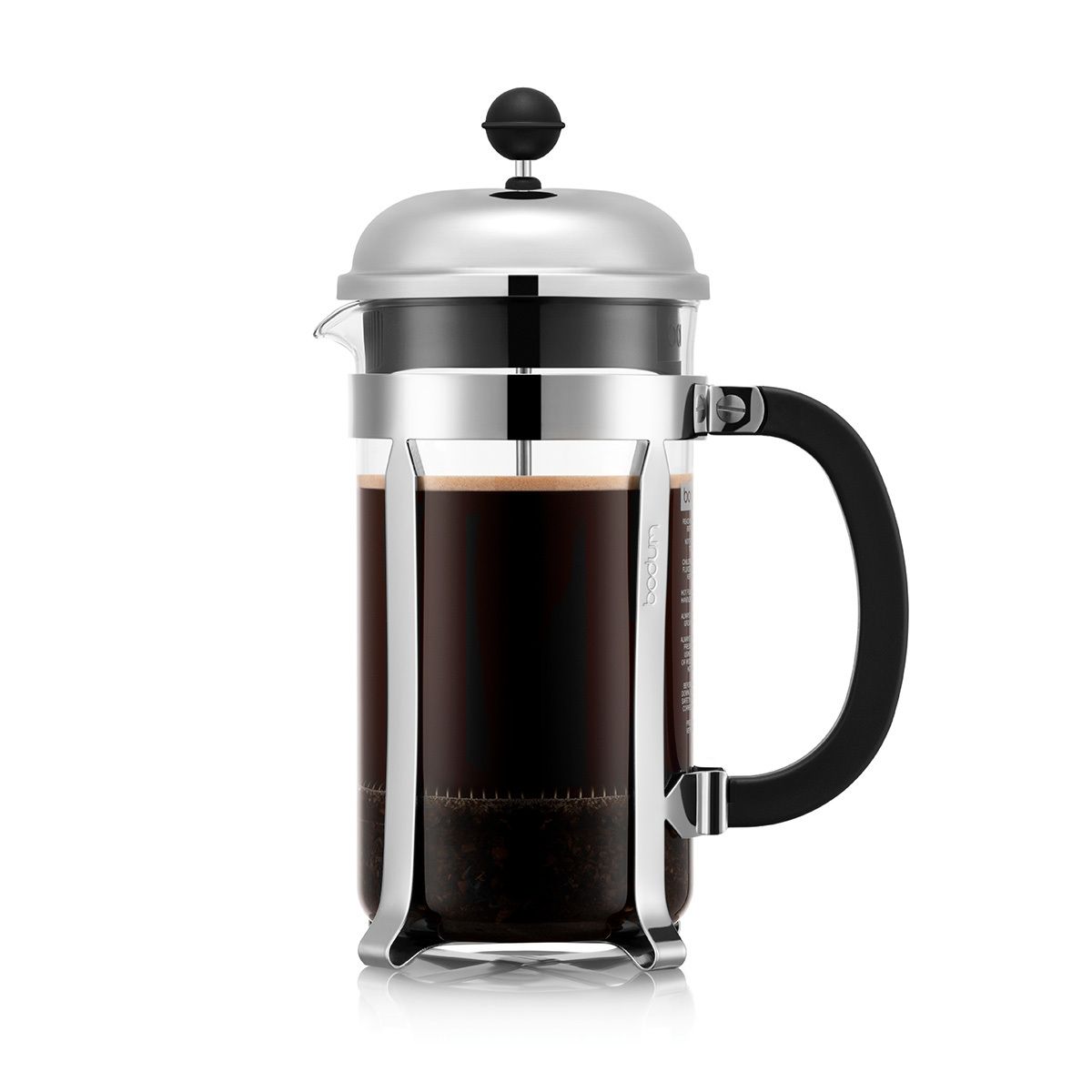
French presses come in glass, stainless steel, and plastic. Choose safe materials.
- Glass is inert and easy to clean but can break.
- Stainless steel is durable and often insulated.
- Avoid low-grade plastics that may leach chemicals when hot.
- Replace worn mesh screens and gaskets. Old parts trap oils and bacteria.
Proper care means better flavor and lower health risk. If you worry about chemicals or bacteria, material choice and cleaning solve most issues.
Personal experience and practical tips
I’ve owned three presses over a decade. I learned a few things the hard way.
- Rinse right away. Old grounds smell bad fast.
- Replace the screen yearly. It keeps coffee clear.
- For guests with heart concerns, I strain the press brew through a paper filter.
These small moves kept my coffee tasty and reduced any health worry. If you ask are french press coffee makers bad for you, my experience shows risk is manageable with simple care.

Frequently Asked Questions of are french press coffee makers bad for you
Are French press coffee makers bad for you because of cholesterol?
Unfiltered coffee from a French press can raise LDL cholesterol due to cafestol. If you have high cholesterol, limit intake or use a paper filter to reduce this effect.
Can sediment from a French press harm my stomach?
Sediment can irritate some people and may cause discomfort. Straining or decanting reduces sediment and eases digestion.
Is French press coffee stronger in caffeine than drip coffee?
Caffeine varies by bean and brew time. French press can taste stronger, but caffeine content is similar to other methods if brew ratios match.
Does a French press increase the risk of mold or bacteria?
A poorly cleaned press can develop rancid oils or mold. Regular cleaning and drying prevent this risk.
How often should I clean my French press to stay safe?
Clean after every use with hot water and soap. Deep clean parts weekly and replace worn pieces yearly to maintain hygiene.
Conclusion
French press coffee is not inherently bad for most people. The main concern is unfiltered oils that can raise LDL cholesterol for some. With simple steps—like occasional paper filtering, shorter brew times, and good cleaning—you can enjoy rich French press flavor with minimal risk. Try a few safety tips and see how your body responds. If you have health concerns, ask a healthcare professional and consider small changes to your brew routine. Share your experience below or subscribe for more practical coffee guides.
