When Was The French Press Coffee Maker Invented: Origins

When was the french press coffee maker invented? Around 1929, built on ideas from the mid-1800s.
I’ve studied coffee history and used a French press daily for years, so I’ll walk you through the full story. This article explains when was the french press coffee maker invented, why the date is debated, how the design evolved, and practical tips from my own experience to brew better coffee at home. Read on for a clear, friendly, and well-researched guide.

When was the french press coffee maker invented? A short history
The question "when was the french press coffee maker invented" has more than one answer. Patent records show early plunger-style brewers in the 1800s. A key design that resembles today’s French press appeared in the early 20th century, and a modern, widely sold version was refined in the 1950s.
Historians and patent archives differ on dates and names. That is normal with simple tools. What matters is how the device evolved and why certain dates get highlighted.

Origins: 19th-century patents and early designs
When was the french press coffee maker invented first becomes a story about incremental invention. Early plunger-style coffee devices appeared in the mid-1800s. These early models used a basic filter and a plunger to separate grounds from brewed coffee.
Key points about the early era
- Mid-1800s: Simple plunger concepts registered in Europe.
- Designs were basic and varied by inventor and country.
- These early devices set the stage for later improvements.
The early patents show the idea existed long before the French press we know today. The question when was the french press coffee maker invented is therefore more about evolution than a single moment.

1920s to 1950s: The form takes shape
The timeline narrows between the 1920s and 1950s. A notable patent in the late 1920s introduced a clearer plunger mechanism. Later, in the 1950s, designers refined the filter and glass/metal body for mass market appeal.
Why these decades matter
- 1920s: Key mechanical features appeared that improved performance.
- 1950s: Commercial versions that matched modern expectations became common.
- Mid-20th century marketing helped solidify the French press name worldwide.
So when was the french press coffee maker invented in its modern form? The answer usually points to the early-to-mid 20th century, with refinements following soon after.
How the French press works (simple mechanics)
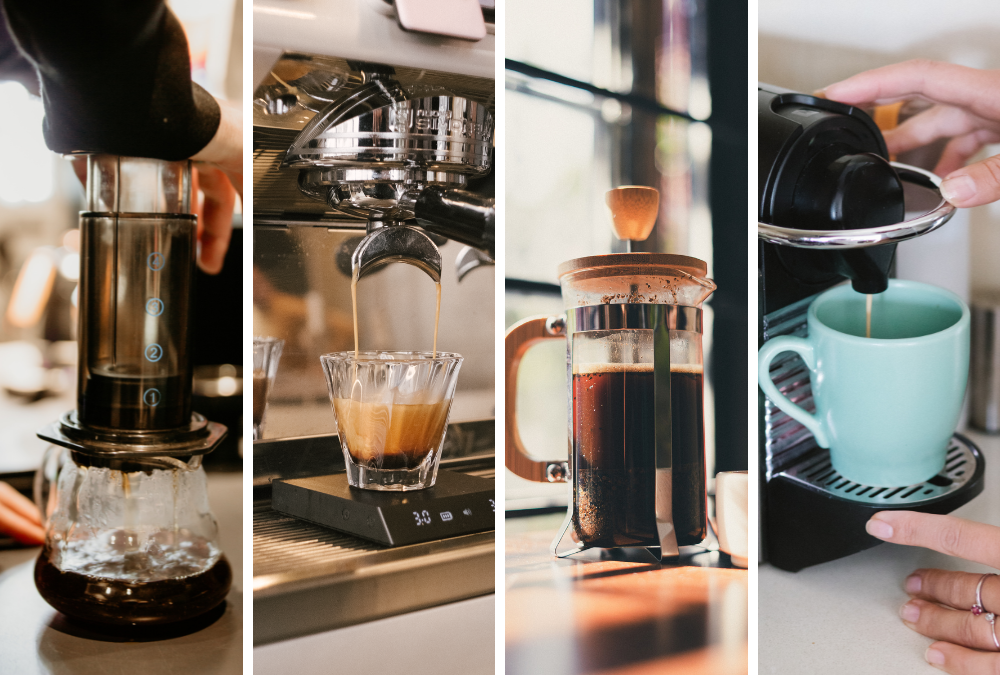
Understanding how the device works helps explain why it stuck around. The French press uses immersion brewing and a metal mesh filter pushed down to separate grounds.
Steps in the brew cycle
- Add coffee grounds and hot water.
- Let coffee steep for a set time.
- Press the plunger slowly to separate liquid from grounds.
- Pour and enjoy.
This simple method captures oils and flavors that paper filters remove. Knowing how it works also clarifies why design changes mattered in the question when was the french press coffee maker invented.

Benefits and limitations
People ask when was the french press coffee maker invented because they want to know why it endures. The design offers clear pros and some trade-offs.
Benefits
- Full-bodied flavor due to metal filter allowing oils through.
- Simple to use and easy to clean.
- No electricity required, great for travel or low-tech kitchens.
Limitations
- Sediment in cup if grounds are too fine.
- Requires coarse grind and attention to steep time.
- Glass models are fragile compared to other brewers.
Knowing these helps you decide if the French press fits your routine and why the device remained popular after it was perfected.

How to use a French press: step-by-step
Once you know when was the french press coffee maker invented, applying best practices makes a big difference. Here’s a short, clear routine I follow.
Simple brewing recipe
- Preheat the press with hot water, then discard.
- Add coarse coffee, about 1:15 to 1:17 ratio (coffee:water).
- Pour hot water (195–205°F) and stir gently.
- Steep for 4 minutes.
- Press the plunger down slowly and serve immediately.
Common mistakes to avoid
- Using too fine a grind.
- Pressing too fast or late.
- Letting brewed coffee sit with grounds after pressing.
These steps are practical and repeatable. They reflect lessons I learned after trying many recipes.
Variations and modern innovations
After asking when was the french press coffee maker invented, you’ll notice many modern tweaks. Makers added double-walled steel, finer mesh filters, and travel-friendly designs.
Popular variations
- Stainless steel presses for durability and heat retention.
- Stacked filter systems for less sediment.
- Mini presses for single servings and travel.
Modern innovations aim to reduce sediment and boost convenience while preserving the core brew method. That’s why the basic idea from the original inventions remains valuable today.
My experience and practical tips
I’ve brewed with French presses for years. Learning when was the french press coffee maker invented helped me respect its design limits and strengths. My tests found these simple tips made the biggest difference.
Personal tips that work
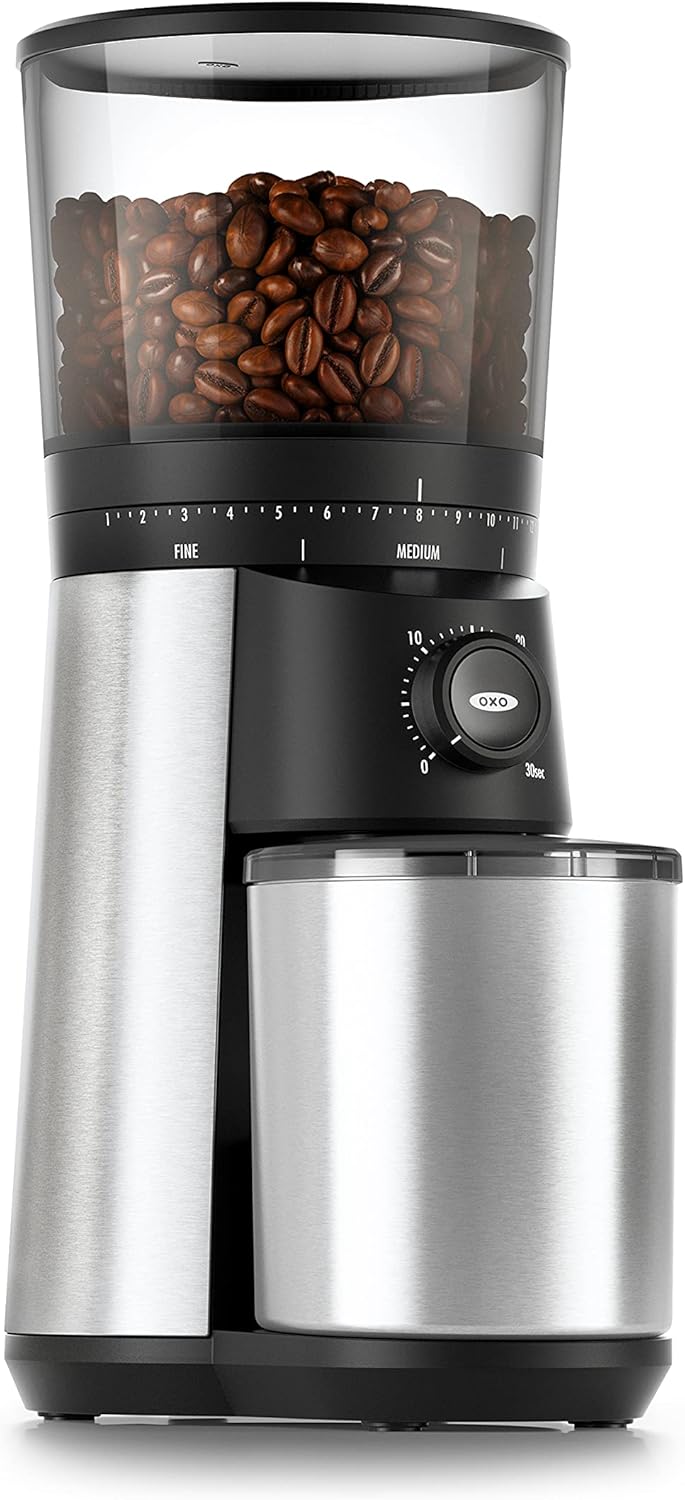
- Use a burr grinder set to coarse.
- Preheat the carafe to keep temperature steady.
- Time the steep and press slowly.
- Rinse the mesh filter to remove trapped fines.
Mistakes I made early on
- Grinding too fine and getting grit in the cup.
- Letting coffee sit on grounds; it kept over-extracting.
- Using poor water temperature leading to flat taste.
These small changes improved flavor dramatically. They reflect hands-on experience, not just theory.
Why the invention date still matters
As a coffee lover, I find asking when was the french press coffee maker invented helps frame its role in coffee culture. The date shows how simple tools evolve into classics. It also informs collectors, baristas, and designers who care about authenticity.
Practical relevance
- Helps identify vintage models and patents.
- Guides decisions if you want design authenticity.
- Offers context for why certain features exist.
The story behind the date is a mix of invention, refining, and adoption. That makes the French press both historic and highly usable today.
Frequently Asked Questions of when was the french press coffee maker invented
What year is usually cited for when the french press coffee maker invented?
Most sources point to the early 20th century for key patents and the 1950s for the popular modern design. The exact year is debated because of earlier 19th-century plunger-style devices.
Who is credited with inventing the modern French press?
The modern design was refined by several designers over decades, with a notable commercial refinement in the mid-20th century. Attribution varies by country and patent records.
Were there earlier versions before the 20th century?
Yes. Early plunger devices and similar concepts show up in the mid-1800s. These earlier versions laid the groundwork for later improvements.
Why is the invention date unclear?
Simple devices often evolve through many small improvements by various makers. Patent records and marketing claims sometimes conflict, making a single "invention date" hard to pin down.
Does the original invention country define the name "French" press?
Not really. The name "French press" is one of many common names. The device was popularized across Europe and the world, and the name stuck regardless of its exact origin.
Conclusion
The answer to when was the french press coffee maker invented is not a single neat date. Early plunger ideas began in the 19th century, key patents and designs appeared in the early 1900s, and the modern, widely recognized form emerged by the mid-20th century. Understanding this timeline helps you appreciate the tool and use it better.
Try a simple experiment: brew two presses with different grinds and steep times. Compare the taste and adjust. If you enjoyed this guide, leave a comment with your favorite French press tip, subscribe for more coffee history and brewing guides, or try the recipe shared here and tell me how it went.