Are French Press Coffee Makers Worth It: Real Value

Yes — for many home brewers, a French press is worth the cost for richer, fuller coffee.
I’ve brewed with a French press for years, tested several models, and taught friends how to use one. This guide answers whether are french press coffee makers worth it by looking at taste, cost, ease, pros and cons, and real steps to get great results. Read on to learn clear, practical advice so you can decide if a French press fits your routine and budget.
How a French Press Works
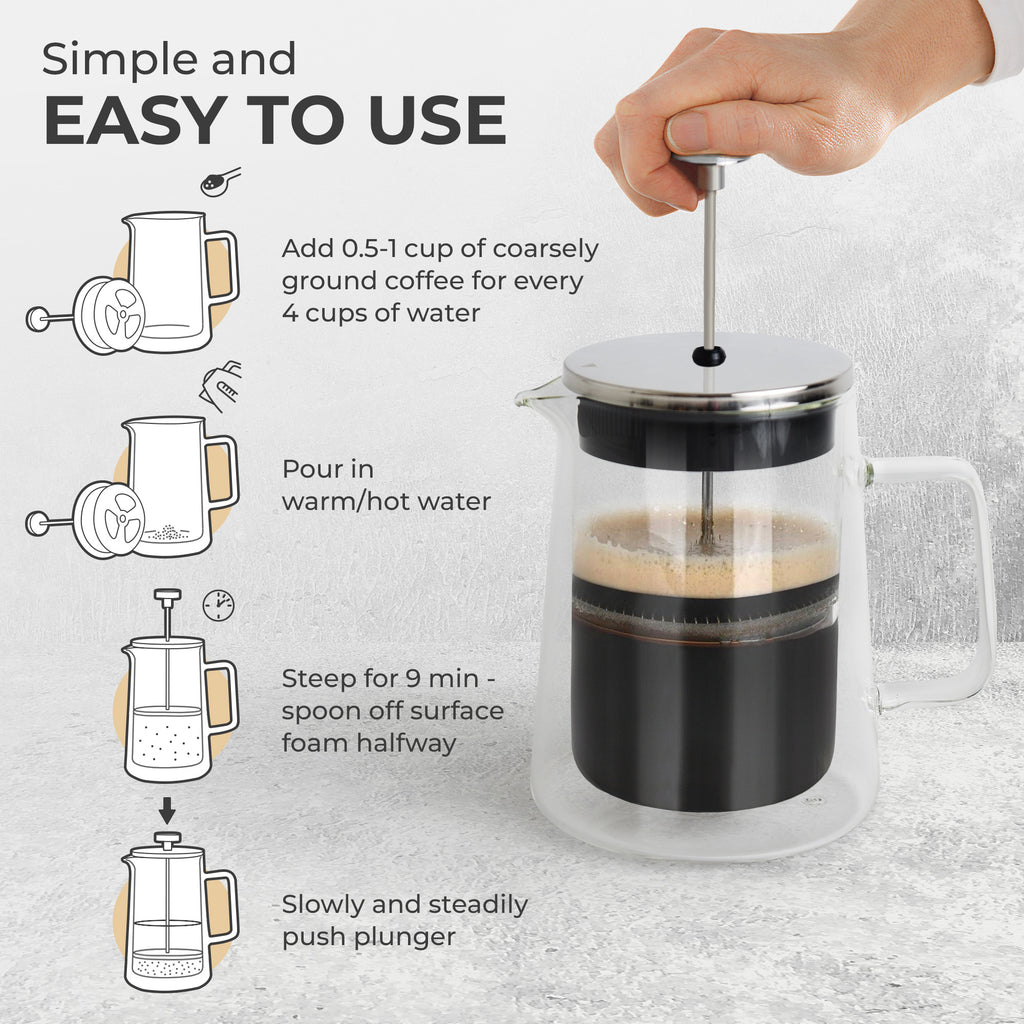
A French press makes coffee by full immersion. You add coarse coffee, pour hot water, steep, and press a metal plunger to separate grounds. The metal mesh filter lets oils and tiny solids through. That creates a fuller mouthfeel than paper-filter methods.
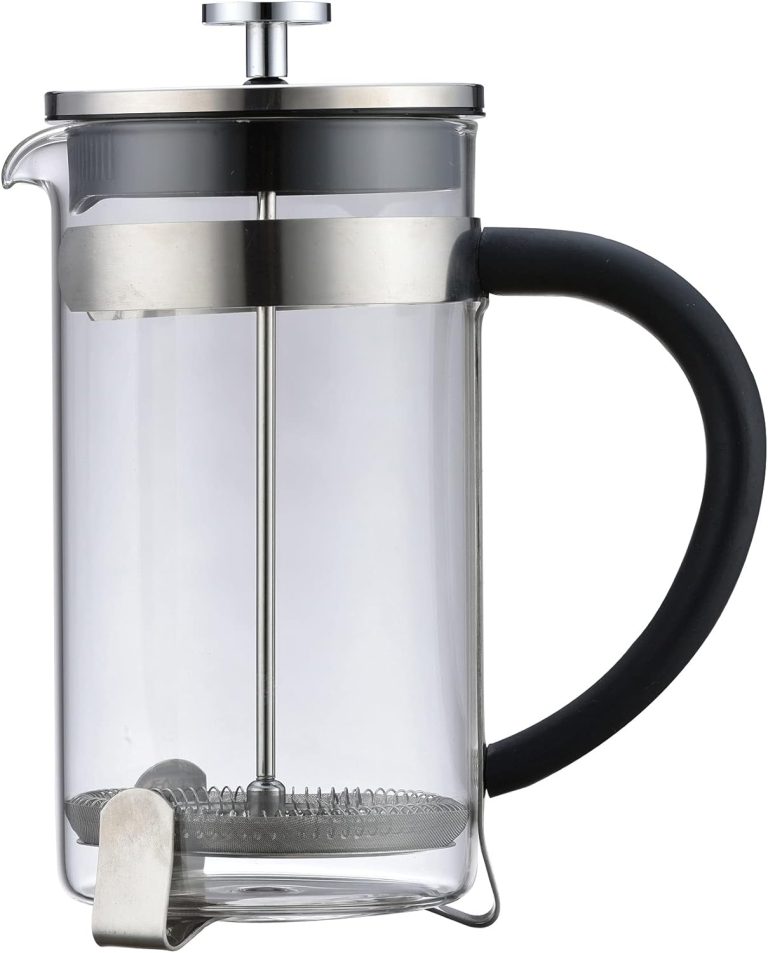
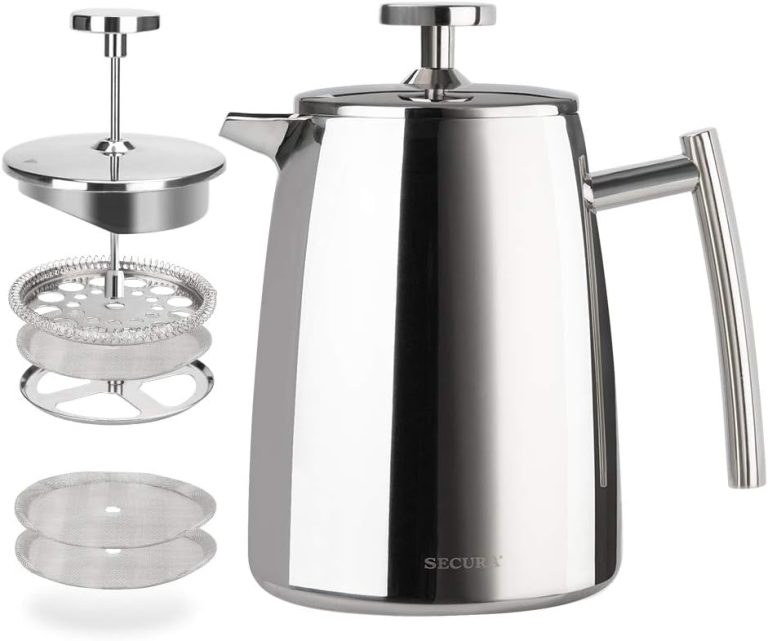
Key parts and simple terms:
- Carafe: holds coffee and water.
- Plunger and mesh: separate grounds from liquid.
- Grind: coarse and even works best.
This basic design is old and simple. It gives you control over brew time and strength.

Benefits of Using a French Press
A French press delivers flavor and control that many people love. It is a great tool if you like bold coffee and hands-on brewing.
Main benefits:
- Richer flavor: metal filter allows oils and fine particles into the cup for full taste.
- Simple to use: no pods or complex machines. It works with hot water and a timer.
- Cost-effective: low upfront cost for good models and no special filters.
- Eco-friendly: reusable mesh filter reduces paper waste.
- Portable and durable: some stainless models travel well and last years.
From my experience, switching from auto drip to a French press highlighted flavors I missed. Small steps like a slightly finer coarse grind made big taste improvements.

Drawbacks and Limitations
A French press is not perfect. It may not suit every coffee drinker or situation.
Common limitations:
- Sediment: some grit ends up in the cup. Not ideal if you dislike texture.
- Cleanup: spent grounds need scooping and rinsing each time.
- Temperature control: keeping water hot during steep can be tricky.
- Consistency: grind size and timing matter. Mistakes show quickly.
- Not espresso: it won’t make espresso or very concentrated shots.
I once brewed with too-fine grounds and got bitter, sludgy coffee. That mistake taught me to keep consistent coarse grind and timing.
Are French Press Coffee Makers Worth It?
If your main goal is better flavor without a steep learning curve, then are french press coffee makers worth it for you. They are worth it when you want richness, low cost, and low waste.
Consider these scenarios:
- You value strong flavor and mouthfeel: a French press is worth it.
- You want low ongoing cost: worth it for reusable filters.
- You need fuss-free single cups on a busy morning: may be less worth it than a pod brewer.
- You want espresso-style drinks: not worth it alone.
From my tests and daily use, are french press coffee makers worth it when you brew mindfully. They reward care in grind, water temperature, and timing. For many home brewers, the trade-offs are small compared to the flavor gains.
How to Get the Best Results
Good coffee from a French press comes from simple rules. Follow these to get a clean, full cup.
Step-by-step brew guide:
- Measure: use a 1:15 to 1:17 coffee-to-water ratio (by weight).
- Grind: coarse, like sea salt. Avoid fine or uneven grinds.
- Heat: bring water to near boil, then rest 30 seconds (195–205°F).
- Bloom: pour a little water and let grounds hydrate for 30 seconds.
- Steep: pour remaining water and steep 3.5 to 4 minutes.
- Press: slowly press the plunger straight down.
- Serve: pour immediately to avoid over-extraction.
Practical tips from experience:
- Use a scale and timer for repeatable results.
- Stir gently once after 30 seconds for even extraction.
- If sediment bothers you, decant into a cup right after pressing.
Small changes matter. I reduced bitterness by trimming steep time by 30 seconds and using slightly coarser grind. Those tweaks made the cup smoother and cleaner.

Choosing the Right French Press
Pick a press that fits your routine and budget. Material and size shape the taste and durability.
What to consider:
- Capacity: 12 oz for one, 34–51 oz for two or more.
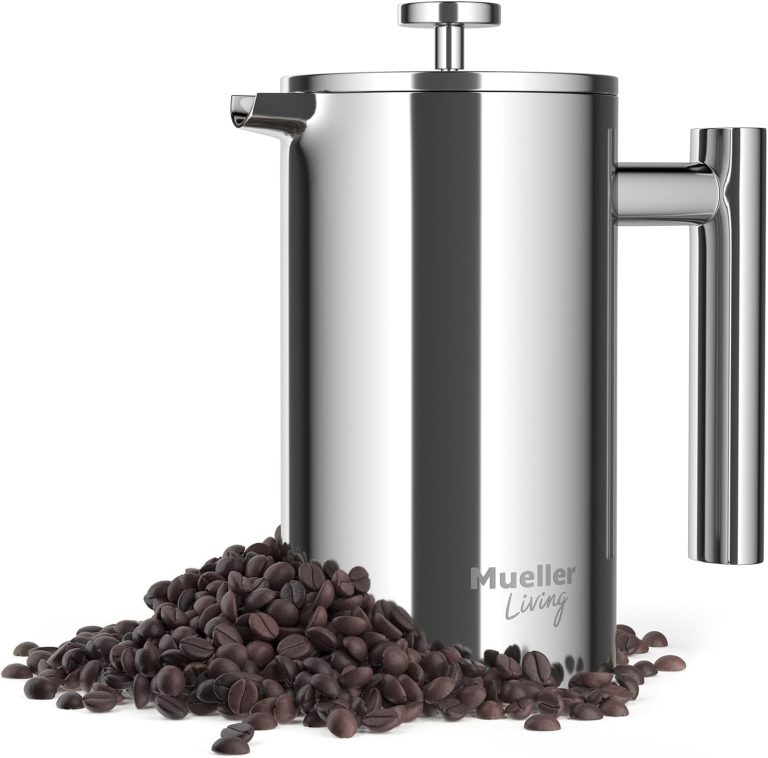
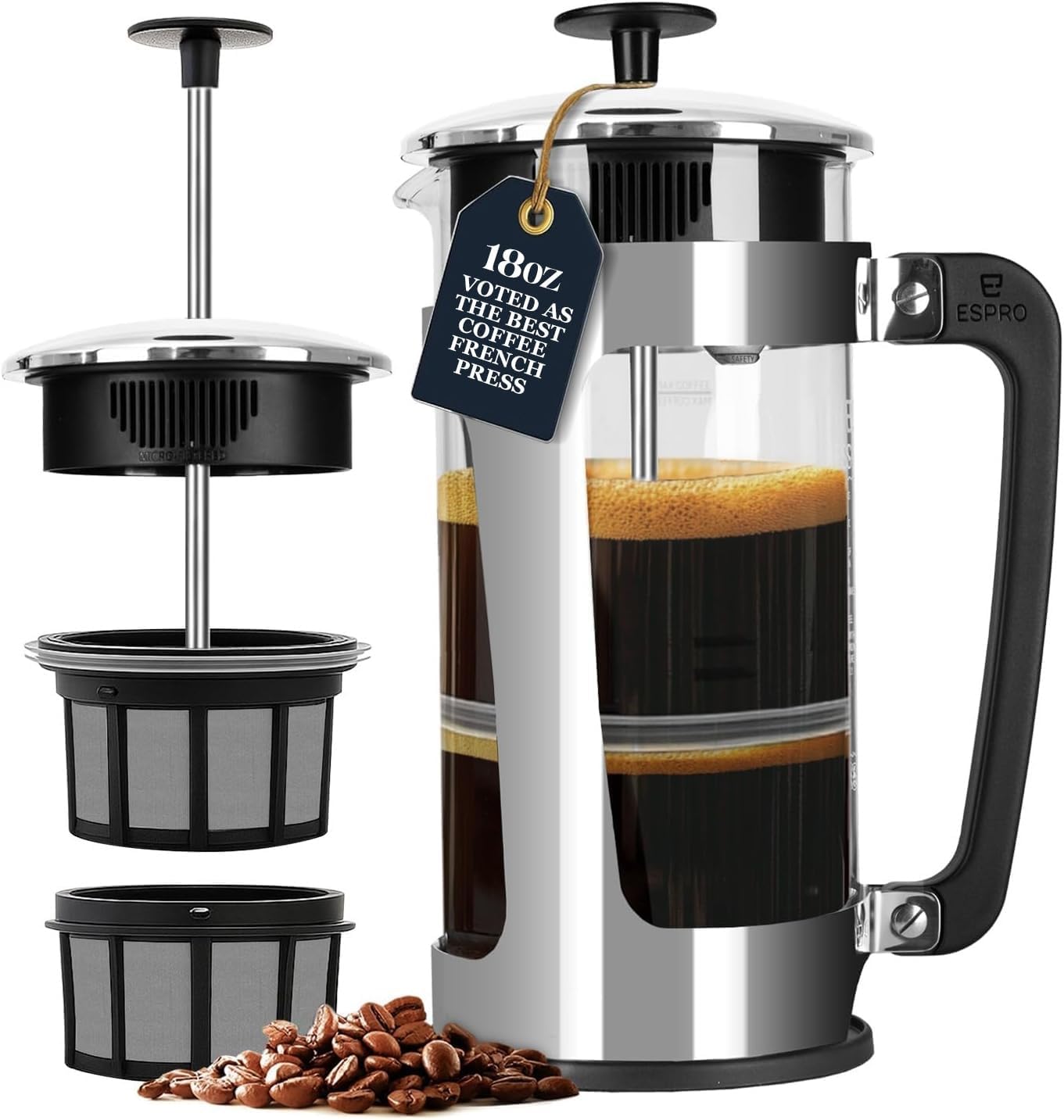
- Material: borosilicate glass is classic and clear; stainless steel keeps heat better.
- Filter quality: fine mesh gives cleaner taste and less grit.
- Double-wall vs single: double-wall keeps coffee hotter longer.
- Lid and spout design: look for drip-free pour and sturdy lid.
I recommend a stainless or insulated glass press for daily use. A travel model is great if you brew at work or on trips.

Maintenance and Cleaning
Clean a French press often. It keeps flavor fresh and parts working well.
Daily care:
- Scoop grounds into compost or trash.
- Rinse carafe and plunger under warm water.
- Dry parts to prevent rust on metal components.
Deep clean every week or two:
- Disassemble and soak in warm, soapy water.
- Scrub the mesh and plunger to remove oils.
- Replace worn mesh to reduce grit.
I learned that skipping deep cleans led to stale taste. Regular cleaning kept flavors bright and consistent.

Cost and Environmental Impact
A French press is affordable and often eco-friendly. It has a low long-term cost and small waste footprint.
Cost breakdown:
- Entry-level models are under $30.
- Mid-range lasts years and costs $40–100.
- High-end stainless models cost more but offer durability.
Environmental points:
- No paper filters save waste.
- No electricity for many models (boil water separately).
- Long-lived parts reduce single-use gear.
For budget-conscious and eco-aware people, are french press coffee makers worth it because they lower waste and long-term spend.

Quick Questions (PAA-style)
How long should I steep in a French press?
Steep 3.5 to 4 minutes for balanced flavor. Shorter gives brighter taste; longer makes it stronger and bitter.
What grind size is best for a French press?
Use coarse, even grounds similar to sea salt. Too fine leads to grit and over-extraction.
Can I use pre-ground coffee in a French press?
You can, but fresh, coarse-ground beans give better flavor. Pre-ground coffee often loses aroma faster.
Frequently Asked Questions of are french press coffee makers worth it
Are French press coffees stronger than drip?
Yes, French press often tastes stronger because oils and fine particles stay in the cup. Strength also depends on ratio and steep time.
Do French presses make bitter coffee?
They can if you over-extract with too fine a grind or too long a steep. Adjust grind coarseness and steep time to reduce bitterness.
Is a French press hard to clean?
No, basic cleaning is quick: dump grounds and rinse. A deeper clean is needed weekly to remove oils and buildup.
Will a French press replace my espresso machine?
No, a French press can’t make true espresso. It makes a strong brew but not the pressure and crema of espresso.
Are French presses good for travel?
Yes, insulated stainless models are excellent for travel. Glass presses are less durable for trips.
Can I use paper filters with a French press?
You can decant through a paper filter after pressing for a cleaner cup, but that reduces the French press’s low-waste advantage.
How long does coffee stay hot in a French press?
Heat retention depends on material. Double-wall stainless models keep coffee hot longer than glass carafes.
Conclusion
A French press is worth it if you value full flavor, simple gear, and low ongoing cost. It rewards a bit of care with richer, more textured coffee. Try a mid-range press, practice the grind and timing tips here, and see how the taste improves. If you liked this guide, try one brew method for a week and compare results—or leave a comment about your experience and subscribe for more coffee tips.