Air Fryer Reheating Tips for Crispy Results Every Time

Use moderate heat, keep leftovers in a single layer, and shake or flip halfway through for the best air fryer reheating results. The air fryer is usually best for foods that should stay crisp, while saucy or delicate leftovers may need a different method.
Air fryers can turn leftovers back into something worth eating, especially when you want crisp edges instead of a soft, soggy finish. These air fryer reheating tips will help you get better texture, more even heating, and fewer wasted meals.
- Use moderate heat: Start lower and add time only if needed.
- Keep airflow clear: Single layers crisp better than overcrowded baskets.
- Match food to method: Pizza, fries, wings, and vegetables reheat well.
- Check safety: Reheat meat and poultry thoroughly before serving.
Why Air Fryer Reheating Tips Matter for Crispy Leftovers
The biggest reason people use an air fryer for leftovers is simple: texture. A microwave is fast, but it often softens breading, fries, and pizza crust. An air fryer gives you moving hot air, which helps restore crunch without turning everything into a dry, overcooked mess.
That does not mean every leftover behaves the same way. Some foods need a short blast of heat, while others need a gentler approach so the outside does not brown before the inside is warm. Good reheating habits make a big difference in both taste and food safety.
What readers are trying to solve: soggy pizza, limp fries, dry chicken, and uneven reheating
Most leftover problems come from too much moisture, too much heat, or too much food packed into one basket. Pizza can turn floppy, fries can go limp, and chicken can dry out at the edges before the center is fully warm. The air fryer helps, but only if you use the right time and temperature.
Uneven reheating is another common issue. One side may be hot while the other still feels cold, especially with thicker items or larger portions. Simple setup changes, like shaking the basket or flipping food halfway through, help a lot.
How the air fryer compares with microwave, oven, and toaster oven for texture and speed
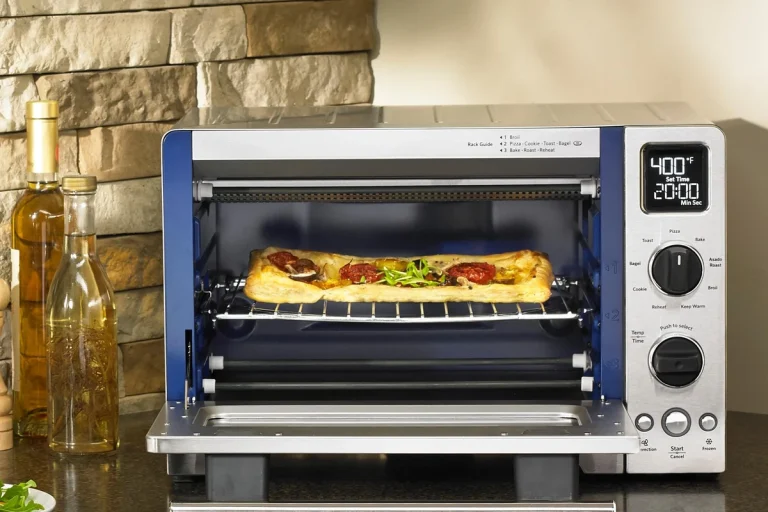
A microwave is usually the fastest option, but it is not the best for crispiness. A conventional oven can give excellent results, though it usually takes longer and uses more energy for small portions. A toaster oven sits somewhere in the middle.
An air fryer is often the best balance for single servings and small batches. It heats quickly, crisps well, and does not require as much preheat time as a full oven. Results still vary by model, basket size, and the food you are reheating.
Best Foods to Reheat in an Air Fryer for the Crispiest Results
The air fryer shines with foods that already have a crisp exterior or benefit from one. Think fried leftovers, pizza slices, wings, nuggets, and roasted vegetables. These foods usually recover texture well because the dry circulating heat helps remove surface moisture.
For best results, start with foods that are already cooked and only need reheating. Very wet dishes, soups, and saucy meals usually do better with another method unless you make careful adjustments.
Fried foods, pizza, wings, nuggets, and roasted vegetables
These are the easiest wins. Fries, onion rings, chicken wings, breaded nuggets, and roasted vegetables can all come back to life with a short cycle in the air fryer. Pizza also does well because the crust can crisp while the cheese warms.
Foods with a coating or browned surface usually benefit most. The air fryer helps restore the texture that the refrigerator tends to soften. Just avoid overcooking, because a few extra minutes can push them from crisp to dry.
Foods that need extra caution: breaded items, pastries, and delicate seafood
Breaded foods can go from crisp to too dark very quickly, especially if the coating is thin. Pastries can dry out or lose their flaky structure if the heat is too high. Delicate seafood can also become rubbery if reheated too aggressively.
For these foods, use a lower temperature and check early. You want warmth and texture, not a second round of cooking. If the item is small or thin, reduce the time even more.
Foods that do not always benefit from air fryer reheating
Some leftovers are simply better in the microwave, oven, or stovetop. Soupy foods, creamy casseroles, and very saucy pasta can heat unevenly in an air fryer and may dry out at the edges. Soft baked goods can also lose tenderness.
If the main goal is just to make food hot, not crispy, another method may be easier. Air fryer reheating is best when texture matters and the food can handle dry heat.
Air Fryer Reheating Tips: Time, Temperature, and Basket Setup
The right settings depend on the food, how cold it is, and how much you are reheating. In general, use moderate heat and start with a short cook time. You can always add more time, but you cannot undo overcooking.
These air fryer reheating tips are meant to help you avoid guesswork. If your model runs hot or has a strong fan, you may need to shorten the time a little. If it is a compact unit or a lower-wattage model, you may need a bit more time.
Recommended temperature ranges for common leftovers
For many leftovers, a range around 320°F to 375°F works well. Lower temperatures are better for thicker foods or items that dry out easily. Higher temperatures are better for foods that need a quick crisp finish, like fries or breaded chicken.
Pizza often reheats nicely at a moderate temperature so the cheese melts before the crust burns. Vegetables usually need less heat than fried foods. If you are unsure, start lower and increase only if needed.
How to preheat, shake, flip, or rotate for even heating
Preheating is not always required, but it can improve crisping for foods that need a fast finish. A preheated basket can help the outside set quickly. For some leftovers, that can be the difference between crisp and soggy.
Shaking or flipping halfway through helps expose more surface area to hot air. This is especially useful for fries, nuggets, and small vegetable pieces. Larger items may need a simple rotation instead of a full shake.
Single-layer loading vs overcrowding the basket
Single-layer loading is usually the safest way to get crisp results. When food overlaps too much, steam gets trapped and the texture suffers. That is one of the most common reasons leftovers come out soft.
If you need to reheat more food, do it in batches. It takes a little longer, but the result is usually better. A crowded basket often looks efficient and performs poorly.
Using foil, parchment, or oil spray safely
Light parchment liners or perforated air fryer parchment can help with cleanup, but they should not block airflow. Foil can be useful in some cases, but it should be used carefully and only when it will not interfere with circulation or touch the heating element. Always follow your appliance manual.
A small amount of oil spray can improve browning on certain foods, especially vegetables or breaded items. Use a light coat, not a heavy layer. Too much oil can smoke, splatter, or make the food greasy.
Step-by-Step Reheating Methods for Popular Leftovers
Different leftovers need different approaches. The same temperature that works for pizza may overcook bacon or dry out chicken. Use these basic methods as starting points, then adjust for your specific air fryer and portion size.
Pizza slices and calzones
Place slices in a single layer and reheat at a moderate temperature until the cheese is melted and the crust feels crisp again. A short cycle is usually enough. If the slice is thick, give it a little more time rather than raising the temperature too much.
Calzones and stuffed pizza pockets may need a lower temperature so the center warms without burning the outside. If the filling is very dense, let the food sit at room temperature briefly before reheating, but do not leave it out too long.
French fries, onion rings, and tater tots
These are some of the best foods for air fryer reheating. Spread them in one layer and shake the basket once or twice during cooking. They usually need only a few minutes to regain crispness.
If they seem dry, a very light oil spray can help. If they are already seasoned heavily, skip the extra oil and focus on even spacing. Overcrowding is the main thing to avoid.
Fried chicken, wings, and tenders
Reheat fried chicken at a moderate temperature so the coating crisps without burning. Bone-in pieces usually take longer than tenders or wings. Turn the pieces once for even heating.
For meat and poultry, the center should be hot enough to eat safely. If the outside is browning too quickly, lower the temperature and extend the time slightly. That usually gives better results than blasting the food with high heat.
Breakfast foods like hash browns, bacon, and breakfast sandwiches
Hash browns and breakfast potatoes usually reheat well because they already rely on crisp texture. Bacon also works, but it can go from crisp to brittle quickly. Check early and remove it as soon as it reaches the texture you want.
Breakfast sandwiches are a mixed case. The bread, egg, and meat may heat at different speeds, so moderate heat works best. If the sandwich has cheese, wrap it loosely only if your manual allows it and the setup will not block airflow.
Vegetables, baked sides, and stuffed foods
Roasted vegetables can regain some crispness, but they usually need less time than fried foods. Stir or shake them once to prevent hot spots. Soft vegetables may dry out if left too long.
Baked sides and stuffed foods need a balance of heat and moisture. If the exterior is browning too fast, reduce the temperature. For dense fillings, use a slightly longer cycle instead of high heat.
Common Mistakes That Ruin Air Fryer Leftovers
Most reheating failures come from a few repeat mistakes. The good news is that they are easy to fix once you know what to watch for. Better setup usually matters more than fancy settings.
Skipping preheat or using too much heat
Skipping preheat can make some foods take longer to crisp, though not every leftover needs it. On the other hand, using too much heat can burn the outside before the middle warms through. Both mistakes can lead to disappointing results.
For many leftovers, moderate heat and a short check-in point work best. If your air fryer runs hot, reduce the temperature a little and add time only if needed.
Reheating wet or saucy foods without adjustments
Foods with sauce, steam, or high moisture can make the basket environment too damp. That can soften breading and prevent crisping. It can also create splatter and cleanup problems.
If you must reheat a wetter food, use a lower layer, shorter time, and a setup that allows air to move around the food. Sometimes a different appliance is simply the better choice.
Forgetting to check internal temperature for meat and poultry
Texture matters, but safety matters more. Meat and poultry should be reheated thoroughly, not just warmed on the outside. A quick color check is not enough to confirm safe reheating.
If you are reheating chicken, turkey, or other meat leftovers, use a food thermometer when appropriate. This is especially important for thicker pieces or mixed dishes with dense centers.
Using the wrong container, liner, or basket accessory
Not every liner or accessory is safe for every air fryer. Some materials can block airflow, curl, or interfere with heating. Others may be fine in one model but not another.
Always check your appliance instructions before using foil, parchment, or silicone inserts. If an accessory changes airflow too much, it can reduce crisping instead of improving it.
Safety, Food Quality, and Cost Considerations When Reheating
Air fryer reheating is convenient, but it should still be done carefully. Good food quality comes from balancing speed, temperature, and proper handling. That also helps reduce waste and unnecessary energy use.
Food safety basics: temperature checks and avoiding underheating
Leftovers should be reheated until they are hot throughout, especially meat, poultry, and mixed dishes. Do not rely on the outside texture alone. A crisp shell can hide a cool center.
If food has been stored properly, reheating should be straightforward. If you are unsure how long it has been out or whether it was cooled safely, it is better to be cautious and discard questionable food.
Preventing smoke, splatter, and burnt crumbs
Small crumbs, excess oil, and sugary coatings can smoke at higher temperatures. That can affect both the smell and the taste of your food. A quick basket clean between uses helps reduce this problem.
For messy leftovers, use the lightest safe liner or accessory your manual allows. Keeping the basket clean and avoiding too much oil will usually prevent most smoke issues.
Energy and time comparison: air fryer vs oven vs microwave
The microwave is usually the fastest and lowest-effort option, but it does not give the best texture. The oven is great for larger portions, though it often takes longer and uses more energy for small servings. The air fryer often offers a practical middle ground.
For one or two servings, the air fryer is often a smart choice. For a big tray of leftovers, the oven may be more efficient. The best option depends on quantity, texture goals, and how quickly you need the food.
When reheating in batches is better than one overloaded cycle
Batch reheating usually produces better texture than stuffing everything into one basket. It allows better airflow and more even browning. That matters most for fries, nuggets, and breaded foods.
Yes, batching takes a little more time. But if the goal is crisp leftovers, it is often worth it. A crowded basket may save a minute and cost you the result.
Choosing the Right Air Fryer Settings for Different Models
Not all air fryers behave the same way. Basket-style units, oven-style models, and dual-basket machines can all produce good results, but they may need different timing and loading habits. Your best settings may vary by model and brand.
Basket air fryers vs oven-style air fryers
Basket air fryers often heat quickly and work well for small batches. They are usually easier to shake and toss, which helps with even reheating. Oven-style air fryers can handle larger portions but may need more rotation and careful placement.
Oven-style units are often better for multiple items spread across racks. Basket models are often better for quick crisping in a smaller space. Neither is universally better; it depends on what you reheat most often.
How wattage, basket size, and presets affect reheating results
Higher wattage can mean faster heat recovery, but it can also mean food browns more quickly. Basket size affects airflow, which changes how evenly leftovers crisp. Presets may be convenient, but they are not always the best choice for every food.
Use presets as a starting point, not a rule. If your air fryer has strong fan power or a compact chamber, you may need to shorten the cooking time. If it is larger, you may need to extend it slightly.
Adjusting for compact, family-size, and dual-basket units
Compact air fryers are great for small leftovers, but they can crowd quickly. Family-size units give you more room, though they may take a little longer to preheat. Dual-basket models are useful when you want to reheat different foods at different settings.
For any model, the same core rule applies: give the food space to breathe. Good airflow is what creates crisp leftovers, not just high heat.
Final Recap: The Easiest Way to Get Crispy Leftovers Every Time
The simplest air fryer reheating tips are also the most reliable: use moderate heat, avoid overcrowding, and check early. Most leftovers improve when you treat the air fryer like a crisping tool, not just a faster oven.
With a little practice, you can bring pizza, fries, wings, and other leftovers back to life without drying them out. The key is matching the food, the temperature, and the basket setup to the job.
Quick summary of the most reliable air fryer reheating tips
Start with a lower-to-moderate temperature, then add time only if needed. Preheat when crisp texture matters, and shake or flip halfway through for even results. Keep food in a single layer whenever possible.
Best practices to remember for texture, safety, and convenience
Choose the air fryer for foods that benefit from crunch, and use other appliances when moisture or sauce is the priority. Check meat and poultry carefully for safe reheating. Most of all, trust small adjustments over aggressive heat.
Frequently Asked Questions
A basket that fits your usual leftover portions without crowding is best. Smaller baskets work well for single servings, while larger or dual-basket models help when reheating for more than one person.
Not always. A light spray can help some foods crisp up, but many leftovers do not need extra oil and may smoke or taste greasy if you use too much.
Let the unit cool, then remove crumbs and wipe the basket and tray with warm soapy water if the manufacturer allows it. Cleaning regularly helps prevent smoke, odor buildup, and burnt residue.
For small portions, an air fryer is often faster and gives crispier texture than an oven. For larger batches, the oven may be more practical and easier to load evenly.
Check basket size, wattage, counter space, cleaning ease, and whether the controls are simple enough for everyday use. It also helps to compare warranty terms and read the manual for temperature range and accessory compatibility.
Watch for burn risk, smoke from excess oil or crumbs, and underheating meat or poultry. If you need electrical changes, built-in installation, or appliance repair beyond basic cleaning, contact a qualified professional.