Air Fryer Bread Toasting Guide for Perfect Crunch

An air fryer can toast bread well when you use moderate heat, leave space for airflow, and check early. It works best for slices that fit comfortably and need a crisp finish without the mess of a toaster oven.
If you want fast toast with a crisp edge and a soft center, an air fryer can do the job well. This air fryer bread toasting guide explains what works, what does not, and how to get repeatable crunch without burning the edges.
- Start point: Use moderate heat and watch closely near the end.
- Best fit: Standard, thick-cut, frozen, and artisan bread can all work.
- Main limit: Overcrowding and high heat cause uneven or burnt toast.
- Cleanup matters: Crumbs and residue can affect flavor and safety.
What Readers Want From an Air Fryer Bread Toasting Guide in 2025

Most people are not looking for a complicated method. They want a quicker option than the oven, less cleanup than a pan, and more control than a basic toaster.
In 2025, air fryers are common in many kitchens, so the real question is not whether they can toast bread. It is whether they can toast the kind of bread you actually eat, in the texture you prefer, with minimal guesswork.
Quick intent check: faster, crispier, less messy than a toaster
An air fryer can be a good choice when you want a slightly drier, crunchier finish than a standard toaster gives. It is also useful when you are already cooking something else and want to toast bread at the same time.
That said, it is not always the fastest tool for a single slice. A toaster still wins for speed and convenience when you only need basic browning.
What “perfect crunch” means for white bread, sourdough, sandwich bread, and artisan slices
Perfect crunch is not the same for every loaf. White sandwich bread usually needs only light browning, while sourdough and artisan slices often need more time to dry the surface and crisp the crust.
Thicker bread can stay soft in the middle while the outside gets golden. Thin bread may become crisp quickly, so it needs closer attention and a lower temperature.
Can Your Air Fryer Toast Bread Properly? Basket vs Oven-Style Compatibility
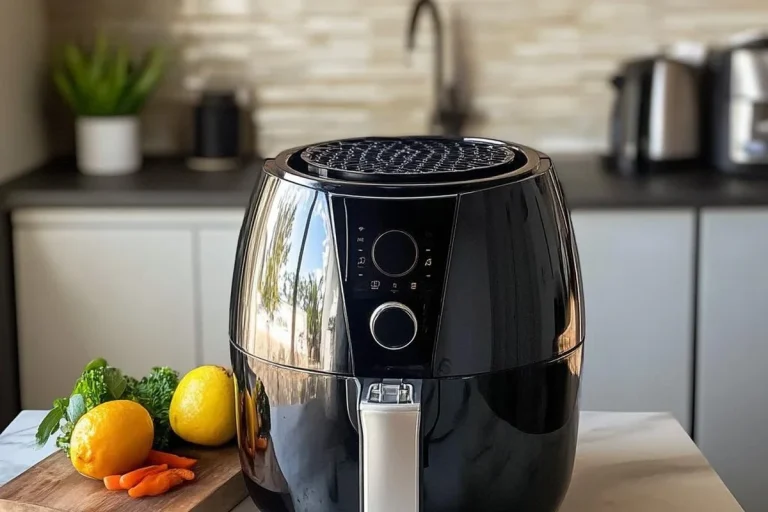
Most air fryers can toast bread, but the results depend on the design. Airflow, basket shape, rack placement, and how much room the slices have all affect browning.
Which air fryer types handle bread best: basket, toaster-oven style, and dual-zone models
Basket air fryers work well for standard slices if the bread fits flat and the basket is not crowded. Toaster-oven style air fryers are often easier for bread because they give you a rack and more control over height.
Dual-zone models can be useful for making multiple slices, but each zone still needs enough space for airflow. If the slices are too close together, you may get pale spots or uneven color.
Slice size, rack height, and airflow clearance that affect browning
Slice size matters more than many people expect. Bread that touches the basket wall or sits too close to the heating element may brown too quickly on one side and stay soft on the other.
Good airflow around each slice helps the surface dry out evenly. In toaster-oven style air fryers, rack height also matters because the top element can toast the top before the bottom is fully done.
When a toaster is still the better option for thin or oversized bread
If the bread is very thin, a toaster is usually simpler and more predictable. Oversized artisan slices can also be awkward in an air fryer if they need to be bent, stacked, or trimmed to fit.
For those cases, a toaster or toaster-oven may give cleaner results with less monitoring. The air fryer is best when the slices fit comfortably and you want more flexibility with texture.
Step-by-Step Bread Toasting Method for Consistent Results
The most reliable approach is to start with a moderate temperature, check early, and adjust by bread type. Air fryers vary by brand and model, so the first run is about learning your machine’s pace.
Preheat or no preheat: when it matters and when it does not
Preheating helps when you want more even browning from the first second. It is especially useful for thicker bread, frozen slices, or toaster-oven style air fryers with larger cavities.
For quick light toast, you can often skip preheating and still get good results. Just expect the first batch to take a little longer if the basket or chamber starts cold.
Temperature guide for light toast, medium crunch, and deep golden toast
A practical starting range is 320°F to 360°F for most bread. Lower heat gives you more control, while higher heat speeds up browning but can dry the edges too fast.
For light toast, begin near the lower end. For medium crunch, move into the middle of the range. For a deeper golden finish, use the upper end carefully and watch closely near the end of cooking.
Timing by bread type: sandwich bread, sourdough, frozen bread, bagels, and thick-cut slices
Thin sandwich bread may toast in just a few minutes, while thicker sourdough or artisan slices often need longer. Frozen bread usually needs extra time because the surface must thaw before it browns well.
Bagels and thick-cut slices can take more effort because they are denser and hold more moisture. If your air fryer runs hot, start with a shorter time and add more in small increments.
Flipping, spacing, and basket placement for even browning
Flipping can help if one side browns faster than the other, especially in basket-style air fryers. It is not always required, but it can improve consistency when the airflow is uneven.
Leave space between slices so hot air can move around them. If you are making more than one batch, keep the first batch warm on a rack instead of stacking it, or the steam will soften the crust.
Best Bread Types, Thickness, and Add-Ons for Air Fryer Toast
Not every bread behaves the same way in an air fryer. The best results usually come from bread that can dry and brown without becoming too fragile.
How bread thickness changes crispness and center softness
Thin slices crisp quickly and can become brittle if left too long. Thick slices stay softer inside, which is helpful if you want a contrast between a crunchy exterior and a tender center.
If you like a strong crunch, thicker bread can still work well, but it usually needs a slightly lower temperature and a longer finish. That gives the outside time to brown without turning the center dry.
Butter, oil, garlic spread, and cinnamon sugar: what works without burning
A thin layer of butter or oil can improve browning, but too much can lead to greasy spots and faster scorching. Garlic spread and cinnamon sugar both add flavor, but they can burn more easily than plain bread.
Keep toppings thin and even. If you are using sugar, watch the toast closely because sweet coatings can darken fast once they start to caramelize.
Frozen bread and stale bread: when the air fryer actually improves texture
Frozen bread often benefits from the air fryer because the circulating heat helps thaw and crisp at the same time. It can be especially useful when you want toast without waiting for full room-temperature thawing.
Stale bread can also improve in the air fryer if your goal is to restore crunch. It will not make old bread fresh again, but it can bring back a better texture for breakfast or sandwiches.
Common Mistakes That Ruin Air Fryer Toast
Most bad toast comes from a few simple mistakes, not from the appliance itself. Once you avoid those errors, the results become much more predictable.
Overcrowding the basket and blocking airflow
Too many slices at once can trap steam and reduce browning. The bread may come out unevenly colored, with one side crisp and the other still soft.
If you need several slices, work in batches or use a larger oven-style model with enough rack space. Air circulation is the key to getting that dry, crunchy finish.
Using too high a temperature and scorching the edges before the center crisps
High heat can brown the outside before the bread has time to dry through. That often leads to dark edges and a center that still feels soft or chewy.
A moderate temperature gives you more control and usually produces better texture. It is easier to add a little more time than to fix burnt toast.
Skipping checks and letting toast go from golden to burnt in seconds
Air fryers can change quickly near the end of cooking. A slice that looks almost done can turn too dark very fast, especially if it is thin or already buttered.
Check early and often the first few times you make toast in a new machine. Once you know the timing, you can still monitor the final minute closely.
Forgetting to clean crumbs and residue that can affect flavor and safety
Crumbs can affect taste, smoke level, and cleanup. In some air fryers, leftover oil or sugar can also create sticky residue that darkens during later use.
Keep the basket, tray, and crumb areas clean so the toast tastes fresh and the appliance runs safely. Regular cleaning also helps airflow stay consistent.
Time, Energy, and Cost Comparison: Air Fryer vs Toaster vs Oven
The best appliance depends on how much toast you need and how quickly you want it. Each option has strengths, and the right answer changes with your routine.
Typical toast times and how they compare across appliances
A toaster is usually the quickest for one or two slices. An air fryer is often slightly slower, but it can be more versatile if you are already using it for another task.
A full oven is usually the slowest for simple toast because it takes longer to preheat and recover heat. It makes more sense when you are toasting a large batch or preparing a bigger meal.
Energy-use considerations for single slices and multiple servings
For one or two slices, a toaster is often the most efficient choice. The air fryer can still be reasonable, especially if it is already running for another food item.
For several servings, an air fryer or toaster-oven style model may be more practical than a standard toaster. You save effort by handling more bread at once, even if each slice needs a bit more attention.
When the air fryer saves effort, and when a toaster is faster
The air fryer saves effort when you want a more flexible result, such as frozen bread, thicker slices, or lightly flavored toast. It also helps when counter space is limited and you prefer one appliance for multiple jobs.
A toaster is still faster for routine breakfast toast. If speed and simplicity matter most, the classic toaster remains hard to beat.
Safety and Maintenance Tips for Better Toasting Results
Air fryer toast is simple, but heat and airflow still require care. A few basic habits can improve both safety and consistency.
Heat-safe handling, basket removal, and avoiding steam burns
Use heat-safe tools or the appliance handle when removing toast. The bread and basket can both be hotter than they look, and steam may escape when you open the drawer or door.
Let the toast rest for a moment before touching it directly. That small pause can prevent burns and help the crust stay crisp.
Keeping bread away from heating elements in toaster-oven style air fryers
In toaster-oven style air fryers, bread that sits too high can brown too quickly or even touch the heating element. That creates uneven toast and can be a safety concern.
Use the correct rack position and leave enough clearance above the bread. If the slice puffs up while toasting, it still needs room to expand.
Cleaning crumbs, oil residue, and nonstick surfaces the right way
Unplug and cool the appliance before cleaning. Remove loose crumbs regularly and wipe down any oily spots with a soft, non-abrasive cloth.
Avoid harsh scrubbing on nonstick surfaces unless the manufacturer says it is safe. Gentle cleaning keeps the coating in better shape and helps bread taste cleaner over time.
Final Recap: The Fastest Path to Perfect Air Fryer Crunch
For most breads, a moderate temperature and close checking give the best results. The air fryer is not always the fastest tool, but it can produce very reliable crunch when you match the settings to the bread.
Best temperature-and-time starting point for most breads
Start around 340°F and check after a few minutes, adjusting from there based on your air fryer and bread thickness. That middle-ground approach usually gives you enough browning without rushing into burnt edges.
Simple rule for adjusting based on thickness, moisture, and desired crunch
Thicker or wetter bread needs a little more time, while thin or dry bread needs less. If you want a deeper crunch, add time in short steps instead of raising the temperature too much.
Last takeaways for reliable, repeatable toast every time
Leave space, watch closely, and learn how your model behaves with your favorite bread. Once you find the right balance, air fryer toast can be crisp, even, and easy to repeat.
Frequently Asked Questions
A moderate range around 320°F to 360°F works well for most bread. Start lower for thin slices and increase slightly for thicker or frozen bread.
Preheating helps with more even browning, especially for thicker bread or toaster-oven style models. For quick light toast, you can often skip it and still get good results.
Use moderate heat, leave space between slices, and check early. Thin or buttered bread can darken quickly, so short timing adjustments work better than high heat.
An air fryer is better when you want more flexibility with bread type, thickness, or toppings. A toaster is usually faster and simpler for everyday single-slice toast.
Yes, frozen bread can toast well in an air fryer because the circulating heat helps thaw and brown it at the same time. It may need a little extra time compared with fresh bread.
Let the appliance cool, then remove crumbs and wipe away any residue with a soft cloth. Regular cleaning helps maintain flavor, airflow, and safety.