French Press Coffee Maker Beginner Guide: Quick Start

A French press makes rich, full-bodied coffee with simple tools and coarse grounds.
I’ve written and tested brewing methods for years, and this french press coffee maker beginner guide will walk you through everything you need. You’ll learn what a French press is, why it shines, the right grind and ratios, step-by-step brewing, cleaning tips, common mistakes, and useful recipes. Read on and you’ll make better coffee at home with confidence.

What is a French press and why it works
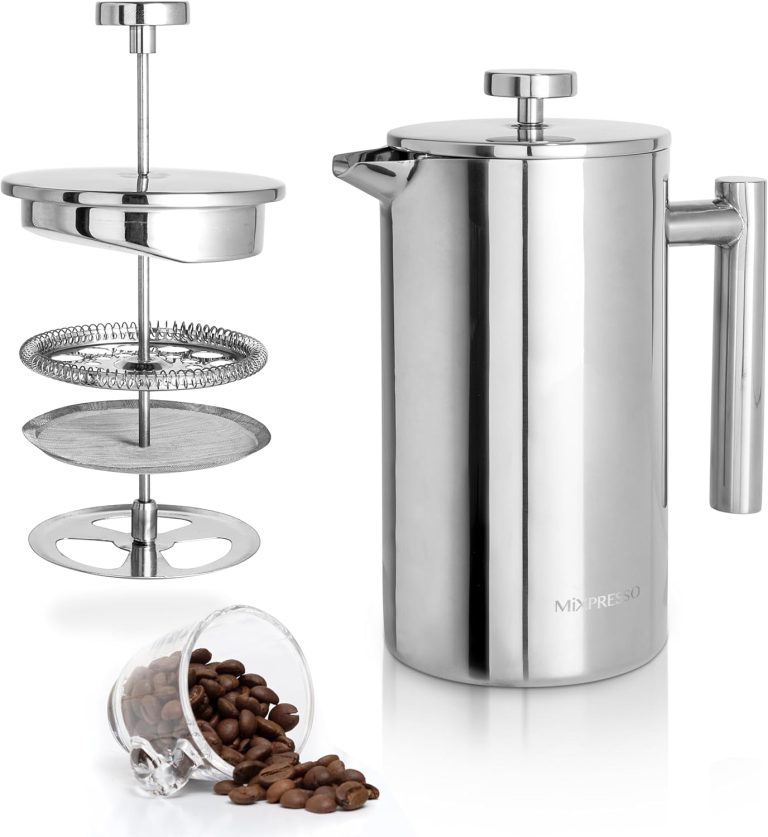
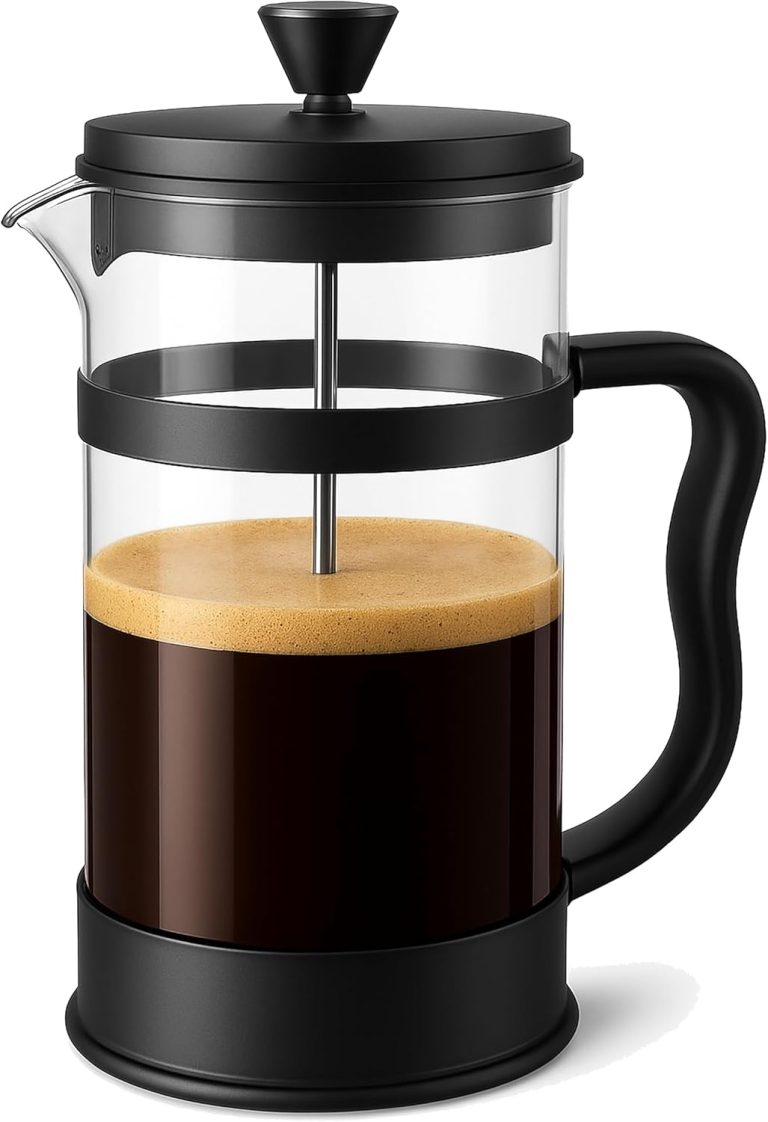
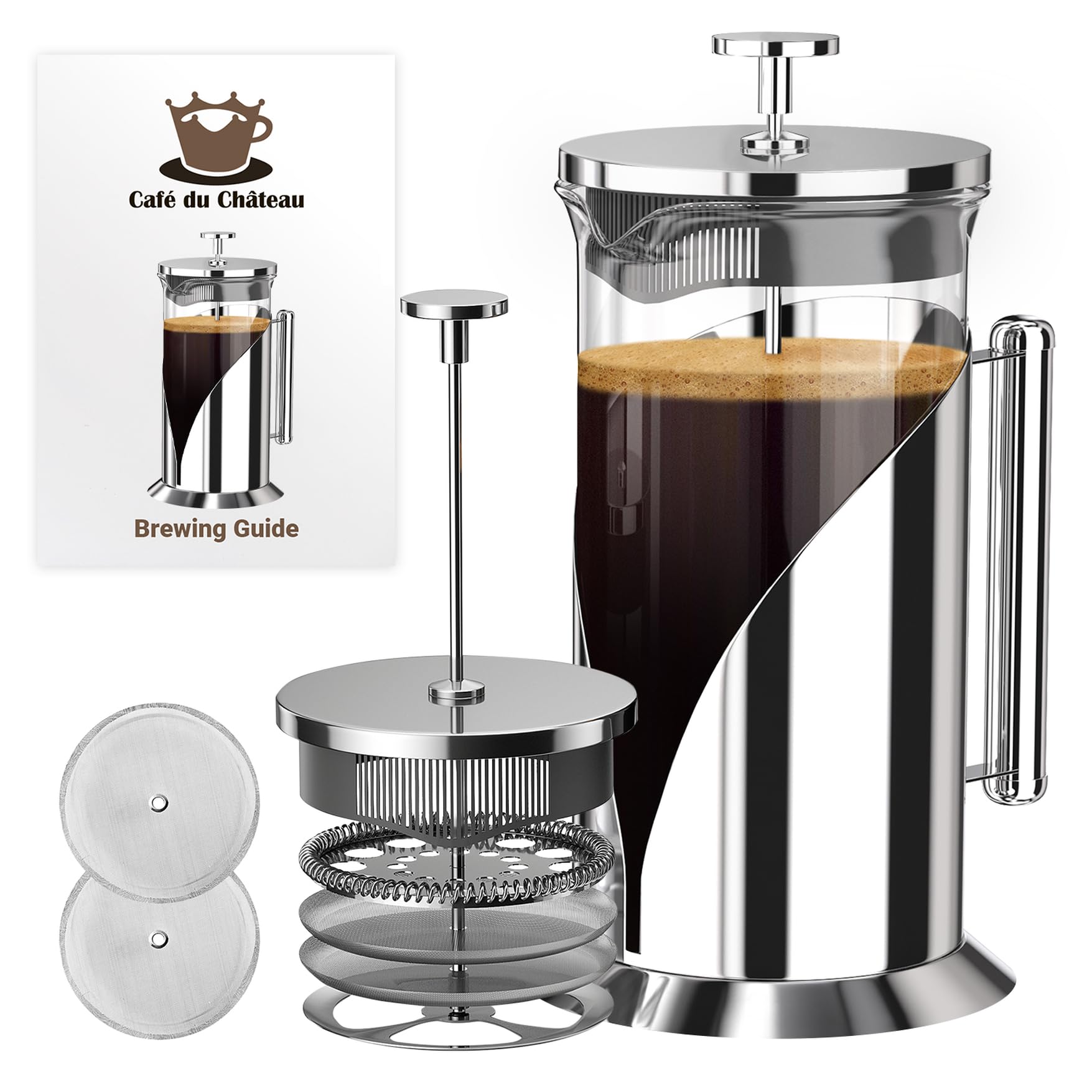
A French press is a simple coffee brewer: a glass or metal carafe, a mesh plunger, and a lid. It steeps ground coffee in hot water, then you press the plunger to separate grounds from liquid. This method lets more oils and flavors pass through than filter methods. The result is richer, fuller coffee.
How it extracts flavor
- Coarse grounds steep directly in water. This increases contact time.
- The metal filter does not trap oils. Oils and small particles stay in your cup.
- Control over time and temperature gives you a wider flavor range.
Why this french press coffee maker beginner guide recommends it
- It’s low-cost and low-tech. You don’t need expensive gear.
- It’s flexible. You can adjust strength and brew time easily.
- It’s durable and portable. Good for home or travel.

Key gear, grind, and coffee-to-water ratio
You don’t need much gear to start. A few right choices make a big difference.
Essential gear
- French press: 12 oz to 34 oz sizes are common.
- Burr grinder: gives consistent coarse grounds.
- Kettle: gooseneck is nice, but any kettle that pours works.
- Scale and timer: for reliable results.
Grind size
- Use coarse, even grounds. They look like sea salt.
- Avoid very fine grinds. They clog the mesh and make muddier coffee.
Coffee-to-water ratio
- A common start is 1:15 to 1:17 by weight. That means 1 gram coffee to 15–17 grams water.
- For 1 liter (1000 g) water, use about 60–67 g coffee.
- For a single 12 oz cup (340 g water), use 20–23 g coffee.

Step-by-step brewing method for beginners
Follow these steps to make a reliable cup. Keep tools ready and use a timer.
- Heat water to about 200°F (just off boil). Let boiled water sit 30 seconds if no thermometer.
- Grind coffee coarse. Measure coffee and water on a scale.
- Preheat the French press with hot water. Discard that water.
- Add coffee grounds to the carafe.
- Start timer and pour half the water to bloom. Stir gently to soak grounds.
- After 30–45 seconds, pour the rest of the water.
- Place the lid with plunger up. Steep 3:30 to 4 minutes total.
- Press the plunger down slowly and steadily. Stop when resistance is even.
- Pour immediately to avoid over-extraction.
Quick tips during brewing
- Stir once after first pour to ensure even wetting.
- Press slowly; a fast plunge forces fines through the mesh.
- Transfer brewed coffee to a serving carafe if not drinking right away.

PAA-style quick questions
How long should I steep in a French press?
Steep 3:30 to 4 minutes for a balanced cup. Shorter gives brighter coffee; longer increases body and bitterness.
What grind size is best for a French press?
Use a coarse grind similar to sea salt. Coarse grounds reduce sediment and lower bitterness.
How much coffee per cup should I use?
Use about 1:15 to 1:17 coffee-to-water. For a 12 oz cup, try 20–23 grams of coffee.
Troubleshooting and common mistakes
Even small errors change the cup. These fixes are fast and effective.
Common mistakes
- Using too fine a grind: makes muddy, over-extracted coffee.
- Steeping too long: results in bitterness.
- Pouring directly from pot into a cold mug: cools coffee quickly.
Fixes and tips
- If coffee is sour, try longer steep or hotter water.
- If coffee is bitter, use coarser grounds or shorter steep.
- If coffee has too much sediment, press slower and let grounds settle a moment before pouring.
Personal lesson
I once used a blade grinder and got muddy coffee for weeks. Switching to a burr grinder solved it overnight. Small equipment upgrades matter.

Cleaning and care to keep flavor pure
Clean a French press after each use. Old oils and trapped fines change taste.
Daily cleaning
- Dump grounds into compost or trash. Rinse carafe with warm water.
- Use mild dish soap and a soft brush to scrub the mesh and carafe.
Deep cleaning (weekly or monthly)
- Disassemble plunger and soak parts in warm soapy water.
- Use a small brush for the mesh screen.
- For stubborn oils, soak with a mix of baking soda and water or a coffee equipment cleaner.
Safety and material notes
- Glass carafes can break if shocked with cold water. Let cool a bit before rinsing.
- Stainless steel presses are more durable and keep heat longer.

Flavor variations and recipes to try
A French press is great for experimenting. Try these simple ideas.
Stronger morning brew
- Use a 1:15 ratio and steep 4 minutes. This yields a bold cup.
Cooler, smoother coffee
- Steep for 3 minutes and use slightly coarser grounds. Enjoy lower bitterness.
Iced French press
- Brew double strength with a ratio near 1:12.
- Immediately pour over ice to chill and dilute to the right strength.
Add-ins and pairings
- Cinnamon sticks, citrus peels, or a splash of cream can change the experience.
- Pair with hearty breakfasts or baked goods that stand up to a bold brew.
My experience and tips from real use
I’ve brewed hundreds of presses at home and at small events. I learned habits that help every day.
What I do now
- I preheat my press and use a scale every time.
- I grind fresh, and I store beans in a cool dark place.
- I pour brewed coffee into a thermal carafe for guests to avoid over-steep.
Mistakes I made
- Waiting weeks between cleanings. Old oils ruined a batch of beans.
- Relying on scoop measurements. A scale gave far better consistency.
Trust these practices. They made my coffee predictable and better.

When a French press is not the best choice
A French press shines for full flavor, but it has limits.
Limitations
- More sediment than filtered coffee. Some people mind the texture.
- Not ideal for very large, fast-service settings.
- Requires a grinder and a bit of attention for best results.
Who should choose another method
- If you want crystal-clear coffee, go pour-over.
- If you need instant or highly consistent single-cup portions, consider pod machines.
Frequently Asked Questions of french press coffee maker beginner guide
How do I choose the right grind for my French press?
Use a coarse, even grind like sea salt. A burr grinder gives the most consistent results.
Can I use pre-ground coffee in a French press?
Yes, but fresh ground coffee tastes better. Pre-ground loses aroma faster and can lead to flatter flavor.
How do I avoid too much sediment in my cup?
Press slowly and pour immediately. Let the coffee settle for 30 seconds before pouring to reduce fines.
Is a French press healthier than filtered coffee?
French press coffee keeps more oils that contain antioxidants. It also can raise cholesterol if consumed heavily, so drink in moderation.
Can I leave coffee in the French press after brewing?
No. Leaving coffee on the grounds causes over-extraction and bitterness. Transfer to a carafe if not drinking right away.
Conclusion
This french press coffee maker beginner guide covered the basics and deeper tips to help you brew with confidence. Start simple: get a burr grinder, use coarse grounds, follow the 1:15 ratio, and time your steep. Practice a few times, and you’ll find the taste you like.
Try one recipe today, note what you change, and refine over a few brews. If this guide helped, leave a comment with your results, subscribe for more coffee tips, or share your favorite French press moment.