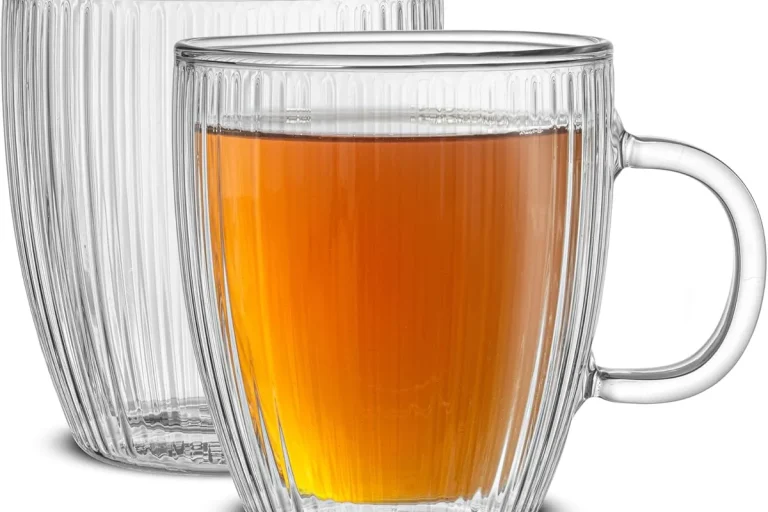
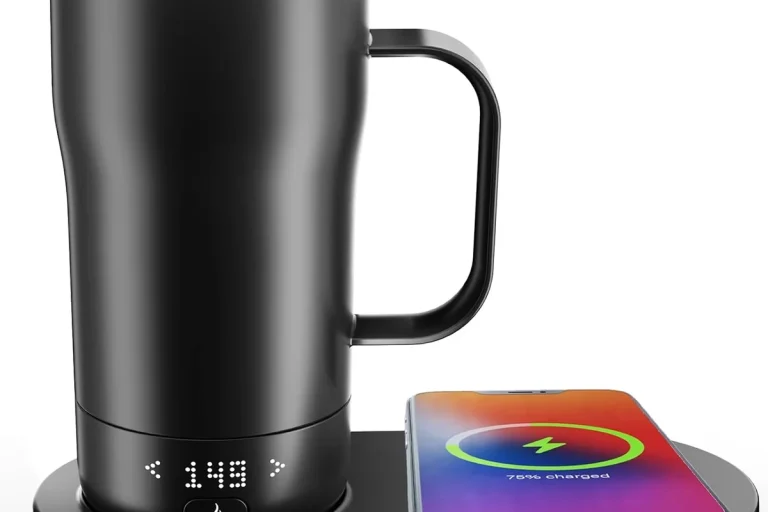
Are Milk Frothers Worth It for Better Coffee at Home

Yes, milk frothers are worth it for many home coffee drinkers. They are most useful if you like lattes, cappuccinos, hot chocolate, or cold foam.
Yes, milk frothers can be worth it for home coffee. They add better foam, smoother texture, and a more cafe-like feel without much effort.
They are not a must-have for everyone, though. If you mostly drink plain drip coffee, black coffee, or simple tea, you may not use one often enough to justify the space.
- Best use: Milk frothers shine in milk-based coffee drinks.
- Main value: They improve foam, texture, and convenience at home.
- Buy smart: Compare capacity, cleaning, heat settings, and size.
- Know the limit: They do not replace a full espresso machine.
Are Milk Frothers Worth It? The Short Answer for Home Coffee Fans
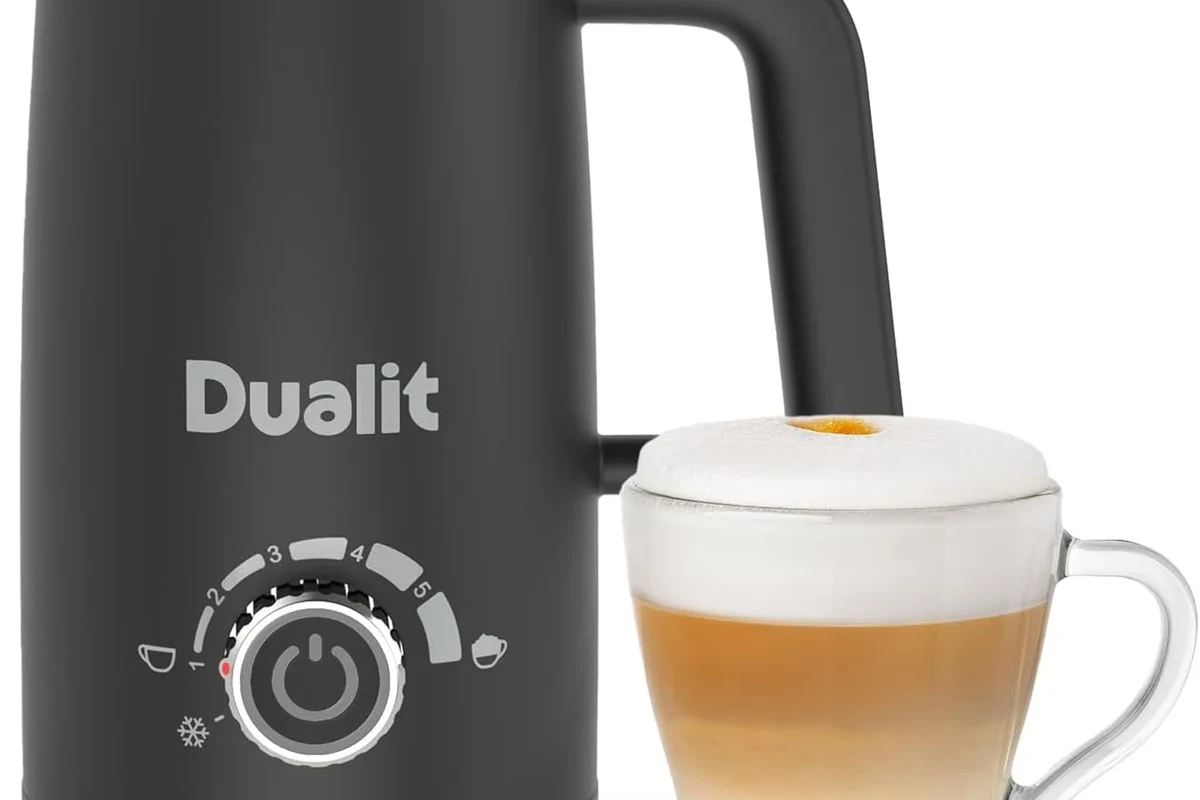
For many people, the answer is yes. A milk frother is worth it if you like lattes, cappuccinos, hot chocolate, or cold foam drinks at home.
It helps you make drinks that feel richer and more polished. That can save trips to a coffee shop and make your daily routine more fun.
Still, value depends on how you drink coffee. If you only want hot milk now and then, a frother may be more of a nice extra than a smart buy.
A milk frother is worth it for most people who enjoy milk-based coffee drinks at home. It is less useful if you rarely add milk or want the simplest setup possible.
What a Milk Frother Actually Does and How It Works
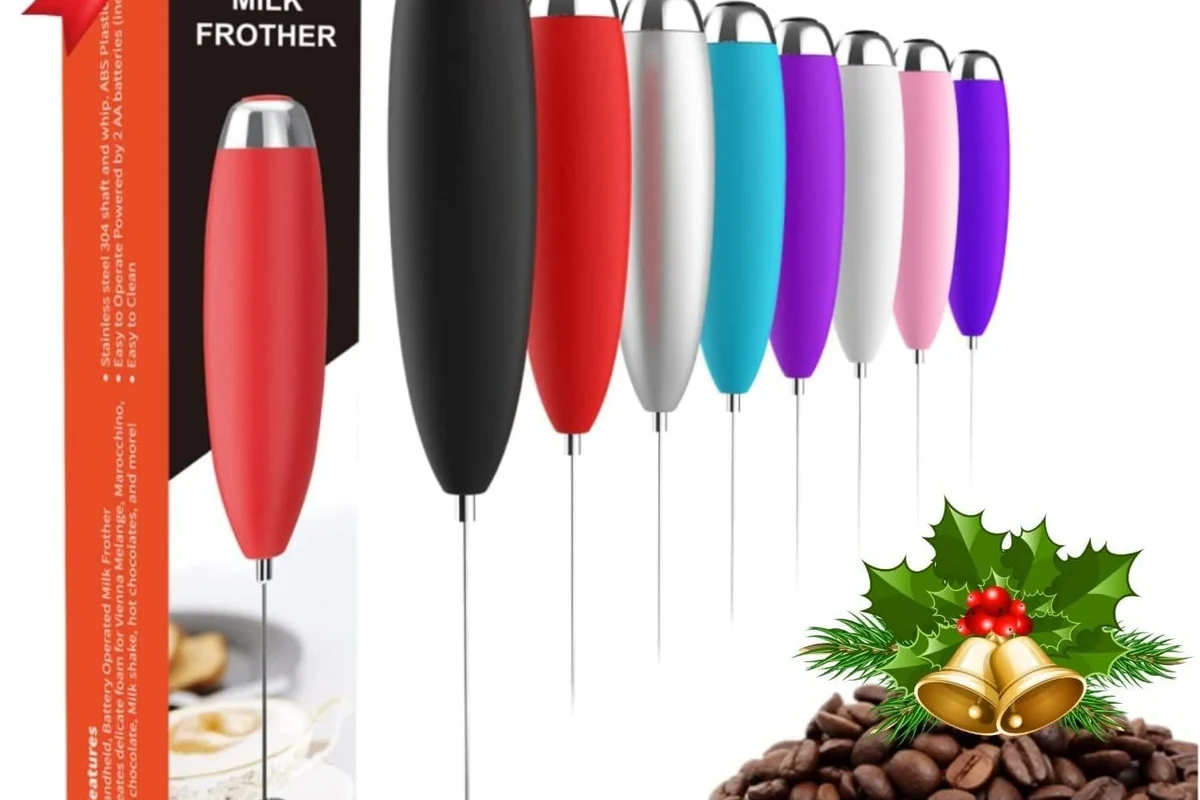
A milk frother adds air to milk or milk alternatives. That creates foam and changes the texture, so the drink feels lighter and smoother.
Some frothers also heat the milk. Others only froth cold or warm milk, depending on the model.
In short, the tool changes both texture and temperature. That is why a small device can make a plain drink feel much more special.
Frothing, heating, and texture: what changes in your cup
Frothing makes bubbles. Heating changes how the milk tastes and feels in the drink.
Steamed milk from an espresso machine can feel silky and dense. A frother often makes a lighter foam, though results vary by model and milk type.
For example, whole milk usually gives a richer result than many low-fat options. Oat milk can work well too, but some brands foam better than others.
Types of frothers: handheld, jug, steam wand, and manual
Each type has a different feel in daily use. The best one depends on your space, budget, and how much control you want.
Small, cheap, and easy to store in a drawer.
Heats and froths in one unit with less effort.
Usually part of an espresso machine for more control.
Simple pump or whisk style with no power needed.
Handheld models are best for quick jobs. Jug models are better if you want one-button ease. Steam wands suit people who want espresso-style drinks and don’t mind a learning curve.
When a Milk Frother Makes Sense for Your Coffee Routine
A frother makes the most sense when you drink milk-based beverages often. It is also helpful if you want better texture without buying a full espresso setup.
If your mornings are rushed, a frother can still help. You can warm or foam milk fast, then pour it into coffee, cocoa, or tea.
Best for lattes, cappuccinos, hot chocolate, and cold foam
Milk frothers shine in drinks that depend on foam or creamy milk. They are especially useful for home lattes and cappuccinos.
They also work well for hot chocolate. A frother can mix the drink and make it feel smoother.
Cold foam is another big reason people buy them. If you like iced drinks, a frother can give them a coffee-shop style finish.
Use a frother with drinks that need texture. It adds more value there than in plain coffee.
Who gets the most value from one at home
People who drink coffee every day often get the most use from a frother. The same goes for households that make drinks for more than one person.
It can also be a good fit for beginners. You do not need barista skills to get a better result than shaking milk by hand.
If you already own an espresso machine with a good steam wand, the value may be lower. In that case, a separate frother may feel redundant.
Key Features to Compare Before You Buy
Not all frothers work the same way. A smart choice comes down to foam quality, heat control, ease of cleaning, and size.
Think about how you will use it most days. That matters more than fancy extras you may never touch.
Froth quality, heat settings, capacity, and speed
Froth quality affects the final drink the most. Look for a model that makes foam you actually like, not just foam that looks thick.
Heat settings matter if you want more control. Some people want warm milk only. Others want hot foam for cappuccinos.
Capacity matters too. A small frother may be fine for one drink. A larger jug helps if you make drinks for two or more people.
Speed can be helpful on busy mornings. But fast is not always better if the foam turns thin or uneven.
Easy cleaning, noise level, size, and build quality
Cleaning can decide whether a frother gets used often. If it is annoying to wash, it may end up in a cabinet.
Noise level matters in small kitchens and early mornings. Some units hum softly, while others sound sharper.
Size matters if your counter is crowded. A compact frother is easier to keep out and use daily.
Build quality affects how long the machine feels solid. Check the manual, warranty terms, and care instructions before buying.
- Check milk capacity for one or more drinks.
- Confirm cleaning steps and removable parts.
- Review settings for heat and foam style.
- Look at size, noise, and storage needs.
- Read the manual and warranty details first.
Benefits and Limits of Milk Frothers
A frother can make home drinks taste better and feel more finished. It can also save time compared with more complex coffee gear.
However, it has limits. It will not fully replace an espresso machine or a skilled steam wand.
Why they can improve taste, texture, and convenience
Foam changes how a drink tastes on the tongue. It can make coffee feel smoother and less flat.
A frother also adds convenience. You can make a more polished drink without much setup or cleanup.
- Better texture in milk-based drinks.
- Quick way to warm or foam milk.
- Easy upgrade for home coffee routines.
- Useful for both hot and cold drinks.
Where they fall short compared with espresso machines
Espresso machines with steam wands give more control. They can create a different milk texture that many coffee fans prefer.
Frothers also cannot fix weak coffee. If the base drink tastes off, foam will not solve that problem.
So, think of a frother as an upgrade tool. It improves the drink you already make, but it does not replace the whole coffee system.
Common Mistakes That Lead to Poor Froth
Bad froth usually comes from simple setup issues. The good news is that most of them are easy to avoid.
Milk choice, fill level, and temperature all matter. Small changes can make a big difference.
Using the wrong milk, fill level, or temperature
Some milks foam better than others. Whole milk often gives a richer result, while some plant milks need more trial and error.
Fill level matters a lot. Too little milk may not froth well. Too much can spill or block the whisk.
Temperature also changes the result. Milk that is too hot can taste odd or scorch, depending on the model.
Results vary by brand, fat level, and whether the milk is dairy or plant based. Check the frother manual for the best fill line.
Overfilling, undercleaning, and choosing the wrong setting
Overfilling is one of the most common mistakes. It can lead to messy spills and weak foam.
Under cleaning is another problem. Milk residue can build up fast and affect taste.
Using the wrong setting can also ruin the drink. A cold foam setting will not heat milk, and a hot setting may not suit iced drinks.
The foam is thin, uneven, or spills over.
Use the right fill line, match the setting to the drink, and clean the whisk after each use.
Safety, Cleaning, and Maintenance Tips
Milk frothers are simple, but they still need care. Heat, steam, and electricity all call for basic caution.
Always follow the manual for your exact model. That is the safest way to use and clean it.
How to use a frother safely at home
Place the frother on a dry, level surface. Keep cords, plugs, and vents away from water.
Do not touch hot metal parts right after use. Some jugs and lids can stay hot for a while.
Stop using any frother that has a damaged cord, loose part, burning smell, or cracked body. Follow the manual and contact the maker if needed.
Simple cleaning habits that help it last longer
Clean the frother soon after use. Dried milk is harder to remove and can affect the next drink.
Rinse removable parts if the manual says they are washable. Wipe the base with a dry or slightly damp cloth only if allowed.
Check the whisk, lid, and seals often. If residue builds up, the frother may work less well over time.
Rinse or wipe parts right away, then dry them fully.
Inspect the whisk, seals, and cord for wear or buildup.
Final Verdict: Are Milk Frothers Worth It for Better Coffee at Home?
Yes, milk frothers are worth it for many home coffee drinkers. They are a simple way to improve texture, foam, and drink style.
They are best for people who like lattes, cappuccinos, hot chocolate, or cold foam. They are less useful if you rarely use milk or want the most basic setup possible.
Best choice by budget, skill level, and coffee style
If you want the easiest path, a jug frother is a strong pick. If you want low cost and small size, a handheld frother may be enough.
If you already use an espresso machine, a separate frother may not add much. In that case, the steam wand may already cover your needs.
Choose a compact handheld or small jug model for easier storage.
Choose a jug frother for speed, warmth, and easy daily use.
Choose a steam wand setup if you want more control and realism.
Clear recommendation for Red Kitchen Project readers
Our view is simple. If you enjoy milk-based coffee at home even a few times a week, a frother is likely worth it.
If you only want plain coffee, skip it and save the counter space. The best choice is the one you will actually use.
- Milk frothers are best for foam, texture, and quick drink upgrades.
- They work well for lattes, cappuccinos, cocoa, and cold foam.
- Cleaning and milk choice have a big effect on results.
- Check the manual, safety notes, and capacity before buying.
Frequently Asked Questions
Whole milk often makes rich foam, but results vary by model and brand. Many oat and soy milks also work well if the frother supports them.
Some models heat and froth at the same time, while others only froth. Check the product manual before buying if warmth matters to you.
Clean it soon after use so milk does not dry on the parts. Follow the manual for removable parts, and never wash the base unless the maker says it is safe.
Maybe not, if your espresso machine already has a good steam wand. A separate frother makes more sense if you want easier cleanup or cold foam.
The milk type, fill level, or setting may be off. Try the right milk, stay under the max line, and match the heat or foam setting to the drink.
Check capacity, size, cleaning steps, controls, and safety guidance. It also helps to review the warranty and the manual for model-specific limits.