Who Invented French Press The Story Behind the Brew

No single person invented the French press. It evolved through several European patents before becoming the brewer we use today.
If you’re asking who invented the French press, the short answer is this: no single person gets full credit. The design grew through several French and Italian patents before it became the brewer we know today.
That means the story is part invention, part refinement, and part lucky timing. In short, the French press is a great example of how a simple kitchen tool can take decades to reach its final form.
- Origin: The French press came from several early European design steps.
- Flavor: It makes bold coffee with more body and some sediment.
- Brewing: Coarse grind, hot water, and short steeping matter most.
- Cleanup: Rinse soon after use to keep the filter clear.
- Best fit: It suits people who want simple, hands-on coffee.
Who Invented French Press? The Short Answer and the Real Story
The most common credit goes to French inventors, but the full story is more layered. The brewer did not appear all at once from one sketch or one workshop.
The most common credit goes to French inventors
The French press is usually linked to French design because early versions came from France. That is also where the name came from in many markets.
Still, the modern brewer is not the result of one clear breakthrough. It came from a chain of ideas that slowly improved the filter, the plunger, and the seal.
Why the answer is not as simple as one person
Many coffee tools evolve in steps. One inventor solves one problem, and another person improves the next part.
The French press followed that path. Early patents showed the basic idea of pressing grounds away from brewed coffee, but later designs made the brewer more useful at home.
How the design changed before the modern French press
Early coffee presses were often rough and leaky. Some used metal mesh, while others used cloth or simple screens.
Over time, the design became more practical. Better seals, better filters, and sturdier bodies helped turn a clever idea into a daily kitchen tool.
The French press is also called a press pot, coffee plunger, or cafetière in some places.
How the French Press Works and Why the Design Matters
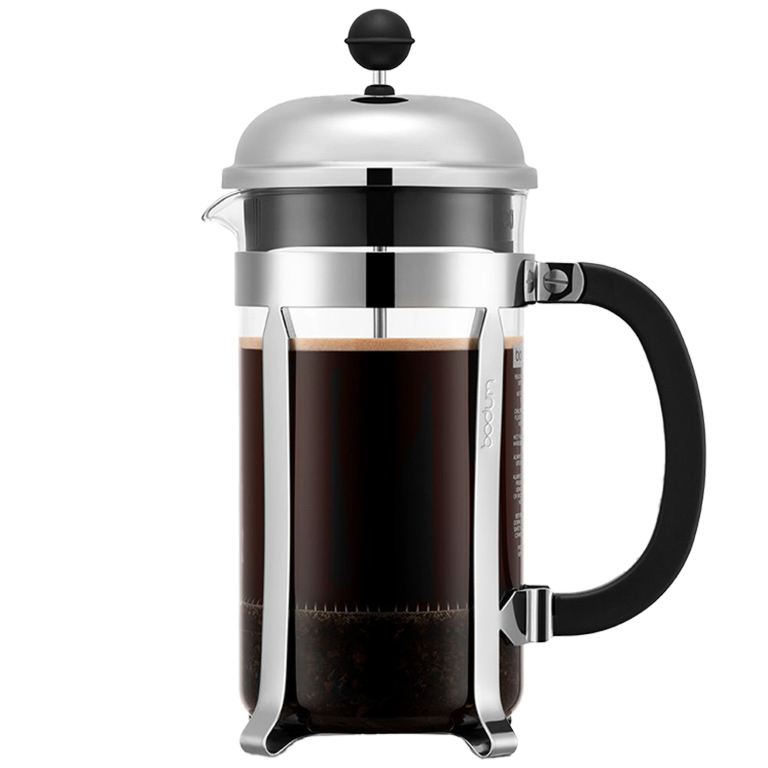
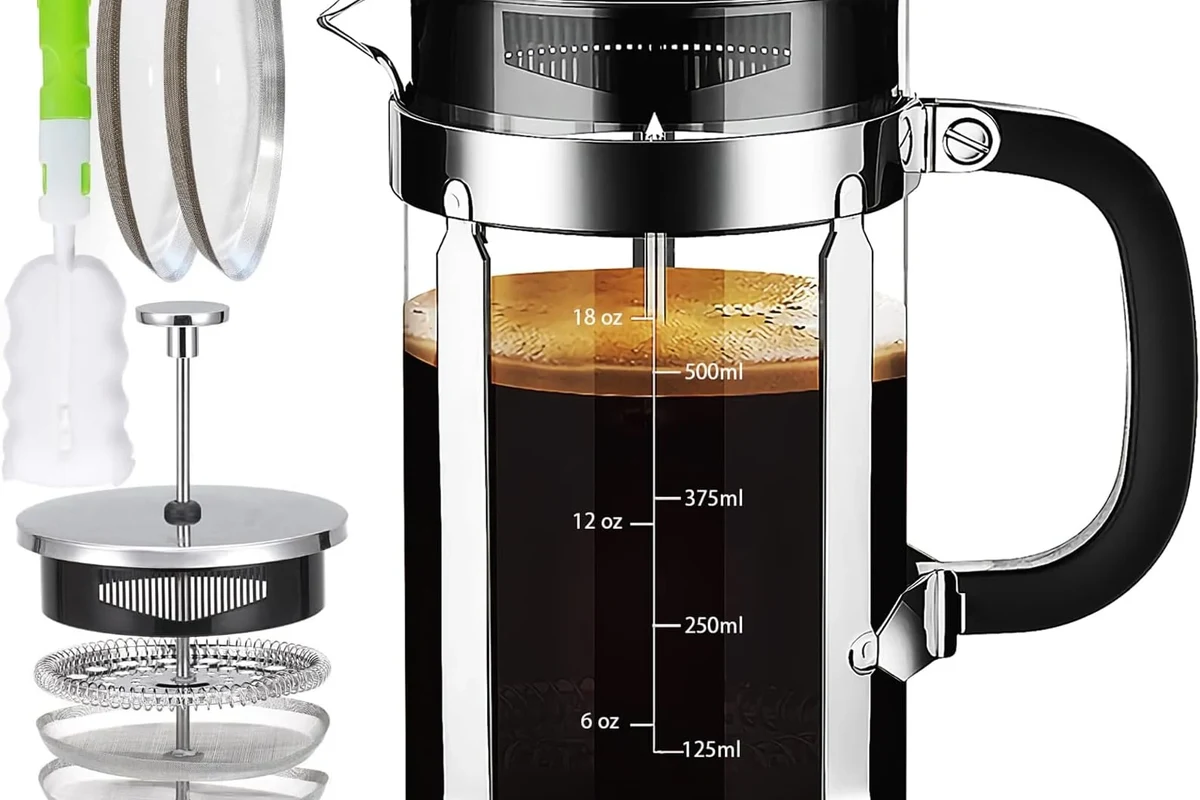
The French press works by steeping coffee grounds in hot water, then separating them with a mesh plunger. That simple method gives the drink its full body and rich taste.
The main parts of a French press
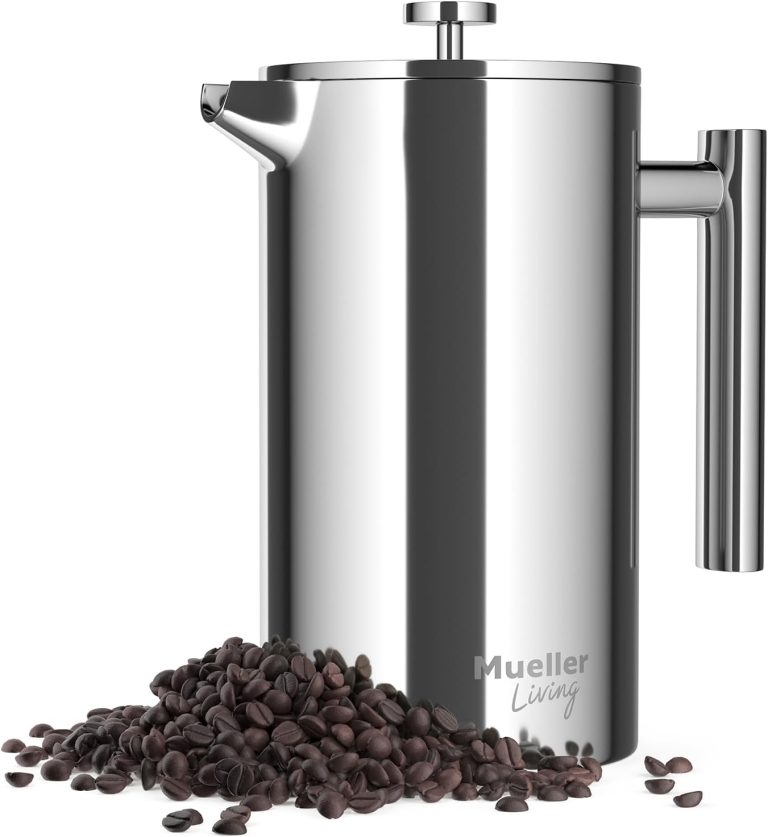
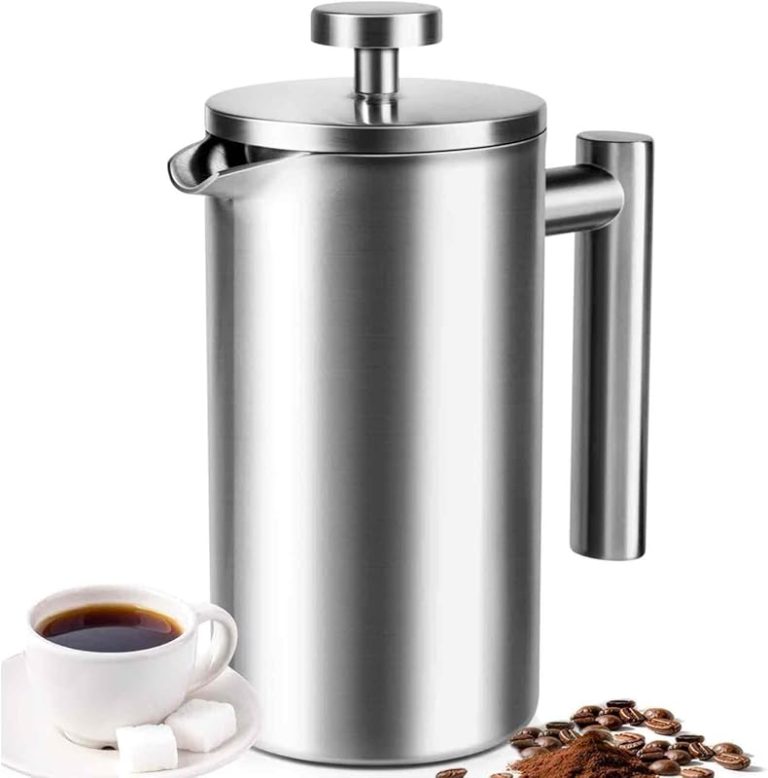
Most French presses have a few basic parts. The body holds the coffee, and the lid and plunger help strain it.
Holds the water and coffee during brewing.
Pushes the filter through the brewed coffee.
Separates grounds from the finished cup.
Helps keep heat in while the coffee steeps.
How steeping and pressing shape flavor
The press method lets coffee and water stay in contact for several minutes. That pulls out more oils and fine flavor notes than drip brewing.
When you press the plunger down, the mesh traps most grounds at the bottom. The result is a thicker cup with more texture.
Why grind size, water heat, and brew time matter
These three details make a big difference. If one is off, the cup can turn bitter, weak, or muddy.
Use a coarse grind, not a fine one. Fine grounds slip through the mesh and make the cup gritty.
Water that is too hot can scorch the coffee. Water that is too cool can leave it flat and thin.
Always handle hot water and hot glass with care. Follow the manual for your model, especially if it uses glass or thin metal parts.
The History of the French Press From Early Patents to Today
The French press history starts with early coffee press ideas in Europe. Those early versions were simple, but they set the stage for the modern brewer.
Early coffee press ideas in Europe
In the 19th century, inventors in Europe began trying ways to steep coffee and then filter it with a plunger. The goal was easy brewing without a cloth bag or separate strainer.
These early tools were not always smooth or easy to use. But they showed the basic idea that still defines the French press today.
Key patent steps that shaped the brewer
Several patents helped move the design forward. Different inventors improved the screen, the fit of the plunger, and the way the filter held back grounds.
That matters because a press pot only works well when the filter seals closely enough to separate coffee from sediment.
How the modern version became popular worldwide
The modern French press spread because it was simple, low-tech, and affordable in many homes. People liked that it needed no paper filter and no power.
It also fit well into small kitchens. You only need hot water, coffee, and a press pot.
Exact patent histories can vary by source and region. For formal research, check patent records and museum or library archives.
French Press Brewing Basics for Better Coffee
Once you know who invented the French press, the next question is how to make it taste good. The method is simple, but small changes can improve the cup a lot.
Best coffee-to-water ratio
A common starting point is about 1 to 15 or 1 to 17 coffee to water by weight. Many home brewers adjust from there based on taste.
If you want a stronger cup, use a little more coffee. If you want a lighter cup, use a little less.
Ideal grind size and water temperature
Use a coarse grind. Think of something close to sea salt, not table salt.
For water, many brewers aim just off the boil. That usually means letting the kettle rest briefly after boiling before pouring.
Simple brew steps for a balanced cup
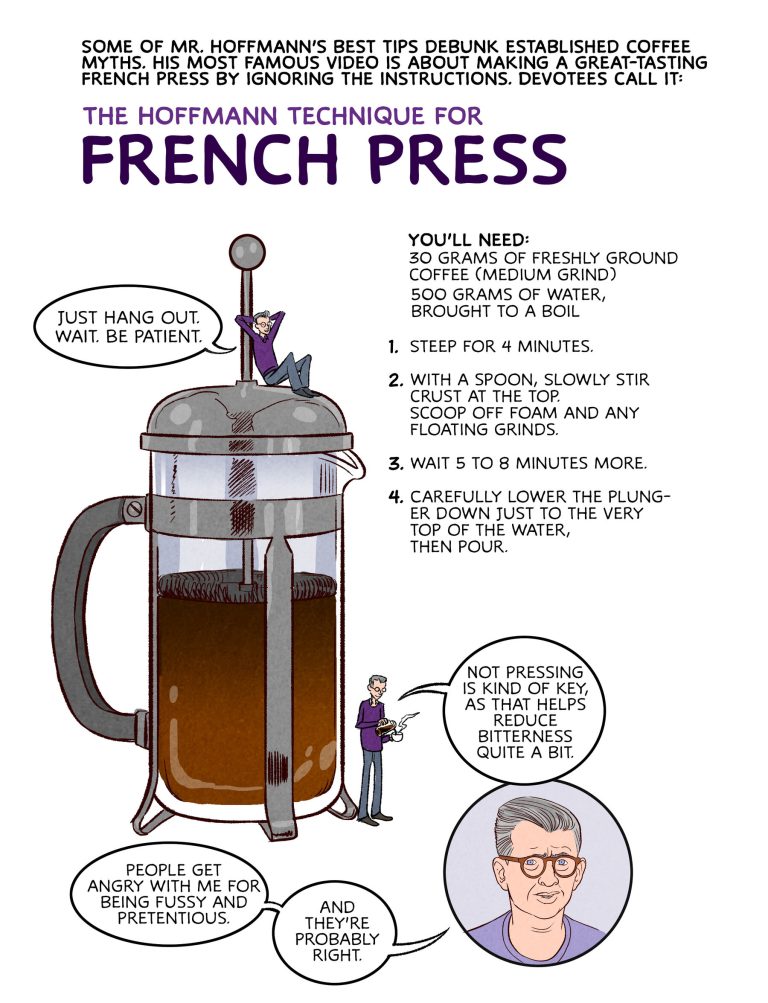
Place coarse grounds in the press.
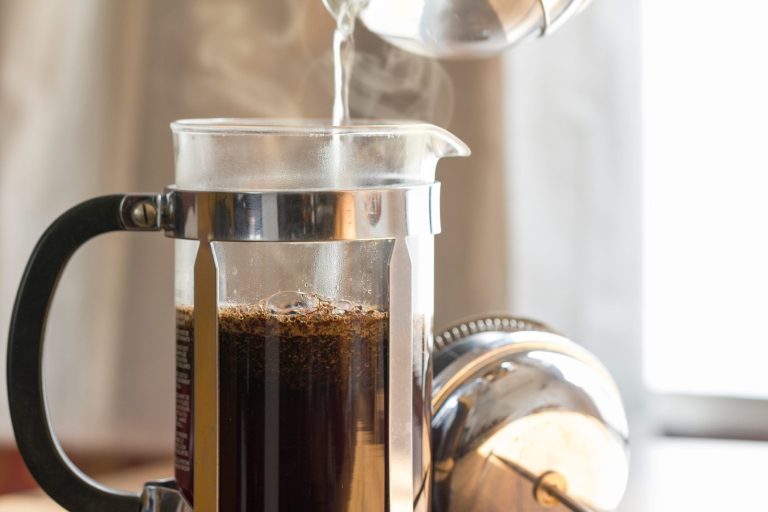
Cover the grounds evenly with hot water.
Let the coffee sit for a few minutes.
Lower the plunger with steady pressure.
Pour the coffee out so it does not overbrew.
- Preheat the press with hot water for steadier heat.
- Stir lightly after pouring water for even wetting.
- Decant the coffee after pressing to avoid bitterness.
Benefits and Limits of the French Press
The French press has clear strengths, but it is not perfect for every drinker. Knowing both sides helps you decide if it fits your routine.
What the French press does well
It makes a bold, full-bodied cup. Many people love the heavier texture and rich taste.
It also keeps the process simple. There are no pods, paper filters, or complex buttons.
Where it falls short compared with other brewers
The mesh filter lets some fine sediment through. Some drinkers like that, while others do not.
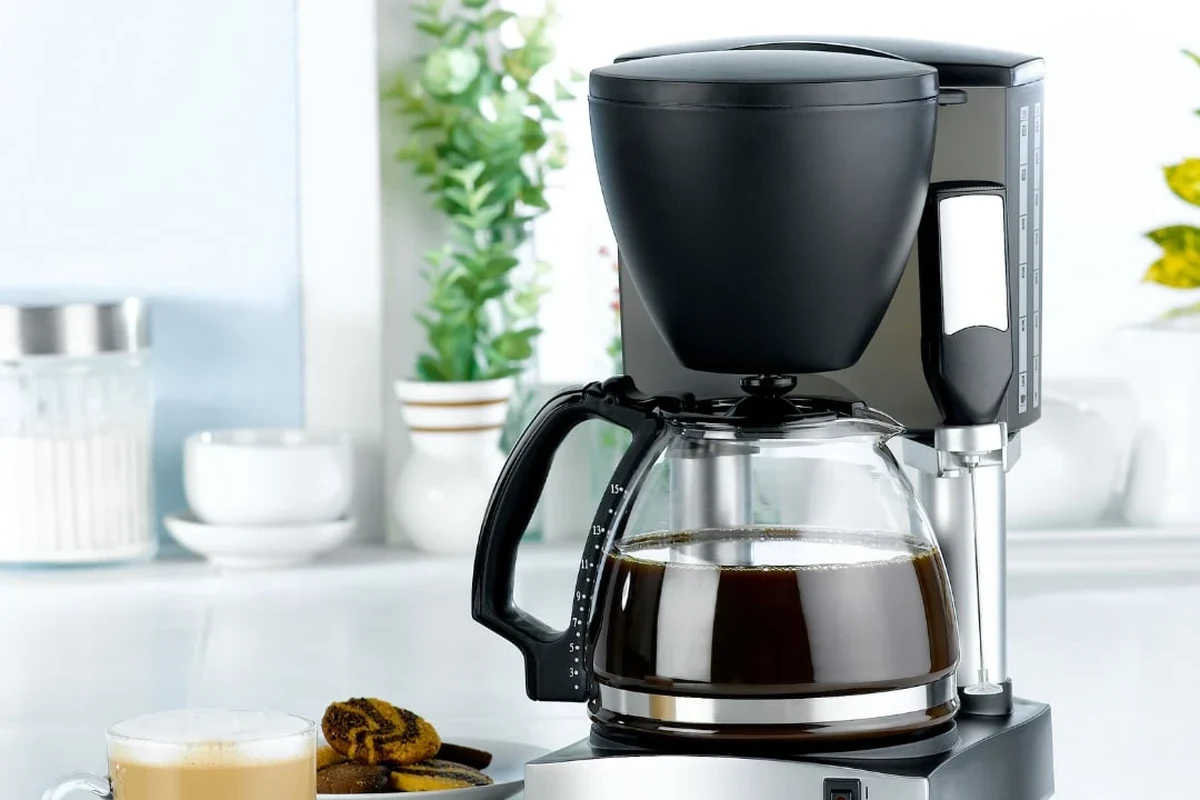
It also needs a bit more cleanup than a drip machine. You must empty and rinse the grounds after each brew.
Who will enjoy this style most
The French press suits people who like hands-on brewing and strong flavor. It also works well for those who want a low-cost, low-tech coffee setup.
If you prefer a very clean, clear cup, another brewer may suit you better.
- Rich flavor and full body
- Simple design with few parts
- No paper filters needed
- Some sediment in the cup
- Needs careful cleanup
- Easy to overbrew
Common French Press Mistakes and How to Avoid Them
Most bad French press coffee comes from a few simple mistakes. The good news is that they are easy to fix.
Using the wrong grind
Fine grounds are one of the biggest problems. They can clog the filter and make the cup muddy.
Use a coarse grind instead. If your coffee tastes harsh and gritty, the grind is often the first thing to check.
Letting the coffee steep too long
Long steep times can make the drink bitter. They can also make the cup taste heavy in a bad way.
Stick to a moderate brew time and taste from there. Small changes often help more than big ones.
Pressing too hard or too fast
The plunger should move with steady pressure. If you force it, the grounds can stir up again.
Press slowly and stop if you feel strong resistance. That usually means the grind is too fine or the filter is clogged.
Skipping the cleanup between brews
Old grounds can leave stale smells and off flavors. They can also make the mesh harder to rinse later.
Clean the press soon after use. Fresh cleanup is much easier than dried coffee mess.
The coffee tastes bitter or muddy.
Use a coarser grind, shorten the steep time, and clean the filter well.
Cleaning, Safety, and Maintenance Tips
A French press is easy to care for, but it still needs regular cleaning. Good care keeps the coffee tasting better and helps the parts last longer.
How to clean the press after each use
Empty the grounds into the trash or compost first, if your local rules allow it. Then rinse the body and plunger with warm water.
Wash the parts with mild soap when needed. Dry them fully before storing.
How to care for the filter, plunger, and glass or steel body
Check the mesh filter for buildup. Coffee oils can collect there over time.
Look at the plunger and seal for wear. If the fit feels loose or the mesh looks damaged, follow the maker’s guidance for replacement parts.
Rinse, wash, and dry all parts before putting the press away.
Inspect the filter, seal, and body for wear or cracks.
Safety tips for hot water and fragile parts
Glass presses can crack if they get knocked or shocked by sudden temperature change. Steel models are tougher, but they still get hot.
Keep the press on a stable surface. If any part is cracked, bent, or loose, stop using it and replace it as needed.
Follow the appliance manual and stop using damaged equipment.
Final Recommendation: Is the French Press Still Worth It in 2026?
Yes, the French press is still worth it in 2026 for many home coffee drinkers. It remains one of the easiest ways to make bold coffee with very little gear.
Best use cases for home coffee drinkers
It works well for people who want a simple morning routine. It also makes sense for small kitchens, travel setups, and low-fuss brewing.
If you enjoy a rich cup and do not mind a little sediment, it is a strong choice.
Value, ease, and flavor in one simple verdict
The French press offers a rare mix of value, flavor, and simplicity. That is why it has stayed popular for so long.
So, who invented the French press? The honest answer is that several inventors helped shape it. The better question may be why it lasted, and the answer is simple: it still makes good coffee with very little effort.
The French press is still a smart pick for rich, low-tech coffee at home. Choose another brewer if you want a cleaner cup or less cleanup.
- The French press came from several early European design steps.
- Its simple steep-and-press method gives coffee a bold body.
- Grind size, water heat, and brew time shape the result most.
- Regular cleaning and careful handling help it last longer.
Frequently Asked Questions
No single person gets full credit. The French press grew from several early European patents and design changes over time.
It steeps coffee grounds directly in hot water, which pulls out more oils and body. The mesh filter also lets some fine sediment through, which adds to the texture.
Use a coarse grind. Fine grounds can slip through the filter and make the cup bitter or gritty.
Many brewers use water just off the boil. Exact temperature can vary, so check your coffee and brewer guidance if you want a more exact method.
Empty the grounds, rinse the parts, and wash with mild soap when needed. Dry everything fully and check the filter for buildup or wear.
Yes, if you want simple brewing, bold flavor, and low cost. If you want a very clear cup with less sediment, another brewer may be a better fit.