Are Potatoes Healthier Than Pasta Which Is Better

Potatoes are often healthier than pasta when you want more fullness and nutrients. Pasta can be the better choice when you want quick prep, easy portions, and a slower digesting meal.
Are potatoes healthier than pasta? The short answer is: sometimes, yes, but not always. It depends on the type, portion size, and how you cook and serve them.
Plain boiled or baked potatoes can be very filling and nutrient-rich. Pasta can also fit a healthy diet, especially when you choose whole-grain or legume-based types. The real winner is usually the one that matches your goal and your meal style.
- Best for fullness: Potatoes often satisfy hunger with fewer calories.
- Best for fiber: Whole-grain or legume pasta usually wins.
- Best for blood sugar: Pasta often rises more slowly than white potatoes.
- Best for budget meals: Both are affordable and work well with simple add-ins.
Are Potatoes Healthier Than Pasta? The Short Answer
If you want the simplest answer, potatoes often win on vitamins and fullness. Pasta often wins on steady energy and easy portion control.
Neither food is bad on its own. The health value changes fast once you add oil, butter, cream sauce, cheese, or fried toppings.
When potatoes win
Potatoes are a strong pick when you want more potassium, vitamin C, and a very filling side dish. They can help you feel full on fewer calories, especially when boiled or baked.
They also work well for simple meals. A baked potato with beans, salsa, or yogurt can be a balanced plate.
When pasta wins
Pasta can be the better choice when you want a steadier carb source and a meal that holds sauce well. Whole-grain pasta adds more fiber, while legume pasta can add more protein.
It also tends to be easier to portion in a bowl. That can help some people avoid overeating.
Why the cooking method changes the answer
How you cook each food changes its nutrition and how full it feels. Boiling or baking keeps potatoes lighter. Frying or loading them with cheese and cream changes the picture fast.
The same goes for pasta. A small serving with vegetables and lean protein is very different from a giant bowl with heavy sauce.
Nutrition can vary by potato type, pasta type, brand, and serving size. Labels and recipes matter more than the food name alone.
Potatoes vs Pasta: Nutrition Basics
To compare these foods fairly, start with the basics. Calories, carbs, fiber, and protein all shape how a meal feels and how it fits your goals.
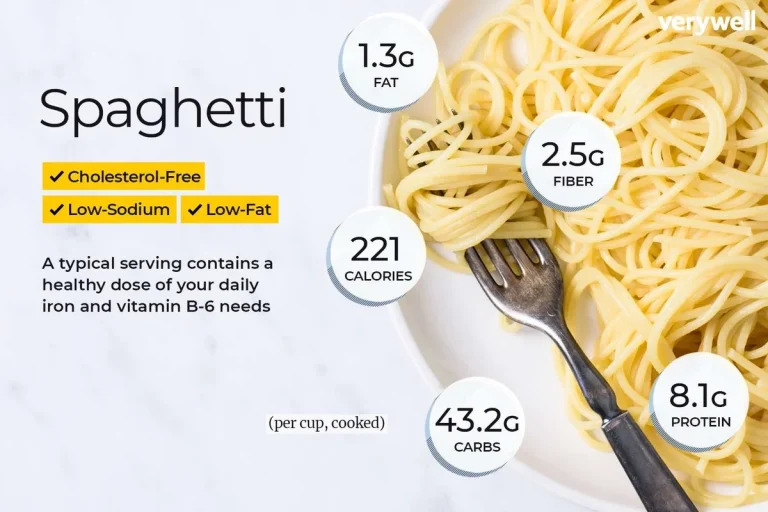
Calories, carbs, and portion size
Both potatoes and pasta are carb-rich foods. That means they can both fuel your day, but the serving size matters a lot.
Potatoes usually have fewer calories per bite when cooked simply. Pasta can become calorie-dense fast if you serve a large portion or add rich sauce.
Fiber, protein, and satiety
Plain white pasta has less fiber than whole-grain or bean-based pasta. Potatoes have some fiber too, especially when you eat the skin.
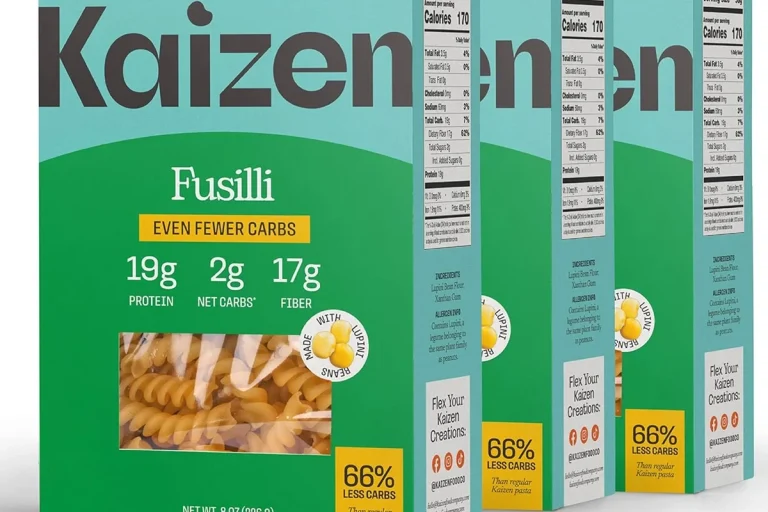
Protein is another difference. Regular pasta has some protein, but legume pasta usually has more. Potatoes are not a high-protein food, so they often need a protein side.
The better choice depends on fullness, fiber, and how you build the rest of the meal.
| Option | Best For | Key Consideration |
|---|---|---|
| Potatoes | Fullness and simple meals | Best when baked, boiled, or air-fried |
| Pasta | Easy portioning and meal prep | Best when paired with fiber and protein |
Vitamins, minerals, and resistant starch
Potatoes bring more potassium and vitamin C than most pasta. They also contain resistant starch after cooling, which may support gut health.
Pasta made from refined flour has fewer vitamins and minerals than whole-grain or legume pasta. Those versions usually offer more fiber and sometimes more protein.
Cooked and cooled potatoes can form more resistant starch, which changes how your body digests part of the starch.
How Each Food Affects Blood Sugar and Fullness
Blood sugar response is one of the biggest reasons people compare potatoes and pasta. The answer is not simple, because the type of food and the meal around it both matter.
Glycemic impact of white potatoes
White potatoes can raise blood sugar faster than many pasta dishes. Mashed potatoes and baked potatoes often digest more quickly than boiled potatoes with the skin on.
That does not make them off-limits. It just means portion size and pairings matter more if you want a gentler blood sugar rise.
Glycemic impact of pasta types
Regular pasta often digests more slowly than white potatoes, especially when cooked al dente. Whole-grain and legume pasta can slow digestion even more.
That slower rise can help some people feel steady after eating. Still, a huge serving can push blood sugar up no matter which pasta you choose.
Why cooling, reheating, and pairing foods matter
Cooling cooked potatoes or pasta can increase resistant starch a little. Reheating after cooling can still leave some of that effect in place.
Pairing also matters. Add protein, vegetables, and healthy fats, and the meal often feels more balanced. For example, pasta with chicken and broccoli usually behaves very differently from plain pasta with cream sauce.
- Choose al dente pasta for a slower digesting texture.
- Keep potato skins when they’re clean and tender.
- Build meals with protein and vegetables, not just starch.
Best Choices for Different Health Goals
The best option depends on what you want from the meal. Weight loss, exercise, and heart health all point in slightly different directions.
Weight loss and appetite control
Potatoes often do well here because they can be very filling. A plain baked potato may satisfy you more than a small bowl of pasta.
That said, pasta can also support weight loss if you portion it well. The key is to avoid oversized servings and creamy sauces.
Muscle recovery and active lifestyles
Active people often need carbs to refill energy stores. Pasta can be a very practical choice after exercise, especially with lean protein.
Potatoes work too. They can be a simple post-workout carb, and they pair well with eggs, tuna, chicken, or beans.
Heart health and balanced eating
For heart health, the full plate matters more than the starch alone. Choose low-salt toppings, lean protein, and plenty of vegetables.
Potatoes can fit well if you skip heavy frying and salty add-ons. Pasta can fit well if you choose whole grains and keep the sauce lighter.
Potatoes are often the better fit when you want a satisfying, simple meal.
Pasta, especially whole-grain or legume pasta, can be a smart choice.
Common Mistakes That Make Either Option Less Healthy
Most problems come from the extras, not the base food. A simple potato or pasta dish can turn heavy very quickly.
Frying potatoes and loading on heavy toppings
French fries, chips, and loaded potato skins can be tasty, but they are not the same as a plain potato. Frying adds more fat and calories fast.
Butter, bacon, sour cream, and cheese can also pile up. That can turn a humble side dish into a rich meal.
Choosing refined pasta without enough fiber
Refined pasta is not automatically unhealthy. But if it is your main starch and you skip vegetables, it may leave you hungry sooner.
Whole-grain, chickpea, lentil, or bean pasta can help. They usually bring more fiber and sometimes more protein.
Oversized servings and sauce traps
Big portions are one of the easiest ways to overdo calories. This happens with both foods.
Heavy Alfredo, creamy cheese sauces, and oily pesto can add up fast. Tomato-based sauces and broth-style toppings are often lighter choices.
If you have diabetes, kidney concerns, or another health condition, ask a qualified professional how to fit these foods into your plan.
How to Make Potatoes and Pasta Healthier at Home
You do not need a perfect diet to make better choices. A few small kitchen habits can make a big difference.
Better potato cooking methods
Bake, boil, steam, or air-fry potatoes instead of deep-frying them. These methods keep the food simpler and easier to fit into a balanced meal.
Keep the skin on when you can. It adds fiber and helps the potato feel more filling.
Smarter pasta picks and cooking tips
Try whole-grain pasta if you want more fiber. If you prefer a softer texture, regular pasta still works well in smaller portions.
Cook pasta al dente when possible. It often holds its shape better and can feel more satisfying.
Easy add-ins for more fiber, protein, and color
Think of potatoes and pasta as a base, not the whole meal. Add beans, chicken, tuna, tofu, eggs, or Greek yogurt for protein.
Then add vegetables for color and fiber. Spinach, peppers, peas, tomatoes, broccoli, and onions all work well.
Pick potatoes or pasta based on your goal and appetite.
Use beans, eggs, fish, poultry, tofu, or yogurt.
Mix in vegetables for more fiber, color, and volume.
Cost, Convenience, and Meal Planning in 2026
In 2026, both potatoes and pasta remain budget-friendly pantry staples in many homes. The better value often comes down to waste, storage, and how many meals you can build from one bag.
Which option gives better value per serving
Both foods can offer strong value because they stretch well. Potatoes often shine when you need a low-cost side that feels filling.
Pasta often shines when you want a shelf-stable base for fast meals. Dry pasta stores well and takes little prep time.
What works best for quick weeknight meals
Pasta usually wins on speed. It cooks fast and pairs easily with leftover protein or jarred sauce.
Potatoes can still be quick if you use small potatoes, microwave them, or air-fry them. They just may take a little more planning.
How to build a healthier plate on a budget
Use the starch as one part of the plate. Then add frozen vegetables, canned beans, eggs, or leftover chicken.
That approach keeps costs down and improves nutrition. It also helps reduce food waste, which matters for many households.
Final Verdict: Which Is Better for Most People?
For most people, the better choice is the one you can cook simply and pair well. If you want the most filling option with more vitamins, potatoes often edge out pasta.
If you want easier portion control, whole-grain pasta or legume pasta may be the better fit. Both can be healthy, and both can be unhealthy if the toppings go too far.
Best overall choice by goal
For fullness, potatoes usually win. For steady meal planning and fast prep, pasta often wins.
For the healthiest version of either one, keep the cooking simple and build a balanced plate.
When to choose potatoes
Choose potatoes when you want a filling meal with more potassium and vitamin C. They are also a good pick when you want a simple side that works with many foods.
When to choose pasta
Choose pasta when you want a quick base for sauces, leftovers, or meal prep. Whole-grain and legume pasta are smart choices when fiber and protein matter more.
Potatoes are often healthier than pasta when you want more fullness and more natural nutrients. Pasta can be just as smart when you choose a better type, keep portions in check, and build a balanced meal.
- Potatoes often win for fullness and key nutrients.
- Pasta often wins for fast prep and portion control.
- Cooking style and toppings matter more than the starch alone.
- Whole-grain pasta and skin-on potatoes are usually better picks.
Frequently Asked Questions
Potatoes often feel more filling, which can help with appetite control. Pasta can also fit weight loss if you keep the serving small and add vegetables and protein.
It depends on the type. Potatoes have some fiber, especially with the skin on, while whole-grain or legume pasta usually has more fiber than refined pasta.
White potatoes often raise blood sugar faster than many pasta dishes. Cooking method, portion size, and what you eat with them all change the response.
Baking, boiling, steaming, and air-frying are usually better than deep-frying. Keeping the skin on can also add fiber and help with fullness.
Whole-grain and legume-based pastas are often stronger choices than refined pasta. They usually offer more fiber and may add more protein.
Yes, both can fit into a healthy diet if portions and toppings stay balanced. It helps to rotate foods and add protein, vegetables, and healthy fats.