Are Rice Noodles Healthier Than Pasta Find Out Here

Rice noodles are not usually healthier than pasta on nutrition alone. Pasta, especially whole wheat, often gives more fiber and protein, while rice noodles are a better gluten-free option.
Rice noodles are not always healthier than pasta. It depends on your goals, the type of pasta, and what you serve with it. If you want more fiber and protein, wheat pasta often wins. If you need a gluten-free choice or a lighter texture, rice noodles can be a smart pick.
- Nutrition edge: Whole wheat pasta usually offers more fiber and protein.
- Gluten-free choice: Rice noodles are a strong option when properly labeled.
- Fullness matters: Pasta often keeps you satisfied longer.
- Meal quality: Protein, vegetables, and sauce matter as much as the noodle.
Are Rice Noodles Healthier Than Pasta? The Short Answer

The short answer is no, not by default. Rice noodles are usually lower in fiber and protein than many wheat pastas.
That said, “healthier” depends on the whole meal. A bowl of rice noodles with lean protein and vegetables can be a better meal than a huge plate of plain pasta with heavy sauce.
So, the real question is not just the noodle. It’s how you eat it, how much you eat, and what else is on the plate.
Rice Noodles vs Pasta: What They’re Made Of
These two foods start with different base ingredients. That changes their taste, texture, and nutrition.
Rice noodles ingredients and nutrition basics
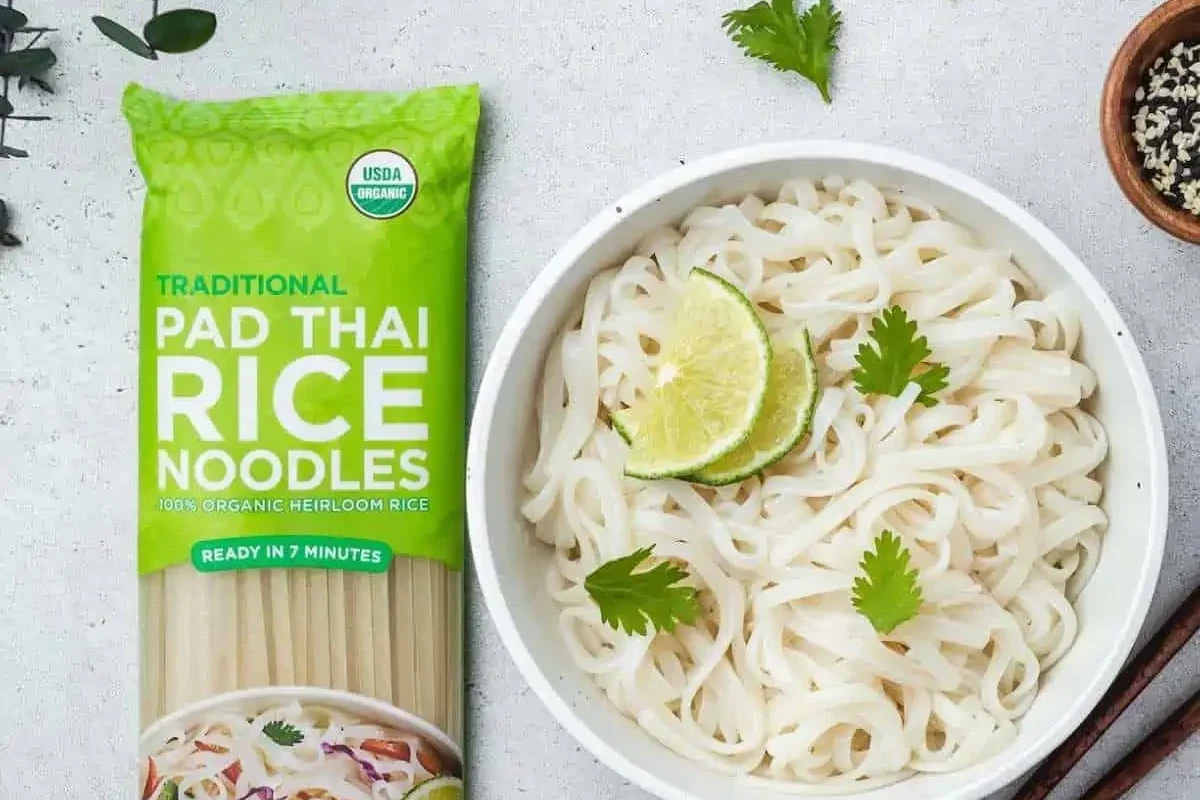
Rice noodles usually come from rice flour and water. Some versions also use starches like tapioca or cornstarch.
They are naturally gluten-free if the label says so and the factory avoids cross-contact. That matters a lot for people with celiac disease or gluten sensitivity.
Ingredient lists vary by brand. Always check the package if you need gluten-free noodles or want fewer additives.
Rice noodles tend to have a mild flavor and soft bite. They soak up sauces well, which makes them popular in stir-fries and soups.
Wheat pasta ingredients and nutrition basics
Most pasta is made from wheat flour and water. Some types use durum wheat semolina, which gives pasta a firmer bite.
Whole wheat pasta adds more fiber than regular refined pasta. That can help with fullness and digestion for many people.
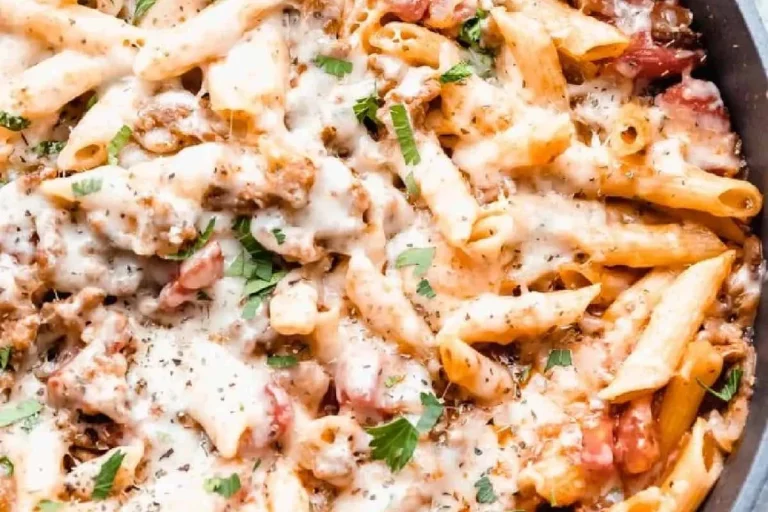
Pasta also comes in many shapes. Some hold sauce better, while others work best in soups or baked dishes.
Nutrition Showdown: Calories, Carbs, Fiber, and Protein
Both foods are mostly carbs. The big difference is that pasta often gives you more fiber and protein, especially when you choose whole wheat.
| Option | Best For | Key Consideration |
|---|---|---|
| Rice noodles | Gluten-free meals and light textures | Usually lower in fiber and protein |
| Wheat pasta | More filling meals | Whole wheat gives more fiber |
Exact nutrition changes by brand, shape, and serving size. So, always check the label if you want a fair comparison.
Which one fits weight goals better
For weight goals, the better choice is often the one that helps you feel satisfied. That usually means more fiber, more protein, and a sensible portion.
Plain rice noodles can be easy to overeat because they taste light. Pasta, especially whole wheat pasta, may help you feel full with less food.
Still, portion size matters more than the noodle alone. A small rice noodle bowl with vegetables may beat a giant pasta plate with creamy sauce.
Which one helps you stay full longer
Pasta usually has the edge here. Wheat pasta, and especially whole wheat pasta, tends to offer more staying power.
Fiber slows digestion. Protein also helps you stay full, and pasta generally has more of it than rice noodles.
Rice noodles can still work well if you add protein and vegetables. Without those extras, they often leave you hungry sooner.
Health Benefits and Limits of Rice Noodles
Rice noodles do have some good points. They are simple, easy to digest for many people, and useful in gluten-free cooking.
- Gluten-free when properly labeled
- Light texture for soups and stir-fries
- Easy to pair with vegetables and lean protein
When rice noodles can be a smart choice
Rice noodles make sense when you need a gluten-free base. They also work well if you want a softer texture or a lighter meal.
They can be handy for quick weeknight dinners. For example, a rice noodle bowl with shrimp, snap peas, and a simple sauce can come together fast.
They also fit many Asian-style dishes better than pasta. That can make home cooking easier if you want the same style you enjoy at restaurants.
Where rice noodles fall short
The main drawback is nutrition density. Many rice noodles have less fiber and less protein than wheat pasta.
They can also spike blood sugar more quickly than higher-fiber pasta, depending on the brand and the rest of the meal. That may matter for some people.
Another issue is that rice noodles can turn mushy fast. If you overcook them, the texture drops quickly.
Food safety and doneness matter with any noodle dish. Follow package directions and keep cooked noodles out of the danger zone too long.
Who Should Choose Rice Noodles or Pasta?
The best choice depends on your body, your diet, and your meal plan. There is no single winner for everyone.
Best choice for gluten-free eaters
Rice noodles are the clear winner if you need gluten-free food. They are made from rice, not wheat.
Just be careful with labels. Some brands process noodles in shared facilities, so cross-contact can still happen.
If you have celiac disease, choose certified gluten-free products when possible. That extra check can make a big difference.
Best choice for more fiber and protein
Pasta is usually the better pick if you want more fiber and protein. Whole wheat pasta is especially useful here.
That makes it a stronger everyday option for many people. It can help with fullness and steady energy after meals.
If you want the best of both worlds, look for high-protein or legume-based pasta. Those can offer even more protein than standard wheat pasta.
How to Make Rice Noodles Healthier in Real Meals
Rice noodles can be part of a healthy meal. You just need to build the bowl with care.
- Add lean protein to improve fullness.
- Use more vegetables than noodles.
- Choose lighter sauces when you can.
- Watch portions, since noodles add up fast.
Best sauces, proteins, and vegetables to add
Start with protein. Chicken, shrimp, tofu, eggs, or beans all help turn rice noodles into a more balanced meal.
Then add vegetables with color and crunch. Broccoli, carrots, bell peppers, bok choy, and snap peas work well.
For sauce, use the lightest option that still tastes good. A broth-based sauce, soy-based sauce, or simple sesame mix can work well.
- Use more vegetables than noodles.
- Add protein in every bowl.
- Taste before adding more sauce.
- Loading the dish with sugary sauce.
- Using too much oil or cream.
- Serving a noodle-only meal.
Common mistakes that make the meal heavier
The biggest mistake is turning a light noodle into a heavy dish. That often happens with rich sauces, fried toppings, and huge portions.
Another common problem is overcooking. Soft noodles can feel less satisfying, so people often add more sauce or extras to make up for it.
Also watch sodium. Many bottled sauces and broths can push the meal into very salty territory fast.
Cost, Convenience, and Pantry Value in 2026
In 2026, both rice noodles and pasta remain easy pantry staples. The better value depends on how often you cook them and what kind of meals you make.
Which one is easier to store and cook
Dry pasta is one of the easiest pantry foods to store. It keeps well, cooks in a predictable way, and works in many dishes.
Rice noodles also store well, but they can be more fragile after cooking. Some types need soaking, while others need only a short boil.
If you want a simple weeknight staple, pasta often feels easier. If you cook Asian-style meals often, rice noodles may fit your routine better.
Which one gives better value for everyday meals
Pasta often gives better general value because it works in so many meals. You can use it with tomato sauce, vegetables, meat, beans, or baked dishes.
Rice noodles give better value when they match your diet or your favorite recipes. If you need gluten-free meals, that value can be very high.
In short, value is not just about cost. It’s also about how often the food gets used and how well it fits your kitchen.
Final Verdict: Which One Should You Pick?
If you want the healthier everyday choice, pasta usually wins. Whole wheat pasta gives you more fiber and protein, which helps with fullness and balance.
If you need gluten-free noodles or want a lighter texture, rice noodles are a solid choice. They are not “bad,” but they work best when you add protein and vegetables.
Choose rice noodles for gluten-free meals and light, quick dishes. Choose pasta, especially whole wheat, if you want more fiber, more protein, and better staying power.
So, are rice noodles healthier than pasta? Sometimes, but not usually on nutrition alone. For most people, pasta has the edge, while rice noodles win on texture and gluten-free use.
Frequently Asked Questions
Not always. Pasta often has more fiber and protein, which can help you feel full longer. Rice noodles can still fit weight goals if you keep portions modest and add vegetables and lean protein.
Rice noodles are usually made from rice, so they are often gluten-free. Still, you should check the label for shared-facility warnings or certified gluten-free marks if you need to avoid gluten.
Pasta usually wins because it has more fiber and protein, especially whole wheat pasta. Rice noodles can be more filling when you add protein, vegetables, and a balanced sauce.
Yes. Rice noodles work well when you pair them with lean protein, plenty of vegetables, and a lighter sauce. The rest of the bowl matters more than the noodles alone.
Pasta is often easier for everyday meals because it stores well and works in many recipes. Rice noodles are a great choice if you cook more Asian-style dishes or need gluten-free options.
Add protein, use more vegetables than noodles, and choose lighter sauces. Also watch portions, since rice noodles can become a heavy meal if you add too much oil or sugary sauce.