Are Stainless Steel Coffee Mugs Safe to Use Every Day

Yes, stainless steel coffee mugs are generally safe for daily use when they’re food-grade and well made. Clean the lid often and replace any mug with rust, cracks, or a bad seal.
Yes, stainless steel coffee mugs are generally safe to use every day. The key is to choose food-grade steel, check the lid parts, and keep the mug in good shape.
They’re a smart pick for hot drinks, travel, and busy mornings. Still, not every mug is made well, so a little care goes a long way.
- Food-grade matters: Choose mugs with clear steel and material details.
- Lids need care: Most smell and stain issues start in the lid.
- Damage is a warning: Rust, cracks, and bad seals mean replace it.
- Cleaning helps safety: Wash and dry all parts after each use.
Are Stainless Steel Coffee Mugs Safe to Use Every Day?
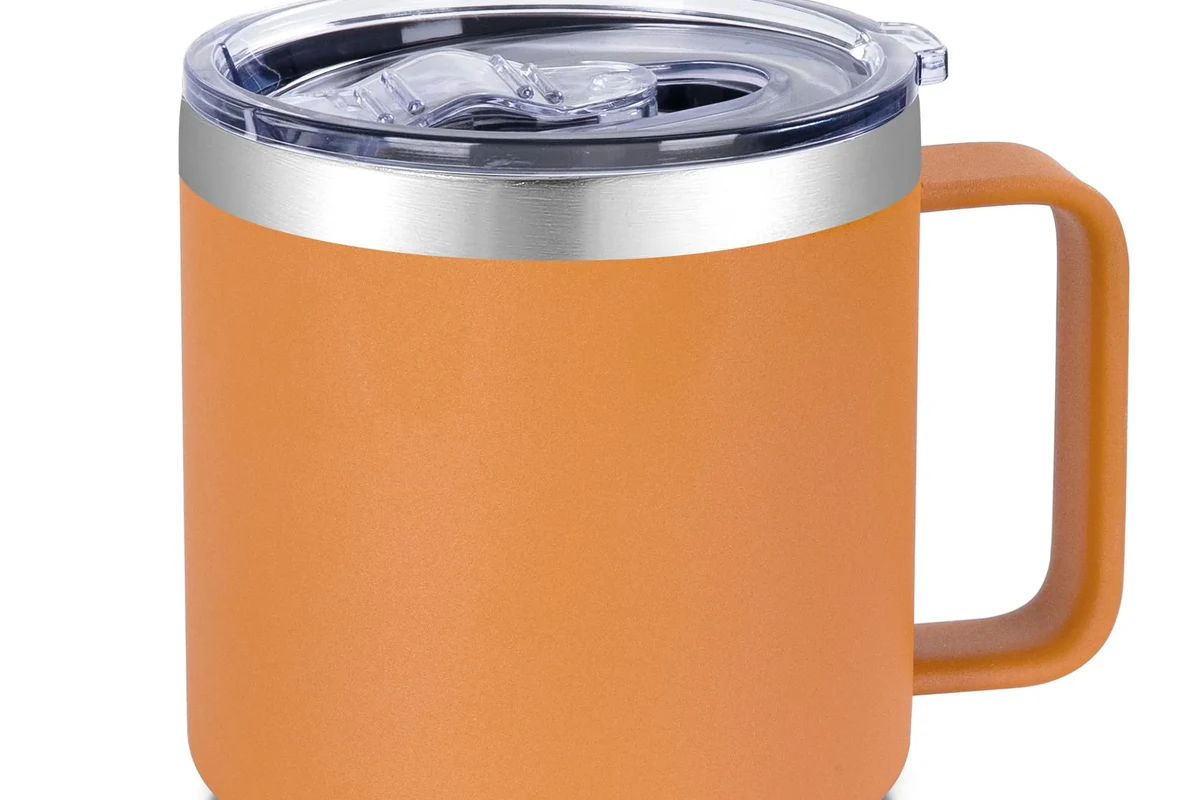
For most people, the answer is yes. Stainless steel is a stable material, and it works well for hot coffee, tea, and other drinks.
The main safety issues usually come from poor build quality, damaged parts, or dirty lids. In other words, the mug itself is often fine, but the details matter.
The short answer and what makes them safe
Food-grade stainless steel is designed for contact with drinks and food. It does not react much with coffee, which helps keep taste and safety concerns low.
Safety also depends on the lid, seal, and finish. If those parts are made with safe materials and stay clean, daily use is usually fine.
When stainless steel is a smart choice
Stainless steel mugs make sense when you want strong, light, and travel-friendly drinkware. They also work well for commuters, office desks, and car cup holders.
They are a good choice if you want better heat hold than plain ceramic. That matters when your coffee sits for a while.
When you should be more careful
Be extra careful if the mug has rust spots, deep scratches, or a damaged lid. Those signs can point to wear, poor quality, or trapped residue.
Also watch for cheap mugs with no clear material details. If the seller does not say what the steel grade is, that is a red flag.
Stop using any mug that has a cracked lid, loose seal, rust, or a strong metal smell that won’t wash out.
How Stainless Steel Coffee Mugs Work
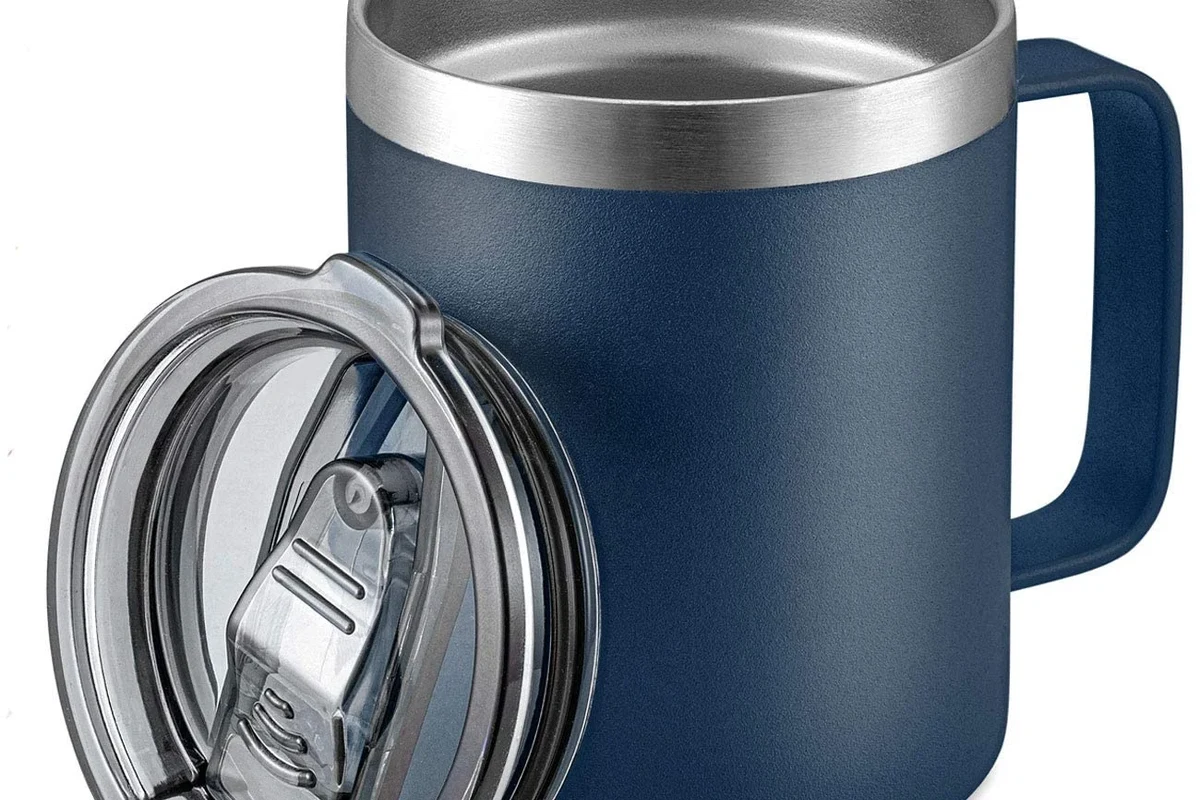
Stainless steel mugs are simple on the surface, but the material choice changes how they perform. The steel, lid, and wall design all affect safety and comfort.
What 18/8 and 18/10 steel mean
These numbers describe the mix of metals in the steel. The first number is chromium, and the second is nickel.
18/8 and 18/10 are common food-contact grades. They resist rust well and are often used in kitchen gear.
18/10 has a bit more nickel than 18/8. In daily use, both are usually fine for coffee mugs.
How the material handles heat, taste, and odor
Stainless steel does not soak up coffee the way some materials do. That helps reduce lingering smell and flavor transfer.
Still, a dirty mug can hold old coffee oils in seams and lid parts. That is why cleaning matters so much.
Many coffee taste complaints come from the lid, not the steel cup itself.
Why double-wall insulation matters
Double-wall mugs help keep drinks hot longer and cut down on outside heat. That makes them easier to hold and safer for travel.
Single-wall mugs can get hot on the outside. They may also cool your coffee faster.
Helps keep heat in and your hand more comfortable.
Reduces spills during commutes and desk use.
Key Safety Factors to Check Before You Buy
A good mug should do more than look nice. It should also use safe parts and feel solid in daily use.
Food-grade steel and low-quality metal risks
Look for clear food-grade material details from the maker. That usually tells you the mug is meant for drink use.
Low-quality metal can mean poor rust resistance or weak finish quality. That can lead to faster wear and more cleanup trouble.
Lid material, seals, and sip openings
The lid matters as much as the cup. Sip openings, sliding covers, and seals can trap grime if they are hard to remove.
Choose a lid that opens and closes smoothly. A loose or warped lid can spill hot coffee and burn your hand.
BPA-free parts and heat-safe coatings
If the mug has plastic parts, check for BPA-free labels and heat-safe details. That includes lids, seals, and any drinking edge inserts.
Some coatings can chip over time. If that happens, the mug may be harder to clean and less pleasant to use.
Size, shape, and comfort for daily use
A mug should fit your hand, cup holder, and routine. A wide body may feel stable at home, while a slimmer shape may travel better.
Comfort matters more than people think. If the mug is awkward to grip, you are less likely to use it well.
- Look for food-grade steel details
- Check lid fit and seal quality
- Confirm easy cleaning and safe parts
- Match the size to your daily routine
Benefits and Limits of Stainless Steel Coffee Mugs
Stainless steel mugs have clear strengths, but they are not perfect. Knowing both sides helps you pick the right one.
Main benefits for home, work, and travel
They are durable, light, and less likely to break than glass or ceramic. That makes them useful in busy kitchens and on the go.
They also handle temperature swings well. Many people like that for long workdays or commutes.
Common limits like taste, dents, and heat transfer
Some people notice a slight metal taste, especially with low-quality mugs. Good steel and a clean lid usually help.
Stainless steel can dent if dropped. It can also feel hot or cold to the touch if the insulation is weak.
- Strong and hard to break
- Good for travel and daily carry
- Often keeps drinks hot longer
- Can dent or scratch
- Some lids trap smells and stains
- Cheaper mugs may affect taste
How stainless steel compares with ceramic and glass
Ceramic often gives the most neutral taste. It also feels familiar for home use, but it can chip or crack.
Glass is easy to inspect and usually does not hold odor. Still, it breaks more easily and is less travel-friendly.
| Option | Best For | Key Consideration |
|---|---|---|
| Stainless steel | Travel and daily carry | Check lid quality and cleaning ease |
| Ceramic | Home use and taste | More break risk |
| Glass | Flavor clarity | Less durable for travel |
Common Mistakes That Can Affect Safety
Most mug problems come from simple habits, not the steel itself. A few small changes can prevent trouble.
Using damaged mugs with deep scratches or rust
Deep scratches can hold grime and make cleaning harder. Rust is a bigger warning sign and should not be ignored.
If the mug or lid shows major wear, replace it. That is safer than trying to keep using a damaged cup.
Leaving coffee in the mug for too long
Old coffee can leave stains, smells, and sticky residue. It can also make the mug harder to clean later.
Rinse it soon after use when you can. That small habit makes a big difference.
Putting the wrong mug in the dishwasher
Not every stainless steel mug is dishwasher safe. Some lids, seals, and printed finishes need hand washing.
Always check the maker’s care guide. That helps protect both the mug and the lid parts.
Ignoring lid buildup and hidden stains
Lids often hide the worst buildup. Sip holes, rubber rings, and sliding covers can trap old coffee and moisture.
Take the lid apart if the design allows it. Clean each piece, then let it dry fully.
The mug smells stale even after a quick rinse.
Wash the lid parts well and let them dry open to the air.
How to Clean and Maintain a Stainless Steel Coffee Mug
Good cleaning keeps the mug safe and helps it last longer. It also keeps your coffee tasting better.
Daily cleaning steps that keep it safe
Wash the mug soon after use with warm water and mild soap. Clean the cup, lid, and seal if the lid comes apart.
Dry all parts fully before storing. That helps prevent odor and buildup.
Rinse, wash, and dry the mug and lid parts.
Check seals, sip holes, and hidden corners.
Deep clean for stains, smell, and residue.
How to remove coffee stains and smells
For light stains, soak the mug with warm water and soap. For stronger smells, a baking soda paste may help if the maker allows it.
Rinse well after any deep clean. Leftover cleaner can affect taste.
What to avoid during cleaning and storage
Avoid harsh scrubs that can scratch the steel. Deep scratches make dirt easier to hide.
Do not store the mug with the lid sealed shut while it is still damp. That can trap moisture and smell.
- Wash lid parts often
- Dry the mug fully before storage
- Follow the maker’s care guide
- Using steel wool on the finish
- Leaving damp parts closed up
- Ignoring rust or cracked seals
When to replace a mug instead of repairing it
Replace the mug if the lid no longer seals, the steel is badly dented, or rust keeps coming back. Those signs usually mean the mug is past its best stage.
That is also true if the mug keeps holding odor after careful cleaning. At that point, a new mug is often the better choice.
Cost, Value, and What to Look for in 2026
In 2026, value matters more than flashy extras. A well-made mug should feel solid, clean easily, and fit your routine.
What a good mug should cost
Prices vary a lot by brand, size, lid style, and finish. Instead of chasing the cheapest option, look for the best build you can afford.
Very low-cost mugs can still work, but they often cut corners on the lid or seal. That is where safety and comfort can slip.
Features worth paying more for
Spend more for a better lid, stronger insulation, and easier cleaning. Those features affect daily use more than a fancy color.
A comfortable handle, a stable base, and a lid you can take apart are also worth it.
Budget picks vs premium options
Budget mugs can be fine for casual use. Just check the material details and lid design before you buy.
Premium mugs often bring better insulation, smoother lids, and better finish quality. That can be worth it if you use the mug every day.
Choose a double-wall stainless steel mug with a secure lid.
Pick the mug that feels easiest to clean and nicest to drink from.
Final Verdict: Should You Use a Stainless Steel Coffee Mug?
For most people, yes. A well-made stainless steel coffee mug is safe, useful, and easy to live with every day.
Best choice for most people
It is a strong choice for commuters, office workers, and anyone who wants less break risk. It also works well if you like a mug that can handle daily wear.
Who may want another material instead
If you care most about pure taste, ceramic may feel better. If you want a clear view of the drink and easy inspection, glass can be a good pick.
Final recommendation from the Red Kitchen Project Editorial Team
Our view is simple. Stainless steel coffee mugs are safe to use every day when you choose food-grade materials, keep the lid clean, and replace worn parts on time.
Choose stainless steel for durability, travel, and easy daily use. Choose another material if you want the most neutral taste or don’t want to manage lid care.
Frequently Asked Questions
Yes, most food-grade stainless steel coffee mugs are safe for hot drinks. The lid, seal, and overall build quality matter just as much as the cup.
Check for food-grade steel, a secure lid, easy cleaning, and clear care instructions. If the mug has plastic parts, make sure they are heat-safe and BPA-free when possible.
Taste issues often come from residue in the lid or from a low-quality finish. Regular cleaning and a better lid design usually help.
Some mugs are dishwasher safe, but not all lids and seals are. Always check the maker’s care guide before washing it that way.
Replace it if the lid no longer seals, rust keeps returning, or the mug stays smelly after deep cleaning. Deep dents or damaged parts are also good reasons to stop using it.
Wash it soon after use with warm water and mild soap, then dry it fully. Clean the lid parts often, since they usually hold the most residue.