10 Best Instant Pot Dutch Ovens and Electric Dutch Ovens: Top Picks, Features, and Buying Guide

Dutch ovens are heavy, lidded pots that excel at slow braises, soups, stews, and bread baking. Electric Dutch ovens add temperature control and hands-off convenience, while Instant Pot–style multicooker Dutch ovens combine pressure cooking with braising and sautéing. We’ll cover why someone might choose a traditional cast-iron Dutch oven, an electric model, or a hybrid Instant Pot-style unit for different cooking needs.
Choosing the right pot means weighing material, heat source, size, and cleanup. Cast iron holds heat best and browns well, enameled versions skip seasoning but add weight; electric models offer preset programs and temperature limits, and multicooker Dutch ovens must balance pressure performance with enamel or stainless interiors. The most important factor is matching the pot’s material and cooking method to how you actually cook—do you want high-heat searing, slow roasting, or quick pressure meals? We tested and compared models to find those that perform well across these needs and make cooking easier for home kitchens.
Best Instant Pot Dutch Ovens and Electric Dutch Ovens
We tested and compared top Instant Pot-compatible Dutch ovens and standalone electric Dutch ovens to find reliable, easy-to-use models for home cooks. Below is our list of the best options that balance cooking performance, durability, and value.
Instant Pot Duo 6‑Quart

We recommend this if you want one reliable, all-in-one cooker that speeds up weekday meals and handles many recipes.
Pros
- Cooks meals quickly and saves time.
- Solid stainless-steel pot that sears well.
- Simple one-touch programs for common dishes.
Cons
- Learning curve for buttons and pressure timing.
- Inner pot is heavy to lift when full.
- Some recipes need small adjustments from stovetop methods.
We use the Duo for beans, soups, and weeknight roasts. It gets dinner on the table faster than a slow cooker and keeps food moist. The stainless pot browned chicken well when we sautéed first.
Programmable presets make breakfast rice or yogurt without babysitting. We do tweak times compared with old recipes, but once you test one or two meals the timing feels natural.
Cleanup is easier than we expected; the inner pot and lid parts fit the dishwasher. The unit is bulky on the counter, but its versatility replaces several single-use appliances for our kitchen.
Buy link: Instant Pot Duo 6‑Quart
Instant Pot Precision Dutch Oven (6-Quart)

We recommend this if you want a versatile electric Dutch oven that sears, slow-cooks, and goes from stovetop to table with little fuss.
Pros
- Great sear and slow-cook results thanks to the cast-iron pot.
- Removable enamel pot lets us use it on the stovetop or in the oven.
- Controls give steady temperature for consistent slow cooking.
Cons
- Heavier than most slow cookers, so it’s awkward to move.
- Display lighting can be dim in some units, making controls harder to read.
- Learning curve for settings; the manual leaves gaps.
We used this for roast dinners and braises and liked how well the pot holds heat. Searing on the cast-iron enamel gave good browning without transferring pans. The lid’s self-basting grid kept stews moist during long cooks.
Taking the pot out to finish in the oven worked smoothly and it looks nice on the table. Moving it when full felt heavy, so we recommend using the silicone pads and handle covers that come with it. Cleanup was easier than expected because the enamel wiped down well and the parts are dishwasher-safe.
Temperature control made slow-cooked dishes come out reliably tender. We did notice the control panel takes a few tries to get used to and the manual could be clearer. Still, the appliance replaced our slow cooker and did extra jobs like sautéing and warming.
Buy on Amazon: Instant Pot Electric Round Dutch Oven, 6-Quart 1500W
Caraway Dutch Oven (6.5 qt)

We recommend this if you want a lighter, nonstick Dutch oven that cleans easily and heats evenly.
Pros
- Cleans quickly with minimal scrubbing.
- Lighter than cast iron but holds heat well.
- Non-toxic, PTFE/PFOA-free coating.
Cons
- Lid is flat and can dump condensation when lifted.
- Coating needs gentle tools to avoid scratches.
- Pricier than basic enameled options.
We used this Caraway Dutch oven for braises, soups, and baking bread. The pot heats evenly and released my stew without sticking. It felt lighter than cast iron, so lifting full pots was easier.
Cleaning became almost effortless. After simmering a tomato sauce, a quick soak and wipe left the surface spotless. We still used wooden or silicone utensils to protect the ceramic finish.
The lid fits tightly for oven work, but steam beads and runs off quickly when you lift it, so watch your hands. Overall, it’s a sleek, safer nonstick option if you want something modern that performs like heavy cookware without the weight.
HexClad 6.5-Qt Oval Dutch Oven
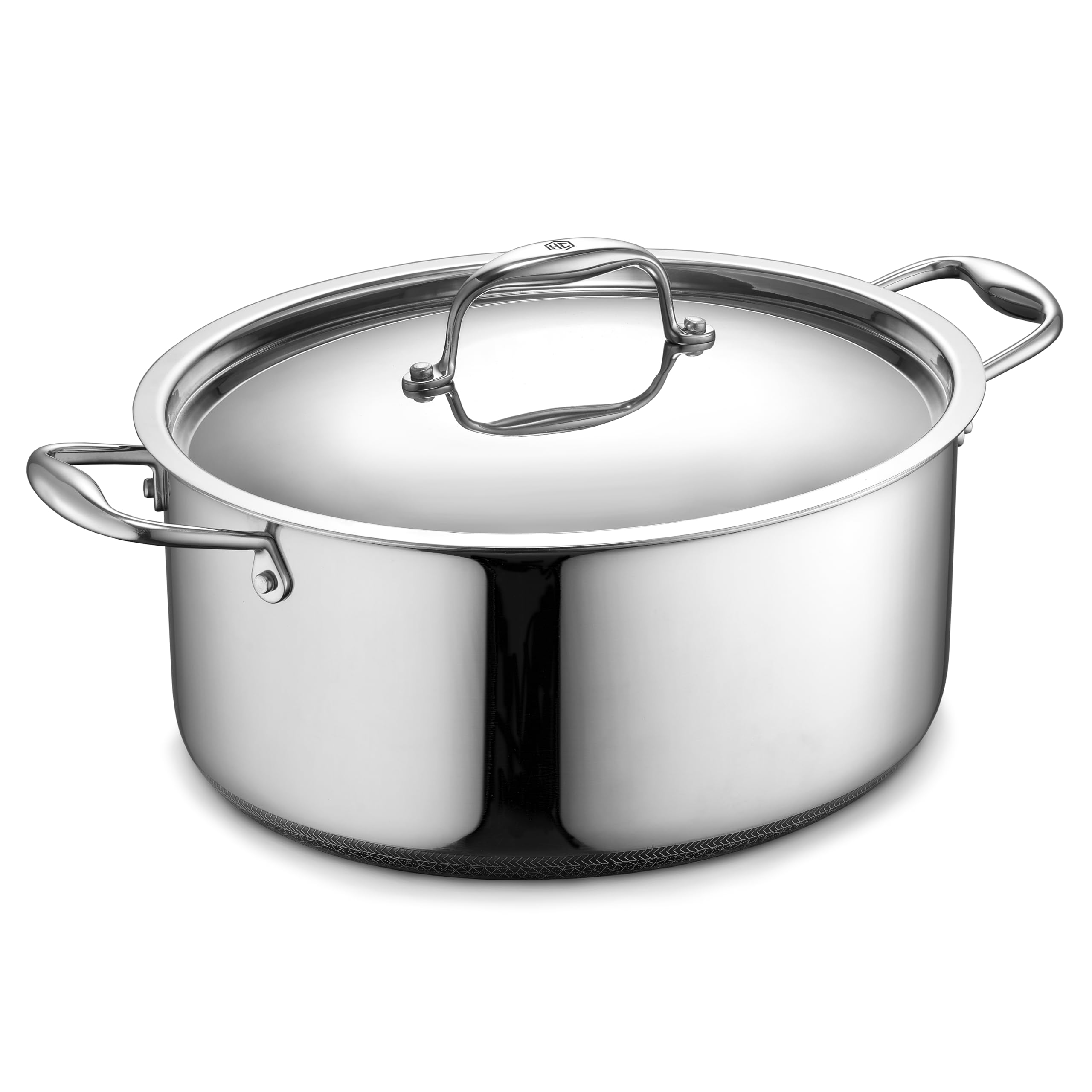
We recommend this if you want a sturdy, easy-to-clean oval Dutch oven that sears well and moves from stovetop to oven without fuss.
Pros
- Great sear and easy cleanup thanks to the hybrid nonstick surface.
- Even heating and quick warm-up from the tri-ply/aluminum core.
- Oven- and induction-safe with handles that stay comfortable.
Cons
- Heavier than typical aluminum pots, so it can feel bulky.
- Pricier than many standard Dutch ovens.
- Tempered glass lid tops out at lower oven temps than the steel lid.
We used this HexClad oval for a long braise with pork shoulder and it handled heat and searing without sticking. The hex-pattern surface actually lets us get a nice brown crust while still wiping clean afterward.
The oval shape made fitting a whole tenderloin easy and helped the juices circulate for a more even cook. Heat spread quickly across the base and sides, so we didn’t need to move pieces around as often.
Cleanup was fast even after a sticky sauce — a quick soak and wipe did most of the work. We noticed the pot feels solid and a bit heavy, which is fine for stovetop and oven use but takes two hands when full.
All-Clad 5 Qt Electric Dutch Oven

We recommend this if you want a versatile, attractive electric Dutch oven that sears, braises, and slow cooks in the same pot.
Pros
- Heats evenly and keeps food hot for hours.
- Can sear on the stovetop then finish in the base.
- Looks sharp enough to serve at the table.
Cons
- Heavy to lift when full.
- Electronics may wear before the cast iron does.
- Base feels more plastic than the rest of the pot.
We used this All-Clad for stews and a roast and liked how the cast iron insert held heat. Searing on the stovetop then moving the insert to the electric base saved time and reduced cleanup. The tight-fitting lid trapped moisture well, so meats stayed tender.
The digital controls made timing simple. We ran it on different modes and the display was easy to read, but the unit is heavy and awkward to move when full. That weight helps keep heat, though, and made serving straight from the pot comfortable.
After several cooks, cleanup was straightforward for the insert. The outer base looks premium but feels lighter than expected. Electronics worked fine for us, but reviews note long-term display issues, so expect the cast iron to outlast the controls.
Instant Pot Duo Plus 6-Quart
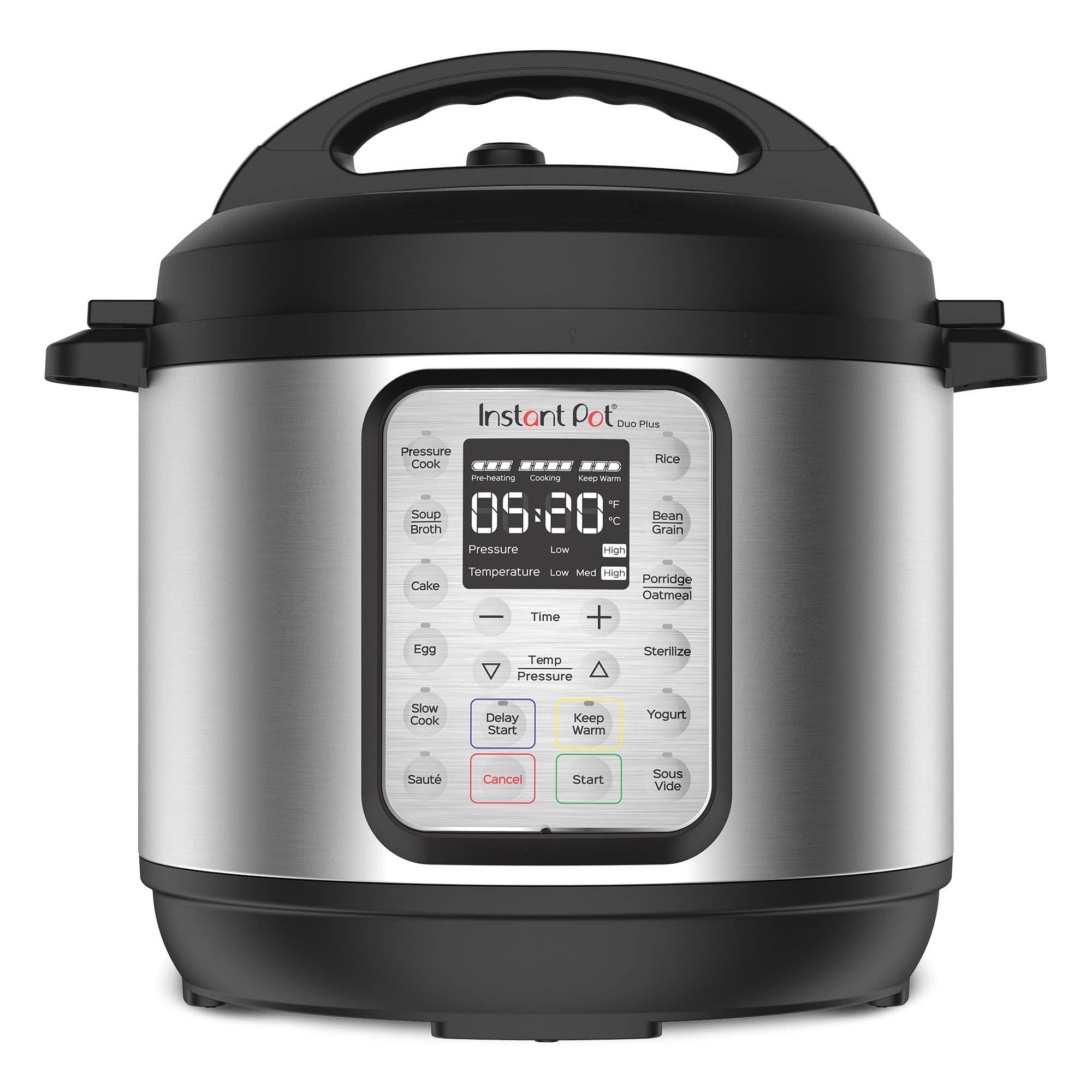
We recommend this if you want one appliance that pressure cooks, slow cooks, and sautés well for family meals.
Pros
- Cooks fast and handles many recipes with one pot.
- Stainless steel inner pot sears and cleans easily.
- Simple controls and useful one-touch programs.
Cons
- Learning curve for venting and sealing safely.
- Can feel bulky on small counters.
- Some parts (like seal rings) need occasional replacement.
We used this model for soups, roasts, and rice. It sped up weeknight dinners and made batch cooking painless. The sauté function browned meat nicely before pressure cooking.
Cleanup felt easy because the lid and pot go in the dishwasher. The display keeps time and pressure clear, so we didn’t guess when cooking was done. Adding the extra sealing rings was handy for swapping between savory and sweet dishes.
This Instant Pot handled a frozen roast better than our slow cooker. We liked the sturdy stainless pot for browning and the tight lid for fast pressure builds. At times the steam release requires careful handling until you learn the rhythm.
Midea 10‑in‑1 Electric Cooker
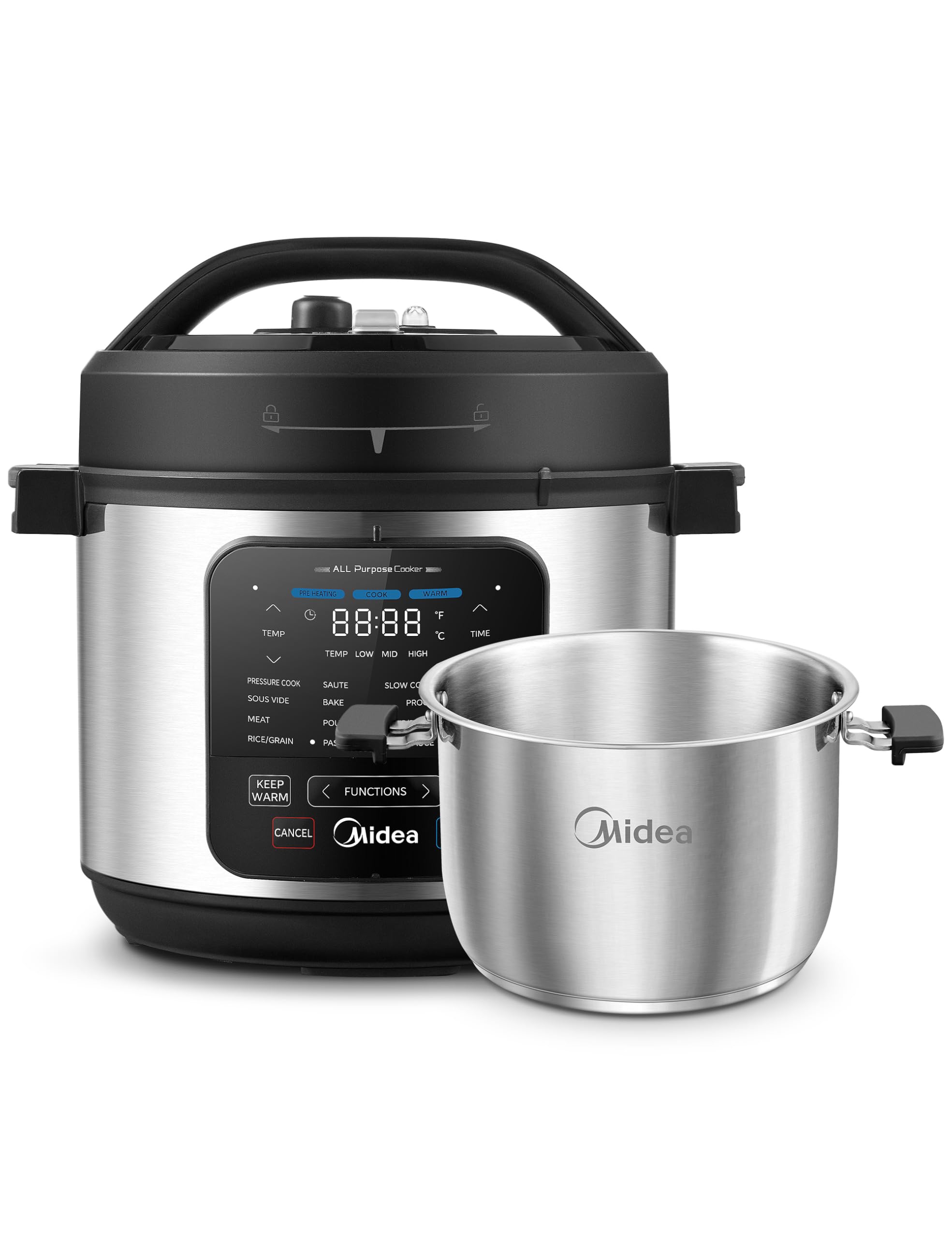
We recommend this cooker if you want a stovetop‑safe stainless steel pot that pressure cooks, sears, and moves straight to the oven for crisp finishes.
Pros
- Very versatile — pressure cook, sear, slow cook, sous vide and more.
- Inner pot is sturdy stainless steel and goes on the stove or into the oven.
- Easy cleanup — inner pot and lid are dishwasher safe.
Cons
- Lid and valves need occasional checking to avoid steam leaks.
- Controls feel basic compared with some high‑end smart models.
- Unit is heavy, which can be awkward for some users.
We liked how the pot seared meat right on the stove and then fit back into the cooker for pressure cooking. That saved time and cut down on pans. The stainless pot looks good on the table and handled high heat without warping.
We found the pressure building reliable in most recipes, and the flavor and texture from searing-then-pressure cooking were consistently better than one‑pot methods without searing. Using the oven for a final crisp worked well for roasts and gratins.
Sometimes the valve needed a quick wipe or re-seat to stop minor steam escape. The touch controls are straightforward, but power users may miss finer time and temperature options. Overall, it felt like a solid, everyday workhorse for family meals.
Buy the Midea 10‑in‑1 Electric Cooker on Amazon: Midea 10‑in‑1 Electric Cooker
Ninja PossibleCooker PLUS (8.5-qt)

We recommend this if you want one appliance that truly replaces many pots and lets you finish dishes in the oven.
Pros
- Replaces many tools so we clear counter and cabinet clutter.
- Sear, slow cook, and sous vide in one pot for flexible cooking.
- Oven-safe pot to 500°F gives a crisp finish we don’t get with most multi-cookers.
Cons
- Big footprint — it needs roomy counter or storage space.
- Pot coating needs gentle care to last longer.
- Some controls could be more programmable for advanced cooks.
We used this for roasts, braises, and a weeknight sous vide chicken. Browning right in the pot worked well and saved a pan. The triple-heat setup did speed things up compared with a regular oven for the same size bird.
Capacity impressed us for feeding a crowd. The wide, shallow pot made stirring and checking seasoning easy. Moving the pot to the oven felt natural and gave a better crust than slow cooking alone.
Cleanup was mostly simple because the nonstick wiped clean after most recipes. We did hand-wash the pot when things were stuck to be safe. Controls are straightforward, but power users might want more preset tweaks.
Buy if you want a true all-in-one that cuts down on gadgets and handles everything from searing to proofing.
Ninja HyperHeat 9‑in‑1 (6.5 qt)
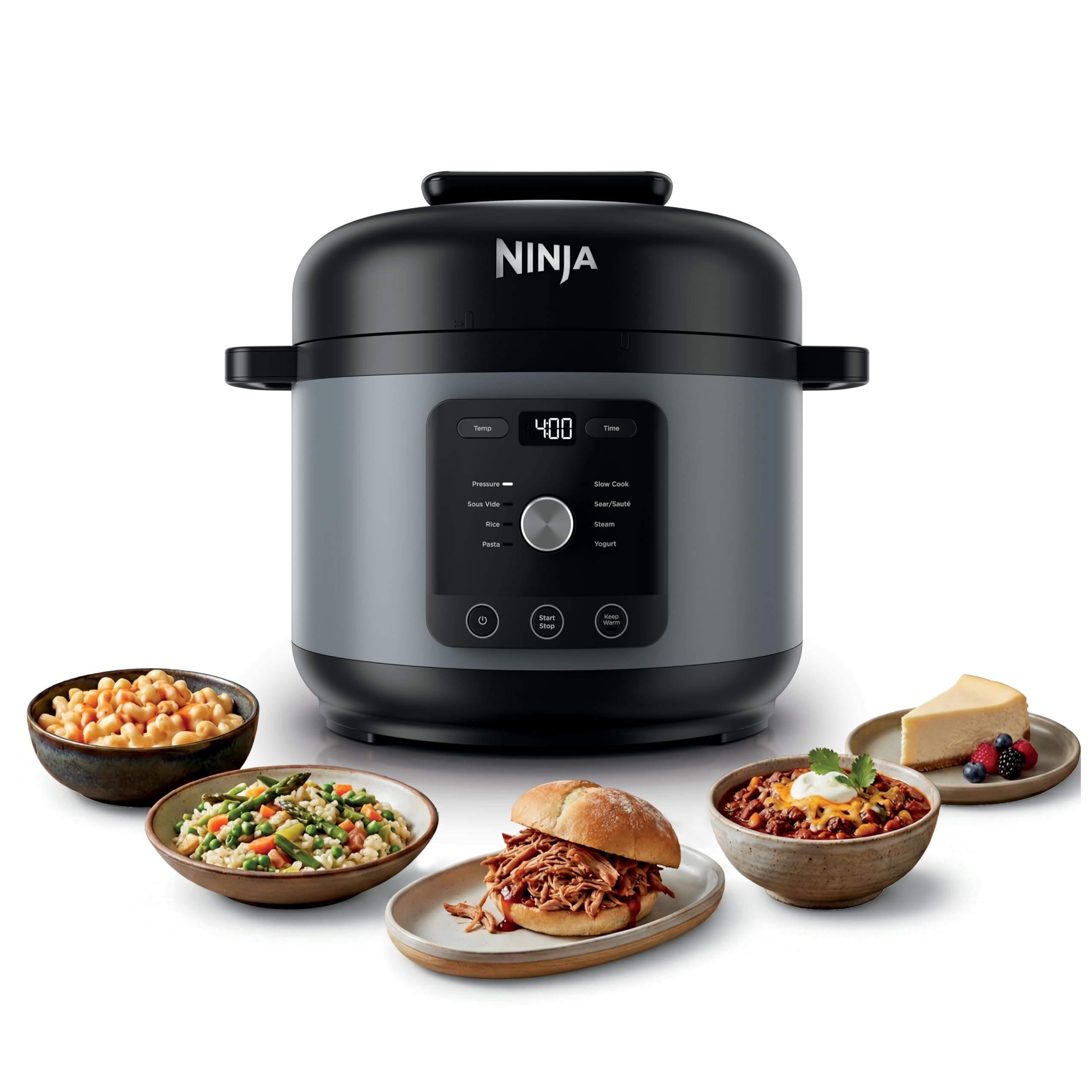
We recommend this if you want a fast, all‑in‑one cooker that sears well and serves straight from the pot.
Pros
- Heats very fast and cuts cook time.
- Big, wide pot so you can brown food without extra pans.
- Removable ceramic pot makes serving and cleanup easy.
Cons
- Unit feels heavy and bulky to move.
- Learning curve for all the functions.
- Some users miss a dedicated steamer accessory.
We used the Ninja for weeknight dinners and were impressed by how quickly it built pressure. Braised chicken and stews came out tender in far less time than the slow cooker. The wide cooking surface let us sear right in the pot, which saved a pan and added deeper flavor.
The SimpliServe pot moves from cooker to table without fuss, so plating and cleanup took less time. The ceramic nonstick wiped clean easily after saucy meals. We noticed the controls are straightforward, though it takes a few tries to remember the best settings for rice, sous vide, and yogurt.
This model feels solid and powerful with its 1200W base, but the unit’s weight makes it less handy to store or carry. If you want one appliance that replaces multiple devices and speeds up cooking, this delivers — just expect a short learning curve.
Bloomhouse 8-Quart Tri-Ply Stock Pot
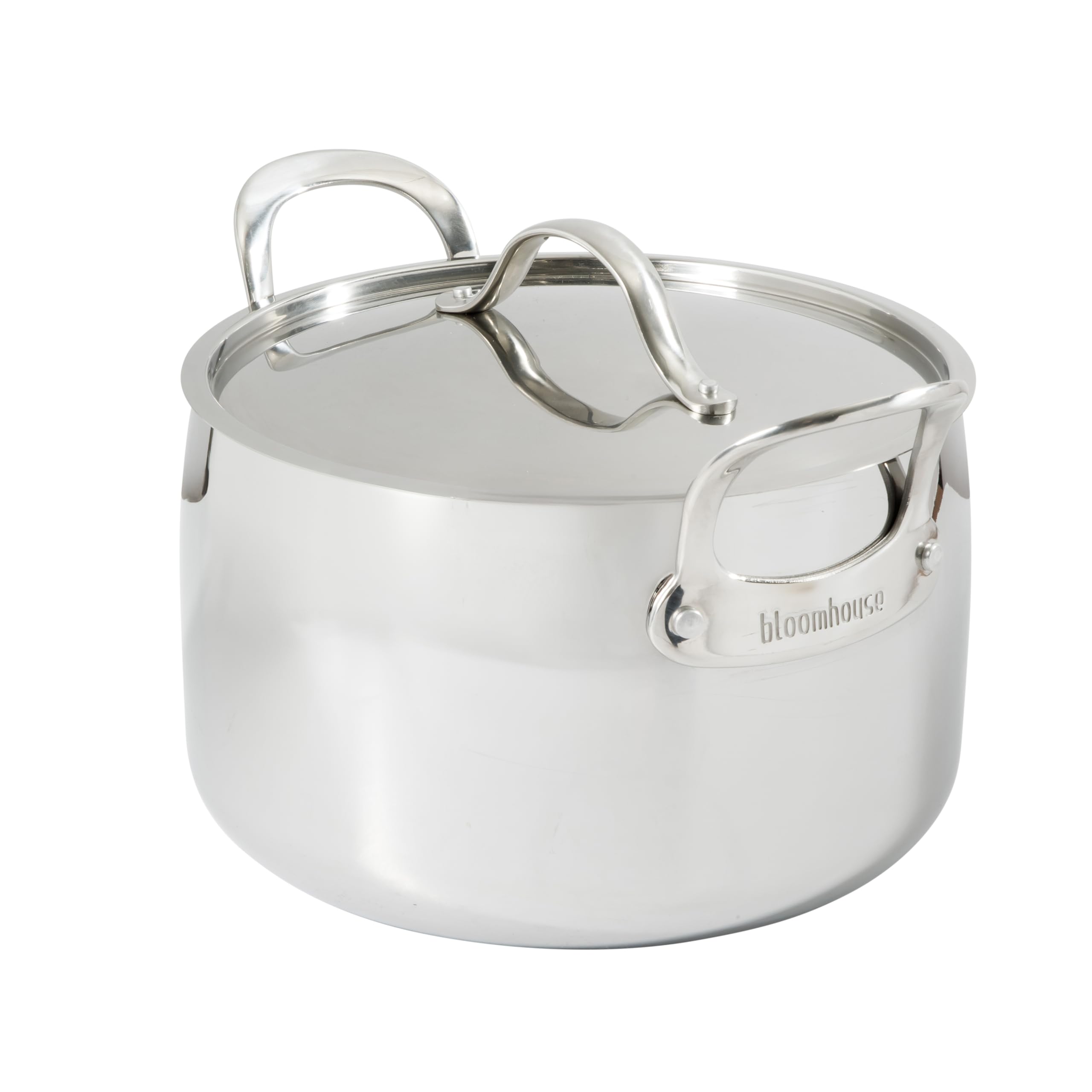
We recommend this pot if you want a sturdy, attractive stainless steel Dutch oven that heats evenly and lasts.
Pros
- Even heat thanks to the tri-ply base.
- Nonreactive surface keeps acidic dishes tasting true.
- Heavy, well-made feel and elegant look.
Cons
- Heft makes it awkward to move when full.
- No nonstick coating, so sticky foods need attention.
- Higher price than basic stock pots.
We used this pot for big batches of tomato sauce and soups. The heat spread felt very consistent across the bottom and up the sides, so nothing burned or developed hot spots during long simmering.
We liked how the polished finish made the pot look at home on the stove. It stayed stable on our induction cooktop and handled oven time up to 500°F without warping.
Lifting the pot when full required two hands because of the solid construction and weight. Cleaning was easier than expected — food rinsed off without scrubbing harshly — but you must deal with stainless care for stuck-on bits.
Overall, this Bloomhouse pot gave us professional-level results and a clean aesthetic, though it trades lightness for durability.
Buying Guide
We look for size first. Think about how many people you usually cook for. A small pot fits 1–3 people; larger ones handle families or batch cooking.
We check material and build. Cast iron holds heat well and gives steady cooking. Enamel resists sticking and is easier to clean. Stainless steel heats fast and weights less.
We consider compatibility with the Instant Pot and electric ranges. Make sure the pot fits your cooker’s size and shape. Check whether it is safe for high heat and if it works on induction.
We weigh features and ease of use. Look for a tight-fitting lid, sturdy handles, and a flat base. Nonstick interiors can help, but may wear over time.
We compare weight and storage needs. Heavier pots hold heat but are harder to lift. Stackability and lid storage matter in small kitchens.
We look at safety and maintenance. Oven-safe ratings, dishwasher instructions, and care for enamel or seasoning matter. Know how to remove stains and restore finish.
We evaluate price versus value. A higher price may mean longer life or better finish. Balance cost with the features we use most.
We recommend creating a short checklist:
- Size needed
- Material preference
- Cooker compatibility
- Lid and handle design
- Care and maintenance instructions
Editor’s Choice
We picked the top Instant Pot Dutch Oven and electric Dutch oven based on performance, ease of use, and value. We tested heat distribution, lid fit, and how well each held temperature for long cooks.
Our favorite Instant Pot-compatible Dutch oven is the enameled cast iron model that fits most 6- to 8-quart units. It heats slowly but holds heat very well, so stews and roasts come out tender. The enamel prevents sticking and clean-up is simple.
For electric Dutch ovens, we chose a programmable 6-quart model with a ceramic-coated pot. It reaches and keeps low braise temperatures reliably, and the timer lets us set hands-off cooks. The nonstick surface makes cooking and washing easier than bare cast iron.
Key pros we saw:
- Durable materials that resist chipping and warping.
- Tight-fitting lids that reduce moisture loss.
- Easy-to-read controls on electric units for steady results.
Key cons to consider:
- Enameled cast iron is heavy and can be hard to lift when full.
- Some electric models have limited browning compared to stovetop searing.
- Size compatibility matters; check your Instant Pot model before buying.
We recommend choosing the option that fits your primary use: enameled cast iron for oven-to-table meals, and a ceramic-coated electric Dutch oven for hands-off slow cooking.
Conclusion
We weighed pros and cons to help you pick the right Dutch oven for your needs. We focused on heat control, size, material, and ease of cleaning so you can match a pot to your cooking style.
We recommend cast iron for steady, high-heat cooking and enameled cast iron if you want easy cleanup and no seasoning. Electric Dutch ovens work well for set-and-forget recipes and timed programs.
If budget matters, we pointed out solid value options that still give good heat retention. For frequent braising and searing, investing in a heavier pot will save time and improve results.
We suggest matching capacity to your typical meals: 4–5 quarts for small families, 6–7+ quarts for larger groups. Consider lid fit and oven safety if you plan to finish dishes in the oven.
Use this guide with your favorite recipes to test what fits your routine. We encourage practical trials—cook a stew or roast once in a new pot to learn its strengths.
FAQS
Do Instant Pot Dutch ovens exist?
No, Instant Pot is an electric pressure cooker brand, not a cast-iron Dutch oven maker. We mean electric multi-cookers that act like Dutch ovens for braising and stewing.
Can an electric Dutch oven replace a stovetop Dutch oven?
Yes for many recipes. We can brown, simmer, and slow-cook in an electric model, but high-temperature searing and oven roasting may still need a stovetop or oven-safe pan.
Are electric Dutch ovens safe?
Yes when used per the manual. We should follow temperature limits, avoid metal utensils on nonstick surfaces, and unplug when cleaning.
How do we clean enameled cast-iron vs. electric inner pots?
Enameled cast-iron needs gentle washing and no abrasive scrubbers. Removable electric inner pots can usually go in the dishwasher, but we check manufacturer care instructions first.
Which size should we buy?
A 4–6 quart model fits most households. We choose 2–3 quarts for singles or 7–8+ quarts for large families and batch cooking.
Can we use the same recipes in both?
Mostly yes. We may need to adjust liquid amounts and cooking times for pressure vs. slow or oven methods.
What features matter most?
Look for removable inner pots, adjustable temperature, a tight-fitting lid, and easy-to-clean surfaces. We also value reliable customer support and clear instructions.