Can You Cook Couscous in a Rice Cooker Easy Guide

Yes, you can cook couscous in a rice cooker, and it works best when you use a short covered rest instead of a full rice cycle. Instant or Moroccan couscous is the easiest, while pearl couscous needs a little more time and attention.
If you’ve been wondering whether you can cook couscous in a rice cooker, the short answer is yes. A rice cooker can make couscous well, as long as you use the right liquid ratio and avoid treating it exactly like rice.
- Best method: Heat liquid, add couscous, cover, rest, and fluff.
- Easiest type: Instant or Moroccan couscous is most forgiving.
- Main risk: Too much heat or too much liquid makes couscous mushy.
- Flavor boost: Broth, butter, oil, and herbs improve the result fast.
Can You Cook Couscous in a Rice Cooker? What Readers Want to Know in 2026
In 2026, a rice cooker remains one of the easiest low-effort tools for making couscous, especially when you want a hands-off side dish. The method is simple, but the best results come from understanding that couscous is not a grain that needs a long cooking cycle like brown rice or wild rice.
Search intent: quick yes-or-no answer, then a practical method
Yes, you can cook couscous in a rice cooker, and for many home cooks it is a convenient option. The practical method is to add hot liquid, let the couscous absorb it, then fluff it gently instead of running a full rice program on autopilot.
That matters because couscous is usually steamed or hydrated, not simmered for a long stretch. If you use the rice cooker like a hot holding vessel with a short cook-and-rest cycle, you’ll usually get a lighter texture.
Why couscous works differently from rice in a rice cooker
Rice needs time to absorb liquid as it softens, while couscous is much smaller and faster to hydrate. In a rice cooker, that means the appliance is useful for heating the liquid and creating a covered resting environment, but the cycle length matters a lot.
Standard couscous can turn gummy if it sits on heat too long. Pearl couscous is sturdier and behaves more like a tiny pasta, so it can tolerate more cooking time than Moroccan couscous.
Best Types of Couscous for Rice Cooker Cooking
Not all couscous varieties perform the same way in a rice cooker. Some are ideal for quick steaming, while others need more like a simmered pasta method than a simple absorption method.
Moroccan couscous vs. pearl couscous vs. Israeli couscous
Moroccan couscous is the smallest and fastest-cooking type. It usually gives the fluffiest result if you keep the liquid controlled and avoid overcooking.
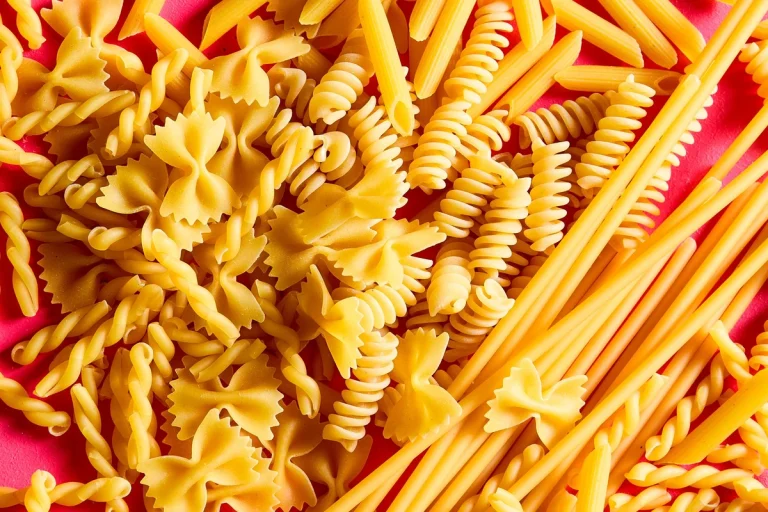
Pearl couscous and Israeli couscous are often used interchangeably in everyday cooking, and both are larger, rounder, and more forgiving. They are better if you want a more substantial side dish that can handle vegetables, sauces, or meal-prep storage.
Which varieties cook evenly in standard rice cookers
Instant or quick couscous usually cooks most evenly in a basic rice cooker because it only needs hot liquid and a short rest. Pearl couscous can also work well, but it may need a longer cycle or a second check to make sure the center is tender.
Very small couscous is easiest in a cooker with a reliable keep-warm setting and a lid that seals well. If your rice cooker tends to run hot or switches quickly, you may need to remove the insert sooner to prevent clumping.
When instant couscous is the easiest choice
Instant couscous is the simplest option for busy nights because it is designed to hydrate quickly. If you are using a rice cooker for a side dish alongside chicken, vegetables, or stew, instant couscous is usually the least fussy choice.
It is also the best pick for beginners. The margin for error is smaller, and the texture is easier to control with a fork-fluff finish.
What You Need Before You Start
Before you make couscous in a rice cooker, it helps to know what kind of cooker you have and what texture you want. A few small setup choices make the difference between fluffy couscous and a sticky, overhydrated batch.
Rice cooker compatibility: basic, fuzzy logic, and keep-warm settings
Basic rice cookers can work fine if you use them mainly to heat liquid and rest the couscous. Fuzzy logic models may be more variable because they are designed to adjust heat for rice, which can sometimes overdo delicate couscous.
The keep-warm setting is often useful, but only for a short resting period. If the cooker keeps the couscous hot for too long, the bottom layer can dry out or compact.
Ingredient ratios, broth options, and add-ins
A common starting point for Moroccan couscous is close to a 1:1 liquid-to-couscous ratio by volume, though some brands may need slightly more or less. Pearl couscous usually needs more liquid and more time, so follow the package as a baseline and adjust from there.
Water works, but broth adds much better flavor. You can also include a little oil or butter, plus salt, garlic powder, herbs, or a bay leaf for a simple savory base.
Tools that help: measuring cup, fork, and lid-safe stirring spoon
You do not need special equipment, but accurate measuring helps a lot. A fork is the best tool for fluffing at the end because it separates grains without crushing them.
A lid-safe spoon or silicone utensil is helpful if you want to stir in oil or seasonings before cooking. Just avoid hard scraping on the inner pot, especially if it has a nonstick surface.
Step-by-Step: How to Cook Couscous in a Rice Cooker
The easiest rice cooker method is to treat couscous as a quick hydration side, not a long simmering project. The goal is to heat the liquid, cover, rest, and fluff.
Basic water-to-couscous ratio for fluffy results
For standard Moroccan couscous, start with equal parts couscous and hot liquid by volume. If your brand seems especially dry or coarse, a small splash more liquid may help, but too much will quickly make the texture heavy.
For pearl couscous, use the package directions as your starting point because the ratio is usually higher than for Moroccan couscous. The larger shape needs more moisture and more time to become tender.
How to add oil, butter, salt, or broth for better flavor
Stir in a little olive oil or butter before cooking if you want a richer, less sticky result. Salt the liquid lightly, especially if you are using plain water instead of broth.
Broth is the easiest way to build flavor without extra work. If you use a salty broth, reduce added salt so the finished couscous does not taste overly seasoned.
Cooking and resting times by couscous type
Moroccan couscous usually only needs a short heat-and-rest cycle in a rice cooker. Once the liquid is hot and the lid is closed, let it sit until fully absorbed, then check texture before deciding whether it needs more time.
Pearl couscous generally needs a longer rice-cooker cycle or a brief simmer if your cooker allows that mode. Since models vary, the safest approach is to check early rather than letting it run through a full rice program without looking.
Use the correct ratio for your couscous type. Start conservatively so the grains can absorb moisture without turning soggy.
Add water or broth, plus salt, oil, or butter if desired. Let the cooker bring the mixture up to a hot, steamy state.
Stir in the couscous, close the lid, and let it rest without overmixing. The covered environment helps the grains hydrate evenly.
When the liquid is absorbed, fluff with a fork and check the texture. If needed, add a small splash of hot liquid and rest a few minutes more.
Fluffing, checking texture, and fixing undercooked grains
Fluffing is not optional if you want light couscous. Use a fork and lift the grains gently so steam can escape and the texture loosens.
If the couscous is still firm, add just a small amount of hot water or broth, cover again, and give it a few more minutes. If it is too wet, leave the lid off briefly and fluff to release moisture.
Common Mistakes That Make Couscous Mushy, Dry, or Clumpy
Most couscous problems in a rice cooker come from using rice habits instead of couscous habits. The good news is that the fixes are usually simple.
Using the wrong liquid ratio
Too much liquid is the fastest way to end up with mushy couscous. Too little liquid leaves dry patches in the center and a dusty texture on top.
Because brands differ, the package directions still matter. Use them as your first reference, then fine-tune based on whether your cooker runs hot or mild.
Overcooking on a full rice cycle
A full rice cycle is often too long for Moroccan couscous. By the time the cooker finishes, the grains may have absorbed too much moisture and compacted into a dense mass.
That is less of a problem with pearl couscous, but it can still overcook if the cooker keeps heating after the liquid is gone. Check earlier than you would for rice.
Skipping the rest period after heating
Couscous needs a short resting period after the liquid is added so the texture can even out. If you fluff too early, the center may still be underhydrated while the outside feels soft.
On the other hand, resting too long on heat can dry out the bottom layer. The sweet spot is usually a short covered rest followed by immediate fluffing.
Stirring too aggressively and breaking the grains
Couscous is delicate. Vigorous stirring can crush the grains and make the final dish pasty instead of airy.
Use a fork or very gentle folding. If you are adding vegetables or herbs, fold them in after the couscous has finished steaming.
Rice Cooker vs. Stovetop vs. Microwave: Which Method Is Best?
There is no single best method for every kitchen. The right choice depends on how much couscous you are making, how much attention you want to give it, and whether you value convenience or control.
Time comparison for weeknight meals
Microwave couscous is usually the fastest, but it can be less consistent. Stovetop cooking gives you the most direct control, especially for pearl couscous, but it requires more attention.
A rice cooker sits in the middle. It is slower than the microwave, but it is easier to step away from than the stovetop.
Cost comparison: energy use and cleanup
For small portions, the microwave may use less time and less cleanup. For larger batches, a rice cooker can be efficient because it handles the whole side dish in one pot.
Cleanup is often easiest with a rice cooker if the insert is nonstick and the couscous does not scorch. Stovetop pans can require more scrubbing, especially if broth or butter reduces too far.
Best method for meal prep, large batches, and one-pot sides
Rice cookers are a strong choice for meal prep because they hold heat well and keep the process simple. They are also useful when you are making a one-pot side with vegetables or herbs mixed in after cooking.
If you need perfect texture for a dinner party, the stovetop may give more control. If you want low effort and predictable results, the rice cooker is often the better everyday tool.
| Option | Best For | Watch Out For |
|---|---|---|
| Rice cooker | Hands-off weeknight sides | Overcooking on a full rice cycle |
| Stovetop | More control and larger pearl couscous | Requires attention and stirring |
| Microwave | Fast single servings | Uneven hydration if not monitored |
Flavor Upgrades, Serving Ideas, and Safe Add-In Tips
Couscous is a flexible base, which is part of why it works so well in a rice cooker. Once the grains are cooked, you can build it into a simple side or a more complete bowl.
Vegetables, herbs, spices, and protein pairings
Try peas, diced carrots, sautéed onions, chickpeas, parsley, dill, mint, or scallions. Warm spices like cumin, coriander, paprika, and turmeric also pair well with couscous without overpowering it.
For protein, couscous works with roasted chicken, lamb, salmon, tofu, or beans. It also makes a good base for grain bowls with roasted vegetables and a lemony dressing.
How to avoid scorching with sugary sauces or heavy dairy
If you plan to use sweet glazes, honey, or thick creamy sauces, add them after cooking rather than before. Sugary ingredients can stick to the pot and create scorching or a burnt layer at the bottom.
Heavy dairy also deserves caution because it can separate or cling to the insert during heating. For best results, stir in yogurt, cream, or cheese after the couscous is fully cooked.
Food safety notes for leftovers and reheating in 2026
As with any cooked side dish, cool leftovers promptly and store them in a sealed container in the refrigerator. In 2026, the safest approach is still to reheat until steaming hot and avoid leaving cooked couscous at room temperature for long periods.
If you reheat in the rice cooker, use caution and avoid drying it out. A splash of water or broth can help restore texture, but do not keep reheating the same batch repeatedly.
Final Verdict: Is a Rice Cooker a Good Way to Make Couscous?
Yes, a rice cooker can be a very good way to make couscous, especially if you want a simple, low-stress side dish. It is most successful when you treat couscous as a quick-hydration ingredient rather than a long-cooking grain.
Best-use summary for beginners and busy home cooks
Beginners will usually do best with instant or Moroccan couscous, a measured liquid ratio, and a short covered rest. Busy home cooks will appreciate that the rice cooker does most of the work while leaving the stovetop free.
Recap of the easiest method, biggest pitfalls, and when to choose another tool
The easiest method is to add the right amount of hot liquid, cover, rest, and fluff with a fork. The biggest pitfalls are too much liquid, too much heat, and overmixing.
If you want maximum control, especially with pearl couscous or a mixed one-pot dish, the stovetop may still be the better tool. But for everyday convenience, the rice cooker is a practical, reliable choice in 2026.
Frequently Asked Questions
Yes, if you use the right liquid ratio and avoid a full rice cycle for delicate couscous. A short covered rest followed by fluffing usually gives the best texture.
Instant or Moroccan couscous is usually the easiest in a rice cooker. Pearl couscous can work too, but it often needs more liquid and a longer cook time.
Either works, but broth adds more flavor with very little effort. If the broth is salty, reduce added salt so the finished couscous does not taste too strong.
Use the correct liquid amount, avoid overcooking, and fluff gently with a fork after the rest period. A little oil or butter can also help separate the grains.
A microwave may be faster, but a rice cooker can be easier for larger batches and more hands-off cooking. The best choice depends on how much couscous you need and how much control you want.
Yes, but keep add-ins light and avoid anything sugary or very creamy until after cooking. Heavier sauces and dairy can scorch or separate if they are heated for too long.