How Much Water and Rice to Put in Rice Cooker Guide

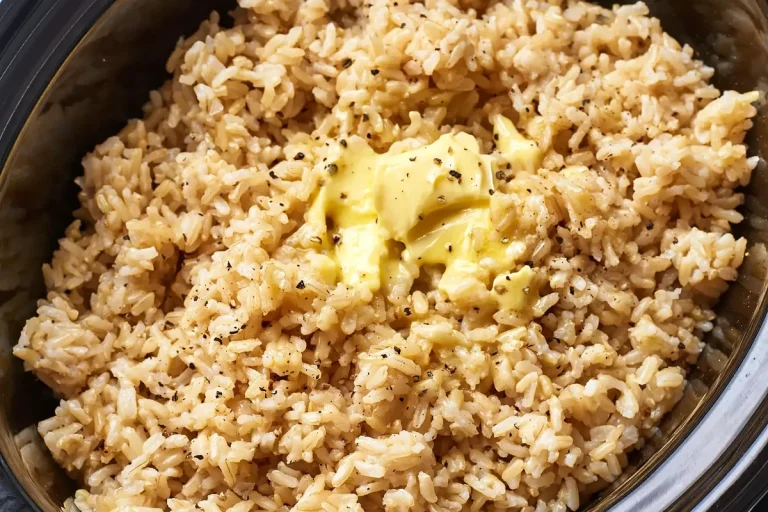
Use the rice cooker cup, match the ratio to the rice type, and start with about 1 to 1.25 cups water per cup of white rice. Brown rice usually needs more water, around 1.5 to 1.75 cups per cup of rice.
If you want fluffy rice without guesswork, the key is matching the right water amount to the rice type and your cooker style. In 2026, most rice cookers still work best with simple ratios, but the exact result depends on grain, brand, rinsing, and whether your model uses standard lines or fuzzy logic.
- White rice: Start with 1 to 1.25 cups water per cup of rice.
- Brown rice: Start with 1.5 to 1.75 cups water per cup of rice.
- Measure consistently: Use the rice cooker cup or the same standard cup every time.
- Follow cooker markings: Inner pot lines often beat generic charts for your model.
How Much Water and Rice to Put in a Rice Cooker: What Readers Want in 2026
The most useful answer is also the simplest: start with the rice cooker’s own measuring cup, then use the rice type’s recommended ratio. For many white rice recipes, that means about 1 cup rice to 1 to 1.25 cups water, while brown rice usually needs more water and more time.
Readers in 2026 often want a method that works across compact cookers, multi-function models, and rice settings that do not always behave the same way. That is why the best approach is to use the right base ratio, then adjust slightly for texture, age of rice, and your cooker’s markings.
Rice Cooker Ratios Explained: White Rice, Brown Rice, Jasmine, Basmati, and Sushi Rice
Different rice varieties absorb water differently, so a single ratio does not fit every grain. White rice generally cooks with less water than brown rice, while sticky styles like sushi rice need a slightly different balance to stay tender without turning soupy.
Standard water-to-rice ratios by rice type
Here is a practical starting point for common rice types in a rice cooker. Treat these as reliable starting ratios, not absolute rules, because brand and cooker design can shift the final result.
| Rice type | Starting ratio | Texture goal |
|---|---|---|
| White rice | 1 cup rice to 1 to 1.25 cups water | Soft, separate grains |
| Jasmine rice | 1 cup rice to 1.1 to 1.25 cups water | Light, fragrant, slightly tender |
| Basmati rice | 1 cup rice to 1.25 cups water | Long, fluffy grains |
| Sushi rice | 1 cup rice to 1.1 cups water | Sticky but not wet |
| Brown rice | 1 cup rice to 1.5 to 1.75 cups water | Chewy, fully cooked grains |
For white rice, many home cooks prefer the lower end if they like firmer grains. If you want softer rice, move a little higher, but do not jump too far at once.
Brown rice usually needs the most water because the bran layer slows absorption. If your cooker has a brown rice setting, use it, since the cycle length matters as much as the ratio.
How rice texture and brand affect the final measurement
Rice from different brands can vary in age, polish level, and grain size, and that changes how much water it needs. Older rice often needs a touch more water, while very fresh rice may cook well with slightly less.
Texture also depends on what you want at the table. If you like drier rice for stir-fry, use the lower end of the ratio range; for softer rice to serve with curry or stews, use the higher end.
Rinsing rice removes surface starch, which can slightly reduce stickiness and may require a small water adjustment in some cookers.
Step-by-Step Measuring Guide for Rice Cooker Success
The easiest way to avoid soggy or undercooked rice is to measure rice and water the same way every time. Once you pick a method, keep it consistent so you can fine-tune the result in small steps.
How to measure rice correctly before cooking
Always use the rice cooker cup if your appliance includes one. That cup is often smaller than a standard U.S. measuring cup, so mixing the two can throw off the ratio.
Rinse the rice if your recipe or rice type benefits from it, then drain well before adding water. After that, add the rice to the pot first, then pour in the measured water to the correct line or ratio.
Use the rice cooker cup for consistency, not a random kitchen cup.
Rinse until the water looks clearer, then let excess water drain away.
Use the ratio for your rice type or fill to the cooker’s marked line.
How much water to add for 1, 2, 3, or 4 cups of rice
For a basic white rice starting point, use about 1 to 1.25 cups water per cup of rice. That means 1 cup rice needs 1 to 1.25 cups water, 2 cups rice needs 2 to 2.5 cups water, 3 cups rice needs 3 to 3.75 cups water, and 4 cups rice needs 4 to 5 cups water.
For brown rice, use roughly 1.5 to 1.75 cups water per cup of rice. So 1 cup brown rice needs 1.5 to 1.75 cups water, and 4 cups brown rice may need 6 to 7 cups water, depending on the cooker and your texture preference.
If you are cooking jasmine or basmati, stay near the lower-middle part of the range first. If the result is too firm, add a little more water next time rather than changing everything at once.
Using the rice cooker cup vs. a standard measuring cup
This is one of the most common sources of confusion. A rice cooker cup is often about 180 ml, while a standard measuring cup is usually 240 ml, so the numbers are not interchangeable.
If you use the rice cooker cup, follow the cooker’s internal water lines or its recipe chart. If you use a standard measuring cup, convert carefully and keep the same measuring system every time.
Pick one measuring system and stick with it. Consistency is more important than chasing a perfect number on the first try.
Rice Cooker Compatibility: Small, Standard, and Multi-Function Models
Rice cooker capacity changes how forgiving the process feels, especially when you are cooking small batches. A tiny cooker may dry out faster if the lid seal is weak, while a larger multi-function unit may hold heat and moisture more evenly.
How water ratios change by rice cooker capacity
Small cookers can be less forgiving with tiny portions because steam distribution is different when the pot is only partly filled. If your cooker is rated for 3 cups or less, it is especially important to follow the inner pot markings and avoid eyeballing the water.
Standard 5- to 10-cup cookers usually handle common ratios well, but the exact amount still depends on the rice type. Large batches may need a little extra time for the center of the pot to finish evenly.
Differences between basic one-switch cookers and fuzzy logic models
Basic one-switch cookers usually rely on heat and moisture alone, so the ratio matters more. Fuzzy logic models can adjust temperature and cook time, which gives them more flexibility if your rice is slightly off.
That said, even advanced cookers cannot fully fix a major measurement mistake. If you add too much water, the rice may still turn mushy; if you add too little, it may still come out hard.
When to follow the cooker’s inner pot markings instead of a chart
Use the inner pot markings when the manufacturer provides them for the exact rice type you are cooking. Those lines are designed for that specific cooker and often account for the pot shape, heating pattern, and steam behavior.
A general ratio chart is helpful when the markings are unclear, worn off, or missing. If both are available and they disagree, the cooker’s own instructions usually deserve priority.
- Match year, make, model, and trim
- Check FCC ID or part number
- Compare button layout and emergency key blade
Common Mistakes That Ruin Rice in a Rice Cooker
Most rice cooker problems come from small habits, not bad appliances. Too much water, too little water, or using the wrong setting can quickly change a good batch into something disappointing.
Too much water, too little water, and skipping rinsing
Too much water usually creates sticky, heavy rice with a wet bottom layer. Too little water can leave the center dry or crunchy, especially with brown rice or older grains.
Skipping rinsing is not always wrong, but it can make some rice types foam more and feel gummy. If your rice is coming out gluey, rinsing may help more than changing the entire ratio.
Mushy or wet rice
Too much water or overfilling
Reduce water slightly next batch
Ignoring soak time, lid sealing, and steam release timing
Some rice types cook better with a short soak before the cycle starts, especially brown rice and some basmati varieties. Soaking helps grains absorb water more evenly and can improve texture.
A loose lid or blocked steam vent can also affect the result. If steam escapes too early or too much moisture is lost, the rice may cook unevenly or dry out before the cycle ends.
Using the wrong grain setting or mixing rice varieties
If your cooker has settings for white, brown, sushi, or mixed rice, use the one that matches the grain. The cycle length and heat pattern matter almost as much as the water ratio.
Mixing different rice varieties in one pot can be tricky because each grain may need a different amount of water and time. If you must mix them, choose a setting that suits the most demanding grain, usually brown rice.
Time, Cost, and Convenience: Why the Right Ratio Saves Money and Effort
Getting the ratio right the first time saves more than one meal. It also reduces waste, shortens repeat cooking, and keeps your rice cooker working the way it should.
How proper measurements reduce waste and repeat cooking
When rice is undercooked, many people add water and restart the cycle, which wastes time and electricity. When it is overcooked, the batch may be thrown away or repurposed instead of served as planned.
Consistent measuring helps you repeat good results and avoid extra cleanup. That matters even more in busy kitchens where the rice is part of a larger meal plan.
Cooking time differences between quick, regular, and brown rice cycles
Quick rice cycles save time, but they can be less forgiving if your ratio is off. Regular cycles usually produce more even results, while brown rice cycles take longer because the grain needs more time to soften.
In 2026, many multi-function cookers offer several rice programs, and the best one depends on the grain rather than speed alone. If texture matters, choose the cycle that matches the rice instead of the fastest option.
Energy and ingredient savings from consistent results
Rice is a low-cost ingredient, but repeated mistakes still add up. Using the right amount of water helps you avoid cooking extra batches and wasting both rice and electricity.
Consistent results also make meal prep easier. Once you know your ideal ratio, you can cook ahead with less guesswork and fewer do-overs.
Safety and Care Notes for Rice Cooker Use in 2026
Rice cookers are generally simple appliances, but they still need basic care. Steam, hot surfaces, and worn parts can create problems if you ignore them.
Preventing boil-over, dry burning, and steam burns
Do not exceed the maximum fill line, especially with starchy rice that expands a lot. Overfilling can cause boil-over, which makes a mess and may affect the cooker’s sensors or heating plate.
Be careful when opening the lid after cooking because hot steam can escape fast. If the cooker runs dry or smells scorched, stop using it until you check the pot, water level, and heating base.
Never reach over a rice cooker vent or open the lid toward your face. Steam burns can happen quickly, even after the cycle ends.
Cleaning the inner pot, lid, and steam vent after cooking
Clean the inner pot after every use so starch does not build up and affect future batches. Wash the lid and steam vent area too, since trapped residue can change steam flow and flavor.
Use non-abrasive tools on nonstick surfaces to avoid scratching the coating. A damaged surface can make rice stick more easily and shorten the pot’s useful life.
When a damaged nonstick pot or faulty lid seal needs replacement
If the inner pot coating is peeling, badly scratched, or warped, replacement is usually the safer choice. A damaged pot can heat unevenly and may not clean properly.
If the lid seal no longer closes tightly or steam escapes where it should not, the cooker may not perform well even with the right ratio. In that case, check the manufacturer’s replacement parts or service guidance before using it again.
Some programming or replacement services may require proof of ownership, VIN details, or dealer/locksmith access.
Final Recap: The Best Water and Rice Amounts for Reliable Results
The best answer to how much water and rice to put in rice cooker is to start with the rice cooker cup, use the correct grain setting, and follow a ratio that matches the rice type. White rice usually needs about 1 to 1.25 cups water per cup of rice, while brown rice often needs 1.5 to 1.75 cups.
From there, make small adjustments based on texture, brand, and cooker style. In 2026, the most reliable rice cooker results still come from consistency, careful measuring, and using the cooker’s own markings when available.
Frequently Asked Questions
A good starting point is 1 cup rice to 1 to 1.25 cups water. Start lower for firmer rice and a little higher for softer rice.
Brown rice usually needs about 1.5 to 1.75 cups water per cup of rice. Use the brown rice setting if your cooker has one.
Use the rice cooker cup if your appliance includes one, because it is often smaller than a standard measuring cup. Mixing the two can throw off the ratio.
Mushy rice usually means too much water, while dry rice usually means too little water or the wrong setting. Rinsing, soak time, and cooker type can also affect the result.
Yes, usually a little. Jasmine often does well with slightly less water than basmati, but both are usually cooked in the white rice range.
Use the inner pot markings when they match your rice type and the cooker’s manual. They are usually the most accurate guide for that specific model.