Can You Wash Toaster with Water? Essential Must-Have Cleaning Tips

Keeping your toaster clean is a simple yet crucial part of maintaining a safe and efficient kitchen. As someone who has tested countless toasters and small kitchen appliances, I know that many people wonder: can you wash toaster with water? The short answer is yes, but with important precautions. This article will walk you through everything you need to know about cleaning your toaster safely, including how to handle crumbs, stubborn stains, and electrical components without risking damage or hazards.
Why Cleaning Your Toaster Matters
Toasters are everyday appliances that often get overlooked when it comes to cleaning. Crumbs and grease build up over time can cause unpleasant odors, uneven toasting, and even fire hazards. For busy families and first-time appliance users, a clean toaster means better performance and a longer lifespan. Plus, keeping your toaster hygienic helps prevent mold and bacterial growth, especially if you use it frequently.
Before diving into the best cleaning methods, let’s address the common question: can you wash toaster with water? This question stems from the fact that toasters are electrical devices, so water exposure must be handled with care.
Can You Wash Toaster with Water? The Essential Guidelines
The simple truth is you should never immerse your toaster in water or rinse it directly under a faucet. Doing so risks damaging the internal electrical components and can create a shock hazard. However, certain parts of the toaster can be cleaned with water safely if done correctly.
What You Can Clean with Water
– Removable crumb trays: Most toasters come with a crumb tray at the bottom, designed to catch loose crumbs. This tray can usually be taken out and washed with warm, soapy water. Make sure it’s completely dry before reinserting it into the toaster.
– Exterior surfaces: Wiping the outside of the toaster with a damp cloth or sponge is safe and effective for removing grease and fingerprints. Use a mild dish soap if needed, then wipe again with a clean damp cloth to remove any soap residue.
– Non-electrical parts: If your toaster has detachable parts that are clearly marked as dishwasher-safe or water-safe, follow the manufacturer’s instructions for cleaning.
What to Avoid Doing with Water
– Never submerge the toaster body or any part with electrical wiring.
– Avoid spraying water or cleaning products directly onto the toaster.
– Do not use harsh abrasives or steel wool, which can scratch surfaces and damage coatings.
For detailed guidance, you can always check the Breville toaster user manual or your specific model’s support page.
Step-by-Step Toaster Cleaning Routine
Following a simple routine can keep your toaster looking and working great without any risk.
1. Unplug and Cool Down
Always unplug the toaster and let it cool completely before cleaning. This prevents electrical accidents and protects your hands from burns.
2. Remove and Clean the Crumb Tray
Pull out the crumb tray and shake out loose crumbs into the trash. Wash the tray with warm water and mild dish soap, then dry thoroughly. This simple step prevents crumbs from burning inside the toaster and causing smoke or fire.
3. Shake Out Loose Crumbs
Hold the toaster upside down over the sink or trash can and gently shake to dislodge crumbs stuck inside. You can also use a soft brush or a handheld vacuum with a narrow nozzle to clean the interior gently.
4. Wipe the Exterior
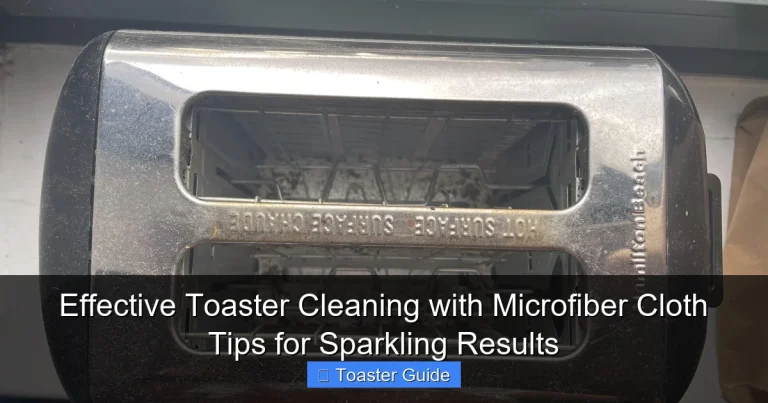
Use a damp microfiber cloth with a little dish soap to wipe the exterior. Avoid getting water into the slots or controls. Dry with a clean towel to prevent water spots.
5. Clean the Slots Carefully
Use a dry pastry brush or a soft, dry toothbrush to brush away crumbs from the slots. Avoid using water or liquids inside the slots to prevent damage.
6. Deep Cleaning Tips
For stubborn stains or grease, a paste made from baking soda and water can be applied with a soft cloth to the exterior. Wipe clean with a damp cloth afterward. Never apply this paste inside the toaster slots.
How Often Should You Clean Your Toaster?
For average home use, cleaning the crumb tray and exterior once a week is ideal. If you use your toaster daily or cook greasy foods like bagels with butter, cleaning twice a week may be necessary. A thorough deep clean every few months will keep your appliance in tip-top shape.
Can You Wash Toaster with Water? Myths and Facts
There are many myths about toaster cleaning floating around, so let me clarify some common misconceptions:
– Myth: You can wash your toaster under running water if you are careful.
Fact: Water can easily seep into electrical parts, causing shorts and permanent damage. Always avoid direct water contact with the toaster’s interior.
– Myth: Using a wet sponge inside the toaster slots is okay.
Fact: Never put any wet cloth or sponge inside the slots. Moisture inside can cause corrosion and electrical issues.
– Myth: Dishwasher-safe toasters exist.
Fact: No toaster or toaster oven is designed to go in a dishwasher. Detachable trays or racks may be dishwasher safe, but check your manual.
For more safety and cleaning advice, consult the FDA food safety recommendations and always follow your toaster’s user guide.
What About Toaster Ovens and Other Small Appliances?
The same general rules apply to toaster ovens and similar small appliances. They often have removable trays and racks that can be washed with water. The main body should only be wiped with a damp cloth, never submerged or rinsed.
If you’re curious about energy usage or want to pick an efficient model, the Energy Star efficiency guidelines provide useful information on appliances that save power and perform well.
Practical Tips to Extend Your Toaster’s Life
– Avoid metal utensils: Never use knives or forks to retrieve stuck bread; this can damage heating elements or cause shocks.
– Use appropriate bread sizes: Oversized slices can jam and cause uneven toasting.
– Store in a dry place: Moisture can corrode internal parts.
– Clean regularly: Prevent buildup that stresses the appliance.
– Follow manufacturer instructions: Each model may have unique care tips. For instance, the Philips appliance support page offers detailed cleaning advice for their toasters.
FAQ: Toaster Cleaning Basics
Q1: Can I use vinegar or bleach to clean my toaster?
No, harsh chemicals like bleach can damage the toaster’s surface and leave harmful residues. Mild soap and water are safest.
Q2: What if my toaster smells burnt even after cleaning?
Burnt smells usually come from old crumbs or overheating. Clean the crumb tray thoroughly and check for stuck debris. If the smell persists, it might be time for a replacement.
Q3: Is it okay to use compressed air to clean the toaster?
Yes, compressed air can help blow out crumbs from hard-to-reach spots, but use it gently and avoid blowing dust into the electrical components.
Q4: How do I clean a stainless steel toaster without scratching it?
Use a soft microfiber cloth with warm soapy water. Avoid abrasive pads or steel wool. Polish with a stainless steel cleaner if desired.
Q5: Can water damage my toaster if I only use a damp cloth?
Using a damp cloth on the exterior is safe as long as you avoid water entering the slots or buttons.
Q6: Should I unplug my toaster every time I clean it?
Always unplug before cleaning to prevent electrical hazards.
Q7: How do I know if my toaster’s crumb tray is dishwasher safe?
Check your user manual or the manufacturer’s website. Most trays are hand-wash only, but some models allow dishwasher cleaning.
—
Keeping your toaster clean doesn’t have to be complicated or risky. By understanding the right way to use water and other cleaning tools, you can maintain your appliance’s performance and safety with minimal effort. For more detailed instructions tailored to your model, always refer to resources like the Cuisinart support pages or the official manuals provided by your toaster’s brand. With these simple steps, your toaster will keep delivering perfect toast day after day.