How to Make Healthy Pasta Salad That Tastes Amazing

Healthy pasta salad works best when you use short pasta, lots of vegetables, and a light dressing. Add protein, chill it well, and taste before serving.
Healthy pasta salad can be fresh, filling, and full of flavor. The trick is simple. Use the right pasta, add plenty of vegetables, and keep heavy dressing in check.
If you want a pasta salad that tastes great and still feels light, think balance. You want fiber, color, protein, and a dressing that coats instead of drowns.
- Use whole grains or legume pasta for more fiber and protein.
- Load up on crisp vegetables and a smart dressing.
- Salt, acid, and herbs make healthy pasta salad taste bright.
- Chill before serving so the flavors can blend.
- Choose smart pasta: Short shapes and whole grains usually work best.
- Load up on produce: More vegetables make the salad fresher and lighter.
- Use dressing wisely: Add flavor without drowning the bowl.
- Mind food safety: Chill leftovers and toss anything that sat out too long.
What Makes a Healthy Pasta Salad Actually Healthy?
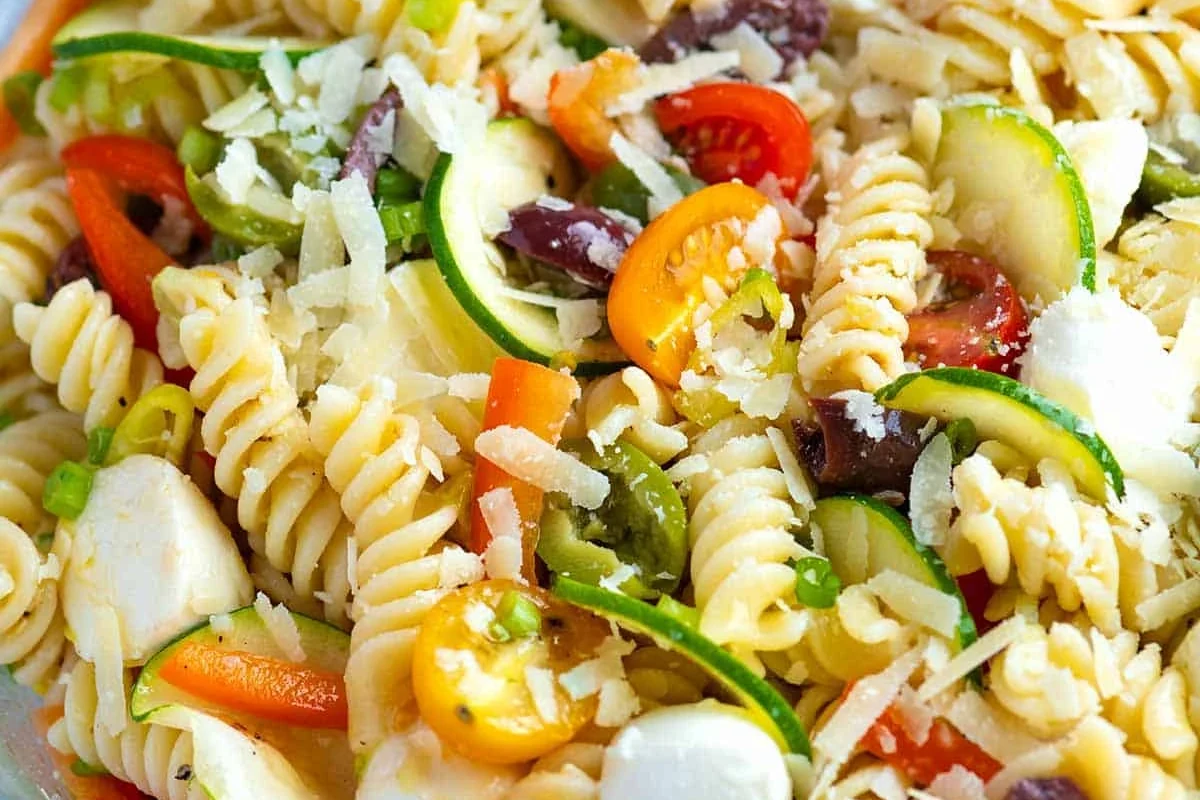
A healthy pasta salad is not just pasta with a few vegetables tossed in. It starts with a better balance of carbs, protein, and produce.
That usually means more vegetables than pasta by volume. It also means choosing a dressing that adds flavor without piling on too much oil, sugar, or mayo.
In short, healthy pasta salad should leave you satisfied, not weighed down.
Cooling cooked pasta before mixing can help it hold its shape better in salad.
Healthy also depends on your goal. If you want a lighter lunch, focus on vegetables and a simple vinaigrette. If you want a meal, add beans, chicken, tuna, tofu, or cheese in sensible amounts.
The best version is the one you’ll actually eat again. That matters more than making it perfect.
Best Pasta, Veggies, and Add-Ins for Great Results
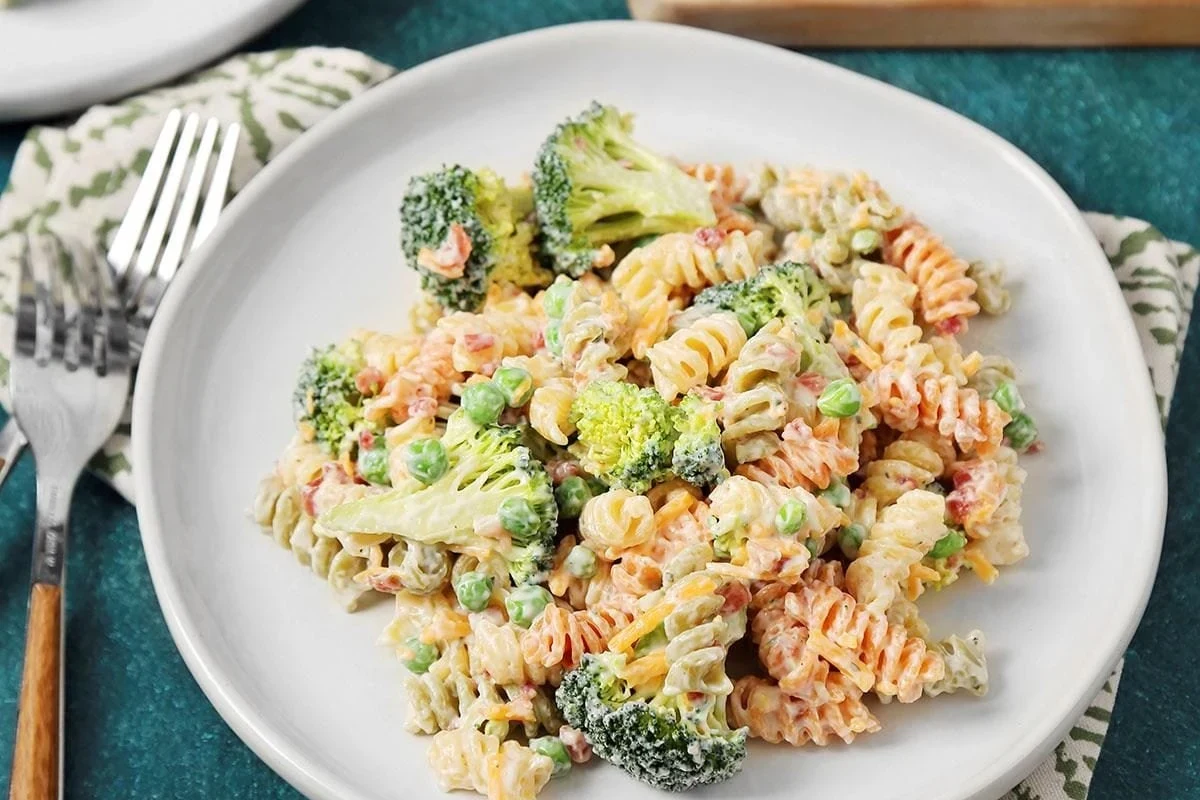
The ingredients you choose shape both the taste and the nutrition. Good pasta salad needs a mix of texture, color, and flavor.
Choosing the right pasta shape and grain
Short pasta works best for salads. Think rotini, penne, farfalle, shells, or orecchiette.
These shapes catch dressing and small bits of food. That means every bite tastes better.
Whole wheat pasta adds more fiber. Legume pasta can bring extra protein, but it may taste different and soften faster.
Cooking times vary by brand and pasta type. Check the package and taste early so the pasta stays firm.
Picking fresh vegetables and protein
Use vegetables that stay crisp or hold their shape after chilling. Good choices include cherry tomatoes, cucumbers, bell peppers, carrots, red onion, broccoli, peas, and spinach.
For protein, think simple and useful. Chickpeas, white beans, grilled chicken, tuna, hard-boiled eggs, tofu, or edamame all work well.
Try to keep the mix colorful. A colorful bowl usually brings better texture and more variety in nutrients.
Fresh vegetables keep the salad lively and less mushy.
Beans, chicken, or tofu make the salad more filling.
Using dressings, herbs, and cheese wisely
Dressing makes or breaks pasta salad. A good one should taste bright, not heavy.
Vinaigrettes often work better than creamy dressings when you want a lighter result. You can use olive oil, vinegar, lemon juice, mustard, garlic, and herbs.
Cheese can add a lot of flavor, so you often need less than you think. Feta, Parmesan, mozzarella pearls, or goat cheese can all work in small amounts.
- Use lemon or vinegar to wake up the flavor.
- Add herbs near the end for a fresher taste.
- Salt lightly, then adjust after chilling.
How to Make Healthy Pasta Salad Step by Step
The method is easy, but each step matters. If you rush the pasta or skip seasoning, the salad can taste flat.
Cook the pasta the right way
Cook the pasta in well-salted water until just tender. Aim for al dente, since the pasta will soften a little as it sits.
After cooking, drain it well. Then rinse it only if the recipe calls for it or if you want to cool it fast for salad.
Hot pasta can wilt delicate greens and soften vegetables too fast. Let it cool enough before mixing.
Cool, chop, and mix the ingredients
While the pasta cools, chop the vegetables into small, even pieces. That helps every bite stay balanced.
If you use beans, rinse and drain them well. If you use chicken, tuna, eggs, or tofu, make sure they are fully cooked and safe to eat.
Mix the pasta with the sturdier ingredients first. Save soft herbs, cheese, and greens for later.
Toss with dressing and season to taste
Add most of the dressing while the pasta is still slightly warm. The pasta absorbs flavor better that way.
Then taste and adjust. You may need more salt, pepper, lemon, vinegar, or herbs.
Let the salad rest in the fridge for a bit before serving. That short chill gives the flavors time to blend.
Boil until al dente, then drain well.
Chop vegetables and ready your protein.
Toss, taste, and refrigerate before serving.
Healthy Pasta Salad Variations for Different Goals
There is no single best version. The right salad depends on your needs, your diet, and what you have in the fridge.
High-protein pasta salad
For a more filling meal, add a clear protein source. Chicken, tuna, eggs, chickpeas, lentils, tofu, or edamame work well.
You can also use legume pasta to raise the protein level even more. Just watch the texture, since some versions get soft quickly.
Keep the dressing bright and the vegetables crisp. That helps the salad stay fresh tasting even with heavier add-ins.
Vegetarian and vegan pasta salad
Vegetarian pasta salad is easy to build. Use beans, lentils, cheese, or eggs if you want extra staying power.
For vegan versions, skip the dairy and choose plant-based add-ins. Chickpeas, tofu, olives, artichokes, and avocado all work well.
A simple vinaigrette with lemon, olive oil, mustard, and herbs can do a lot of work here.
Gluten-free and dairy-free swaps
Gluten-free pasta can make a good salad, but it can soften faster than wheat pasta. Cook it carefully and cool it soon after draining.
For dairy-free salads, leave out cheese or use a plant-based option if you like it. Just check the label for flavor and texture.
Best for lunch and meal prep.
Best for lighter meals with bold flavor.
Common Mistakes That Make Pasta Salad Less Healthy
Some pasta salads start healthy and end up heavy. A few small habits usually cause that shift.
One common mistake is using too much dressing. Another is adding lots of cheese, cured meat, or creamy sauce without enough vegetables.
Overcooked pasta is another problem. It turns soft and can make the whole bowl feel dull.
- Use more vegetables than pasta.
- Taste and adjust after chilling.
- Keep the pasta slightly firm.
- Flooding the bowl with dressing.
- Using only soft ingredients.
- Skipping salt, acid, and herbs.
Also, don’t forget seasoning. Healthy food still needs flavor. Salt, acid, garlic, pepper, and herbs make a big difference.
How to Store, Serve, and Keep Pasta Salad Fresh
Pasta salad is great for make-ahead meals, but it needs smart storage. The goal is to keep the texture good and the food safe.
Best fridge storage tips
Store pasta salad in a sealed container in the fridge. If you can, keep a little extra dressing on the side.
That helps the salad stay moist after chilling. It also lets you refresh leftovers later.
Refrigerate leftovers within two hours and seal them well.
Stir and add a splash of dressing if the salad looks dry.
How long it lasts and when to toss it
How long pasta salad lasts depends on the ingredients. A simple vegetable salad may keep longer than one with seafood, eggs, or dairy.
When in doubt, follow food-safety guidance and your ingredient labels. If it smells off, looks slimy, or has been left out too long, toss it.
Discard pasta salad that sat at room temperature too long, especially with mayo, eggs, meat, or dairy.
Healthy Pasta Salad Tips for Meal Prep, Cost, and Value
Healthy pasta salad is one of the easiest budget-friendly meals to prep. You can stretch a small amount of protein with pasta and vegetables.
Buy vegetables that are in season when you can. They often taste better and cost less.
Use leftovers wisely too. Roasted vegetables, cooked chicken, beans, or extra herbs can all find a place in the bowl.
For meal prep, pack sturdy ingredients together and add delicate greens later. If you use avocado, add it right before eating so it stays fresh.
This is also a good place to plan portions. A bigger batch can save time, but only if you know you’ll eat it soon.
Final Recommendation: Build a Pasta Salad You’ll Want to Eat Again
The best healthy pasta salad is simple, colorful, and well seasoned. Start with a good pasta shape, add plenty of vegetables, and choose one smart protein source.
Then finish with a dressing that tastes bright and balanced. If you do that, your salad will feel fresh, not bland or heavy.
For most home cooks, a whole grain or regular short pasta with lots of vegetables and a light vinaigrette is the best choice. Choose a higher-protein or gluten-free version when your diet calls for it, and always adjust texture, seasoning, and storage to match your ingredients.
Frequently Asked Questions
Short shapes like rotini, penne, shells, and farfalle work well because they hold dressing and mix-ins. Whole wheat or legume pasta can add fiber or protein, but cook them carefully.
Cook the pasta until just al dente and cool it soon after draining. Add soft ingredients later and chill the salad before serving.
Crisp vegetables like bell peppers, cucumbers, carrots, red onion, and broccoli hold up well. Cherry tomatoes, peas, and spinach also work if you handle them gently.
Yes, pasta salad is great for meal prep. Store it in a sealed container and keep extra dressing nearby in case the pasta absorbs moisture.
Storage time depends on the ingredients, especially dairy, eggs, meat, or seafood. If it smells off, looks slimy, or sat too long at room temperature, throw it out.
A simple vinaigrette made with olive oil, vinegar or lemon juice, mustard, garlic, and herbs is usually a strong choice. It adds flavor without making the salad too heavy.