Electric Milk Frother Home Coffee Setup Guide for Better Drinks

An electric milk frother makes home coffee smoother, creamier, and easier to finish well. It’s best for lattes, cappuccinos, and iced drinks, especially if you use it often.
An electric milk frother can make home coffee feel richer, smoother, and more polished. It helps you build better foam, better texture, and better drinks with very little effort.
- Best use: Milk-based drinks get the biggest texture upgrade.
- Buy smart: Match capacity, settings, and cleanup to your routine.
- Use safely: Follow the fill line, manual, and heat limits.
- Clean fast: Wash parts soon after use to prevent buildup.
What an Electric Milk Frother Does in a Home Coffee Setup

An electric milk frother adds air and movement to milk. That changes plain milk into foam, light foam, or warm milk with a smoother feel.
In a home coffee setup, that matters more than many people expect. A good frother can make a basic latte, cappuccino, or iced coffee taste more like a café drink.
How frothing changes milk texture and drink quality
Frothing changes the feel of milk. It makes the milk lighter, creamier, and easier to blend with coffee.
That texture can soften bitter notes in espresso. It can also make drinks feel fuller without adding much else.
Milk foam works best when the milk has enough protein and fat to hold tiny air bubbles.
In short: froth changes both taste and mouthfeel.
Which drinks benefit most from a frother
Some drinks gain more than others. A frother is most useful when milk plays a big role in the cup.
- Lattes get a smooth, creamy top.
- Cappuccinos get a thicker foam cap.
- Macchiatos look and taste more layered.
- Iced lattes feel lighter with cold foam.
- Hot chocolate gets a softer, richer finish.
If you mostly drink black coffee, you may not need one. But if you like milk drinks, the upgrade is easy to notice.
In short: milk-based drinks benefit the most.
How an Electric Milk Frother Works

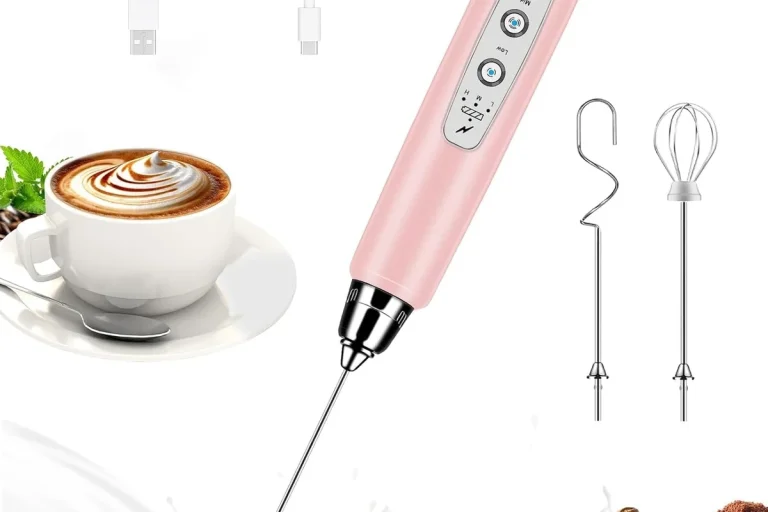
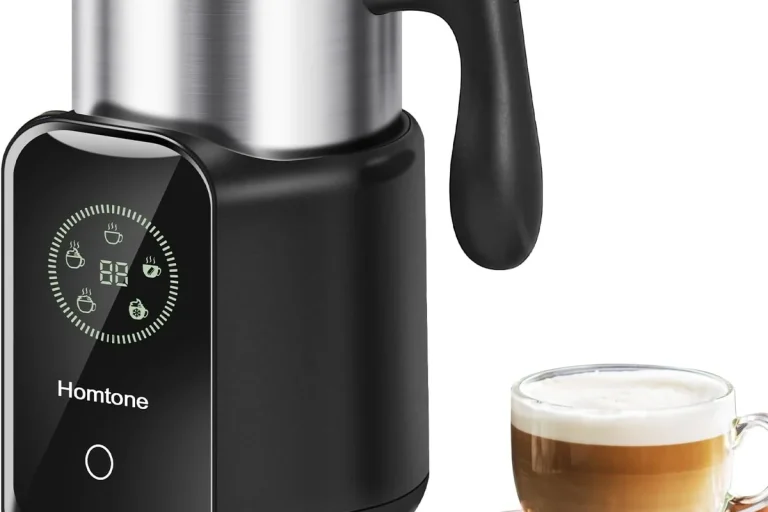
Most electric frothers use a small whisk, a heater, or both. The whisk pulls air into the milk while heat warms it to a drinkable level.
Some models only froth. Others can heat milk and froth it at the same time.
Heating, spinning, and air flow explained simply
The whisk spins fast and breaks the milk into tiny bubbles. At the same time, the motion helps the milk feel thicker.
If the unit heats milk too, it can save one extra step. That makes it handy on busy mornings.
Exact results vary by model, milk type, and fill level. Always check the manual for your frother’s limits.
In short: spinning adds air, and heat changes the final drink feel.
Manual frothers vs electric frothers
Manual frothers can work well, but they need more effort. You pump, whisk, or shake the milk by hand.
Electric frothers are easier for daily use. They also make it simpler to get repeat results.
- Less effort for daily drinks
- More consistent foam texture
- Often heats and froths together
- Needs counter or storage space
- More parts to clean
- Results still vary by milk
In short: electric frothers are easier, while manual ones stay simple and cheap.
Key Features to Look for Before You Buy
Before you buy, think about how you drink coffee at home. The best frother for one person may feel clumsy for another.
Capacity, heat settings, and froth styles
Capacity matters because frothers work best when you stay under the fill line. A small unit may suit one drink at a time.
Heat settings also matter. Some frothers offer warm foam, cold foam, or different levels of texture.
- Check frothing capacity for your usual drink size
- Look for hot and cold foam options
- Review the manual for milk limits and care steps
- Confirm the parts are easy to wash
In short: choose the size and foam style that match your drinks.
Build quality, ease of use, and cleanup
Good build quality helps a frother last longer in daily use. A sturdy lid, a stable base, and a smooth interior all help.
Easy cleanup matters just as much. Milk residue can build up fast if the jug or whisk is hard to wash.
- Choose a nonstick or easy-rinse interior when possible
- Pick a lid and whisk that remove without fuss
- Check if any parts are dishwasher safe
In short: simple cleaning often matters more than extra features.
Noise level, speed, and countertop size
Some frothers run quietly. Others make a sharper buzzing sound while the whisk spins.
Speed matters too. Faster frothing can save time, but it may not always create the same texture.
In short: space and ease of use should guide the choice.
How to Set Up a Better Home Coffee Station
A frother works best when it has a clear place in your coffee area. Good setup saves time and keeps the process smooth.
Best place to keep the frother and milk
Keep the frother near your coffee maker or espresso machine. That shortens the steps between brewing and finishing the drink.
Store milk in the fridge nearby if you can. Cold milk is often easier to work with for iced foam.
Set out your mug, spoon, and milk before you start. That makes the whole drink faster and cleaner.
In short: a tight coffee zone makes daily use easier.
Tools that pair well with a frother
You do not need many tools. A few simple items can make the setup feel more complete.
If you make espresso drinks often, a small scale or timer can help with repeat results. That said, they are not required.
In short: keep the setup simple and easy to reach.
Milk choices for different results
Different milks give different foam. Dairy milk often makes a rich, stable foam.
Plant milks vary more. Some foam well, while others stay thin or separate faster.
Results depend on brand, protein level, sugar content, and whether the milk is chilled.
- Whole milk often gives a creamy, balanced foam.
- Low-fat milk can make lighter foam with more bubbles.
- Oat milk may work well in many frothers.
- Almond milk may foam less, depending on the brand.
In short: milk choice changes both taste and foam strength.
Step-by-Step Guide to Using an Electric Milk Frother
Using a frother is usually simple. Still, the best results come from a few careful steps.
Basic hot foam for lattes and cappuccinos
Fill only to the marked line or the manual’s limit.
Choose hot foam or the texture meant for milk drinks.
Let the frother run until it stops or signals that it is done.
Tap the jug gently if needed, then pour right away.
If the foam looks too loose, the milk may have been too warm or overfilled. Try a smaller amount next time.
In short: use the fill line and the correct setting.
Cold foam for iced drinks
Cold foam works well for iced lattes and cold coffee drinks. It adds a soft top without extra heat.
Use cold milk and the froth setting made for cold foam, if your model has one.
Do not exceed the fill line, even for cold foam. Overflow can cause mess, poor froth, or damage to the unit.
In short: cold foam needs the same care as hot foam.
Common ratios and timing tips
Exact ratios vary by model and milk type. Still, most home drinks work best with a modest amount of milk.
Start small if you are unsure. It is easier to make a second batch than to waste a full cup.
The foam turns thin or spills over.
Use less milk, check the fill line, and let the frother cool between batches if the manual says to.
In short: small batches often give better control.
Common Mistakes, Limits, and Safety Tips
Most frother problems come from simple mistakes. The good news is that many are easy to avoid.
Overfilling, overheating, and poor milk choice
Overfilling is one of the most common issues. It can lead to weak foam or a messy overflow.
Overheating can also hurt taste. Milk may start to taste flat or cooked if it gets too hot.
Poor milk choice can make the foam thin or unstable. Some plant milks need more trial and error than dairy milk.
In short: fill less, heat less, and test your milk.
Safety tips for cords, heat, and cleaning
Keep the cord dry and away from hot surfaces. That helps lower the chance of damage or shock.
Let the frother cool before you clean it if the manual says to do so. Never submerge the base unless the manual clearly allows it.
Follow the appliance manual and stop using damaged equipment.
If you smell burning, see sparks, or notice cracked parts, stop using the frother right away. Check the manual and contact the maker if needed.
In short: safety comes first, especially with heat and electricity.
Cleaning, Maintenance, and Long-Term Value
A frother can last longer when you clean it well. It also works better when milk residue does not build up.
Daily cleaning habits that save time
Clean the jug, whisk, and lid soon after use. Fresh milk is much easier to remove than dried milk.
Rinse or wash the jug and whisk right away. Wipe the base if needed.
Check for buildup, wear, or loose parts. Review the manual for deeper cleaning steps.
In short: quick cleanup saves time later.
How to keep froth quality steady over time
Use the same milk amount and the same setting when possible. That helps you learn what works best.
Also, watch for wear on the whisk or lid. Small changes in parts can affect the foam.
If the frother starts making odd sounds or heating unevenly, review the manual. You may need to clean it more deeply or replace a part that is meant to wear out.
In short: steady habits lead to steadier foam.
When a frother is worth the cost
A frother is worth it if you make milk drinks often. It is also a smart pick if you want café-style drinks at home.
If you only make one milk drink now and then, a manual frother may be enough. That can save space and money.
In short: the best value comes from regular use.
Final Recommendation for Home Coffee Drinkers
An electric milk frother is a smart buy for anyone who wants better milk drinks at home with less effort. It is especially useful if you make lattes, cappuccinos, or iced coffee often.
Who should buy one and who can skip it
Buy one if you like creamy drinks, want faster morning prep, or enjoy a more polished coffee setup. It also helps if you want consistent foam without a lot of practice.
You can skip it if you drink mostly black coffee or rarely use milk. In that case, the extra device may not earn its spot on the counter.
In short: frequent milk drinkers get the most value.
Best use cases for everyday drinks and special treats
For daily use, a frother makes simple lattes and cappuccinos easier. For special treats, it can help hot chocolate, flavored drinks, and seasonal coffee feel more fun.
The best choice is not always the fanciest model. It is the one that fits your milk habits, kitchen space, and cleanup style.
An electric milk frother is a practical upgrade for home coffee drinkers who want better texture and less effort. Choose one with the right capacity, simple controls, and easy cleanup, and skip it only if you rarely make milk drinks.
In short: the right frother can make everyday coffee feel a lot more special.
Frequently Asked Questions
Use only the fill line or the amount listed in the manual. Overfilling can cause weak foam, spills, or poor heating.
Whole milk often makes rich, stable foam, but results vary by brand and model. Many oat milks foam well too, while some almond milks stay thin.
Not always. Some frothers have a cold setting, while others only heat and froth, so check the manual before you buy.
Clean it soon after use and follow the manual for all parts. Do not submerge the base unless the maker says it is safe.
The milk may be overfilled, too warm, or not suited to frothing. Try a smaller batch, a different milk, or a different setting.
Stop using it if you smell burning, see sparks, notice cracked parts, or hear unusual sounds. Check the manual and contact the maker if needed.