French Press Coffee Brewing Methods Explained Simply

French press coffee works best with a coarse grind, hot water just off the boil, and a steady four-minute steep. Start with the standard method, then adjust time and coffee amount to fit your taste.
French press coffee brewing methods explained simply: the French press makes rich coffee by steeping grounds in hot water, then pressing a mesh plunger down. It’s easy to use, but small changes in grind, time, and water can change the taste a lot.
- Start simple: The standard steep and plunge method fits most home brewers.
- Use coarse grounds: A coarse grind helps reduce grit and bitterness.
- Watch the time: Longer steeping boosts strength, but it can add harsh notes.
- Clean right away: Fresh cleaning helps flavor and keeps parts working well.
- Check the manual: Care rules can vary by French press model and material.
French Press Coffee Brewing Methods Explained Simply
This guide breaks down the main brewing methods, what each one changes, and how to get a better cup at home.
What French Press Coffee Brewing Methods Mean
The basic idea behind French press brewing
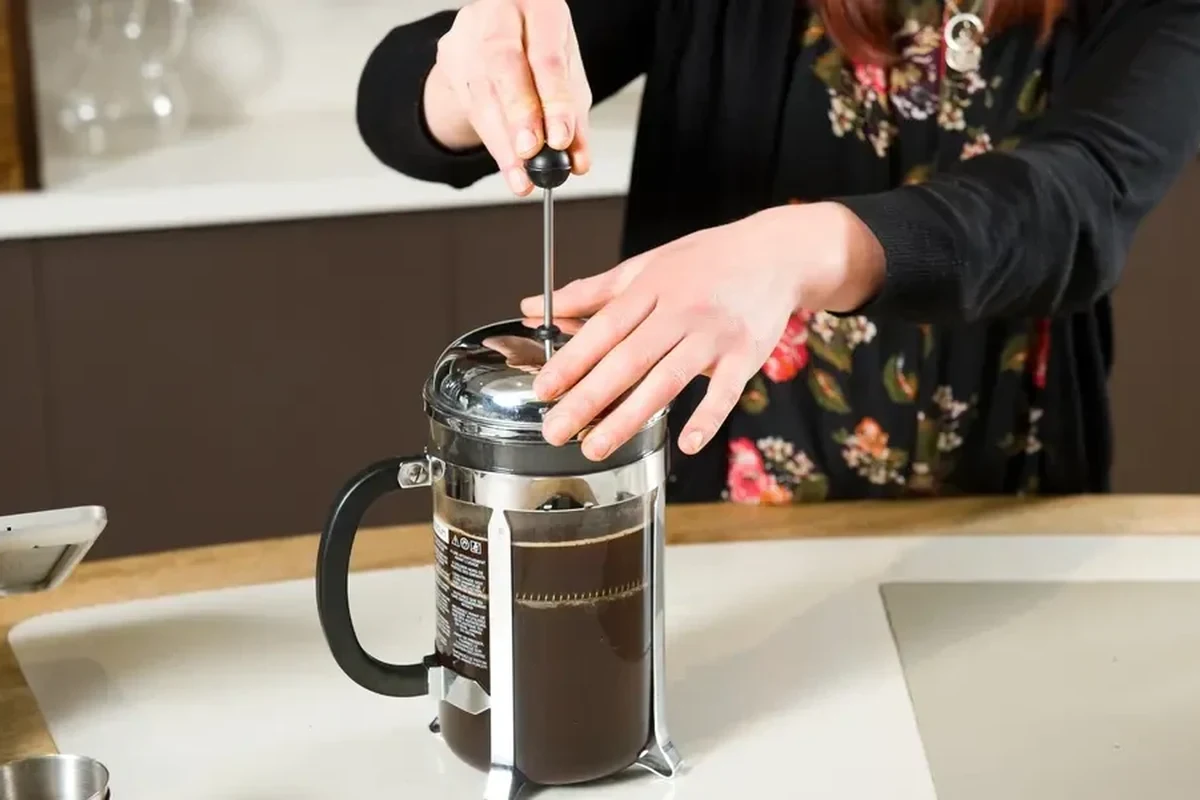
A French press brews coffee by soaking ground coffee in hot water. After a set steep time, you press the grounds down with a metal mesh filter. That leaves you with bold coffee and more body than many drip brewers.
The method is simple, but the details matter. Grind size, water heat, and steep time all shape the final cup. If one of those is off, the coffee can taste bitter, weak, or muddy.
French press coffee keeps more fine oils in the cup, which often gives it a fuller mouthfeel.
In short: the method is easy, but it rewards careful timing.
Why this method stays popular in 2026
French press coffee still has a strong fan base in 2026 because it feels simple and hands-on. You do not need pods, paper filters, or a complex machine.
It also fits many home routines. If you want one brewer that makes a strong morning cup without much setup, a French press is still a smart choice.
People also like the control. You can adjust strength, steep time, and grind to match your taste.
In short: it stays popular because it is easy, flexible, and affordable in spirit.
How French Press Brewing Works Step by Step
What you need before you start
You only need a few basics to brew well.
A kettle helps, but any safe hot-water source can work. A scale can also help if you want more repeatable results.
In short: keep the setup simple, but use fresh ingredients.
The full brewing process from water to pour
Bring water near a boil, then let it cool a little before brewing.
Use a steady coffee-to-water ratio so the taste stays balanced.
Pour in the water and make sure all the grounds are wet.
Let it sit, then press slowly and pour right away.
That is the core method. The press should feel smooth, not forced. If you push too hard, you may stir up fine grounds and make the cup gritty.
In short: wet, steep, press slowly, and pour soon after.
How steep time changes flavor
Steep time is one of the biggest flavor controls. A shorter steep usually gives a lighter cup. A longer steep usually gives a stronger cup, but it can also add more bitterness.
For many home brewers, the sweet spot is around four minutes. That said, taste is personal. Some people like a brighter cup, while others want a heavier body.
Exact results vary by roast, grind, water, and French press size.
In short: time changes strength, body, and bitterness.
Best Coffee, Grind Size, and Water for French Press
The right grind for a clean cup
French press coffee usually works best with a coarse grind. Think of the texture of sea salt, not table salt. That helps keep fine bits out of the cup and makes pressing easier.
If the grind is too fine, the coffee can turn muddy and bitter. If it is too coarse, the cup may taste thin or underdone.
In short: coarse grind is the safest starting point.
Water temperature and coffee ratio basics
Hot water matters, but boiling water can be too harsh for some beans. Many brewers aim for water just off the boil. That gives enough heat to pull flavor without shocking the grounds.
A common starting ratio is about one part coffee to 15 or 16 parts water. You can adjust from there. Use a little more coffee for a stronger cup and a little less for a lighter one.
- Use the same ratio for a few brews before changing it.
- Change one variable at a time so taste testing stays clear.
In short: steady heat and a fixed ratio make results easier to control.
Fresh beans, roast level, and taste results
Fresh beans usually taste better because they keep more aroma and flavor. Stale beans can taste flat, no matter how well you brew them.
Roast level also matters. Medium and dark roasts often taste rich in a French press. Light roasts can work too, but they may need a little more care with time and water.
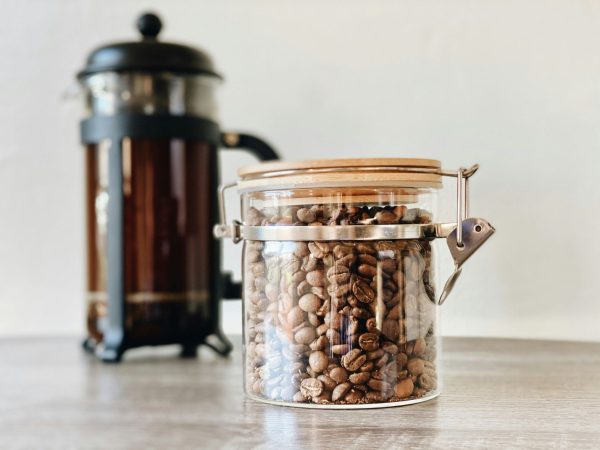
If you buy whole beans, grind them right before brewing when you can. That helps preserve flavor.
In short: fresh beans give you the best starting point.
Common French Press Brewing Methods Compared
Standard steep and plunge method
This is the classic approach. Add coffee, pour in hot water, steep for about four minutes, then press slowly and pour.
It works well for most people because it gives a balanced cup. You get body, simple prep, and a clear brewing routine.
- Easy to learn and repeat
- Good balance of strength and body
- Works with many bean types
- Can taste bitter if oversteeped
- Can leave fine sediment
In short: this is the best all-around starting method.
Long steep method for stronger coffee
A long steep method keeps the coffee in contact with water for more time. Some people use this when they want a deeper, heavier cup.
The trade-off is clear. More time can bring more strength, but it can also pull out harsh notes. If you try this method, start with small changes instead of jumping far past four minutes.
It can work well for darker roasts and for drinkers who like a bold morning cup.
In short: longer steeping boosts strength, but it can also boost bitterness.
Short steep method for a lighter cup
A short steep method cuts the brew time down. That can give you a lighter, brighter cup with less body.
This method may help if your coffee tastes too heavy or too strong with a standard steep. It can also work if your beans are already very dark.
However, if you go too short, the coffee may taste thin or sour. That usually means the grounds did not have enough time to extract well.
In short: short steeping can help, but it needs careful taste checks.
Which method works best for most home brewers
For most people, the standard steep and plunge method is the best place to start. It gives a reliable cup without much guesswork.
If you like stronger coffee, you can move toward a longer steep. If you want something lighter, shorten the time a little at a time.
In short: the standard method wins for ease and balance.
Benefits and Limits of French Press Coffee
What French press does well
- Makes rich, full-bodied coffee
- Uses simple tools and steps
- Lets you control strength easily
- Works without paper filters or pods
French press brewing gives you a lot of flavor for very little setup. That is a big reason many people keep one in the kitchen.
It also feels flexible. You can brew one cup or several, depending on the size of your press.
In short: it is simple, rich, and easy to adjust.
Where this brewing style falls short
The biggest downside is sediment. Even with a good mesh filter, some fine grounds can slip into the cup.
French press coffee can also be less crisp than filtered drip coffee. If you want a very clean, bright cup, another brewer may suit you better.
Cleanup takes a little more effort too. You need to empty the grounds and rinse the parts well.
In short: the trade-off is body in exchange for less clarity.
Who should choose French press coffee
French press coffee is a good fit if you like bold flavor and simple gear. It also suits people who want more control over strength without buying a bigger machine.
It may not be the best pick if you want the cleanest cup or the fastest cleanup. In that case, a drip brewer or another style may fit better.
Choose French press if you like rich body and easy control.
Choose another brewer if you want a lighter, clearer cup.
In short: French press suits flavor lovers who don’t mind a little cleanup.
Common Mistakes and How to Fix Them
Why coffee turns bitter or muddy
Bitter coffee often comes from oversteeping, water that is too hot, or a grind that is too fine. Muddy coffee usually comes from too many fine grounds or a rough plunge.
The coffee tastes harsh, thick, or gritty.
Use a coarser grind, shorten the steep a little, and press slowly.
If the cup tastes harsh, change one thing at a time. That makes it easier to find the real cause.
In short: bitterness and mud usually come from time, heat, or grind size.
How to avoid weak, sour, or gritty coffee
Weak coffee often means you used too little coffee or too short a steep. Sour coffee can mean under-extraction, which often comes from water that is not hot enough or a brew that ends too soon.
Gritty coffee usually points to a grind that is too fine or a press that was pushed too fast. A better mesh filter can help a little, but grind size matters more.
If you want a cleaner cup, let the coffee settle for a moment before pouring. That can reduce the amount of loose sediment in the mug.
In short: weak, sour, and gritty coffee each point to a different fix.
Simple brewing fixes that improve results fast
Start with these easy changes.
- Use a coarse, even grind.
- Keep water just off the boil.
- Steep for about four minutes first.
- Press slowly and steadily.
- Pour soon after pressing.
These small steps solve many common French press problems. They also make your results more repeatable from day to day.
In short: small changes often make the biggest difference.
Cleaning, Safety, and Daily Maintenance
How to clean a French press the right way
Cleaning is easier if you do it right after brewing. First, remove the grounds. Then rinse the carafe, plunger, and filter parts well.
Empty grounds, rinse all parts, and wash with mild soap if needed.
Check the mesh, seals, and plunger for wear or buildup.
Some parts may be dishwasher safe, but that depends on the model. Check the manual before using high heat or strong wash cycles.
In short: clean it soon after use and follow the maker’s care notes.
Safety tips for hot water and glass carafes
Hot glass can crack if it gets sudden temperature changes. Always handle the press carefully and keep it away from edges and children.
Use caution when pouring hot water. If the carafe is glass, avoid sudden changes from cold to hot. Also, stop using any press with chips, cracks, or loose parts.
If the plunger feels stuck, do not force it. Check for clogs or buildup first.
In short: treat hot glass and hot water with care.
How good care improves taste and value
Regular cleaning helps coffee taste better because old oils can turn stale. It also helps the mesh filter work the way it should.
Good care can make a French press last longer, too. That matters if you want a simple brewer that keeps its value over time.
Follow the appliance manual and stop using damaged equipment.
In short: clean gear makes better coffee and lasts longer.
Final Recommendation for French Press Coffee Brewing
Best method for beginners
If you are new to French press coffee, start with the standard steep and plunge method. Use a coarse grind, water just off the boil, and a four-minute steep.
That gives you a strong base to learn from. Once you know how it tastes, you can adjust one step at a time.
In short: beginners should keep it simple first.
Best method for stronger flavor lovers
If you like a bolder cup, try a longer steep before changing anything else. You can also use a slightly finer coarse grind and a little more coffee.
Just be careful not to push too far. Stronger is not always better if the cup turns bitter.
In short: stronger flavor works best with small, careful changes.
Final verdict on value, ease, and taste
French press brewing is still one of the easiest ways to make rich coffee at home. It is simple, flexible, and easy to learn.
The main limits are sediment, cleanup, and less clarity than filtered coffee. Even so, for many home brewers, the flavor and ease make it worth it.
French press is a great choice for bold, simple coffee, as long as you accept a little sediment and cleanup.
In short: for most people, the best French press method is the standard steep, then adjust from there.
Frequently Asked Questions
A coarse grind usually works best. It helps reduce grit and makes the press easier to use.
Use water just off the boil for a good starting point. Exact results can vary by roast and taste.
About four minutes is a common starting point. You can go shorter for a lighter cup or longer for a stronger one.
Bitter or muddy coffee often comes from too fine a grind, water that is too hot, or oversteeping. Try a coarser grind and a shorter brew time.
Empty the grounds, rinse the parts, and wash with mild soap if needed. Check the manual for dishwasher guidance and part care.
The standard steep and plunge method is the best starting point for most people. It gives a balanced cup and is easy to repeat.