Is Bronze Cut Pasta Healthier Than Regular Pasta

Bronze cut pasta is not usually healthier than regular pasta. The flour matters more than the cut, but bronze cut pasta can improve sauce cling and meal satisfaction.
Bronze cut pasta is not usually healthier by itself. The main health difference comes from the flour, not the cut. Bronze cut pasta can still be a smart pick because its rough surface helps sauce cling, which may make balanced meals more satisfying.
- Nutrition is similar: Bronze cut and regular pasta often share the same basic nutrition.
- Flour matters most: Whole wheat or legume pasta usually gives more fiber.
- Texture is the big win: Bronze cut pasta holds sauce better.
- Value depends on use: It helps most with thick, hearty sauces.
- Check labels first: Ingredients and fiber tell you more than the cut.
Is Bronze Cut Pasta Healthier? The Short Answer
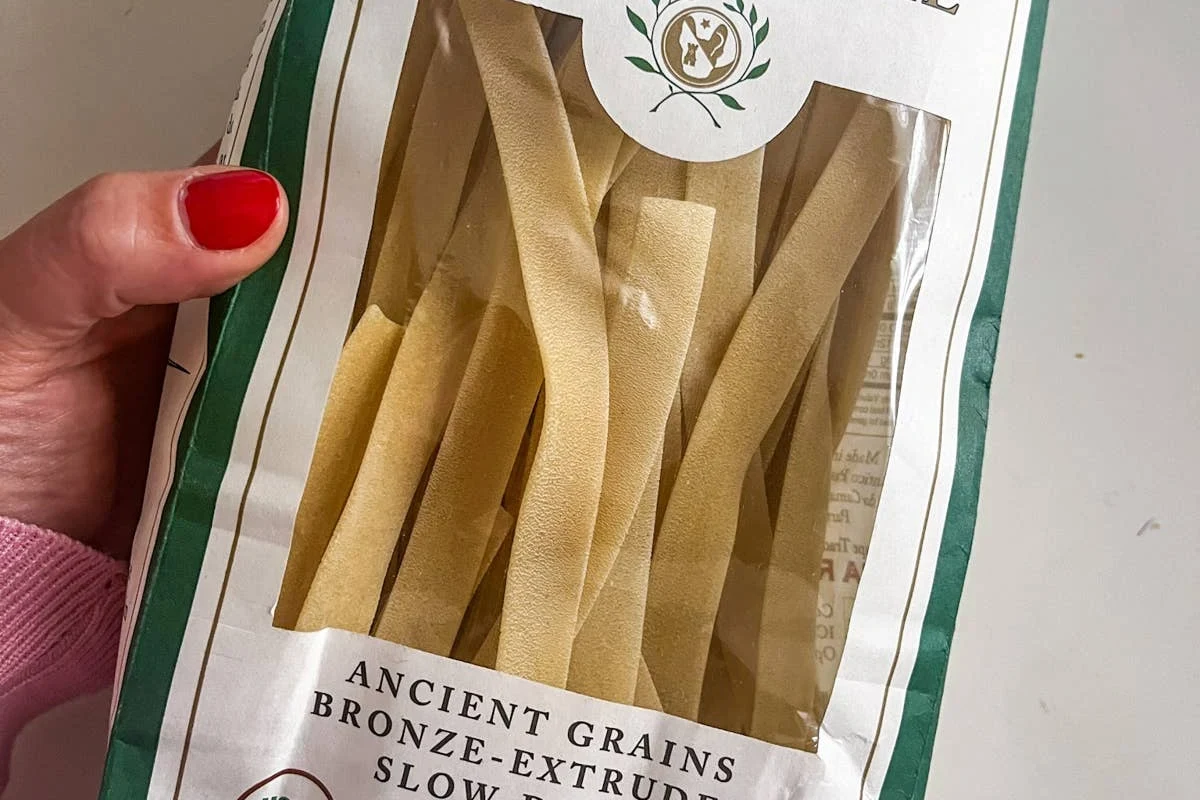
Bronze cut pasta gets a lot of praise, but the health gap is often smaller than people think. If two pastas use the same flour, their nutrition is usually very close.
What changes most is texture. That texture can affect how the pasta works in a meal, but it does not magically change the calories or carbs.
What people mean by “healthier” pasta
When people ask if pasta is healthier, they may mean different things. Some want fewer calories. Others want more fiber, better fullness, or less blood sugar impact.
So the real question is not just about the cut. It is about the grain type, the serving size, and what you serve with it.
The quick verdict for everyday cooks
If you like bronze cut pasta, it can be a good choice. It often holds sauce better and can make simple meals feel more complete.
But if you want the biggest nutrition boost, look at whole wheat or legume-based pasta first. Those choices usually matter more than bronze cut versus regular.
Bronze cut pasta is not automatically healthier, but it can help you enjoy a balanced meal more. The flour type matters more than the cut.
What Bronze Cut Pasta Actually Is
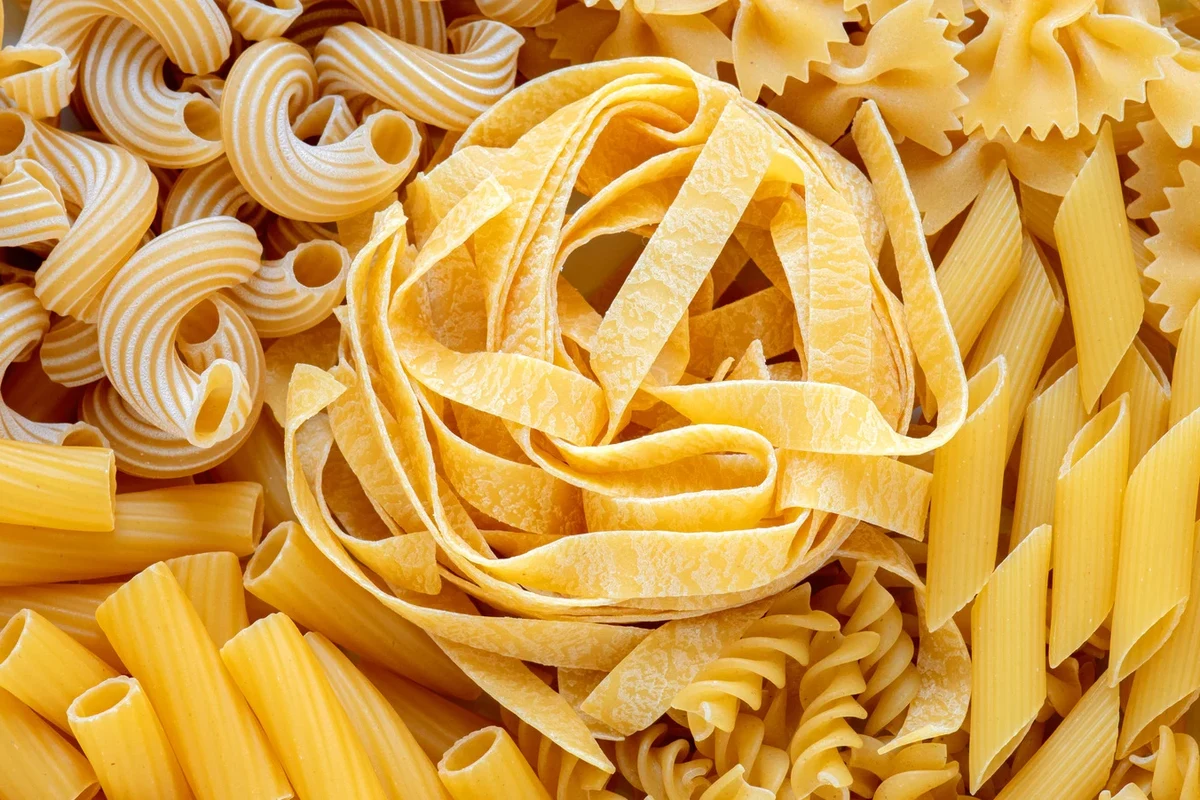
Bronze cut pasta is made through a process that uses bronze dies. The dough is pushed through shaped metal plates, which leaves a rougher surface.
That rough surface is the big reason cooks love it. It grabs sauce better than many smoother pastas.
How the bronze die process changes the surface
Bronze dies make pasta with tiny ridges and a matte look. Those small bumps help sauce stick to the noodle.
That does not change the basic nutrition much. It changes how the pasta feels and how it carries flavor.
How regular pasta is usually made
Many regular pastas use Teflon-coated dies or other modern tools. These can make a smoother surface and a shinier look.
Smoother pasta still tastes good. It just may not hold sauce as well.
Why the texture looks and feels different
Bronze cut pasta often feels a little firmer and more rustic after cooking. It can have a more homemade look.
That texture can be nice in thick sauces, baked dishes, and pasta salads.
Texture can vary by brand, shape, and drying method. Two bronze cut pastas may still cook very differently.
Nutritional Comparison: Bronze Cut vs Regular Pasta
For most dry pasta made from the same wheat flour, the nutrition is nearly the same. The cut affects texture more than the food label.
That means bronze cut pasta is not a nutrition upgrade on its own.
Calories, protein, and carbs
Calories, protein, and carbs usually stay close between bronze cut and regular pasta. The shape and surface do not change those numbers much.
If you compare labels, you will often see more difference between brands than between cutting methods.
Fiber, gluten, and grain type
Fiber depends on the flour. Whole wheat pasta has more fiber than refined white pasta.
Gluten also depends on the grain. Most wheat pasta contains gluten, whether it is bronze cut or not.
What stays the same in most dry pasta
Most dry pasta shares the same basic nutrition profile. It is mostly starch, with some protein and a little fiber.
Bronze cutting does not change that core makeup. The recipe and grain type matter far more.
Does Bronze Cut Pasta Offer Real Health Benefits?
Yes, but they are indirect. Bronze cut pasta can support a better meal, even if it does not change the nutrition much.
Think of it as a texture advantage, not a health miracle.
Sauce grip and portion satisfaction
Because sauce clings better, bronze cut pasta can taste richer with less sauce. That may help some people feel satisfied without piling on extra toppings.
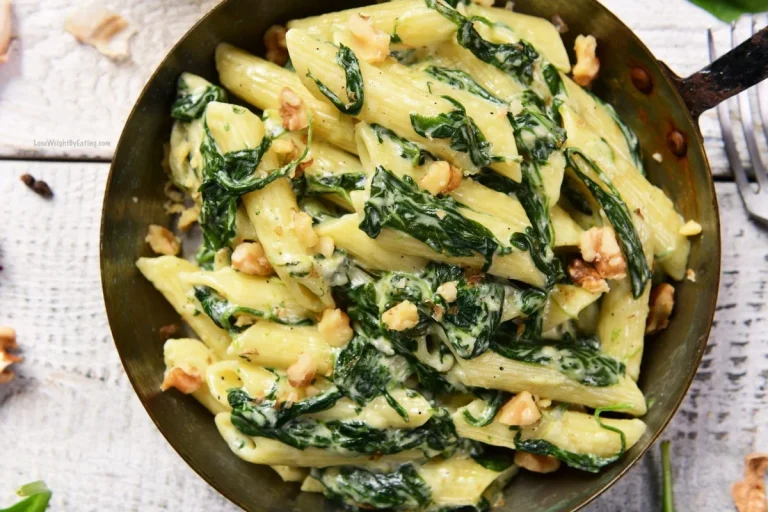
For example, a simple tomato sauce can coat bronze cut penne very well. You may not need as much cheese to get good flavor.
Possible benefits for balanced meals
Bronze cut pasta can make vegetables, beans, and lean proteins mix more evenly through the dish. That can help build a more balanced plate.
It also works well in meals where every bite should carry flavor. That can make healthy eating feel easier.
Where the health claims get overstated
Some marketing makes bronze cut pasta sound more nutritious than it is. That is a stretch.
The cut does not turn refined pasta into a high-fiber food. It also does not make pasta low calorie.
Bronze cut pasta is often prized in Italian cooking because sauces cling better to rough surfaces.
What to Check on the Label Before You Buy
The label tells you more than the cut does. If you want a healthier pasta, start there.
Look for the flour type, serving size, and any added ingredients.
Ingredient list and flour type
Short ingredient lists are often a good sign. Many pastas need only semolina and water.
If you want more fiber, check for whole wheat or another whole grain listed first.
Whole wheat, semolina, and enriched pasta
Whole wheat pasta usually gives you more fiber and a slower digesting bite. That can help with fullness.
Semolina pasta is common and reliable. Enriched pasta has added nutrients, but it is still usually refined grain pasta.
Price, brand, and value for money
Bronze cut pasta often costs more. That extra cost may be worth it if you care about sauce cling and texture.
If you just want a basic pasta for soup or a quick side, regular pasta may be the better value.
- Check the flour type first.
- Compare fiber per serving.
- Watch the serving size on the label.
- Decide if texture is worth the extra cost.
Common Mistakes People Make With Bronze Cut Pasta
Many cooks expect bronze cut pasta to do more than it can. That leads to bad buying choices and messy meals.
A few simple habits can fix that.
Confusing texture with nutrition
The rough surface feels special, so people assume it must be healthier. It usually is not.
Better texture can improve the meal, but it does not change the basic nutrition facts.
Overcooking and losing the best bite
Bronze cut pasta can go from firm to soft fast if you overcook it. That can ruin the texture you paid for.
Check it early and taste it near the end of cooking. Follow the package directions, since shapes and brands vary.
Using too much sauce or cheese
It is easy to add extra sauce because bronze cut pasta holds it so well. That can quickly raise calories, fat, or sodium.
A little sauce goes a long way. Start small, then add more if needed.
Always cook pasta according to the package directions. Different shapes and brands can need different times.
Best Ways to Use Bronze Cut Pasta in Real Meals
Bronze cut pasta shines in meals where sauce and texture matter. It is less about nutrition and more about making food taste better.
That can still support healthier eating if it helps you enjoy simple ingredients.
Best sauces for the rough surface
Thicker sauces work best. Think tomato sauce, meat sauce, pesto, or creamy sauces with vegetables.
Light broths and very thin sauces may not need the extra grip as much.
Simple meal ideas for weeknight cooking
Try bronze cut pasta with marinara, sautéed zucchini, and white beans. You can also pair it with tuna, spinach, and olive oil.
These meals are easy, filling, and flexible. They also make good use of the pasta’s texture.
When regular pasta may still be the better choice
Regular pasta can be fine for soups, cold pasta salads, and quick pantry meals. It often costs less too.
If the sauce is very light, the rough surface may not matter much. In that case, regular pasta may be all you need.
- Pair pasta with vegetables and protein for better balance.
- Use a modest sauce amount to keep meals lighter.
- Taste pasta before draining it fully.
- Choose whole wheat if fiber matters most.
Final Verdict: Is Bronze Cut Pasta Worth It?
Bronze cut pasta is worth it if you care about texture, sauce grip, and a more rustic feel. It can make simple meals more satisfying.
But if your main goal is better nutrition, the flour matters more than the cut.
Who should choose bronze cut pasta
Choose bronze cut pasta if you love hearty sauces. It is also a good pick if you want pasta that feels a little more premium.
It suits cooks who want better flavor in every bite.
Who can skip it and save money
Skip it if you mainly want basic nutrition at a lower cost. Regular pasta can do the job well.
It is also fine for dishes where texture does not matter much.
Clear recommendation from Red Kitchen Project
Our take is simple. Bronze cut pasta is a texture upgrade, not a health upgrade.
If you want the healthiest pasta, start with whole grain or legume-based options. If you want the best sauce cling and a better eating experience, bronze cut pasta is a solid choice.
- Bronze cut pasta is not much healthier on its own.
- The flour type matters more than the cut.
- Its rough surface helps sauce cling and can improve meal satisfaction.
- Whole wheat or legume pasta usually offers a bigger nutrition edge.
Frequently Asked Questions
Not usually. If the flour is the same, the nutrition is very similar, and the main difference is texture.
It is pushed through bronze dies, which leaves a rougher surface. That helps sauce cling better.
Not by itself. Fiber depends on the grain type, so whole wheat pasta usually has more fiber than refined pasta.
It can be worth it if you care about sauce grip and texture. If you only want basic pasta, regular pasta may be better value.
Check the ingredient list, flour type, and fiber per serving. Those details matter more than the cut.
Regular pasta works well for soups, light sauces, and budget meals. It is a good choice when texture is less important.