French Press Coffee Maker Beginner Guide for Better Brew

A French press is one of the easiest ways for beginners to make rich coffee at home. Use coarse grounds, hot water below a full boil, and a slow press for the best result.
A French press is one of the easiest ways to make rich coffee at home. This beginner guide explains how it works, what you need, and how to avoid the most common mistakes.
- Simple method: Steep coffee, then press and pour.
- Best grind: Use coarse grounds for cleaner brewing.
- Best timing: Start with about four minutes of steeping.
- Main trade-off: You get bold flavor, but more sediment.
French Press Coffee Maker Beginner Guide: What It Is and Why It Works
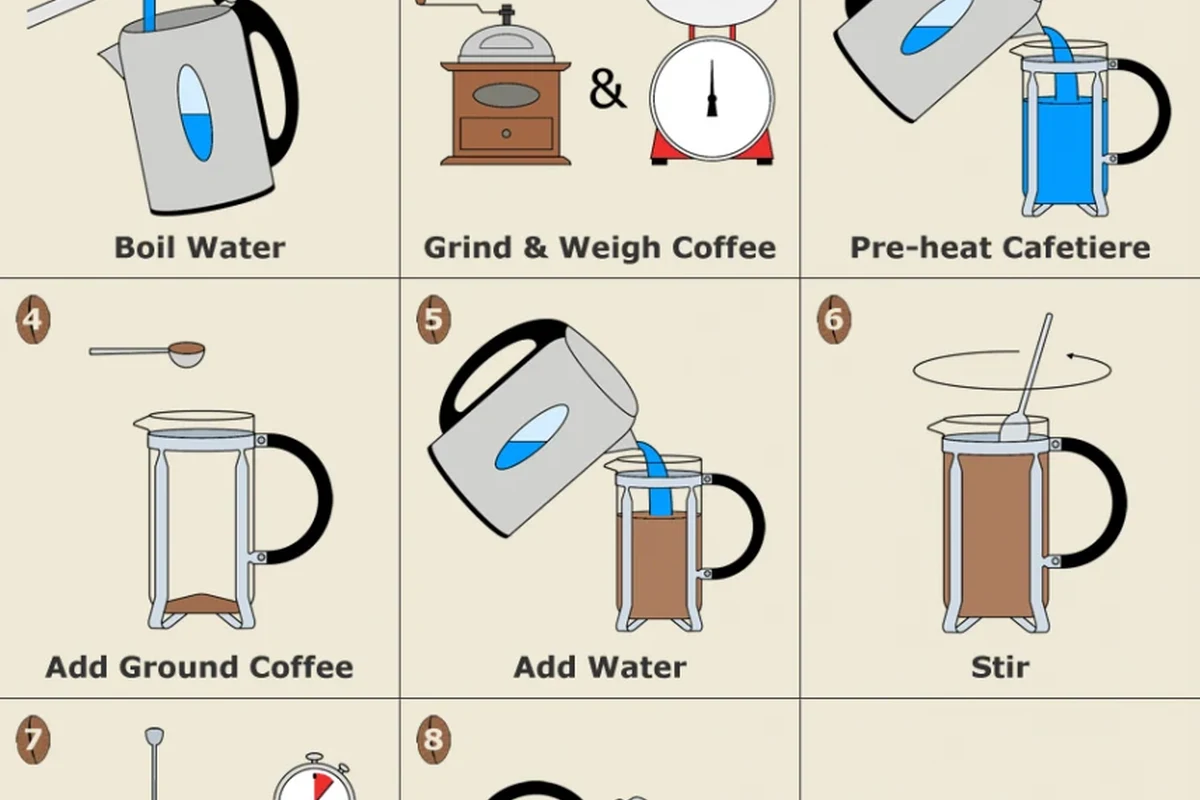
A French press brews coffee by steeping ground coffee in hot water, then separating the grounds with a metal mesh plunger. It is simple, low cost, and easy to learn.
For many beginners, that mix is hard to beat. You do not need a paper filter, a fancy machine, or much counter space.
Simple definition of a French press
A French press is a coffee maker with a jar, a lid, a plunger, and a mesh filter. You add coffee and water, wait a few minutes, then press the filter down.
That’s it. The process feels hands-on, but it stays very simple.
Why beginners often choose this brew method
Beginners like French press coffee because it gives a bold cup with very little setup. You can also change the taste by adjusting the grind, ratio, or steep time.
In short, it teaches coffee basics fast. That makes it a great first brewer for home use.
Quick answer: what you need to make good coffee
You only need a French press, coffee beans, a grinder, hot water, and a timer. A kitchen scale helps, but you can start without one.
How a French Press Coffee Maker Works
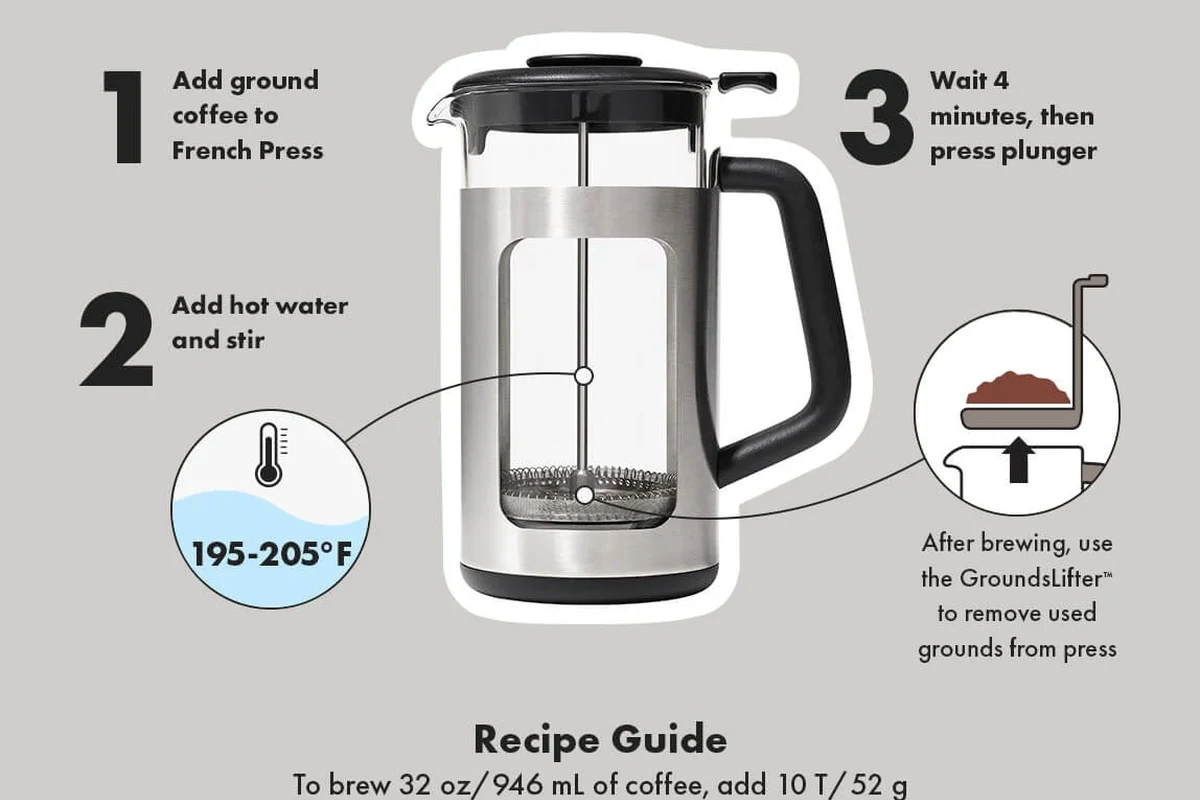
The French press works by steeping coffee in water, much like tea. The longer the coffee sits, the more flavor moves into the water.
That simple design gives you control. It also means the brew can turn bitter if you rush or overdo it.
The main parts of the press
Most presses have four main parts. These are the carafe, lid, plunger, and mesh filter.
The carafe holds the brew. The plunger pushes the grounds to the bottom after steeping.
How steeping changes flavor
Steeping pulls oils, acids, and flavor from the grounds into the water. A short steep can taste weak.
A long steep can taste heavy or bitter. The sweet spot usually sits in the middle.
French press coffee keeps more natural oils than paper-filtered coffee. That often gives it a fuller body.
Why grind size matters so much
Grind size changes how fast water pulls flavor from the coffee. French press works best with a coarse grind.
If the grind is too fine, the brew can turn muddy and hard to press. It can also leave more grit in the cup.
What You Need Before You Brew
Good French press coffee starts before the water touches the grounds. A few smart choices make the whole process easier.
Best coffee bean type for beginners
Start with fresh whole beans that you enjoy drinking in other brew styles. Medium or medium-dark roasts are often easy for beginners.
Those roasts usually taste balanced and smooth. That makes them a safe first pick.
Ideal grind size for French press coffee
Use a coarse grind. Think of the texture of sea salt, not table salt.
If you buy pre-ground coffee, check the bag for French press or coarse grind. That small detail can improve the cup a lot.
Water temperature and basic brew ratio
Use hot water that is below a full boil. Water that is too hot can pull harsh flavors from the grounds.
A common starting ratio is about 1 to 15 or 1 to 16 coffee to water by weight. If you do not use a scale, start with a modest scoop and adjust next time.
Brew strength depends on the beans, roast, grind, and your taste. Small changes can make a big difference.
Helpful tools that make brewing easier
A grinder gives you the biggest upgrade because fresh grinding helps flavor. A gooseneck kettle can also help with control, but it is not required.
A kitchen scale, timer, and wooden or plastic spoon also make the process smoother. You can brew without them, but they help with repeatable results.
- Grind right before brewing for better flavor.
- Preheat the press with hot water first.
- Use a timer so you do not guess the steep time.
Step-by-Step Beginner Brewing Method
Once you learn the steps, French press brewing feels very natural. The key is to stay steady and not rush the process.
Measure the coffee and water
Add your coffee to the press first. Then pour in hot water evenly over the grounds.
If you use a scale, keep your ratio consistent. That makes it easier to repeat a cup you like.
Use a coarse grind and place it in the press.
Wet all the grounds with steady, even pouring.
Start timing as soon as the water goes in.
Bloom and stir for even extraction
Let the coffee bloom for a short moment after the first pour. This helps trapped gas escape and improves even extraction.
Then give it a gentle stir. That helps all the grounds get wet.
Steep for the right amount of time
A common steep time is about four minutes. Some coffees taste better a little sooner or a little later.
Use the first brew as a baseline. Then adjust by taste next time.
Press slowly and serve right away
Press the plunger down slowly and with steady pressure. Do not force it.
Pour the coffee right away after pressing. If the coffee sits in the press, it can keep brewing and taste bitter.
Hot glass and hot metal can burn your hands. Use a towel or handle with care, and keep the press on a stable surface.
Common Mistakes That Ruin French Press Coffee
Most bad French press cups come from a few easy-to-fix mistakes. The good news is that each one has a simple solution.
Using the wrong grind
Fine grounds can slip through the mesh and make the cup gritty. They can also over-extract and taste harsh.
Use a coarse grind whenever you can. That is the safest place to start.
Steeping too long or too short
Too little time gives you weak coffee. Too much time often gives you bitter coffee.
Stick close to a steady brew time first. Then tune it from there.
Pressing too fast
A fast press can stir up the grounds and push more sediment into the cup. It can also feel harder on the plunger.
Press slowly and smoothly. That gives better control.
Using water that is too hot
Boiling water can burn the coffee and bring out rough flavors. It may also make the cup taste flat or sharp.
Let the water rest briefly after boiling. That small pause helps a lot.
The coffee tastes bitter, muddy, or harsh.
Use coarser grounds, slightly cooler water, and a shorter steep time.
Cleaning, Maintenance, and Safety Tips
A clean press makes better coffee and lasts longer. It also helps you spot wear before it becomes a problem.
How to clean the press after each use
Empty the grounds after brewing. Then rinse the carafe, plunger, and filter with warm water.
Use mild soap if needed. Dry the parts well before storing them.
Deep cleaning the filter and plunger
Over time, coffee oils and fine grounds can build up in the mesh. That can affect taste and slow the press.
Take apart the filter parts based on the manual and clean them carefully. Reassemble them the same way afterward.
Rinse, wash, and dry all removable parts.
Check the mesh, seals, and plunger for buildup or wear.
Safety tips for hot water and glass models
Glass presses can crack if they get shocked by sudden temperature changes. Follow the maker’s care notes for heating and washing.
If the press is chipped, cracked, or loose, stop using it. Replace damaged parts or the whole unit if needed.
Follow the appliance manual and stop using damaged equipment.
How to keep coffee oil buildup from affecting taste
Coffee oils can cling to the mesh and walls of the press. That buildup can leave stale flavors behind.
Regular washing helps a lot. If the coffee starts tasting off, deep clean the parts sooner.
French Press Coffee Maker Pros, Limits, and Value for Beginners
A French press gives beginners a lot of control without much complexity. Still, it is not the perfect choice for everyone.
Main benefits for new coffee drinkers
The biggest benefit is simplicity. You can learn the basics in one or two tries.
It also gives a rich, full cup. Many people like that more than a thin, paper-filtered brew.
- Easy to learn and use
- Low setup and low clutter
- Bold, full coffee flavor
- No paper filters needed
- Can leave some sediment
- Needs more cleanup than drip coffee
- Easy to overbrew if you forget it
- Not ideal for very fast single cups
Common drawbacks to know before buying
French press coffee can have more grit than filtered coffee. Some people love that body, while others do not.
It also needs a little attention during brewing and cleanup. If you want a push-button cup, another brewer may fit better.
What to look for when choosing a model
Check the material, lid fit, filter quality, and size. Also look at how easy it is to wash.
For some homes, a sturdy stainless steel press makes sense. For others, a simple glass model is enough.
Who should buy a French press and who should skip it
Choose a French press if you want simple, hands-on brewing and bold flavor. It is a strong fit for beginners who like to learn by taste.
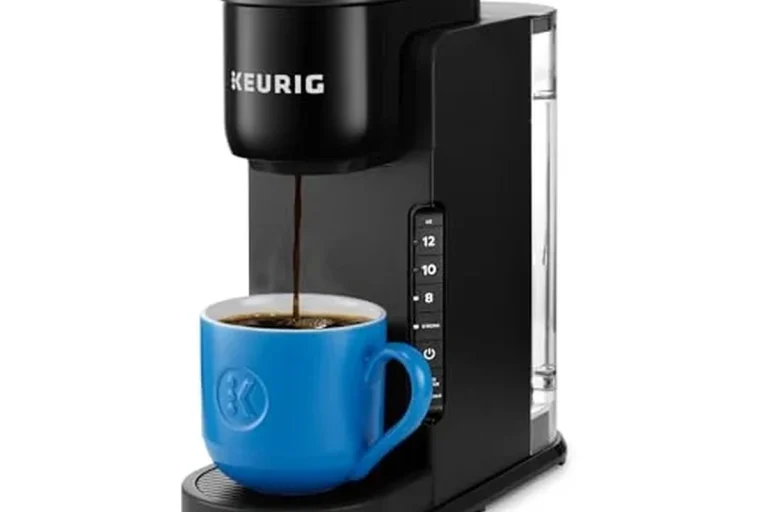
Skip it if you want the cleanest cup, the least cleanup, or a fully automatic routine. In that case, a drip machine or pod brewer may suit you better.
Best for small kitchens and simple daily use.
Best for larger batches and shared coffee moments.
Final Recommendation: Is a French Press Right for You?
For most beginners, yes. A French press is one of the easiest ways to make better coffee at home.
Best beginner use case
The best case is a home cook or coffee drinker who wants simple control and rich flavor. It works well when you have a few minutes and want a hands-on brew.
When to choose another brew method instead
Choose something else if you want very clean coffee, very fast cleanup, or a one-touch machine. Those needs point more toward drip, pod, or espresso-style brewing.
Clear closing verdict for Red Kitchen Project readers
Our view is simple. A French press is a smart, beginner-friendly brewer if you value taste and ease over total convenience.
Learn the grind, ratio, and steep time, and you’ll get much better coffee fast. If you want the least fuss possible, another method may be a better fit.
A French press is a great first coffee maker for beginners who want bold flavor and simple steps. The main trade-off is more sediment and cleanup than filtered brew methods.
- Use coarse grounds and hot water below a full boil.
- Steep for about four minutes, then press slowly.
- Clean the filter and plunger after each use.
- Choose a French press if you want simple, rich coffee.
Frequently Asked Questions
Use a coarse grind for the best results. Fine grounds can make the coffee gritty and harder to press.
A common starting point is about 1 to 15 or 1 to 16 by weight. You can adjust stronger or lighter after your first brew.
Use hot water below a full boil. Very hot water can pull harsh flavors from the grounds.
About four minutes is a common starting time. Taste and adjust a little shorter or longer based on your beans and preference.
Empty the grounds, rinse the parts, and wash with warm water and mild soap if needed. Dry everything well before storing.
Yes, it is simple and gives you a lot of control without much setup. It is a good fit if you like bold coffee and do not mind a little cleanup.