How to Make Latte with Electric Milk Frother at Home

Use strong coffee, warm frothed milk, and a simple 1-to-2 or 1-to-3 coffee-to-milk ratio. The easiest path is to follow your frother manual, keep the milk silky, and pour slowly.
Making a latte at home with an electric milk frother is simple once you know the basic ratio. Brew a strong coffee base, froth the milk, then pour it together for a smooth, café-style drink.
- Use strong coffee: Espresso works best, but bold drip coffee can also work.
- Choose the right milk: Whole milk foams well, while barista-style plant milk may help too.
- Watch the texture: Smooth, pourable foam makes a better latte than stiff bubbles.
- Clean right away: Rinse and dry the frother after each use to prevent buildup.
- Follow the manual: Safety and cleaning steps can vary by frother model.
How to Make Latte with Electric Milk Frother at Home
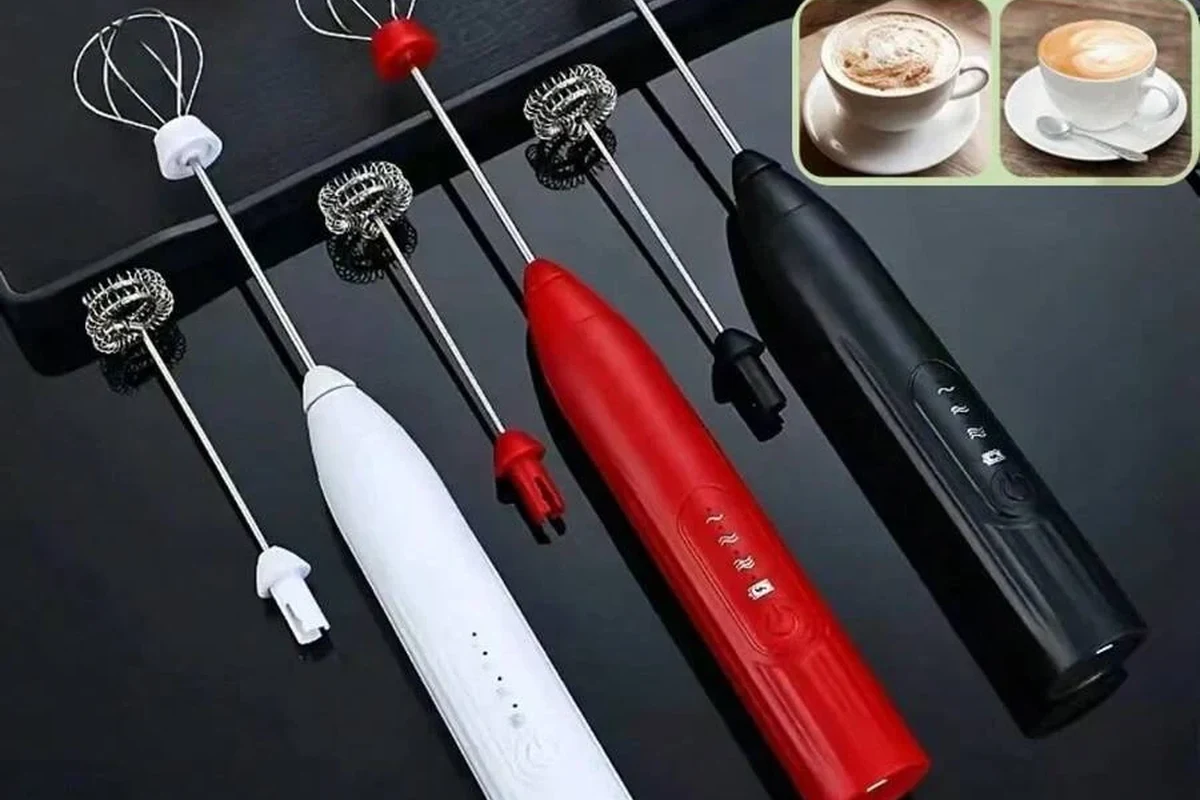
What a latte is and why a frother helps
A latte is a coffee drink made with espresso and steamed milk. It also has a light layer of foam on top.
An electric milk frother helps because it warms and aerates the milk for you. That gives you a smoother texture than plain heated milk.
In short: the frother does the milk work, so your home latte feels more polished.
Quick answer: the basic latte formula
The usual home formula is one part coffee and two to three parts milk. For a small mug, that often means one shot of espresso or a strong coffee base, plus about 6 to 10 ounces of milk.
You can adjust the strength to taste. If you like a bolder drink, use less milk. If you want a softer drink, use more.
Start with less milk than you think you need. You can always pour more, but you cannot take it back.
What you need before you start
You do not need fancy gear for a good latte. A basic frother, a mug, and a strong coffee base are enough for most home setups.
Check your frother manual before the first use. Some models only froth, while others also heat milk.
Choosing the Right Milk and Coffee for a Better Latte
Best milk types for foam and taste
Whole milk usually gives rich foam and a creamy taste. It is the easiest choice if you want a classic latte feel.
Low-fat milk can foam well too, but the drink may taste lighter. Non-dairy milks can work, but results vary by brand and protein level.
Barista-style plant milks often foam better than regular plant milks. The best choice depends on the brand, not just the milk type.
For a softer drink, oat milk is a popular pick. For a more neutral taste, dairy milk still wins for many people.
Espresso, strong coffee, or instant coffee options
Espresso gives the most classic latte flavor. If you have an espresso machine, that is the easiest path.
Strong drip coffee also works well. Use a smaller amount so the drink does not turn watery.
Instant coffee can work in a pinch. Mix it strong enough to stand up to the milk.
In short: use the strongest coffee you can make well at home.
Sweeteners and flavor add-ins that work well
Simple syrup blends in easily. Sugar can work too, but it dissolves better in hot coffee.
Vanilla, cinnamon, and cocoa are common add-ins. A small amount goes a long way.
Try to add flavor before you pour the milk. That helps the drink mix more evenly.
Many coffee shops build lattes on a strong base first, then add milk after. That order helps the coffee flavor stay clear.
How an Electric Milk Frother Works
Hot froth vs cold froth settings
Hot froth warms the milk and adds foam at the same time. That is the setting most people want for a latte.
Cold froth adds air without heat. It works better for iced drinks or chilled coffee recipes.
If your frother has both settings, choose hot froth for a warm latte. Choose cold froth only if you plan to serve it over ice.
Frother types and what each one does
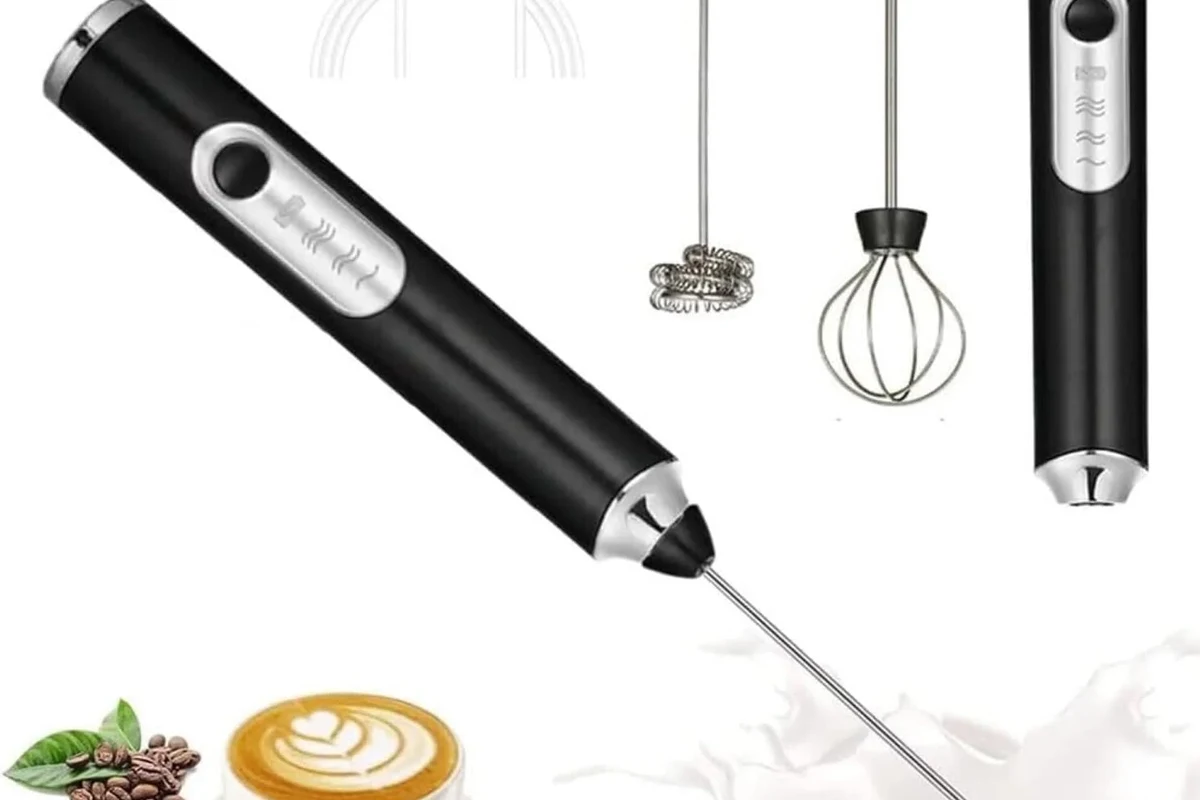
Some frothers are jug-style appliances. Others use a whisk attachment in a cup or pitcher.
Jug-style units often heat and froth in one step. Handheld frothers usually need separate milk heating.
Each type can make a latte, but the workflow changes. A jug model is easier for beginners.
Key features that affect latte quality
Helps prevent milk from getting too hot or tasting scorched.
Gives you fine foam instead of big bubbles.
Makes daily use less annoying and more likely to stick.
The best frother for lattes makes smooth foam, not stiff meringue-like bubbles. It should also be easy to rinse and dry.
Auto shutoff can help with safety and convenience. A nonstick interior can also make cleanup easier, depending on the model.
Step-by-Step Latte Method with an Electric Milk Frother
Heat and brew your coffee base
Make espresso or strong coffee and pour it into your mug.
Stir in sugar, syrup, or flavoring while the coffee is still hot.
If your frother heats milk, you can brew the coffee while it runs. That saves time and keeps the drink hot.
If you use a separate milk heater, warm the milk gently. Do not let it boil.
Froth the milk to the right texture
Pour cold milk into the frother up to the fill line. Do not go past the max mark.
Choose the hot froth setting if your model has one. Let the cycle finish on its own.
The best latte foam looks silky and small-bubbled. It should pour easily.
Hot milk can burn skin fast. Follow the manual, watch the fill line, and never use damaged cords or cracked parts.
Assemble the latte like a barista
Pour the coffee base into a mug first. Then add the frothed milk slowly.
Use a spoon to hold back some foam if you want a layered top. Add the foam last.
Give the drink a gentle stir if you want a more even taste. Leave it layered if you like a café look.
Simple latte ratios for one cup
A useful starting point is 1 part coffee to 2 or 3 parts milk. For a small mug, that often means 2 ounces espresso and 6 to 8 ounces milk.
If you use drip coffee, make it stronger than usual. Otherwise, the milk can wash out the flavor.
Common Mistakes and How to Fix Them
Milk that does not foam well
The milk stays flat or makes only a few bubbles.
Use colder milk, check the fill level, and make sure the whisk is clean and seated well.
Very low-protein plant milk can foam poorly. If that happens, try a barista-style version or switch milk types.
Also check the frother setting. Some models need the hot foam mode to build enough texture.
Foam that is too thin or too stiff
Thin foam often means the milk did not froth long enough. Stiff foam can happen when the milk gets overworked.
If the foam is too thin, run a fresh cycle with a clean jug. If it is too stiff, use less froth time next round.
You want a texture that pours, not one that sits like a pile.
Latte that tastes weak, bitter, or flat
A weak latte usually needs a stronger coffee base. Try less milk or a bolder brew.
A bitter latte can come from coffee that is too dark, too strong, or over-extracted. Adjust the brew method before blaming the milk.
If the drink tastes flat, add a little salt, vanilla, or sweetener. Even a small change can wake up the flavor.
- Clean the frother between uses for better foam.
- Use fresh coffee for a brighter taste.
- Warm the mug first if you want the drink to stay hot longer.
Safety, Cleaning, and Daily Maintenance
Safe use tips for hot milk and steam
Follow the appliance manual and stop using damaged equipment.
Keep the frother on a dry, stable counter. Water near plugs and cords can create a hazard.
Do not touch hot metal or the inside of the jug right after use. Let the unit cool before cleaning.
How to clean the frother after each use
Rinse the jug or whisk right away, then wipe it dry.
Wash removable parts as the manual allows and check for milk buildup.
Look for wear, stains, or residue that could affect performance.
Milk residue can dry fast and smell bad later. A quick rinse right after use saves time.
Use only the cleaning method in your manual. Some parts may be dishwasher safe, but not all models are the same.
Long-term care to keep it working well
Store the frother dry and unplugged. Keep the cord neat so it does not bend sharply.
If the whisk starts to wobble or the heat seems off, stop using it and check the manual. Replace worn parts only with approved ones.
For electrical safety, do not try to open the base or repair the motor yourself.
Is an Electric Milk Frother Worth It in 2026?
Cost, convenience, and value at home
An electric milk frother can be a smart buy if you make lattes often. It saves effort and gives more repeatable results than manual frothing.
The real value comes from convenience. If you already make coffee at home, the frother can make each cup feel more special.
Best users for an electric milk frother
Best if you want a small, simple latte tool.
Best if you want fast, low-effort milk foam.
Best if you want easy results without a steam wand.
It is a good fit for people who want better coffee without a big learning curve. It also helps if you do not own an espresso machine.
If you make large batches for a crowd, a frother may feel limited. In that case, a bigger milk system or steam wand could suit you better.
Final recommendation for Red Kitchen Project readers
An electric milk frother is one of the easiest ways to make a good home latte. It works best for small to medium drinks, simple cleanup, and everyday coffee use. If you want café-style milk without much fuss, it is a strong choice. If you need large batches or full espresso control, a steam wand setup may fit better.
For most home cooks, the method is easy to learn and easy to repeat. Start with strong coffee, use the right milk, and keep the foam silky.
That simple approach will get you much closer to a café latte than guesswork ever will.
Frequently Asked Questions
Whole milk usually makes the richest foam and most classic latte taste. Barista-style oat or other plant milks can also work well, but results vary by brand.
Yes, strong drip coffee can work if you brew it bold enough. Use less milk so the drink does not taste weak.
The milk may be too warm, the frother may be overfilled, or the whisk may need cleaning. Some plant milks also foam less than dairy milk.
Unplug it first and let it cool before cleaning. Follow the manual for removable parts, and do not open the base or repair internal electrical parts yourself.
The time varies by model and brewing method, but it is usually quick once your coffee is ready. A frother can make the milk step fast and simple.
Stop using it and check the manual right away. Look for damage, buildup, or a loose part, and replace or service it only as the manufacturer allows.