How to Hard Boil Eggs in a Rice Cooker Easily

Yes, you can hard boil eggs in a rice cooker, and it is often an easy low-mess option for small kitchens. The key is to use the right water amount, avoid overcrowding, and cool the eggs in ice water right away.
If you want a low-mess way to make eggs in 2026, a rice cooker can be a surprisingly easy option. This guide shows how to hard boil eggs rice cooker style with simple timing, careful water use, and a few cleanup tips that make the process more reliable.
- Start simple: Test one small batch first because cooker models vary.
- Use careful spacing: Keep eggs in a single layer when possible.
- Cool fast: Ice water helps stop cooking and improves peeling.
- Watch keep-warm mode: Leaving eggs too long can overcook them.
Why Use a Rice Cooker to Hard Boil Eggs in 2026?
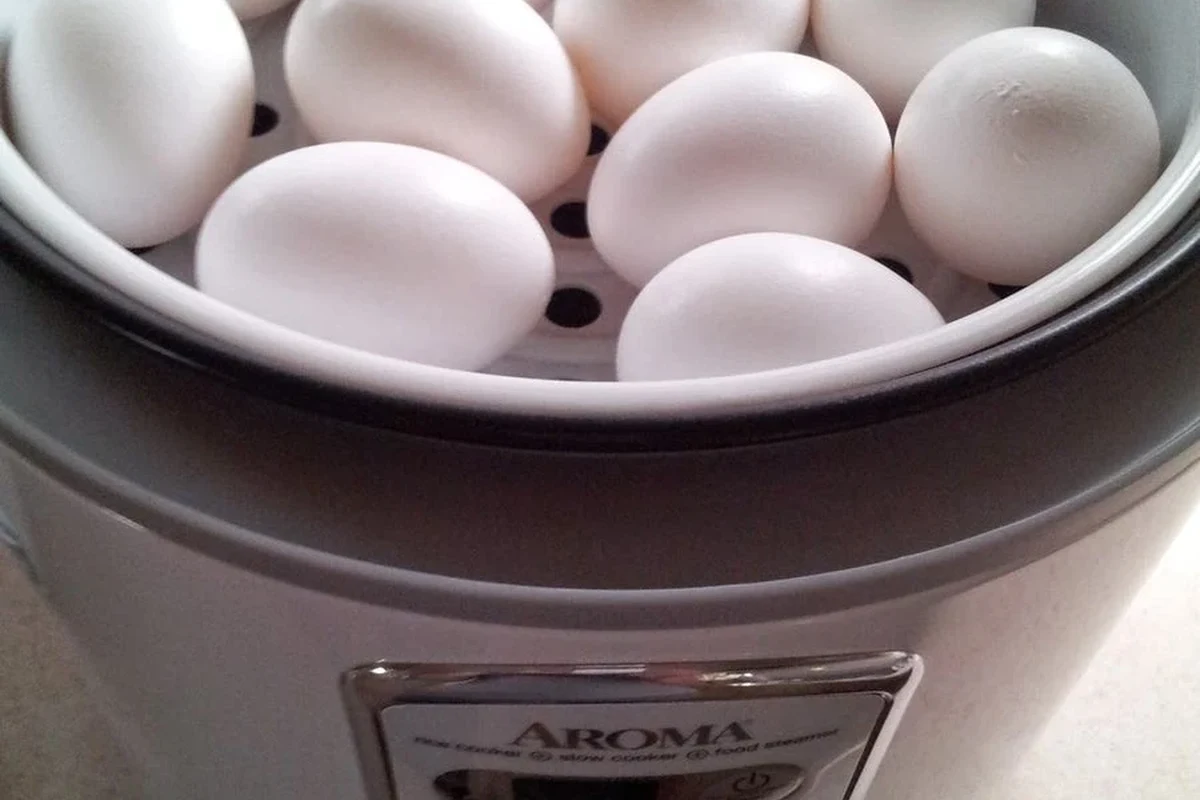
Many home cooks want fast breakfast prep without watching a pot on the stove. A rice cooker can help because it automates the heat cycle and keeps the process simple, especially when you are multitasking.
Search intent: quick, low-mess egg prep for busy home cooks
People usually search for this method when they want hard-boiled eggs without boiling a full saucepan. The appeal is straightforward: fewer dishes, less stovetop attention, and a more hands-off routine.
Why this method appeals to RedKitchenProject readers
RedKitchenProject readers often look for practical kitchen shortcuts that fit small spaces and busy schedules. A rice cooker is a good example of a multi-use appliance that can do more than cook rice, especially in apartments, dorms, and compact kitchens.
When a rice cooker works better than a stovetop pot
This method can be useful when you are already using the rice cooker or when your stove is crowded. It also helps if you want a simpler setup with less risk of boiling over, though results still depend on the model and its heat cycle.
What You Need Before You Start
Before you begin, make sure your rice cooker can handle eggs safely and that you have a plan for cooling them afterward. The details matter because different cookers behave differently, and egg results can vary by size, freshness, and starting temperature.
Rice cooker compatibility: basic switch, digital, fuzzy logic, and mini models
Basic switch rice cookers often work best because they heat predictably and shut off when the cycle ends. Digital and fuzzy logic models may run longer or adjust heat automatically, which can change timing. Mini models can work too, but the small space may limit how many eggs fit comfortably.
Best egg count for different rice cooker sizes
Start small if you are trying the method for the first time. A compact cooker may handle 2 to 4 eggs, while larger models may fit more, as long as the eggs are not stacked tightly or pressed against the lid.
Water level, steamer tray, lid style, and egg placement
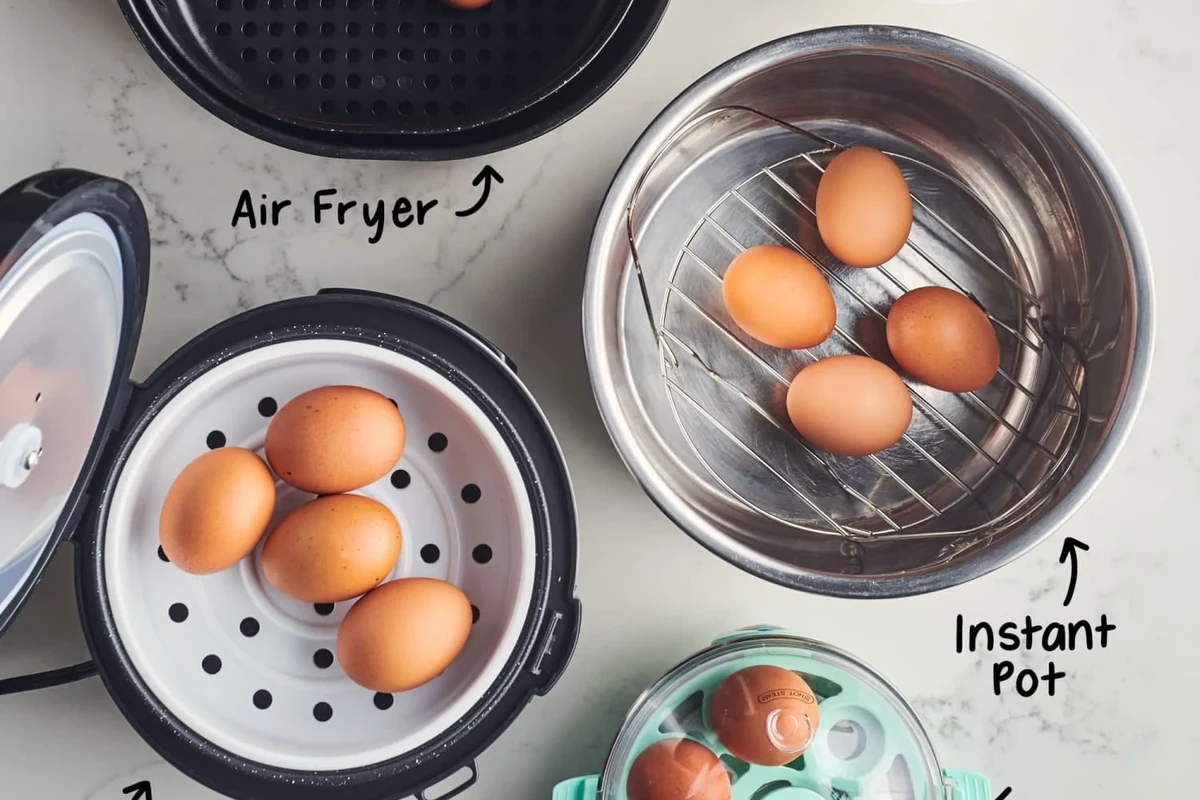
Some people place eggs in the inner pot with a shallow layer of water, while others use a steamer tray if the cooker includes one. Keep the eggs stable, avoid overcrowding, and make sure the lid closes properly so steam can circulate.
Optional tools: tongs, timer, bowl of ice water, and towel
A timer helps you track the cycle, and tongs make it easier to move hot eggs safely. A bowl of ice water is especially useful for stopping the cooking quickly and improving peelability, while a towel helps with drying and handling.
Step-by-Step: How to Hard Boil Eggs in a Rice Cooker
The exact process depends on your machine, but the basic idea is simple: add water, place the eggs carefully, run the cooker, then cool the eggs quickly. If you are new to the method, watch the first batch closely so you can adjust next time.
Step 1: Add the right amount of water
Use enough water to generate steam and cook the eggs evenly, but not so much that the pot risks splashing or overflow. The right amount varies by cooker style, so start with a modest amount and adjust after your first test batch.
Step 2: Place eggs safely in the inner pot or tray
Set the eggs in a single layer if possible. If your cooker has a steamer tray, that can reduce direct contact with water and may help keep the shells cleaner.
Step 3: Start the cooker and monitor the cycle
Turn the rice cooker on and stay nearby the first time you use this method. Some cookers switch off quickly, while others stay warm longer, and that difference affects doneness.
Step 4: Let the eggs sit for carryover cooking
After the cycle ends, leave the eggs in the hot cooker for a few minutes if you want firmer results. This carryover heat can help finish the whites and yolks without needing a second full cycle.
Step 5: Transfer to an ice bath for easy peeling
Move the eggs into ice water as soon as they are done cooking. Rapid cooling helps stop the cooking process and usually makes the shells easier to remove later.
Timing Guide for Soft, Medium, and Hard Boiled Results
Timing is the part most likely to need adjustment. Rice cooker models vary enough that your first batch should be treated as a test, not a fixed rule.
Approximate cook times by rice cooker type
Basic switch models often produce the most predictable timing. Digital or fuzzy logic cookers may take longer to cycle or may hold heat differently, so the same batch can come out softer or firmer than expected.
How egg size and starting temperature affect results
Large eggs usually need a little more time than medium eggs. Cold eggs straight from the refrigerator may also need a bit longer than eggs that have sat briefly at room temperature.
Adjustments for one egg versus a full batch
One egg may cook faster than a crowded batch because heat can circulate more freely. A full batch may need extra time, especially if the eggs are packed tightly or the cooker is a smaller model.
Common Mistakes That Ruin Rice Cooker Eggs
Most problems come from water imbalance, overcrowding, or cooling too slowly. A careful setup usually prevents the biggest issues and makes the method much more dependable.
Using too little or too much water
Too little water can stop the cooker cycle before the eggs finish, while too much can create splashing or a messy boil-over. Start with a moderate amount and note what your specific cooker does.
Cracking eggs from overcrowding or sudden temperature changes
Eggs can crack if they bump into each other too hard or if they go from very cold to very hot too quickly. Keeping them in a single layer and handling them gently reduces the risk.
Skipping the ice bath and making peeling harder
If you let the eggs cool slowly on their own, the shells may cling more tightly. An ice bath is one of the easiest ways to improve peeling and keep the yolks from overcooking.
Overcooking in keep-warm mode
Some rice cookers stay hot long after the main cycle ends. If you leave eggs in keep-warm mode too long, they can become rubbery or develop a gray ring around the yolk.
Safety, Cleanup, and Rice Cooker Care
Eggs are simple to cook, but steam and hot surfaces still deserve respect. A little care protects both you and your appliance, especially if you use a nonstick or ceramic inner pot.
Preventing boil-overs, steam burns, and lid pressure issues
Do not overfill the cooker, and keep your face and hands away from escaping steam when you open the lid. If the lid feels stuck or pressure builds unexpectedly, turn the unit off and let it cool before checking it.
Protecting nonstick or ceramic inner pots from scratches
Use gentle handling when placing or removing eggs so you do not chip the coating. Avoid sharp tools inside the pot, since scratched surfaces can make cleanup harder over time.
Cleaning egg residue, mineral spots, and condensation buildup
Wash the inner pot with a soft sponge and mild soap after it cools. If your water is hard, you may also notice mineral spots or condensation buildup, which usually wipe away with regular cleaning and drying.
When to avoid using a rice cooker for eggs
If your rice cooker has a very sensitive digital control system, a fragile nonstick insert, or a lid design that traps too much pressure, it may not be the best egg cooker. When in doubt, check the manual first and skip the method if the manufacturer discourages it.
Cost, Convenience, and Better Use Cases Compared to Stovetop Boiling
The best cooking method depends on your kitchen habits, not just the food itself. A rice cooker can be convenient, but a stovetop pot is still the better choice in some situations.
Energy and time tradeoffs for small kitchens and dorms
For a small kitchen, a rice cooker can save counter space because it serves multiple purposes. It may also feel simpler than heating a full pot on the stove, especially if you are cooking in a dorm or shared space.
Best situations for meal prep, breakfast, and snack batches
This method works well when you want several eggs ready for the week. It is also handy for quick breakfasts, lunchbox prep, and protein-rich snacks that can be made ahead of time.
When a stovetop pot or electric egg cooker may be the better choice
If you need very consistent timing, a stovetop pot or dedicated egg cooker may be easier to control. Those tools can be better when you want repeatable results, especially if your rice cooker model runs hot or switches unpredictably.
Final Recap: The Easiest Way to Make Hard Boiled Eggs in a Rice Cooker
Using a rice cooker for eggs is a practical shortcut when you want simple prep and easy cleanup. The method is not identical on every machine, but it can be reliable once you learn how your cooker behaves.
Key takeaways for consistent results
Keep the eggs in a single layer, use a sensible amount of water, and move them to an ice bath right away. Those three habits do most of the work in preventing cracks, overcooking, and difficult peeling.
Quick reminder on water, timing, and cooling
Start with a small test batch, note the timing for your specific cooker, and adjust from there. With a little practice, hard boil eggs rice cooker style can become an easy routine for busy weekdays in 2026.
Frequently Asked Questions
Yes, many rice cookers can handle eggs safely if you use a sensible amount of water and avoid overcrowding. Check your cooker manual first, since performance varies by model.
Cook time depends on the cooker type, egg size, and starting temperature. A first test batch is the best way to learn your machine’s timing.
An ice bath is strongly recommended because it stops carryover cooking and usually makes peeling easier. It also helps keep the yolks from overcooking.
Cracking usually happens from overcrowding, rough handling, or sudden temperature changes. Try a single layer of eggs and move them gently into hot or room-temperature water first.
A rice cooker can be easier for low-mess, hands-off cooking, especially in small kitchens. A stovetop pot may still be better if you want tighter control over timing.
Check the cooker manual, pot material, and whether the lid and cycle style suit steaming or boiling. Also make sure the eggs fit in a single layer without crowding.