How Coffee Mugs Became Popular and Why We Love Them

Coffee mugs became popular because they are easy to hold, hold more coffee, and fit daily life well. They stay loved today because they mix comfort, style, and simple usefulness.
Coffee mugs became popular because they were practical, sturdy, and easy to use every day. Over time, they moved from simple drink cups to a small comfort item many people reach for without thinking.
- Comfort won: Handles and larger size made mugs easy to use.
- Daily fit: Mugs work at home, in offices, and in cafés.
- Material matters: Ceramic is common, but insulated mugs suit heat retention.
- Buy smart: Check size, grip, and care labels before buying.
How Coffee Mugs Became Popular: The Short Answer
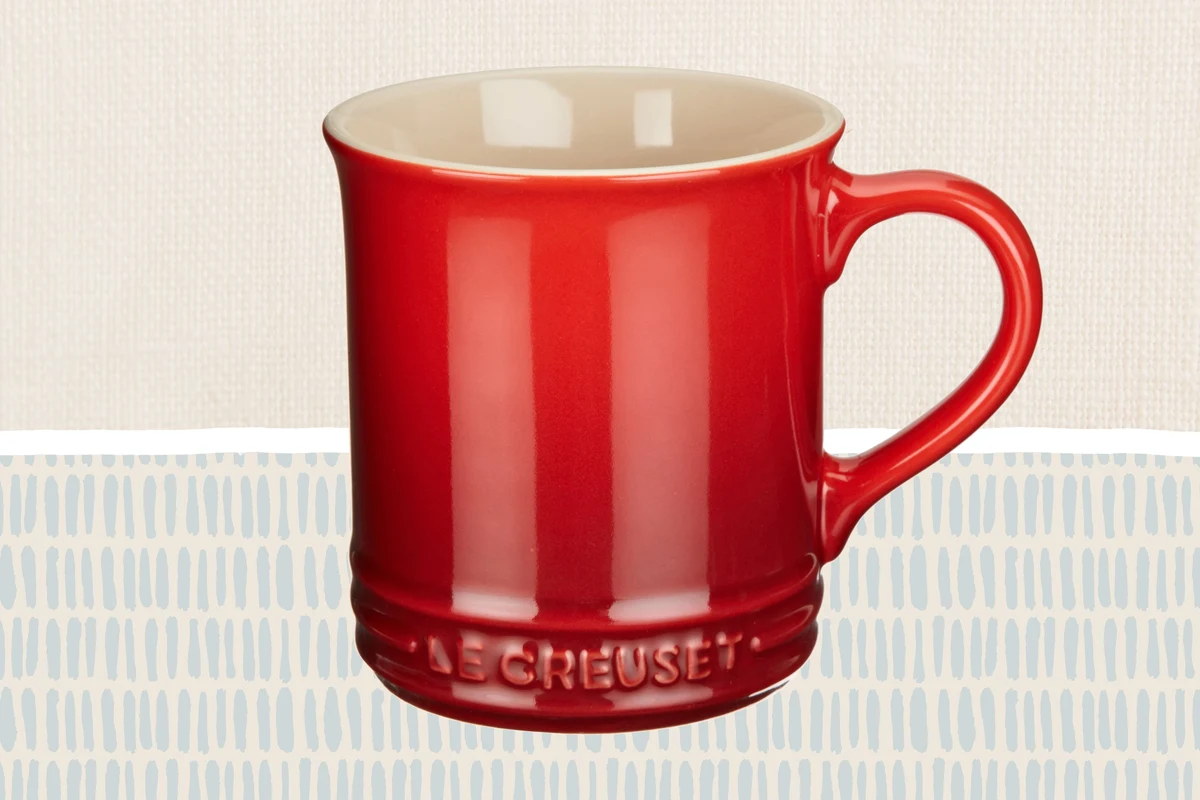
The short answer is simple. Mugs won because they held more coffee, kept it warmer, and felt better in the hand than small cups.
They also fit modern life well. People use them at home, in offices, and in cafés, so the mug became part of the daily routine.
From simple cups to daily comfort
Early coffee drinkers used many kinds of cups and bowls. As coffee spread, people wanted a vessel that was easy to hold and better for slow sipping.
A mug solved that problem. The handle helped keep hands away from heat, and the larger bowl held a more useful serving size.
Why mugs replaced smaller drinkware
Small cups work well for quick espresso-style drinks. But many people wanted a longer drink they could enjoy over time.
Mugs made that easier. They gave coffee drinkers more volume, less spill risk, and a more relaxed feel.
The mug handle is one big reason mugs became so common. It helps with heat, grip, and everyday comfort.
The History Behind Coffee Mugs

Coffee mugs did not become popular overnight. Their rise followed changes in how people drank coffee, where they drank it, and how cups were made.
Early drink vessels and coffee culture
Long before modern mugs, people used cups made from clay, wood, metal, and ceramic. The best choice often depended on local craft and the drink itself.
As coffee culture grew, people needed a vessel that could handle hot liquid well. Ceramic and porcelain became common because they were practical and easy to shape.
How homes, cafés, and offices changed mug use
Home coffee habits helped mugs grow in popularity. At home, people wanted a cup that felt casual, safe, and easy to wash.
Cafés and offices also helped. In those places, mugs became linked to routine, breaks, and a quick moment of calm.
Mug style can vary by region, café trend, and household habit. A mug that feels standard in one place may look unusual in another.
Why mass production made mugs common
Mass production made mugs cheaper and easier to find. That mattered a lot, because a product often becomes popular when people can buy it without much effort.
Factories could make mugs in many shapes and styles. That gave shoppers more choice and helped mugs move from plain utility to personal style.
What Made Coffee Mugs So Useful
Mugs became popular for more than just looks. They solved everyday problems in a simple way.
Size, handle shape, and heat control
The mug size works well for many coffee drinkers. It holds enough liquid for a full serving, but it still feels easy to carry.
The handle also matters. It gives a secure grip and helps keep fingers away from hot walls.
Good for people who want more coffee in one cup.
The handle helps with comfort and safer handling.
Materials that shaped mug popularity
Ceramic and stoneware helped mugs become everyday favorites. They feel familiar, look nice, and work well for hot drinks.
Glass, metal, and insulated travel mugs also added more options. Each material has trade-offs, so the best one depends on how you drink coffee.
- Choose ceramic for a classic home mug feel.
- Choose insulated styles when heat retention matters most.
- Choose lighter mugs if you drink coffee all day.
How mugs fit modern routines
Mugs fit busy mornings, desk work, and slow weekends. They are simple to grab, simple to clean, and easy to use with many brewers.
That flexibility helped mugs stay popular even as coffee gear changed. A mug still works with drip coffee, pour-over, instant coffee, and many espresso drinks.
Why We Still Love Coffee Mugs Today
Mugs are still popular because they do more than hold coffee. They also carry mood, habit, and personal style.
Comfort, habit, and personal style
Many people have a favorite mug. It might feel better in the hand, fit their coffee routine, or just make mornings feel calmer.
That comfort matters. A mug can turn a basic drink into a small daily ritual.
Gift appeal and collectible designs
Mugs are easy to gift because almost everyone can use one. They also come in endless designs, which makes them fun to collect.
Some people buy mugs for holidays, trips, or hobbies. Others keep one mug for years because it feels personal.
The mug as a daily ritual item
A mug often marks the start of the day. It can signal a work break, a quiet moment, or a short pause before the rush begins.
That emotional role helps explain why mugs stayed so popular. They are useful, but they also feel familiar.
Why the Mug Became a Kitchen Staple
It is not just a cup. It is a small part of daily comfort for millions of coffee drinkers.
Choosing the Right Coffee Mug in 2026
If you are buying a mug now, focus on how you drink coffee. The best mug for one person may be wrong for another.
Best materials for heat, weight, and durability
Ceramic and stoneware are still the most common choices. They suit home use well and usually feel balanced in the hand.
Stainless steel or insulated mugs work better when heat retention matters. Glass looks nice, but it may need more careful handling.
Important specs to check before buying
Check the mug size, handle comfort, and whether it fits your coffee maker or cup holder. Also check if the mug is dishwasher safe or microwave safe.
Those details sound small, but they matter in daily use. A mug that looks great can still be annoying if it is too heavy or too wide.
- Capacity and dimensions
- Handle comfort and grip
- Microwave and dishwasher safety
- Finish, durability, and chip resistance
Who each mug type is best for
Classic ceramic mugs suit most home coffee drinkers. They are simple, familiar, and easy to replace.
Travel mugs suit commuters and long workdays. Oversized mugs suit people who want bigger pours or tea, cocoa, and broth.
Best for daily home coffee and easy cleanup.
Best for keeping drinks warm on the go.
Best for larger servings and slower sipping.
Common Mug Problems and Mistakes to Avoid
Even a simple mug can cause frustration. Most problems come from wear, poor fit, or choosing the wrong style.
Cracks, stains, and chipped rims
Cracks and chips can happen from drops, sudden temperature changes, or heavy use. Stains often come from coffee, tea, or mineral buildup.
Once a mug chips, it may feel rough or unsafe to drink from. If the damage is deep, replace it.
The mug has a chip, crack, or rough rim.
Stop using it if the damage is sharp, deep, or spreading.
Wrong size, poor grip, and bad heat retention
A mug that is too small may cool fast or spill easily. A mug that is too large may feel heavy and awkward.
Poor grip can also be a problem. If the handle is tight or slippery, the mug will not feel comfortable in daily use.
When a mug is not the right choice
Sometimes a mug is not the best tool. If you need heat to last for hours, a travel mug may work better.
If you want a fast espresso shot, a small cup may make more sense. The right drinkware depends on the drink and the moment.
Do not use a mug with cracks or major chips for hot drinks. Heat can make damage worse.
Cleaning, Safety, and Mug Care
Good mug care helps it last longer and look better. It also keeps daily coffee use cleaner and safer.
How to clean mugs without damage
Wash mugs with warm water, mild soap, and a soft sponge when possible. That usually handles most coffee residue without scratching the surface.
For stains, a gentle baking soda paste may help. Always check the manufacturer’s care notes if the mug has a special finish.
Rinse or wash soon after drinking to reduce stains.
Check for chips, hairline cracks, and worn glaze.
Microwave and dishwasher safety tips
Not every mug is microwave safe or dishwasher safe. Follow the label or product instructions before using heat or strong wash cycles.
This matters most with metal trim, special coatings, or handmade pieces. If you are unsure, hand wash the mug and avoid the microwave.
Follow the mug’s care instructions and stop using any mug that shows serious damage.
How to keep mugs looking new longer
Rinse mugs soon after use. That helps prevent stains from setting in.
Avoid big temperature shocks, like moving a cold mug into very hot water too fast. That can stress the material and raise the chance of cracks.
Final Verdict: Why Coffee Mugs Became Popular and What to Buy Now
Coffee mugs became popular because they are simple, useful, and comfortable. They hold a good serving, protect your hands, and fit almost any coffee routine.
Today, the best mug is the one that matches how you drink. For most people, that means a well-made ceramic mug with a comfortable handle and easy care.
Best reasons to choose a mug today
Choose a mug if you want everyday comfort, easy cleanup, and a familiar feel. Choose an insulated option if heat retention matters more.
In short, mugs stayed popular because they solve a real need and still feel personal.
Simple buying advice from the Red Kitchen Project Editorial Team
Check the size, handle, material, and care label before buying. If you want the safest and most useful choice, pick a mug that fits your routine first.
That is the real secret behind how coffee mugs became popular. They are useful enough for daily life, and pleasant enough to become a habit.
Frequently Asked Questions
Coffee mugs held more coffee and felt easier to use for slow sipping. Their handles also made hot drinks more comfortable to hold.
Ceramic and stoneware are common choices for everyday use because they feel familiar and clean up easily. Insulated mugs are better if you want drinks to stay hot longer.
Pick a size that matches how much coffee you usually drink. A mug that is too large can feel heavy, while a small one may spill more easily.
Rinse mugs soon after use and wash them with mild soap. A gentle baking soda paste can help with stubborn stains.
No, not all mugs are microwave safe. Check the label or manufacturer instructions, especially for mugs with metal trim or special finishes.
Replace a mug if it has deep chips, cracks, or a rough rim. Damaged mugs can get worse with heat and may be uncomfortable or unsafe to use.