How Coffee Mugs Keep Drinks Hot and Warm Longer

Insulated mugs keep drinks hot the longest, while ceramic mugs are a solid everyday choice. A lid, a warm mug, and the right size all help coffee stay warm longer.
Coffee mugs keep drinks hot by slowing heat loss. The best mugs do this with the right material, thicker walls, and a lid that traps warmth.
In simple terms, a mug works like a small heat shield. It cannot stop cooling forever, but it can buy you more time to enjoy your drink.
- Material matters: Stainless steel insulation usually holds heat best.
- Lids help: They slow steam loss and reduce fast cooling.
- Preheat first: A warm mug steals less heat from coffee.
- Size counts: Less empty space can help drinks stay warmer.
How Coffee Mugs Keep Drinks Hot: The Simple Answer
Hot coffee cools down in three main ways. It loses heat to the air, the mug itself, and anything the mug touches.
A mug helps by reducing those heat paths. A good mug slows heat flow, holds warmth inside, and limits steam from escaping.
Steam carries away heat fast, which is why an open mug cools faster than a covered one.
That is why a lid matters so much. Even a simple lid can make a drink stay warm longer during a slow morning.
What Makes a Mug Hold Heat Better
Not all mugs work the same way. The shape, material, and lid design all affect how long your drink stays warm.
Material matters
Different materials move heat at different speeds. Some pull heat away from your drink fast. Others slow that loss down.
Ceramic usually holds heat better than thin glass. Stainless steel with insulation often holds heat even longer.
Wall thickness and shape
Thicker walls usually help slow heat loss. They create a bigger barrier between the hot drink and the room.
Shape matters too. A wide mug exposes more surface area to air. A narrower mug often keeps heat in a little better.
Pre-warm your mug with hot water before pouring coffee. A warm mug steals less heat from your drink.
Lids, seals, and heat loss
A lid helps trap heat and steam. It also cuts down on airflow across the drink surface.
Better seals usually work better, but fit matters. A loose lid can still help, though not as much as a tight one.
How Different Mug Types Compare
Each mug type has a different balance of heat hold, comfort, and cleanup. The best choice depends on how you drink coffee.
Ceramic mugs
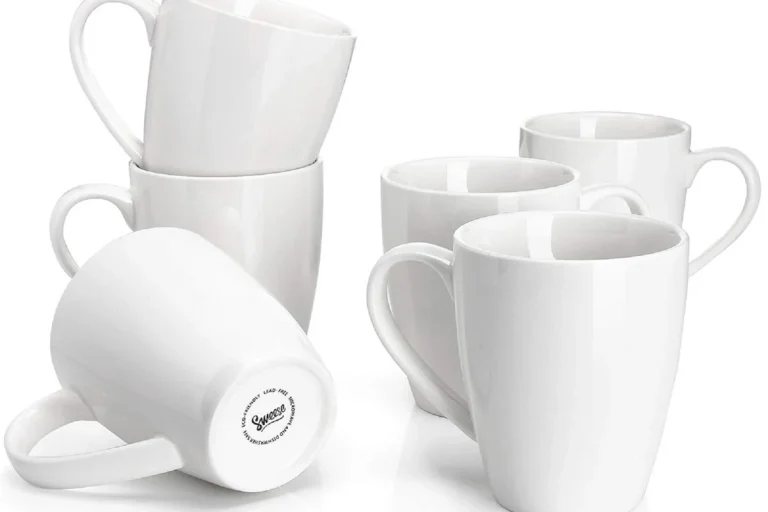
Ceramic is the classic coffee mug material. It feels sturdy, looks nice, and does a decent job of holding heat.
It works well for home use, especially if you finish your drink fairly soon. It is less ideal if you sip slowly for a long time.
Glass mugs
Glass mugs look clean and modern. They let you see the drink, which some people enjoy.
But glass often loses heat faster than ceramic or steel. Thin glass can feel hot to the touch and cool the drink more quickly.
Stainless steel mugs
Stainless steel mugs often hold heat better than ceramic or glass. They are common in travel mugs and insulated cups.
They can be a smart pick for commuters or anyone who drinks slowly. The trade-off is that some people miss the feel of a classic mug.
Travel mugs and insulated mugs
Insulated mugs are built to keep drinks hot longer. Many use double walls and an air gap or vacuum layer.
That design slows heat loss much better than a standard mug. For long workdays or road trips, they are often the best option.
Heat-holding results vary by model. Lid fit, wall design, and how often you open the cup all change real-world performance.
Key Features to Look For in 2026
If you want a mug that keeps coffee warm, focus on a few useful features. Fancy styling is nice, but function matters more.
Insulation level
Insulation is the biggest factor for long heat retention. Double-wall or vacuum-insulated designs usually perform best.
For short use at home, a plain ceramic mug may be enough. For longer sipping, insulation matters much more.
Capacity and fit
Choose a size that matches your usual drink. A mug that is too large can leave more air above the coffee.
That extra air space can speed cooling. A better fit helps keep the drink warmer for longer.
Lid design and spill control
A lid should fit well and open easily. It should also help control spills during a commute or desk use.
Some lids focus on splash control. Others seal better for heat retention. The best one depends on your daily routine.
Handle comfort and grip
A comfortable handle makes a hot mug easier to use. It also helps you hold the cup without awkward hand shifts.
If you prefer handle-free mugs, look for a sleeve or insulated body. That keeps your hand more comfortable.
Slows heat loss and keeps coffee warm longer.
Reduces steam loss and helps prevent spills.
Smaller openings usually help drinks stay hot.
Changes how fast the mug pulls heat away.
Benefits and Limits of Heat-Holding Mugs
Heat-holding mugs are useful, but they are not magic. They improve comfort and timing, yet they still have limits.
When they work best
These mugs work best when you sip over time. They also help during meetings, commutes, and slow mornings.
If you like your coffee to stay pleasant for 20 minutes or more, the right mug can make a big difference.
Where they fall short
No mug can keep coffee hot forever. Even the best ones lose heat, just more slowly.
They also cannot fix coffee that sat too long before pouring. Starting with a hot drink still matters a lot.
Common Mistakes That Make Drinks Cool Faster
Small habits can undo a lot of mug performance. A few simple fixes can help your coffee stay warmer.
Using a cold mug
A cold mug pulls heat from your drink right away. That first heat drop can be bigger than many people expect.
Rinsing the mug with hot water first can help. It is a quick step that often makes a real difference.
Leaving the lid off
An open mug loses heat fast. Steam escapes, and the top surface cools more quickly.
If your mug has a lid, use it when you can. Even short gaps can let heat slip away.
Overfilling or underfilling
Too much empty space can speed cooling. Too much filling can make spills more likely and force the lid off.
Try to match the mug size to the drink size. That gives you a better balance of comfort and heat hold.
- Preheat the mug with hot water before pouring coffee.
- Keep the lid on when you are not sipping.
- Use a mug size that matches your usual drink amount.
Safety, Cleaning, and Care Tips
Hot drinks can burn, and some mug materials need special care. It pays to follow the maker’s instructions.
Safe use with hot drinks
Always check that the mug is meant for hot liquids. Some cups and lids are not built for very high heat.
Be careful with sealed lids and very hot drinks. Pressure can build, and steam can escape when you open them.
Follow the product manual for heat limits, lid use, and microwave or dishwasher safety. Stop using any mug that is cracked, warped, or damaged.
How to clean different mug materials
Ceramic mugs usually clean up easily with warm water and dish soap. Some are dishwasher safe, but check the label first.
Glass mugs need gentle care to avoid chips and cracks. Stainless steel mugs often need careful washing around the lid and seals.
How to keep insulation working well
Clean lids and seals often so residue does not build up. That helps the mug stay sanitary and work as designed.
Do not use harsh cleaners unless the maker says they are safe. They can damage seals or finishes over time.
Wash the mug and lid soon after drinking.
Check seals, threads, and any hidden spots for buildup.
Best Value Choice and Final Recommendation
The best mug depends on how you drink coffee. For everyday home use, a good ceramic mug is simple and reliable.
If you want the longest heat hold, choose an insulated travel mug or insulated mug. That is the better pick for commuters and slow sippers.
Who should buy which mug type
Ceramic is a strong value choice for comfort and easy cleanup.
Insulated stainless steel is usually the best heat-holding choice.
Glass or ceramic can look great, but heat hold may be lower.
Final verdict for everyday coffee drinkers
For most people, the best mug is the one that fits the drink, the routine, and the cleanup you can live with. If heat hold is your top goal, insulation wins.
If you want a simple mug for the kitchen table, ceramic still makes sense. If you want coffee warm much longer, go insulated and use a lid.
Insulated mugs keep drinks hot the longest, while ceramic mugs give the best simple everyday value. Pick ceramic for short home sipping and insulated steel for longer heat retention.
Frequently Asked Questions
Mugs keep drinks hot longer when they slow heat loss through the walls, lid, and opening. Material, thickness, and insulation all matter.
Yes, insulated mugs usually hold heat longer than ceramic mugs. Ceramic is still a good choice for short home use and easy cleanup.
Yes, a lid helps trap heat and reduce steam loss. It can make a noticeable difference, especially if you sip slowly.
Stainless steel with insulation usually keeps coffee hot the best. Ceramic is a solid middle ground, while thin glass tends to cool faster.
Preheat the mug with hot water, use a lid, and match the mug size to your drink. These simple steps help reduce heat loss.
Wash the mug and lid after use with the method the maker recommends. Check seals, cracks, and dishwasher safety before regular cleaning.