Are Cold Brew Coffee Grounds Different and Why It Matters

Yes, cold brew coffee grounds are usually coarser than regular drip grounds. The best choice is fresh coffee ground coarse enough to brew smoothly and filter cleanly.
Yes. Cold brew coffee grounds are usually different from regular drip coffee grounds, mostly because grind size matters more. For cold brew, a medium-coarse grind is usually the safest starting point, since it helps keep the coffee smooth and easy to filter.
That said, special “cold brew” grounds are not always necessary. In many home setups, you can use regular coffee beans and grind them to the right size. The real goal is a clean, balanced brew, not a special label.
- Grind matters most: Cold brew works best with coarse grounds.
- Fine grounds cause trouble: They can taste bitter and clog filters.
- Whole beans help: They give you more control over flavor.
- Special labels aren’t required: “Cold brew” coffee is helpful, not essential.
Are Cold Brew Coffee Grounds Different? The Short Answer
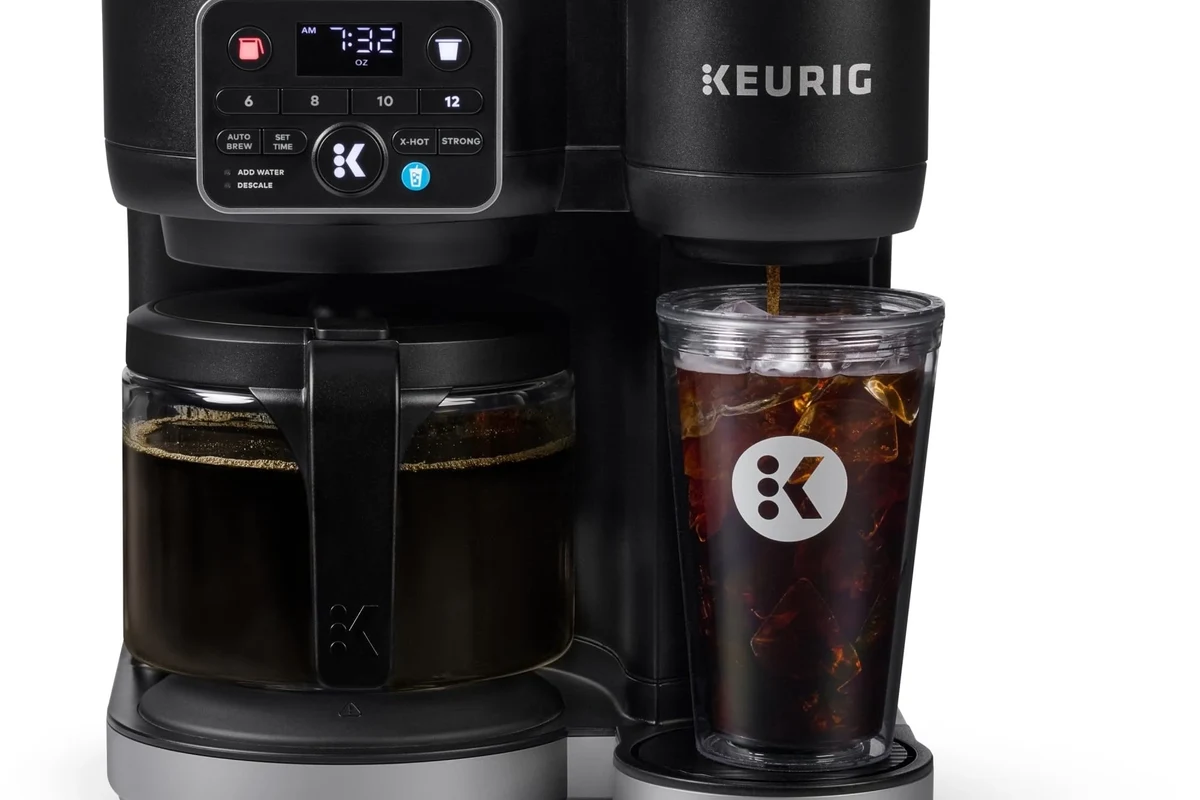
Cold brew grounds can be different, but they don’t have to be. The biggest difference is that cold brew works best with a coarser grind than espresso or drip.
If the grind is too fine, the coffee can taste harsh and leave a muddy mess in your filter. If the grind is too coarse, the brew may taste weak or thin.
What Makes Cold Brew Grounds Different From Regular Coffee Grounds
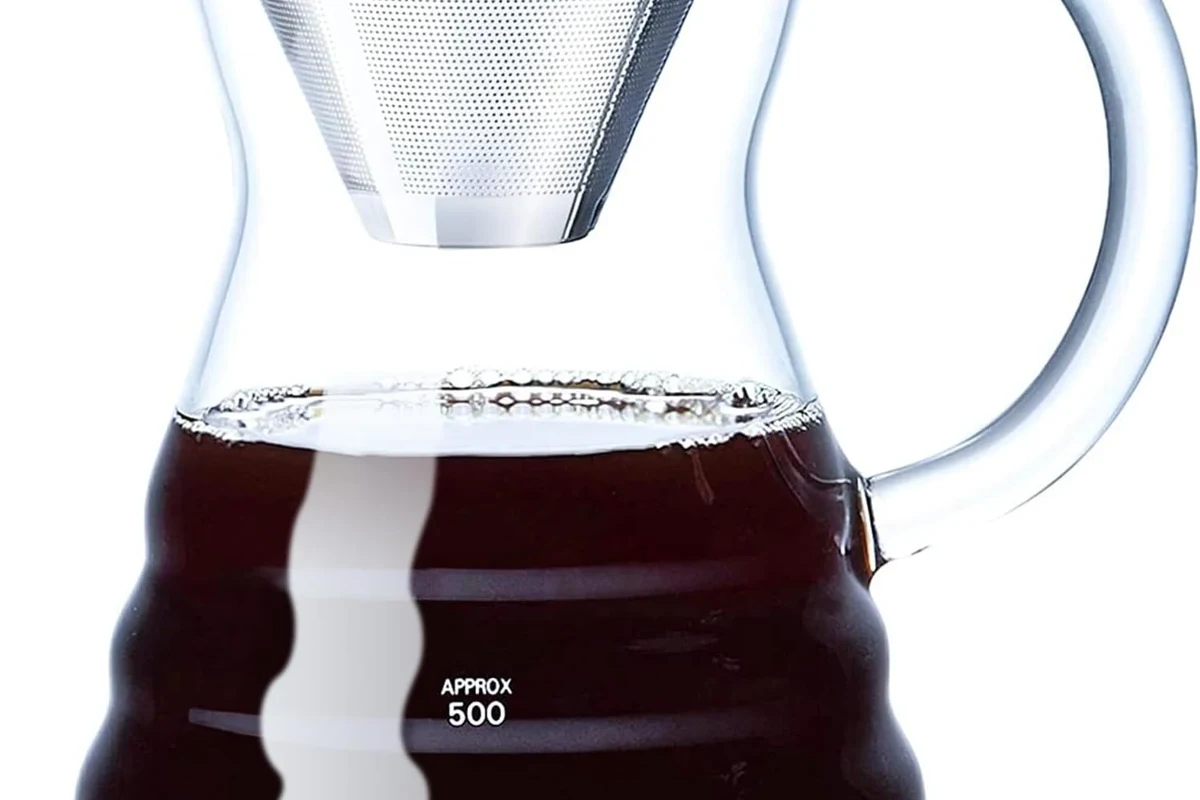
Most coffee grounds are sold for a brewing method in mind. Drip coffee often uses a medium grind, espresso uses a very fine grind, and cold brew does best with a coarse grind.
That difference changes how water moves through the coffee. Cold water pulls flavor slowly, so the grounds need enough space for even extraction.
Grind size and why it matters
Grind size controls how fast water touches the coffee. Smaller pieces expose more surface area, so they brew faster.
For cold brew, that can backfire. Fine grounds can overextract during a long steep and make the drink taste bitter or gritty.
Cold brew is often filtered after steeping, so grind size affects both taste and cleanup.
Roast level, freshness, and bean type
Roast level changes flavor more than it changes the brewing method. Medium and dark roasts often taste fuller in cold brew, while light roasts can taste brighter and more delicate.
Freshness also matters. Coffee tastes best when beans are stored well and ground close to brewing time.
Bean type matters too. Single-origin beans can show clear fruit or chocolate notes, while blends often taste more balanced.
How Cold Brew Works and Why the Grind Changes the Result
Cold brew uses cool or room-temperature water and a long steep. Because the water is not hot, it extracts flavor more slowly than hot brewing.
That slow process is why grind size matters so much. You want enough contact for flavor, but not so much that the brew turns rough.
Steep time, water contact, and flavor extraction
Cold brew usually steeps for many hours. During that time, water keeps pulling flavor from the grounds.
A coarse grind gives the water a slower, steadier path. That helps the drink stay smooth and less sharp.
Why fine grounds can cause bitter or muddy coffee
Fine grounds can slip through mesh filters and paper filters more easily. That leaves sediment in the cup.
They can also pull too much bitterness during a long steep. If your cold brew tastes dusty, harsh, or thick, the grind is often the first thing to check.
Very fine grounds can clog some brewers and make filtering slow or messy. Follow your brewer’s manual for the right grind range.
Best Coffee Specs for Cold Brew at Home
There is no single perfect bean for cold brew. Still, a few simple choices make the process easier and the flavor more reliable.
Start with coarse grounds, then adjust from there. That gives you a better shot at a smooth cup with less guesswork.
Recommended grind size and roast style
A medium-coarse to coarse grind is the best starting point for most home cold brew methods. Think of it as similar to rough sea salt or breadcrumbs.
Medium roast is a safe all-around pick. Dark roast can give a heavier, richer cup, while light roast can taste sharper and more tea-like.
- Use coarse grounds for easier filtering.
- Start with medium roast if you want balanced flavor.
- Grind beans right before brewing when possible.
Bean origin, blend choice, and caffeine strength
Bean origin changes flavor notes. Some beans taste fruity, some taste nutty, and some taste like cocoa.
Blends often work well for cold brew because they smooth out sharp edges. Caffeine strength depends on the coffee-to-water ratio, not just the bean itself.
How to Choose the Right Grounds for Your Cold Brew Maker
Your brewer matters as much as your coffee. Mason jars, pitchers, French presses, and mesh brewers all handle grounds a little differently.
Before you buy, think about how much cleanup you want and how fine your filter is.
- Check the suggested grind size on the bag.
- Match the coffee to your filter type.
- Look for roast level and roast date.
- Choose whole bean if you want more control.
Best options for mason jars, pitchers, and mesh filters
Mason jars and pitchers usually work best with coarse grounds and a separate filter bag or strainer. That keeps cleanup simple.
Mesh filters can still work well, but they often need a grind that is not too fine. If the coffee slips through, go a little coarser next time.
Best options for French press and immersion brewers
French presses and immersion brewers are a natural fit for cold brew. They hold the grounds in water and make draining easier.
Even so, coarse grounds still help. They reduce sludge at the bottom and make pressing or pouring less annoying.
What to look for on the bag before you buy
Check for grind type, roast level, and roast date. If the bag says “cold brew,” that can be helpful, but it is not required.
Also look for whole bean if you own a grinder. That gives you more control than pre-ground coffee.
Bag labels can vary by brand and region. If the label is vague, ask for a coarse grind or grind your own beans at home.
Common Cold Brew Mistakes and How to Fix Them
Most cold brew problems come from a few simple setup issues. The good news is that they are easy to fix.
If your cup tastes off, don’t blame the beans right away. Start with grind, ratio, and steep time.
Using grounds that are too fine
This is the most common mistake. Fine grounds can make the brew bitter, cloudy, and hard to strain.
If that happens, switch to a coarser grind. You may also need a better filter or a slower pour.
The brew tastes muddy or leaves thick sediment.
Use a coarser grind and strain again through a finer filter if needed.
Using too much or too little coffee
Too much coffee can make cold brew harsh and hard to drink. Too little can make it taste flat and watery.
If the flavor feels off, adjust the ratio in small steps. That is usually better than changing everything at once.
Steeping too long or too short
Short steep times can leave the coffee weak. Very long steeps can make it bitter, especially if the grind is fine.
Try one change at a time. If the coffee tastes weak, steep longer. If it tastes rough, steep less or use a coarser grind.
Safety, Cleaning, and Storage Tips
Cold brew seems simple, but long steep times and wet grounds need basic care. Clean gear helps the coffee taste better and helps avoid spoilage issues.
Use clean water, clean containers, and a safe place to steep. When in doubt, follow your brewer manual and food-safety guidance.
Food safety for long steep times
Cold brew often sits for many hours, so cleanliness matters. Use a clean jar, pitcher, or brewer every time.
If your kitchen is very warm, be extra careful with steeping and storage. After brewing, move the coffee to the fridge if you are not using it right away.
Stop using cracked jars, damaged lids, or torn filters. Replace them before the next brew.
How to clean filters, jars, and brew baskets
Rinse grounds out right after brewing. Dried coffee sludge is much harder to remove later.
Wash filters, lids, and baskets with warm soapy water. Let parts dry fully before storing them.
Empty grounds, rinse parts, and wash the container well.
Check seals, mesh screens, and lids for wear or buildup.
How to store grounds and brewed cold brew
Store coffee beans or grounds in a cool, dry place in a sealed container. Keep them away from heat, light, and moisture.
Store brewed cold brew in the fridge in a clean, covered container. For best taste, drink it sooner rather than later.
Final Verdict: Are Special Cold Brew Grounds Worth It?
Special cold brew grounds can be convenient, but they are not a must-have. In most homes, the right grind size matters more than the label.
If you already own a grinder, buy whole beans and grind them coarse. If you want the easiest path, look for pre-ground coffee marked for cold brew or coarse drip use.
For most home brewers, coarse grounds from fresh beans are the best-value choice. Special cold brew grounds are worth it mainly if you want convenience and less trial and error.
Who should buy them and who can skip them
Buy special cold brew grounds if you want a simple, low-fuss option. They can save time when you do not want to grind beans yourself.
Skip them if you already grind at home or like to fine-tune flavor. In that case, fresh whole beans usually give you more control.
Best-value recommendation for most home brewers
The best value is usually whole beans plus a grinder, or a bag of coarse pre-ground coffee from a trusted brand. That gives you flexibility without paying extra for a specialty label.
If you only remember one thing, remember this. Cold brew grounds are different mainly because of grind size, and that one detail changes taste, texture, and cleanup.
- Cold brew works best with coarse grounds.
- Fine grounds can taste bitter and clog filters.
- Whole beans give you the most control.
- Special cold brew grounds help with convenience, not magic.
Frequently Asked Questions
Yes. Cold brew usually works best with a coarser grind than drip coffee. The grind size helps control flavor, filtering, and bitterness.
A medium-coarse to coarse grind is the safest starting point for most home brewers. It helps the coffee steep evenly and filter more cleanly.
Yes, if the grind is coarse enough. Check the bag for a coarse grind or cold brew label, and adjust if the coffee tastes muddy or weak.
Bitter cold brew often comes from grounds that are too fine, steeping too long, or using too much coffee. Try a coarser grind and a shorter steep next time.
Rinse out the grounds right away, then wash jars, lids, and filters with warm soapy water. Let everything dry fully before storing it.
Whole beans usually offer the best value because you can control the grind. Special cold brew grounds are useful if you want convenience and less setup work.