How Do I Descale My Keurig Cold Brew Coffee Maker Fast

Empty the brewer, run the approved descaling mix through it, and flush it with clean water. If flow stays weak or the machine leaks, stop using it and check the manual or support.
If your Keurig cold brew maker is brewing slower, tasting flat, or showing a scale alert, descaling is the fix to try first. The fast answer is simple: empty the machine, run a descaling mix through it, then flush it well with clean water.
Always check your model manual before cleaning. Stop using the machine if you see cracks, leaks, damaged cords, or repeated error lights.
- Fast fix: Run descaler, then rinse with clean water.
- Taste matters: Skipping the rinse can leave a sour aftertaste.
- Model rules: Follow your manual for the right mix and cycle.
- Warning signs: Slow flow, leaks, or odd sounds need attention.
How Do I Descale My Keurig Cold Brew Coffee Maker Fast
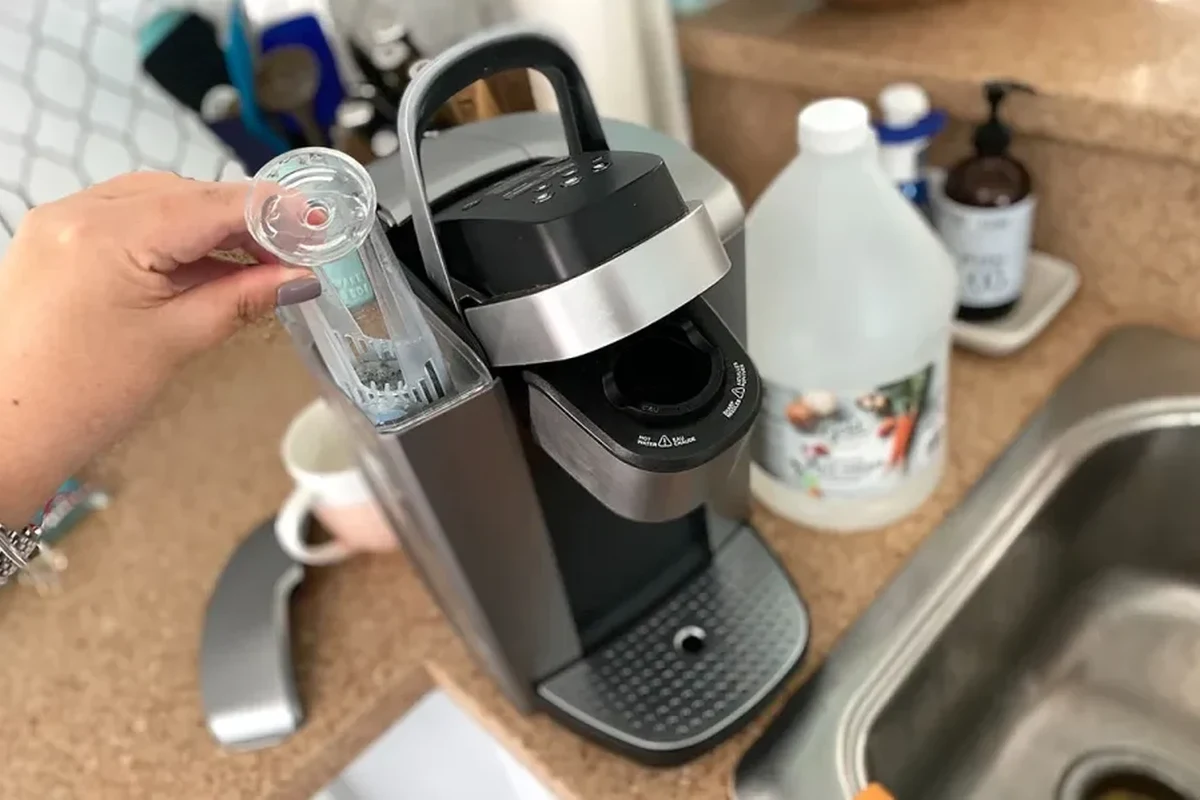
The quickest safe method is to use the maker’s own descale cycle, if it has one. If your model does not, you can still descale it by running a descaling mix through the brew path and rinsing it well.
That process clears mineral buildup from the water lines, pump path, and brew chamber. It also helps the machine keep steady flow, which matters a lot for cold brew style drinks.
Why Descaling Matters for Cold Brew Taste and Machine Life
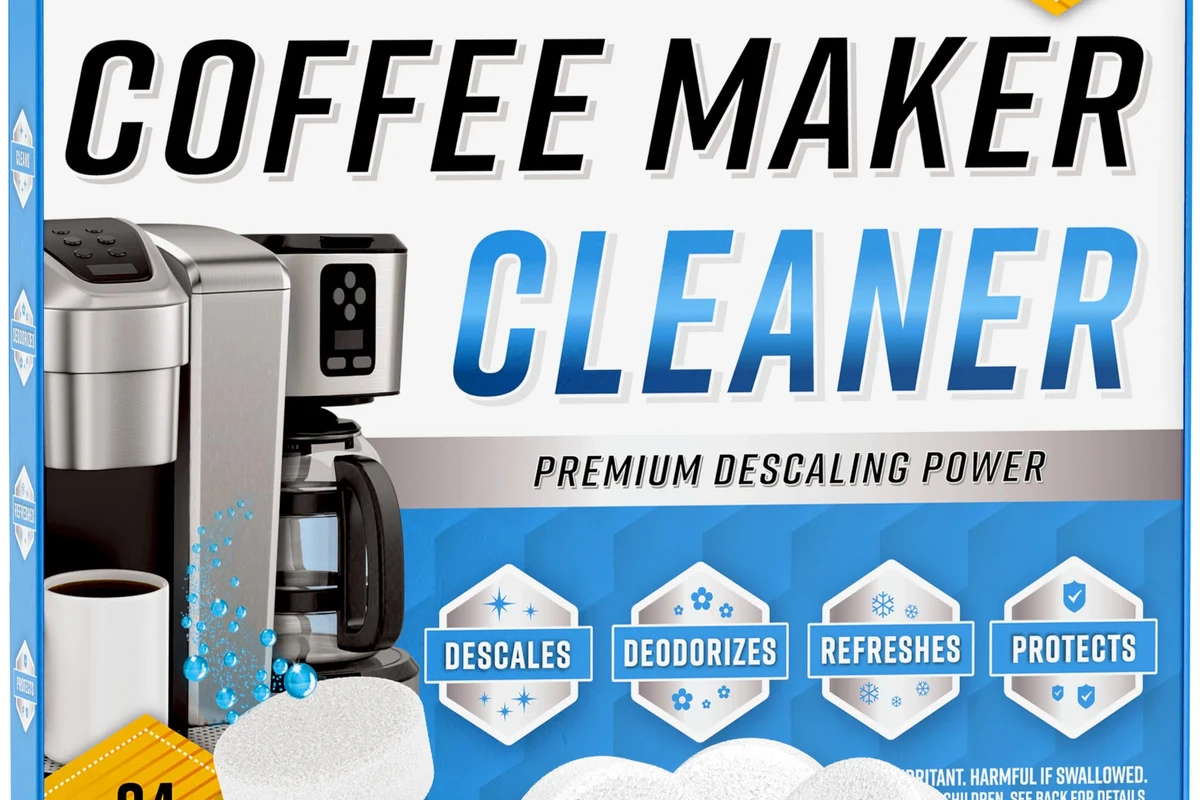
Mineral scale builds up when water leaves deposits inside the brewer. Over time, those deposits can slow water flow and change how the coffee tastes.
For cold brew, that matters even more because the drink depends on slow, steady water movement. If the flow changes, the brew can taste weak, sour, or uneven.
Scale can also make the machine work harder. That extra strain may shorten the life of parts that move water through the system.
Hard water usually causes scale faster than soft water. That means some homes need more frequent cleaning.
What You Need Before You Start
Gather everything first so you do not stop halfway through the process. That keeps the cleaning cycle smooth and helps you rinse the machine fully.
Descaling solution or white vinegar
Use the descaling product listed in your manual when possible. If the manual allows vinegar, plain white vinegar is the common backup choice.
Some makers prefer branded descaler because it can rinse cleaner and smell less sharp. The right choice depends on your model and the maker’s instructions.
Fresh water and a clean mug or carafe
You will need fresh water for the rinse cycle. A clean mug or carafe catches the liquid as it runs through the machine.
Use a container large enough for each cycle. If your model brews in small amounts, you may need to empty it between rounds.
Soft cloth or sponge for wipe down
A soft cloth helps you clean the outside and the removable parts. It also helps remove dried coffee bits before they turn sticky.
Do not use rough pads on plastic parts. They can scratch the surface and make future buildup harder to remove.
Step by Step Descaling Guide for a Keurig Cold Brew Coffee Maker
Before you begin, unplug the machine if your manual says to do so for cleaning. Then let the brewer cool if it was recently used.
Take out any used coffee grounds, pods, or filters. Empty the water reservoir and drip tray if your model has them.
Mix the descaler with water as directed on the label or in the manual. Pour it into the reservoir, then run a brew or descale cycle into your mug or carafe.
Empty and rinse the reservoir. Then run at least one full cycle of clean water, or more if the manual says so.
If your machine has a descale light, keep going until the alert clears the way your model expects. Some brewers need more than one rinse cycle before the smell and taste fade.
Exact steps vary by model. Some Keurig cold brew machines use special buttons or light patterns, so the manual should stay close by.
How the Descaling Process Works Inside the Machine
Descaling works by breaking down mineral deposits that cling to the inside of the water path. Those deposits can narrow the lines and slow the brew.
When you run a descaling mix through the brewer, it reaches the same spots water uses during normal brewing. That lets the cleaner loosen buildup in hidden areas.
The rinse cycle matters just as much. It clears away leftover cleaner so your next drink tastes clean, not sour or vinegary.
Common Mistakes That Can Slow You Down or Cause Damage
Most descaling problems come from trying to rush the job. A few small mistakes can leave behind residue or stress the machine.
Using too much vinegar or cleaner
More cleaner does not mean better cleaning. It can leave a stronger smell, more residue, and extra rinse work.
Follow the mix ratio from the manual or product label. If the ratio varies by model, use the one made for your brewer.
Skipping the rinse cycle
This is the mistake that causes the most bad-tasting coffee. Leftover descaler can change the flavor of your next brew.
Rinse until the water runs clear and the smell fades. Some machines need two or more rinse cycles.
Ignoring warning lights or weak flow
If the machine still brews slowly after descaling, do not just keep forcing cycles. That can point to a clog or a worn part.
Warning lights, sputtering flow, or leaks deserve a closer look. Those signs may mean the problem is bigger than scale alone.
The brew still comes out weak or slow after cleaning.
Run another rinse cycle, check the water path for debris, and review the manual for model-specific reset steps.
Cleaning and Maintenance Tips to Keep Cold Brew Fresh
Descaling helps, but daily care keeps the machine working better between deep cleans. Small habits can save you from bigger cleanup later.
How often to descale and clean
How often you descale depends on water hardness and how often you use the brewer. Many homes clean more often when they use hard water.
Check the manual first, since some models give a specific schedule. If the machine starts brewing slower, that is a good sign it needs attention sooner.
Daily care between deep cleans
Empty leftover water after use when the manual recommends it. Rinse removable parts and let them dry fully.
Wipe the outside and drip area with a soft cloth. That keeps coffee oils from building up and turning sticky.
Empty grounds, rinse removable parts, and wipe spills right away.
Wash the carafe, lid, and other removable pieces with mild soap.
Check for scale, slow flow, and any warning lights or odd smells.
- Use filtered water if your area has hard tap water.
- Keep the reservoir dry when the brewer sits unused.
- Clean small parts before residue hardens.
When Descaling Is Not Enough and What to Do Next
Sometimes a brewer needs more than a descale cycle. If cleaning does not fix the problem, the issue may be a clog, wear, or a part problem.
Signs of clogs, scale buildup, or part wear
Watch for weak flow, strange noises, leaks, or a machine that stops mid-cycle. A sour smell or cloudy rinse water can also point to buildup.
If the brewer still struggles after a full descale and rinse, scale may not be the only issue. The water path or a removable part may need a deeper clean.
The machine leaks or makes unusual sounds.
Stop using it, inspect removable parts, and check the manual for approved troubleshooting steps.
When replacement parts or support may help
If a filter basket, lid, reservoir cap, or seal looks worn, replacing that part may solve the issue. Keep in mind that part names vary by model.
For electrical or pump issues, contact the manufacturer or a qualified service provider. Do not open internal electrical parts yourself.
If the cord is damaged, the unit leaks near electrical parts, or the machine smells burnt, stop using it right away.
Final Recommendation for Faster, Safer Keurig Cold Brew Care
The fastest safe way to descale a Keurig cold brew coffee maker is to follow the model manual, run the proper descaling mix, and rinse thoroughly. That gives you the best shot at better taste and steadier flow without stressing the machine.
If the brewer still runs slow after cleaning, treat that as a warning sign. At that point, look for clogs, worn parts, or support from the manufacturer instead of forcing more cycles.
- Use the approved descaling mix for your model.
- Run a full rinse cycle after cleaning.
- Watch for slow flow, leaks, or warning lights.
- Stop using the machine if you see damage.
Frequently Asked Questions
It depends on your water and how often you use the machine. Check the manual first, then clean sooner if flow slows or the brew tastes off.
Many machines allow white vinegar, but not all do. Use the cleaner your manual approves, since some models work best with a branded descaler.
Leftover cleaner can cause a bad taste if you skip the rinse cycle. If the taste stays off, check for old grounds, dirty removable parts, or another clog.
Slow flow, weak brewing, warning lights, or strange noises often point to scale. A sour smell or uneven brew can also be a clue.
No, descaling only clears mineral buildup. If the machine leaks, has a damaged cord, or smells burnt, stop using it and contact support.
Wash removable parts, wipe the drip area, and clean the outside with a soft cloth. That helps keep coffee oils and residue from building up.