Where to Buy Fresh Pasta for the Best Taste and Quality

Buy fresh pasta from a local Italian market, a grocery store, or a trusted online shop. Check the date, storage, and shape before you choose.
If you’re wondering where to buy fresh pasta, the best places are local Italian markets, well-stocked grocery stores, trusted online shops, and deli pasta counters. Fresh pasta usually tastes best when you buy it from a place with steady turnover, clear dates, and good storage.
- Best overall: Local specialty shops often offer the freshest selection.
- Best convenience: Grocery store fresh pasta works well for quick dinners.
- Best variety: Online pasta shops can offer unique shapes and fillings.
- Best quality check: Look for a clear date, cold storage, and a clean seal.
Where to Buy Fresh Pasta: The Best Places to Start
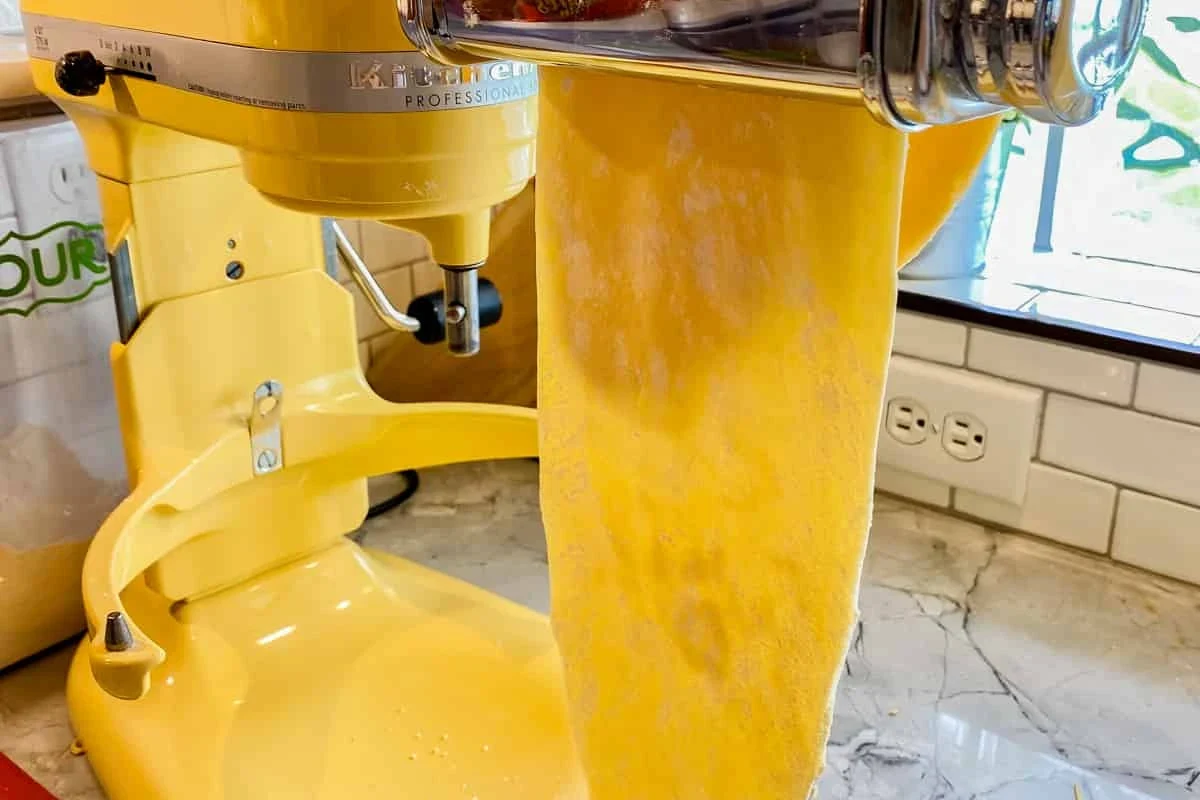
Fresh pasta shows up in more places than many shoppers expect. You can find it in neighborhood shops, big grocery chains, and online stores that ship chilled pasta to your door.
The best source depends on what matters most to you. Some people want the highest flavor. Others want convenience, price, or special shapes.
Local Italian Markets and Specialty Food Shops
Local Italian markets are often the first place to check. These shops usually focus on pasta, sauces, cheeses, and other foods that go with it.
That focus can help you find better variety. You may see stuffed pasta, egg pasta, and seasonal shapes that are hard to find elsewhere.
Specialty shops also tend to rotate stock often. That can help if you want pasta with a more recent pack date.
Ask when the pasta was made or delivered. A busy shop often has fresher stock and better turnover.
These shops can be a great choice for special meals. They’re also useful if you want advice on sauce pairings or cooking time.
In short: specialty shops are a strong pick when taste and freshness matter most.
Grocery Store Fresh Pasta Sections
Most large grocery stores now carry fresh pasta in the refrigerated case. You’ll usually find it near the deli, cheese section, or fresh ravioli.
This is the easiest option for many home cooks. It’s convenient, familiar, and often close to other dinner ingredients.
Still, grocery store pasta can vary a lot. Some brands are excellent. Others may sit on the shelf longer than you’d like.
Store layout varies by chain and region. Fresh pasta may also be in a chilled pasta case near prepared foods.
When shopping here, check the date and the package seal. Also look for pasta that feels cold and looks well kept.
In short: grocery stores are the easiest place to find fresh pasta for weeknight meals.
Online Pasta Shops and Direct-to-Consumer Brands
Online pasta shops can be a smart choice if you want a wider selection. Some brands sell ravioli, tortellini, filled pastas, and specialty doughs.
Direct-to-consumer brands often ship chilled or frozen pasta. That can be helpful if your local stores have limited options.
The trade-off is simple. You may get better variety, but shipping adds cost and timing matters more.
Follow the seller’s storage and delivery instructions right away. Chilled foods need careful handling when they arrive.
Online buying works best when you plan ahead. It’s a good fit for holidays, gifts, and special dinners.
In short: online shops are best when you want variety and don’t mind waiting for delivery.
Restaurants, Delis, and Pasta Counters
Some restaurants and delis sell fresh pasta from a counter or takeout case. This can be a great hidden option if you have a favorite local spot.
These places often make smaller batches. That can mean better texture and a more handmade feel.
But the selection may be limited. You might only find a few shapes or fillings each day.
Fresh pasta usually cooks much faster than dry pasta because it already contains more moisture.
If you buy from a deli or restaurant, ask how it should be stored and used. That small step can save a good pasta from going bad too soon.
In short: deli and restaurant counters can offer great flavor, but stock may change daily.
How to Tell Fresh Pasta From Dry Pasta
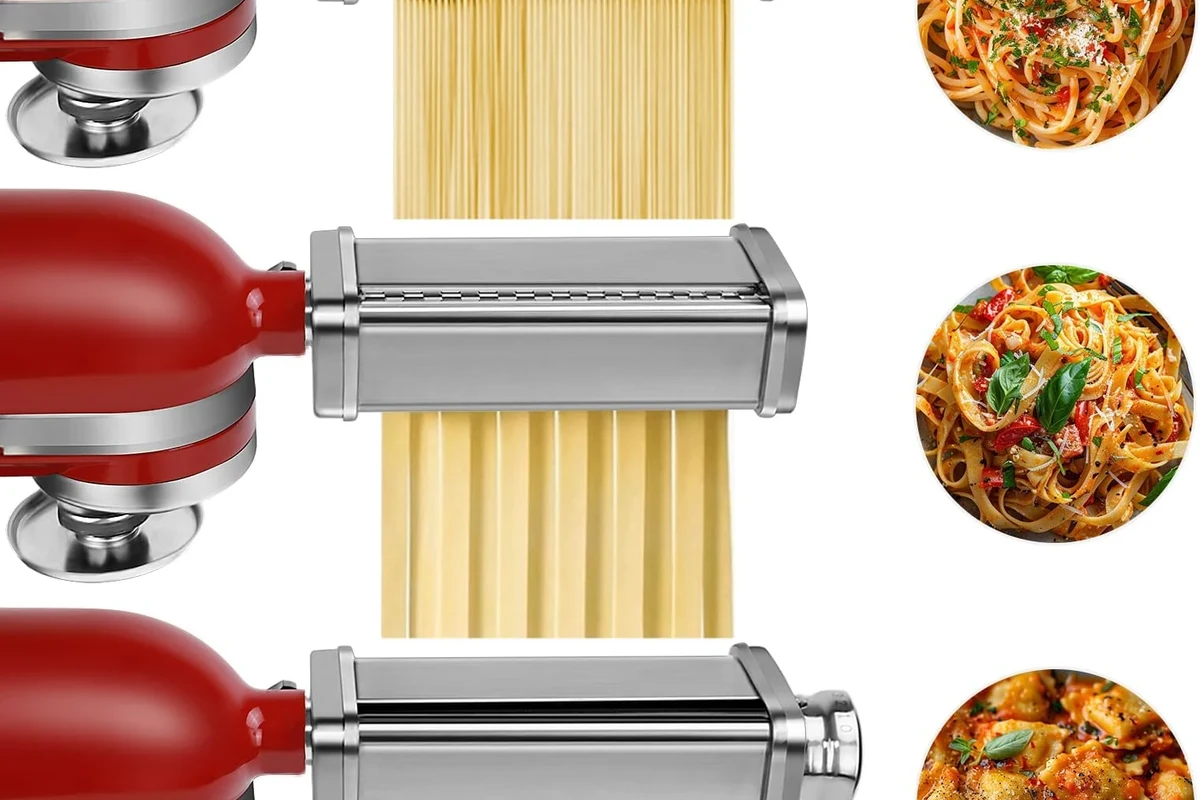
Fresh pasta and dry pasta are not the same product. They look different, feel different, and cook in different ways.
Knowing the difference helps you shop with confidence. It also helps you store and cook the pasta the right way.
Texture, Color, and Smell
Fresh pasta usually feels soft and a little springy. It may look pale yellow, cream colored, or lightly dusted with flour.
Dry pasta feels firm and brittle. It often has a more even shape and a harder surface.
Fresh pasta should smell clean and mild. If it smells sour, sharp, or off, skip it.
Ingredients to Look For on the Label
Fresh pasta often uses flour, eggs, water, and salt. Some versions also include spinach, tomato, squid ink, or other flavoring.
Filled pasta may list cheese, meat, vegetables, or herbs in the filling. Always read the full ingredient list if you have allergies.
Some fresh pasta is refrigerated. Some is frozen. Some is shelf stable, but that’s less common for true fresh pasta.
What Fresh Pasta Should Feel Like
Fresh pasta should feel moist, but not wet or sticky. It should hold its shape without cracking apart.
If the package is puffed, torn, or leaking, that’s a bad sign. If the pasta feels slimy, don’t use it.
- Check the date and storage case temperature
- Read the ingredient list and allergen notes
- Look for a clean seal and good texture
What Makes Fresh Pasta Worth Buying
Fresh pasta is worth it when you want a softer bite and a richer taste. It can make a simple dinner feel special without much work.
It’s not always the best choice for every dish. But for many home cooks, it brings easy comfort and good flavor.
Better Taste and Texture
Fresh pasta has a tender bite that many people love. It can feel richer and more delicate than dry pasta.
That makes it a great match for simple sauces. Butter, olive oil, cream, and light tomato sauces often work well.
Heavier sauces can also work, but the pasta shape matters. Thin pasta needs a lighter touch, while stuffed pasta can handle more sauce.
Shorter Cooking Time
Fresh pasta cooks fast. That makes it helpful on busy nights when dinner needs to come together quickly.
Because it cooks so fast, it’s easier to overcook. Keep an eye on the pot and taste early.
- Salt the water well before adding the pasta
- Check doneness a little early
- Save some pasta water for the sauce
Best Uses for Fresh Pasta at Home
Fresh pasta works well for weeknight dinners, date-night meals, and simple family meals. It also shines in dishes where the pasta itself is the star.
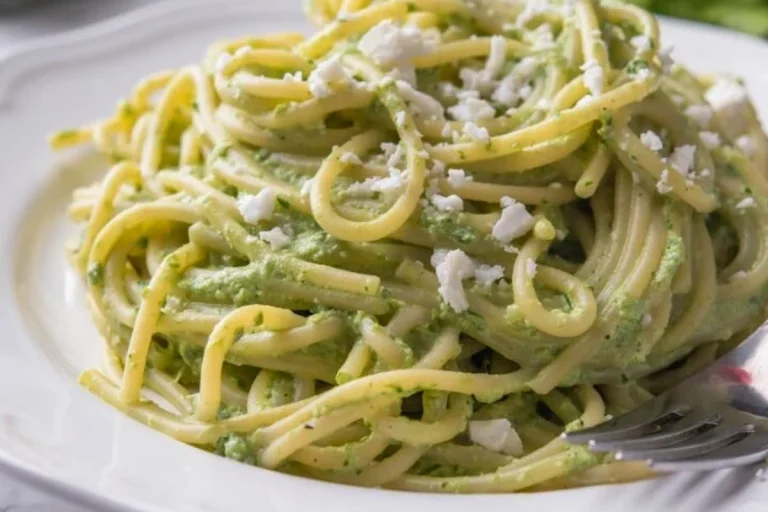
Try it with browned butter, pesto, light cream sauce, or a simple tomato sauce. Stuffed pasta is also great with just a little sauce and grated cheese.
How to Choose the Best Fresh Pasta
The best fresh pasta is the one that fits your meal, budget, and storage plan. A fancy package is not always the best buy.
Focus on freshness, shape, filling, and how you plan to serve it.
Freshness Date and Packaging
Always check the use-by or sell-by date. Fresh pasta has a shorter life than dry pasta, so date checking matters a lot.
Choose packages that look cold, sealed, and clean. If the package is damaged or swollen, leave it on the shelf.
Fillings, Sauces, and Pasta Shape
Match the pasta to the sauce. Thin noodles work well with light sauces. Stuffed pasta pairs well with simple butter or cream sauces.
Hearty shapes can hold thicker sauces better. If you’re unsure, choose a shape that fits the meal you make most often.
Organic, Handmade, and Store-Bought Options
Organic pasta may matter if you prefer certain ingredients. Handmade pasta may offer a more rustic texture and a more local feel.
Store-bought pasta can still be excellent. The best choice depends on your budget, your taste, and how much convenience you want.
Handmade does not always mean better. It just means different, and often more expensive.
Price, Portion Size, and Value
Fresh pasta often costs more than dry pasta. That’s normal because it needs refrigeration, faster turnover, and faster use.
Value depends on how many people you’re feeding and how much you’ll serve. A small package may be perfect for two people, but not for a big family.
Fresh Pasta Buying Mistakes to Avoid
A few simple mistakes can ruin a good pasta purchase. The good news is that they’re easy to avoid once you know what to watch for.
Buying Without Checking the Date
Fresh pasta has a short shelf life. Buying an old package can lead to weak texture or spoilage.
Always check the date before you put it in your cart. If the date is too close for your plans, choose another package.
Choosing the Wrong Shape for the Sauce
Some shoppers buy pasta based only on looks. That can lead to a bad match with the sauce.
Thin pasta can get lost under a heavy sauce. Thick or stuffed pasta can feel too rich with a very light sauce.
Ignoring Storage Instructions
Fresh pasta may need refrigeration or freezing. Don’t assume it can sit in the pantry like dry pasta.
Follow the package directions as soon as you get home. That helps protect both taste and food safety.
Overlooking Allergens and Ingredients
Fresh pasta often contains eggs, wheat, dairy, or other common allergens. Filled pasta may also contain nuts, soy, or meat.
Read the label carefully if you cook for someone with allergies. When in doubt, choose a clearly labeled product.
How to Store and Handle Fresh Pasta Safely
Fresh pasta needs a little more care than dry pasta. Good storage keeps it safe and helps it taste better.
Use the package instructions first. If the label says something different, follow that.
Refrigerated Pasta Storage Tips
Keep refrigerated pasta cold until you’re ready to cook it. Put it in the fridge as soon as you get home.
Store it in the coldest safe part of the refrigerator. Avoid leaving it out on the counter for long periods.
Freezing Fresh Pasta for Later
Some fresh pasta freezes well, but not all types do. Filled pasta and shaped pasta often freeze better than very soft noodles.
Freeze it before the use-by date if the label allows it. Use airtight packaging to help prevent freezer damage.
If fresh pasta smells bad, feels slimy, or shows mold, throw it away. Don’t taste it to check.
When to Throw It Away
Throw out fresh pasta if the package is damaged, the smell is off, or the texture looks wrong. Also discard it if it stayed warm too long.
When food safety is in doubt, it’s better to toss it. That’s especially true with egg-based or filled pasta.
Best Fresh Pasta Options by Shopper Type
Different shoppers need different things. The right pasta for a busy parent may not be the right pasta for a dinner party.
Best for Quick Weeknight Meals
Choose grocery store fresh pasta or a trusted local market. These are easy to find and fast to cook.
Look for simple shapes and short ingredient lists. That keeps dinner easy from start to finish.
Best for Premium Taste
Choose a specialty Italian market, handmade pasta shop, or a top online brand. These often offer better texture and more interesting shapes.
They’re a smart pick when the pasta is the main event. Think Sunday dinner, guests, or a quiet night in.
Best for Budget Shoppers
Look at grocery store fresh pasta first. It often gives you solid quality without a big price jump.
Watch the date and compare package sizes. A good deal is only good if you’ll use it in time.
Best for Gift Giving or Special Dinners
Specialty shops and direct-to-consumer brands are often the best fit here. They can offer nicer packaging and more unique choices.
Fresh pasta can make a thoughtful gift for a food lover. Just make sure the delivery timing and storage plan are clear.
Final Recommendation: Where Red Kitchen Project Suggests You Buy Fresh Pasta
If you want the best all-around answer, start with a good local Italian market or specialty food shop. That’s often the best mix of freshness, taste, and helpful staff.
If convenience matters most, a grocery store fresh pasta section is the easiest choice. If you want special shapes or top-tier variety, online pasta shops are worth a look.
Best Overall Choice
Local Italian markets and specialty shops are the best overall choice for most people. They usually offer strong freshness, good selection, and better guidance.
Best Value Choice
Grocery store fresh pasta is the best value for everyday cooking. It’s easy to find, easy to use, and often good enough for a fast dinner.
Best Choice for the Highest Quality
For the highest quality, choose a trusted specialty pasta maker or a well-reviewed online brand. Look for clear dates, careful shipping, and a pasta shape that fits your sauce.
- Buy fresh pasta where turnover is high and dates are clear.
- Match the shape to the sauce for the best result.
- Store it cold and use it before it loses quality.
Frequently Asked Questions
Local Italian markets and specialty food shops are often the best place to start. They usually have better turnover, more variety, and fresher stock.
Yes, many grocery stores carry fresh pasta in the refrigerated section. Check the date, seal, and storage case before you buy.
It should smell clean, feel moist but not slimy, and look well sealed. If it smells sour or the package looks damaged, don’t use it.
It can be worth it if you want more variety or a special shape. Just make sure the seller uses safe chilled shipping and clear storage instructions.
Check the use-by date, ingredient list, and allergen notes. Fresh pasta often contains eggs, wheat, and sometimes dairy or other allergens.
Keep it cold right away and follow the package directions. Some fresh pasta can be frozen, but not every type freezes well.