How Many Cups of Water for Pasta for Perfect Results

Start with about 4 to 6 cups of water for one serving of pasta. Use more water for larger batches and long noodles so they can move freely.
If you want a simple answer, start with about 4 to 6 cups of water for every 2 ounces of dry pasta. For a full pot, many cooks use 6 to 8 quarts of water for 1 pound of pasta, but the best amount can change by shape and pot size.
- Small batches: About 4 to 6 cups of water usually works well.
- Long pasta: Spaghetti and linguine need extra room in the pot.
- Better flavor: Salt the water after it boils.
- Better texture: Stir early and taste near the end.
How Many Cups of Water for Pasta: The Quick Answer
The short answer is this. Use enough water to fully cover the pasta and give it room to move. For most home cooks, that means a large pot with several cups of water, not a tiny splash.
For one or two servings, 4 to 6 cups of water often works well for long pasta. For a larger batch, 8 to 12 cups is a more common range. If you cook a full pound, many recipes call for even more.
Why the right water amount matters
Water does more than stop pasta from sticking. It helps the starch spread out, keeps the boil steady, and gives the pasta space to cook evenly.
Too little water can make pasta clump and cook unevenly. Too much water is not dangerous, but it can take longer to boil and waste energy.
The best water amount depends on the pasta shape, pot size, and how much pasta you cook at once.
Standard cup amounts for dry pasta shapes
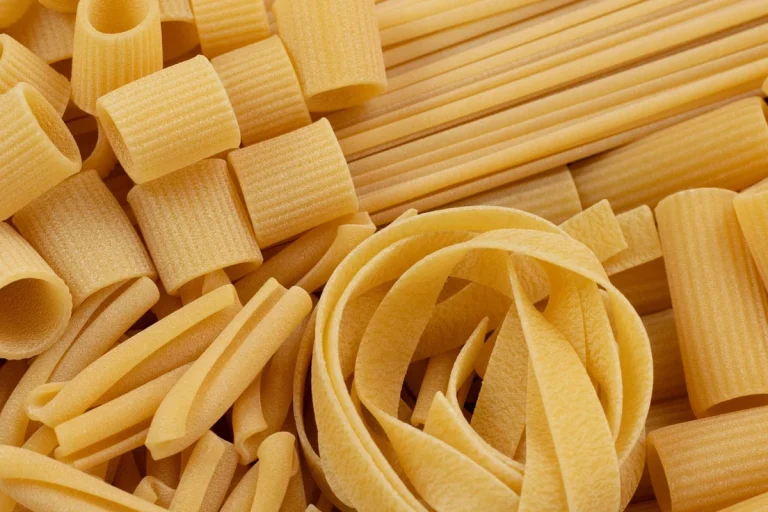
Dry pasta shapes vary a lot. Long noodles need room to soften and sink. Short shapes can cook well in a bit less water, as long as the pot is large enough.
- Spaghetti or linguine: about 6 to 8 cups for small batches.
- Penne or rotini: about 5 to 7 cups for small batches.
- Shells or elbows: about 5 to 7 cups for small batches.
- One serving of dry pasta: often 4 to 6 cups of water.
These are practical kitchen ranges, not hard rules. Package directions still matter, especially for specialty pasta.
When to use more or less water
Use more water when you cook a large batch or thick pasta. Use less water when your pot is smaller, but never crowd the pasta.
Fresh pasta often needs less time and sometimes less water. Gluten-free pasta can need extra care, since it may break more easily.
If the pasta sticks together, the pot is usually too crowded or the water is not moving enough.
How Pasta Cooking Works
Pasta cooks in hot water because heat moves into the dough and softens the starch. The water also carries heat around the pasta, so each piece cooks at a similar pace.
That is why a rolling boil matters. A strong boil helps the pasta stay in motion and cook more evenly.
What water does during boiling
Boiling water keeps the pasta from sitting still. It also helps the starch leave the surface and thicken the sauce later.
When the water is too low, the temperature can drop fast after you add pasta. That can lead to gummy or uneven results.
Why pasta needs room to move
Pasta needs space so the pieces do not glue together. Movement also helps long noodles stay separate.
Think of it like washing a few dishes in a sink. If everything is packed in tight, nothing moves well.
Salted pasta water can help season the pasta from the inside as it cooks.
How salt changes the final result
Salt does not change how much water you need, but it changes the taste. It makes plain pasta taste fuller and helps the final dish feel balanced.
Add salt after the water boils. That helps it dissolve fast and keeps the boil more stable.
Water-to-Pasta Ratios by Pasta Type
There is no single perfect ratio for every shape. Still, a few simple ranges work well for most home kitchens.
Long pasta like spaghetti and linguine
Long pasta needs the most room. Use a wide pot and enough water to let the noodles slide around.
A good starting point is 6 to 8 cups of water for a small amount of long pasta. If you cook a larger portion, increase the water so the noodles do not bend and clump.
Short pasta like penne, rotini, and shells
Short pasta is easier to fit in a pot. It still needs plenty of water, but it does not need quite as much space as spaghetti.
For small batches, 5 to 7 cups often works well. Stir once or twice early in cooking to keep pieces from sticking.
Fresh pasta versus dried pasta
Fresh pasta cooks faster than dried pasta. It is softer, so it needs less time in the pot.
Dried pasta usually needs more water and more time. It holds its shape better, which makes it the usual choice for weeknight meals and meal prep.
Should fresh pasta use the same water amount as dried pasta?
Usually, yes, or close to it. The bigger difference is cooking time, not the water amount.
Gluten-free pasta and special cases
Gluten-free pasta can break more easily. Some brands also release more starch into the water.
Use a large pot, stir gently, and watch the texture closely. If the package gives a special ratio, follow that first.
Step-by-Step Method for Measuring Water
Measuring water is simple once you use the same process each time. A measuring cup and a pot with enough depth make a big difference.
Decide how much dry pasta you want to cook.
Pick a pot that leaves extra room above the water line.
Use enough water to cover the pasta and allow movement.
Add salt once the water is hot and moving well.
How to measure cups for one serving
For one serving, start with about 4 to 6 cups of water. That gives the pasta enough room without filling the pot too high.
If you use a very small saucepan, watch closely. Water can boil over fast when pasta goes in.
How to scale up for family meals
For two to four servings, use a bigger pot and more water. A crowded pot can slow the boil and make the pasta stick.
If you double the pasta, do not keep the water the same. Add more water so the pot stays hot and the noodles can move freely.
How to adjust for pot size and heat
A wide pot can hold more pasta without crowding. A deep pot helps reduce splashes and boil-overs.
Gas, electric, and induction cooktops can all heat a pot a little differently. If the boil drops too much after adding pasta, wait for it to return before timing the cook.
Common Mistakes That Affect Pasta Results
Most pasta problems come from simple setup mistakes. The good news is that they are easy to fix next time.
Using too little water
Too little water makes pasta stick and cook unevenly. It can also turn the water very starchy too fast.
If this happens, add more hot water if needed and stir gently. For the next batch, use a larger pot.
Using too much water
Too much water is usually not a flavor problem. It just takes longer to boil and can waste energy.
If you want a better balance, use a pot that matches the batch size. That helps the water return to a boil faster.
Skipping salt or stirring at the wrong time
Skipping salt leaves pasta tasting flat. Stirring too late can let noodles stick at the bottom.
Stir within the first minute or two after adding pasta. Then stir again as needed during cooking.
Pasta sticks in one big clump.
Use a larger pot, more water, and an early stir.
Guessing instead of measuring
Guessing works sometimes, but it often leads to weak results. Measuring gives you a repeatable starting point.
Once you learn your favorite pot and pasta brand, you can adjust with confidence.
How to Tell When Pasta Is Done
Do not rely on the clock alone. Pasta brands, shape, and heat level all change the timing.
Checking texture with a bite test
Take out one piece and bite it. It should feel tender but still have a little bite in the center.
If it feels chalky or hard, give it more time. If it feels mushy, it has gone too far.
Watching for overcooked pasta
Overcooked pasta gets soft and starts to lose shape. It can also turn dull and sticky.
Check it a minute or two before the package says it should be done. That gives you more control.
Saving pasta water for sauce
Save a cup of pasta water before draining. The starch helps sauce cling to the noodles.
Use only a little at a time. You want a silky sauce, not a watery one.
Reserve pasta water before you drain. It is one of the easiest ways to improve a simple sauce.
Best Practices, Safety, and Cleanup
Boiling pasta is simple, but hot water can still cause burns and spills. A careful setup makes cooking easier and safer.
Boiling water safety tips
Keep the pot handle turned inward. That lowers the chance of bumping it while you cook.
Use oven mitts or a dry towel when lifting a hot pot. Steam can burn faster than boiling water.
Hot water and steam can cause serious burns. Keep children away from the stove and follow your cookware and cooktop instructions.
Preventing boil-overs and spills
Use a pot with enough headroom. Pasta water can foam up fast after the noodles go in.
Lower the heat a little if the boil gets too wild. A steady boil is better than a messy one.
Easy cleanup after cooking pasta
Drain the pasta in a sink-safe colander. Rinse the pot soon after use so starch does not dry on the sides.
If starch sticks, soak the pot in warm water for a few minutes. That usually makes cleanup much easier.
Final Recommendation for Perfect Pasta Every Time
The simplest rule is this. Use enough water to cover the pasta well and let it move freely. For many home cooks, that means about 4 to 6 cups for a small serving and more for larger batches.
Trust the package when you cook a new brand or shape. Adjust when your pot is too small, your batch is larger, or the pasta type needs special care.
The simplest water rule to remember
Start with plenty of water, a large pot, and a strong boil. That gives you the best chance at even cooking.
When to trust the package and when to adjust
Package directions are the best guide for timing. Your pot size and batch size decide whether you need more water.
Best overall approach for home cooks
Measure your pasta, use a roomy pot, salt the water, and stir early. That simple method works for most pasta nights.
- Use about 4 to 6 cups of water for a small pasta serving.
- Use more water for long pasta and larger batches.
- Salt the water, stir early, and check doneness by taste.
- Save a little pasta water for sauce before draining.
Frequently Asked Questions
For a small batch, start with about 4 to 6 cups of water for one serving. Larger batches need more water so the pasta can move freely.
Yes. Long pasta like spaghetti usually needs more room than short shapes like penne or rotini.
Add salt after the water starts boiling. It dissolves fast and helps keep the boil steady.
Taste a piece near the end of the cook time. It should be tender but still have a little bite in the center.
Yes. Save a cup before draining because the starch helps sauce cling to the pasta.
Use a larger pot, more water, and an early stir. Sticking often means the pot was too crowded.