How Many Cups Is 2 Oz of Cooked Pasta Easy Guide

Two ounces of cooked pasta is usually about 1/2 cup. The exact amount can vary a little by pasta shape and sauce.
If you’re asking how many cups is 2 oz of cooked pasta, the short answer is usually about 1/2 cup. That said, the exact amount can shift a little based on pasta shape, size, and how tightly it sits in the cup.
- Quick rule: 2 ounces of cooked pasta is usually about 1/2 cup.
- Shape matters: Long, short, and small pasta measure a little differently.
- Best accuracy: Use a kitchen scale when portions must be exact.
- Measure loose: Do not pack pasta into the cup.
- Watch the sauce: Sauce adds weight and changes the final serving.
How Many Cups Is 2 Oz of Cooked Pasta? Quick Answer and Simple Rule
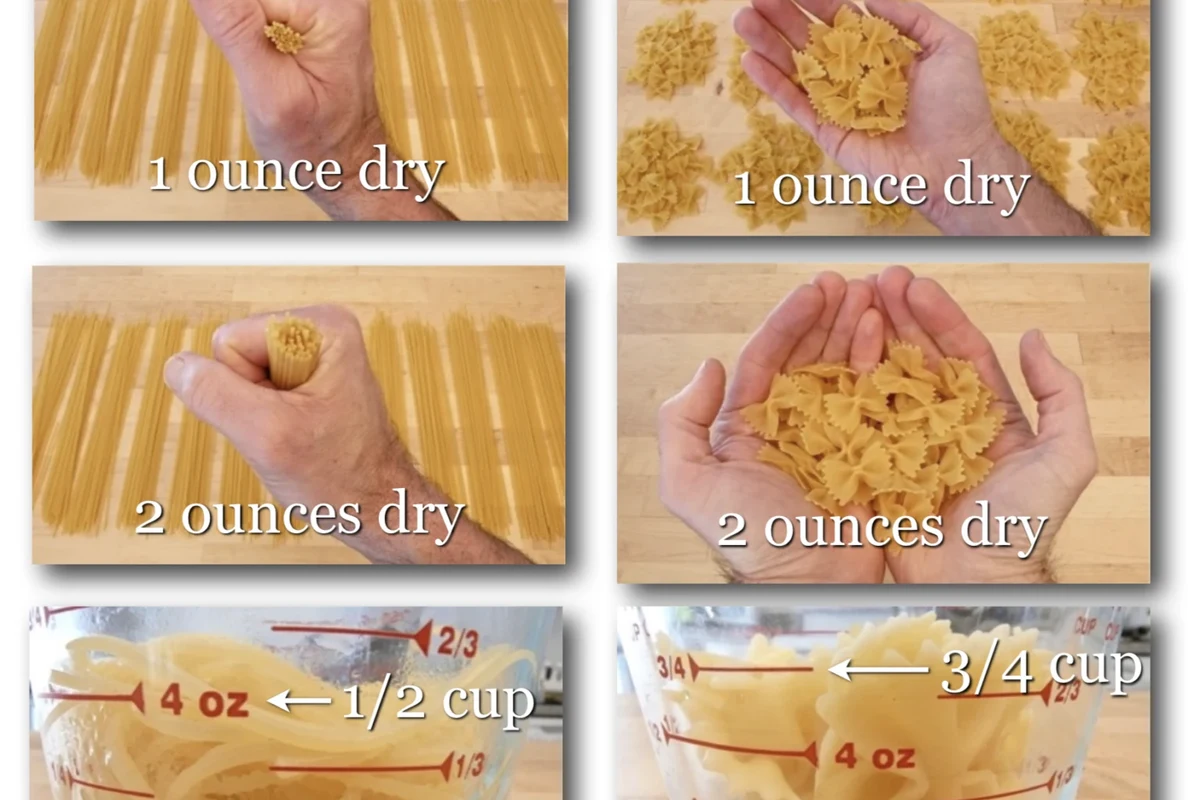
For most cooked pasta, 2 ounces equals about 1/2 cup. This is the best quick rule for everyday cooking, meal prep, and portion checks.
Still, pasta is not one-size-fits-all. Long noodles, small shapes, and sauce all change how much fits in a measuring cup.
The short answer for most pasta shapes
Most cooked pasta shapes land close to 1/2 cup for 2 ounces. Think of it as a useful estimate, not an exact lab measurement.
If you need a fast answer for dinner, 1/2 cup is the number to remember.
Why the answer changes by pasta type
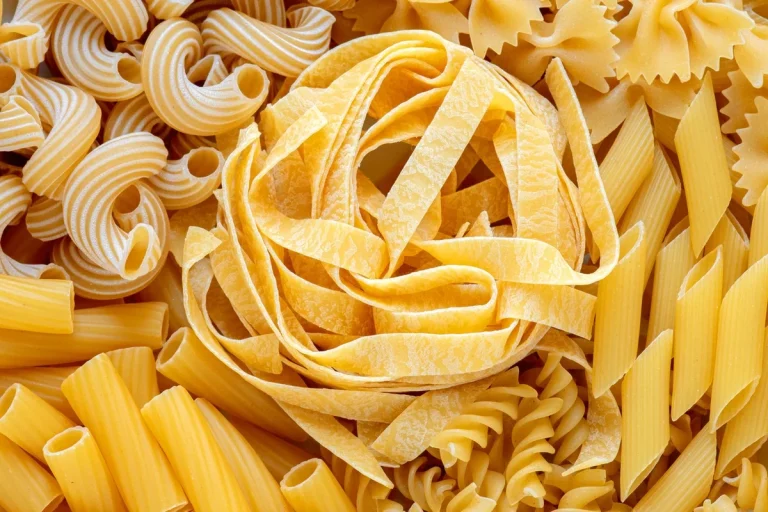
Pasta shape changes how much air stays between the pieces. Twists and tubes trap more space than smooth noodles.
That means 2 ounces of one pasta can look fuller than 2 ounces of another.
Portion size can also change after draining, resting, or tossing with sauce.
What 2 Ounces of Cooked Pasta Looks Like in Real Life
Two ounces of cooked pasta is a small serving. It often looks like a modest scoop, not a full bowl.
In many homes, it fits in one hand or fills a small measuring cup partway.
Visual cues you can use at home
Use your eyes when you do not have a scale nearby. A 2-ounce portion usually looks like a small side serving.
For long pasta, it may look like a loose nest. For short pasta, it may look like a shallow cupful.
How shape and size change the cup count
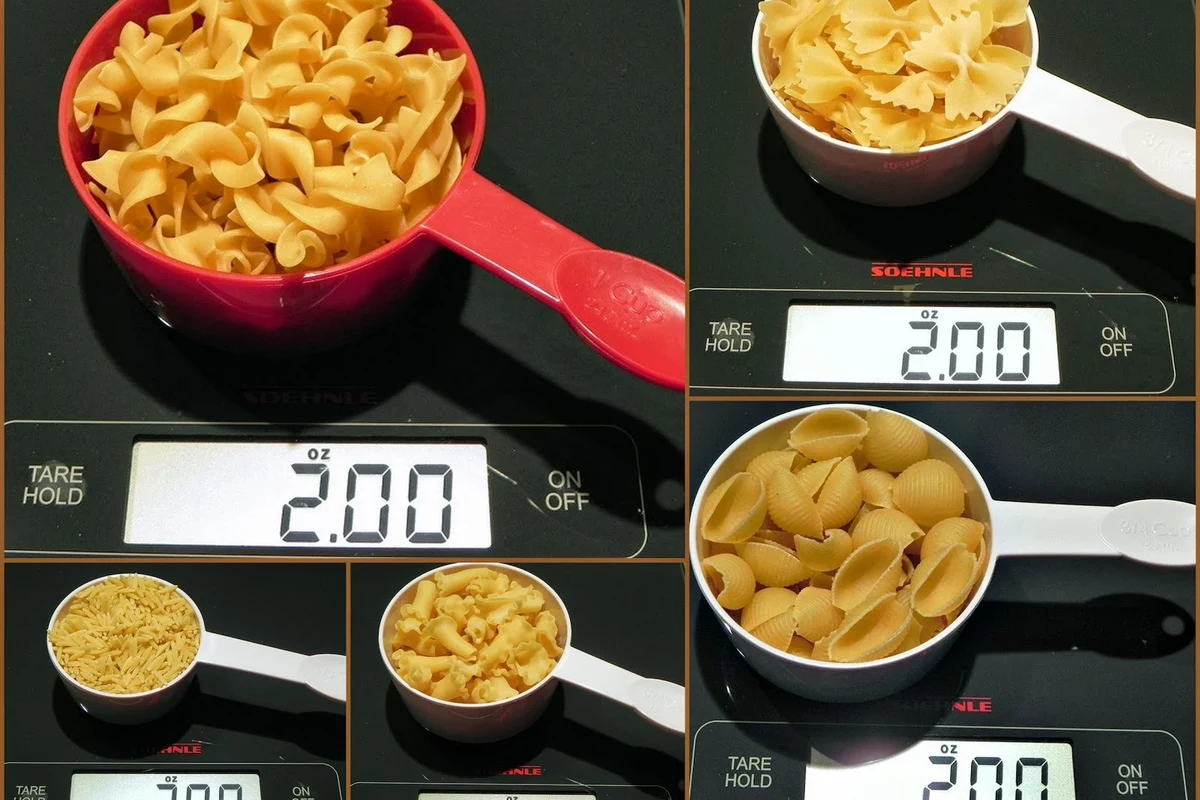
Small shapes settle tightly and leave less air. Large shapes leave more gaps and can look bigger in the cup.
That is why the same weight can look different from one pasta type to the next.
Cooked pasta often looks much larger than dry pasta because it absorbs water during cooking.
Cooked Pasta vs Dry Pasta: Why the Numbers Are Different
Dry pasta and cooked pasta do not measure the same way. Water changes both the weight and the volume.
That is why a recipe may list dry ounces, while your serving bowl holds cooked cups.
How pasta absorbs water during cooking
As pasta cooks, it soaks up water and gets heavier. It also becomes softer and takes up more space.
This swelling is normal. It is the main reason cooked pasta measurements can feel confusing.
Why dry weight is easier to measure
Dry weight gives a cleaner, more repeatable number. It does not depend as much on shape, sauce, or how long the pasta sat after draining.
That makes dry ounces the better choice for recipe math and batch cooking.
Always check whether a recipe means dry ounces or cooked ounces. The two are not the same.
Common Pasta Types and Their Cup Estimates
These estimates help you picture 2 ounces of cooked pasta at home. They are close enough for most everyday cooking.
Remember, the exact amount can still vary by brand and shape.
Spaghetti and other long pasta
Long pasta like spaghetti, linguine, and fettuccine often measures near 1/2 cup for 2 ounces cooked.
If the noodles are loosely twirled, the cup may look a little fuller.
Short pasta like penne, rotini, and macaroni
Short pasta usually packs a bit more evenly in a cup. Two ounces cooked often lands around 1/2 cup here, too.
Rotini may look slightly bulkier because of its shape, while macaroni settles more tightly.
Small shapes and specialty pasta
Small shapes like orzo, ditalini, or tiny shells can sit more tightly in the cup. That can make 2 ounces look closer to a level 1/2 cup or slightly more compact.
Specialty pasta, like filled pasta or very wide ribbons, can vary more. In those cases, a scale gives you the best result.
| Option | Best For | Key Consideration |
|---|---|---|
| Spaghetti | Quick visual checks | Loose twirls change the cup count |
| Penne or rotini | Simple portioning | Shapes settle differently in the cup |
| Small pasta | Meal prep | Can pack more tightly |
How to Measure Cooked Pasta the Right Way
The best method depends on how exact you need to be. For family meals, a cup measure is fine.
For tracking portions, a kitchen scale is more accurate.
Using a measuring cup without packing it down
Spoon the pasta into the cup gently. Do not press it down.
Packing pasta makes the portion look larger than it really is.
Using a kitchen scale for better accuracy
A scale is the most reliable way to measure cooked pasta. It helps when you want the same portion every time.
Weigh the pasta after draining and before adding heavy sauce for the cleanest result.
How sauce can affect the final measurement
Sauce adds weight and volume. Thick sauce can make a small serving look much bigger.
If you want to track pasta alone, measure it before sauce goes on.
- Use a scale for accuracy and cups for speed.
- Measure pasta before heavy sauce when tracking portions.
- Keep your cup loose, level, and unpressed.
Why This Measurement Matters for Meal Prep and Portion Control
Knowing the cup count helps with meal prep, family dinners, and recipe planning. It also makes it easier to keep servings steady.
That matters when you cook for one person or for a full table.
Better serving sizes for kids and adults
Kids often need smaller portions than adults. A 2-ounce cooked serving can work well as a side dish or light meal base.
Adults may want more, especially if pasta is the main dish.
Helpful for calories, macros, and recipe planning
If you track calories or macros, portion size matters a lot. A cup estimate helps when you do not want to weigh every meal.
It also helps when you batch cook pasta for lunches and want each container to match.
Common Mistakes When Measuring Cooked Pasta
Most pasta measuring mistakes come from mixing up weight, volume, and sauce. A few simple habits can fix that fast.
Once you know the common traps, portioning gets much easier.
Confusing dry ounces with cooked ounces
This is the biggest mistake. Two ounces dry pasta is not the same as 2 ounces cooked pasta.
Dry pasta usually grows a lot during cooking, so the final cup count changes too.
Overfilling the cup or compressing the pasta
Do not stuff pasta into the cup. That makes the serving too dense.
Instead, let it fall in naturally and level it off lightly.
Ignoring shape differences and extra sauce
Shape changes the way pasta sits in a cup. Sauce also changes the final look and feel.
If you ignore both, your portion estimate can drift pretty far.
- Measure cooked pasta loosely and level it off.
- Use a scale when you need exact portions.
- Check whether the recipe means dry or cooked weight.
- Do not pack pasta into the cup.
- Do not assume all pasta shapes measure the same.
- Do not mix sauce weight with plain pasta weight.
Best Practical Takeaway for Home Cooks
If you just need a quick answer, use 1/2 cup as the usual estimate for 2 ounces of cooked pasta. It works well for most common shapes.
If you want better accuracy, use a kitchen scale. That is the safest way to keep portions steady for recipes and meal prep.
When to use cups, scales, or a visual estimate
Use cups when you are serving dinner and speed matters. Use a scale when you track portions or repeat the same recipe often.
Use a visual estimate when you just need a rough side dish amount.
Final recommendation for fast and accurate results
For everyday cooking, remember this simple rule: 2 ounces of cooked pasta is usually about 1/2 cup. If the pasta shape is unusual, or if sauce is involved, expect some variation.
That balance of speed and flexibility is usually enough for home kitchens.
- 2 ounces of cooked pasta is usually about 1/2 cup.
- Pasta shape, size, and sauce can change the cup count.
- A scale gives the best accuracy for meal prep.
- Measure loosely and avoid packing pasta into the cup.
Frequently Asked Questions
For most pasta, 2 ounces of cooked pasta is about 1/2 cup. The exact amount can shift a little based on shape and size.
Yes. Long noodles, short tubes, and tiny shapes all sit in a cup differently. That changes the visual volume even when the weight stays the same.
No, they are not the same. Dry pasta absorbs water while cooking, so the cooked amount looks and weighs different.
A kitchen scale gives the most accurate result. Measuring cups work well when you need a fast estimate.
Measure before sauce if you want the pasta portion only. Sauce adds weight and can make the serving look much larger.
Cooking time, draining, pasta shape, and resting time all change the final look. Small differences can make the same weight seem a little larger or smaller.