How to Microwave Dry Pasta with Sauce Fast and Easy

Yes, you can microwave dry pasta with sauce in one bowl if you use enough liquid and stir often. Short pasta shapes and a large microwave-safe bowl give the best results.
If you want a fast meal, you can microwave dry pasta with sauce in one bowl. It works best with small pasta shapes, enough liquid, and short heat bursts with stirring.
- Best pasta: Short shapes cook more evenly than long noodles.
- Best method: Use short bursts and stir between each round.
- Best bowl: Choose a large microwave-safe bowl with steam room.
- Best result: Add enough water so the pasta can absorb liquid.
How to Microwave Dry Pasta with Sauce: The Fast Answer

The short version is simple. Put dry pasta, sauce, and water in a large microwave-safe bowl. Cover it loosely, heat it in short bursts, and stir often until the pasta is tender.
This method is handy when you want dinner fast and do not want to wash a pot. It is not the best choice for every pasta shape or every sauce, though.
What this method can and cannot do
It can cook many small pasta shapes well enough for a quick meal. It can also warm the sauce at the same time, which saves steps.
It cannot match the texture of carefully boiled pasta on the stove. Long noodles, very thick sauces, and very large batches can turn out uneven.
Results vary by microwave wattage, bowl size, pasta shape, and sauce thickness. A stronger microwave often needs shorter bursts.
Who this guide is best for
This guide is best for students, busy parents, office cooks, and anyone with a small kitchen. It also helps if you only need one or two servings.
If you want a low-effort meal and can watch the bowl for a few minutes, this method can be a good fit.
Ingredients, Tools, and Pasta Types That Work Best

You do not need much. The key is choosing the right pasta, using enough liquid, and picking a bowl that gives the pasta room to move.
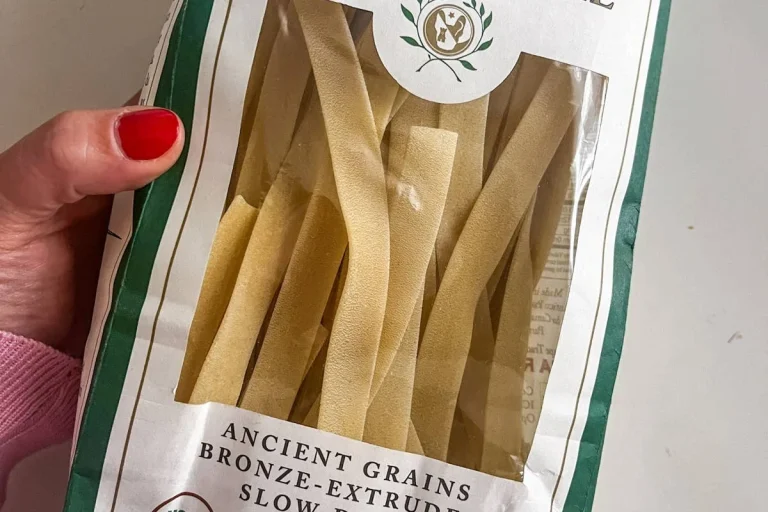
Best pasta shapes for the microwave
Small shapes work best. Think elbows, shells, rotini, penne, or small bow ties. These cook more evenly than long pasta.
Thicker or longer shapes can still work, but they need more stirring and more care. Very thin pasta can overcook fast.
- Choose short pasta for even cooking.
- Break long pasta only if needed.
- Keep the pieces similar in size.
Best sauces, water amounts, and bowl choices
Simple tomato sauce, marinara, or light meat sauce works well. Creamy sauces can work too, but they may thicken fast.
Use a large bowl, not a small one. The pasta needs space because the liquid can bubble up as it heats.
Pasta cooks as it absorbs water. That is why enough liquid matters more than a fancy sauce.
Step-by-Step Method for Cooking Dry Pasta with Sauce in the Microwave
Start with a simple ratio and adjust as needed. The goal is tender pasta with enough sauce left to coat it.
How much pasta and liquid to use
Use a single serving or two small servings at first. Add just enough water to mostly cover the pasta, then add sauce on top or mix it in.
A good starting point is about one cup of dry pasta for a personal bowl. Add enough water so the pasta can absorb it while cooking. If the sauce is thick, add a little extra water.
How to stir, cover, and heat in short bursts
Put the dry pasta in a large microwave-safe bowl. Add sauce and water, then stir well.
Use a loose lid or microwave cover. Leave room for steam to escape.
Microwave for a short time, then stir. Repeat until the pasta softens.
Stir from the bottom and edges. This helps prevent dry spots and sticky clumps.
Hot sauce and steam can burn fast. Open the bowl away from your face and hands.
How to check doneness and finish the dish
Test a piece of pasta near the center of the bowl. It should be tender, with only a slight bite if you like it that way.
If the bowl looks dry before the pasta is done, add a splash of water. If it looks too wet, heat a little longer with the lid off.
When the pasta is done, stir well and let it sit for one or two minutes. The sauce will thicken a bit as it rests.
Why This Method Works and When It Saves Time
This method works because the microwave heats the water and sauce together. The pasta absorbs the hot liquid while the sauce warms at the same time.
How microwave heat cooks pasta and sauce together
Microwaves heat food by making water molecules move. That means the liquid around the pasta gets hot and helps soften the noodles.
Stirring matters because microwaves can heat unevenly. A quick stir moves cooler pasta into the hotter liquid.
When this method is better than stovetop cooking
It can save time when you only need one bowl. It also helps when you want fewer dishes and do not want to watch a pot.
For dorm rooms, break rooms, and small apartments, it can be a very practical choice. It is also useful when you need a fast lunch, not a perfect pasta dinner.
Common Mistakes That Lead to Sticky or Undercooked Pasta
Most problems come from too little liquid, the wrong pasta shape, or too much heat at once. The fix is usually simple.
Using too little water or sauce
If there is not enough liquid, the pasta dries out before it softens. The bowl may look thick and pasty instead of saucy.
Add water in small splashes if needed. Stir well after each addition so the pasta cooks evenly.
The pasta stays hard in the center.
Add more hot water, stir, and heat again in short bursts.
Choosing the wrong container or pasta shape
A small bowl can cause boil-overs. A shallow bowl can also let liquid splash out.
Long noodles are harder to manage in the microwave. Short shapes usually cook more evenly and are easier to stir.
The bowl boils over or splatters.
Use a larger bowl and cover it loosely, not tightly.
Overheating without stirring
If you heat pasta too long without stirring, the bottom can get gummy while the top stays firm. That is one of the most common mistakes.
Short bursts work better than one long run. Stir after each round to move the heat around.
The pasta clumps together.
Break up the clumps right away and add a small splash of water.
Safety Tips, Cleanup, and Easy Maintenance
Microwave pasta is simple, but hot liquid deserves respect. A few small habits make it safer and easier to clean.
How to avoid boil-overs and hot spots
Use a bowl that is much larger than the food amount. This gives steam room to rise without spilling over.
Cover the bowl loosely. Tight covers can trap steam and make splatter worse.
Follow the appliance manual and stop using damaged equipment.
How to clean bowls, lids, and splatters fast
Soak the bowl in warm water soon after eating. That helps loosen dried sauce.
Wipe the microwave inside with a damp cloth after it cools. If sauce splattered on the lid, wash it right away so it does not stain.
Rinse the bowl, lid, and spoon right away.
Check the bowl for cracks, chips, or warping.
Cost, Convenience, and Final Recommendation
This method is less about fancy cooking and more about convenience. It can help you make a quick meal with tools you already have.
When microwave pasta is worth it
It is worth it when you want speed, fewer dishes, and a simple lunch or dinner. It also makes sense if your kitchen is small or shared.
If you use the right pasta and keep stirring, the results can be good enough for everyday eating.
When you should still use the stove
Use the stove when you want better texture, a bigger batch, or a more exact finish. It is also the better choice for delicate sauces and special meals.
My final recommendation is simple. Use the microwave for quick, small servings. Use the stove when texture matters most.
- Small pasta shapes work best in the microwave.
- Use enough water and stir often.
- Heat in short bursts to avoid sticky pasta.
- Choose a large bowl and cover it loosely.
- Use the stove when you want the best texture.
Frequently Asked Questions
Timing depends on the pasta shape, bowl size, and microwave power. Start with short bursts, stir often, and keep heating until the pasta is tender.
Short shapes like elbows, penne, rotini, and shells usually work best. Long noodles can be harder to stir and may cook unevenly.
Add enough water to mostly cover the pasta so it can absorb liquid while cooking. If the sauce is thick, add a little extra water as needed.
Taste a piece near the center of the bowl. It should be tender, and you can stop when it reaches your preferred bite.
Yes, if you cool the pasta quickly and refrigerate it in a covered container. Reheat it with a splash of water or sauce so it does not dry out.
Yes, if you use a microwave-safe bowl, leave room for steam, and handle hot liquid carefully. Follow your microwave manual and stop using damaged containers.