How Many Cups Is 8 Oz of Dry Pasta

Eight ounces of dry pasta is usually about 2 cups. The exact cup count changes a bit by pasta shape, so a scale is the most accurate tool.
If you’re asking how many cups is 8 oz of dry pasta, the short answer is usually about 2 cups. But the real answer changes with the pasta shape, so a scale gives you the best result.
- Quick answer: 8 ounces of dry pasta is usually about 2 cups.
- Shape matters: Long, short, and small pasta measure a little differently.
- Best tool: A kitchen scale gives the most accurate result.
- Good estimate: Measuring cups work fine for everyday cooking.
- Common mistake: Dry pasta and cooked pasta are not the same measure.
How Many Cups Is 8 Oz of Dry Pasta? The Quick Answer
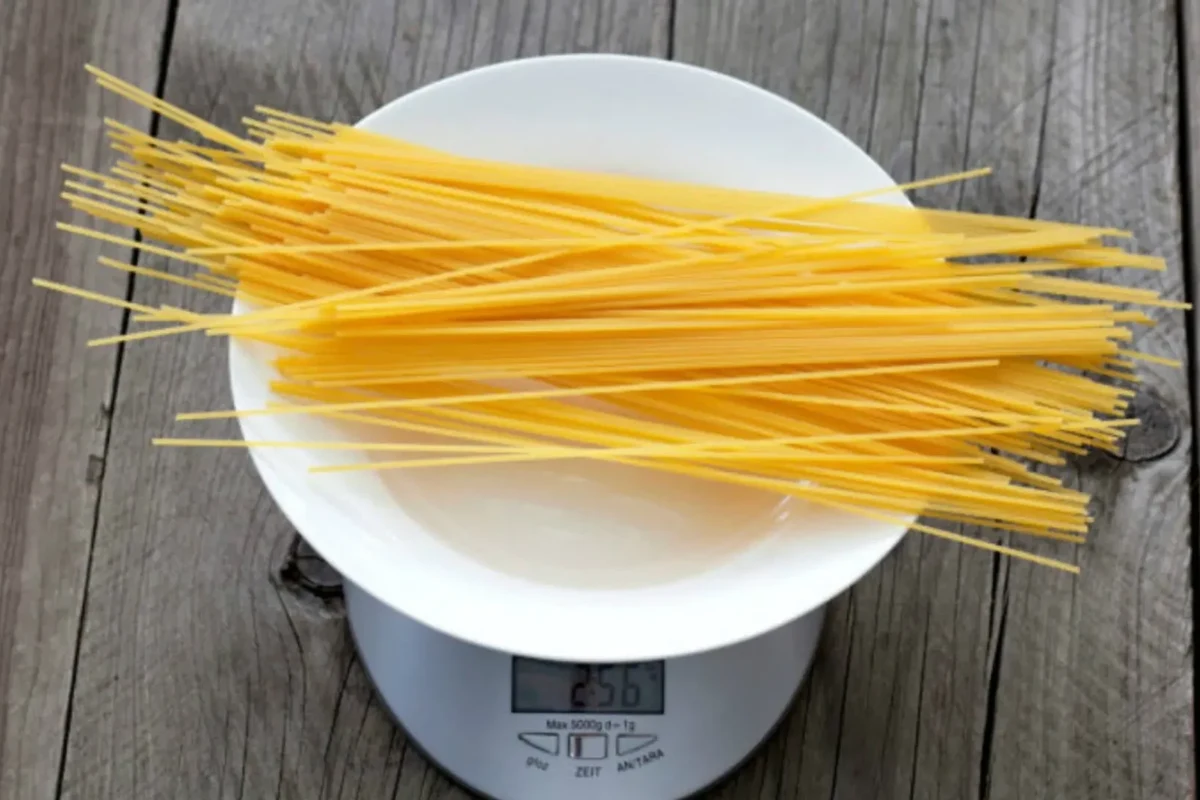
For many common pasta shapes, 8 ounces of dry pasta equals about 2 cups. That said, this is only a rough guide.
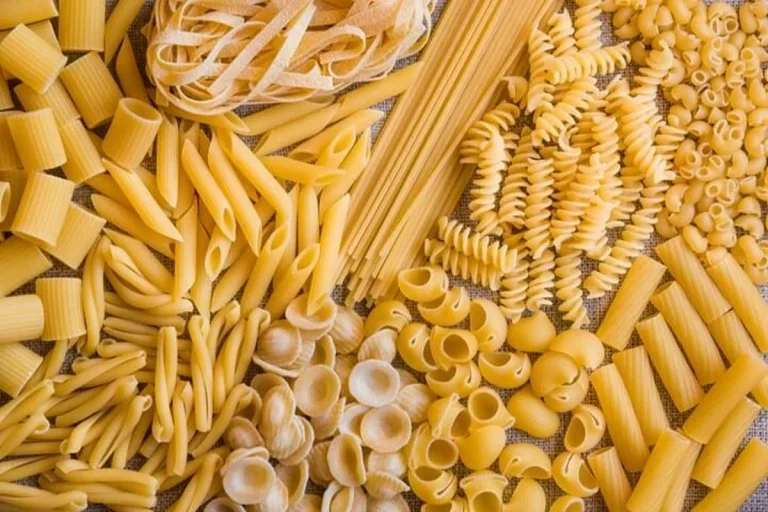
Long pasta, short pasta, and tiny pasta all fill a cup in different ways. So the same 8 ounces can look a little different from one box to the next.
Why the answer changes by pasta shape
Pasta shape affects how much air sits between the pieces. Spaghetti leaves more empty space than small elbows or shells.
That means one cup of spaghetti weighs less than one cup of dense, short pasta. In other words, volume and weight do not match perfectly.
Common cup ranges for spaghetti, penne, and macaroni
Here’s a simple rule of thumb for 8 ounces of dry pasta:
- Spaghetti or linguine: about 2 cups, sometimes a bit more or less.
- Penne or rotini: about 2 cups, often close to the standard estimate.
- Macaroni or elbows: about 2 cups, sometimes slightly less if packed loosely.
These ranges help when you do not have a scale. Still, a scale is more exact.
How Dry Pasta Weight and Volume Work
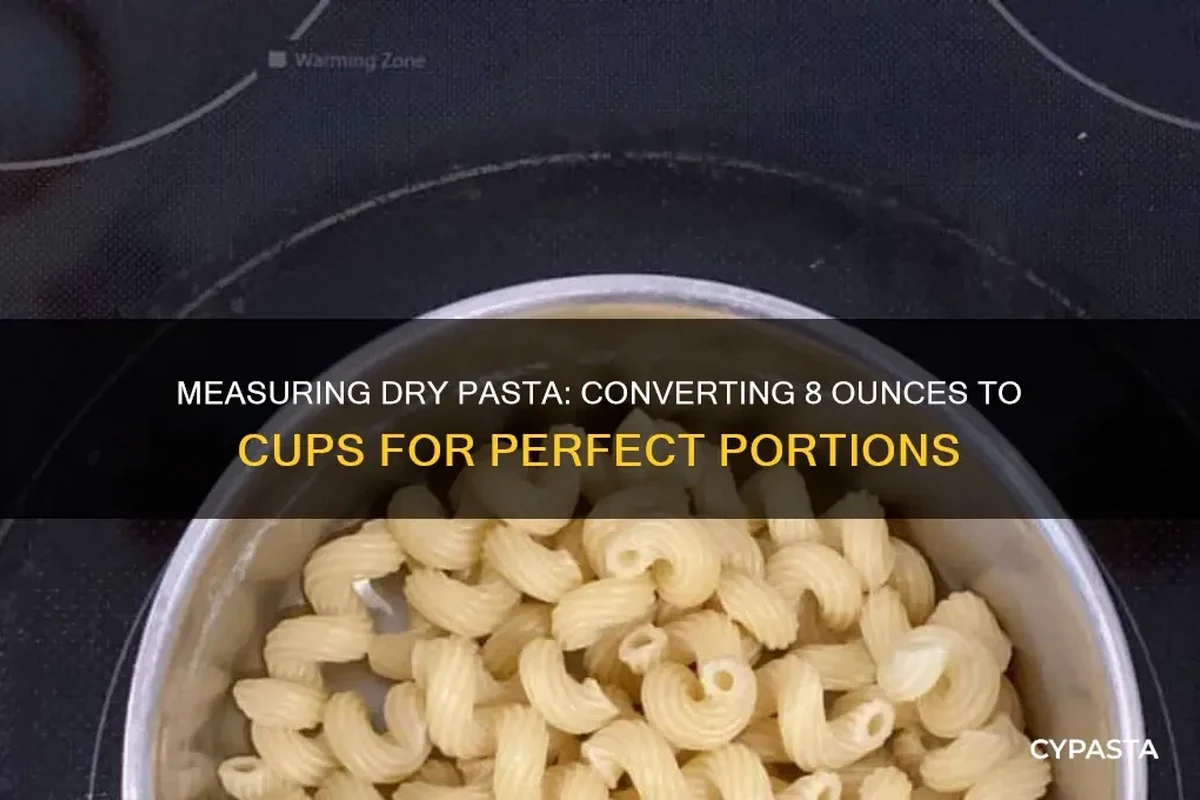
Dry pasta is usually sold by weight, not by cup count. That matters because weight stays the same even when shape changes.
A cup measures space. An ounce measures weight. Those are not the same thing.
Why ounces measure weight, not space
When a package says 8 ounces, it means the pasta weighs 8 ounces. It does not promise a fixed number of cups.
This is why recipes can feel confusing at first. A cup is a volume tool, while ounces are a weight measure.
How packing and shape affect cup counts
If you shake pasta into a cup, it settles one way. If you scoop it hard, it settles another way.
Long strands also bend and stack with more air gaps. Small shapes nest together more tightly.
Different brands can vary a little. Pasta thickness, cut size, and shape all change how much fits in a cup.
Why 8 ounces is not always the same as 2 cups
Two cups is a useful estimate, but it is not a perfect rule. Some pasta shapes run a little above that mark.
If a recipe needs precision, use weight. If you just need a close home-cook estimate, cups are usually fine.
8 Ounces of Dry Pasta by Type
Different pasta shapes behave differently in a measuring cup. That’s why a quick shape check helps.
Long pasta like spaghetti and linguine
Long pasta often measures close to 2 cups for 8 ounces. The strands leave air spaces, so the cup can look full before it reaches the right weight.
For spaghetti, a bundle about the size of a quarter can be a handy visual guide. Still, that trick is only an estimate.
Short pasta like penne, rotini, and elbows
Short pasta usually gives the most predictable cup count. Penne, rotini, and elbows often land near 2 cups for 8 ounces.
These shapes settle more evenly in a cup. That makes them easier to measure without a scale.
Small pasta like orzo and ditalini
Small pasta can pack down more tightly than you expect. A cup may hold more weight than you think.
That means 8 ounces may look like less than 2 full cups in some cases. If you cook these often, a scale saves guesswork.
Many pasta boxes list servings by weight because cup counts can shift with shape and density.
How to Measure 8 Ounces of Dry Pasta at Home
You have three good ways to measure pasta at home. One is exact, one is decent, and one is just for emergencies.
Using a kitchen scale for the best result
A kitchen scale gives the most reliable answer. Put a bowl on the scale, zero it out, and add pasta until you reach 8 ounces.
This method works for any shape. It also helps when you want the same result every time.
Using measuring cups when you do not have a scale
If you only have cups, start with about 2 cups for 8 ounces of most dry pasta. Then check the shape and adjust if needed.
Do not press pasta down hard into the cup. Light filling gives a better estimate.
How to eyeball a serving in a pinch
When you need a fast estimate, use the package serving guide if it shows one. You can also compare the amount to a known cup measure.
For long pasta, a small bundle can help. For short pasta, a loose two-cup fill is often close.
If you cook pasta often, keep a scale near your dry goods. It makes weeknight cooking much easier.
Why This Measurement Matters in Real Cooking
Getting the pasta amount right affects more than the recipe card. It changes texture, sauce balance, and serving size.
Getting the right sauce-to-pasta balance
Too much pasta can leave you with dry noodles and not enough sauce. Too little pasta can make the dish feel soupy.
When you measure well, the sauce coats the pasta better. That gives you a more even bite.
Planning servings for one person or a family
Eight ounces of dry pasta often works as a meal for about two to four people. The exact number depends on appetite and what you serve with it.
If you add meat, vegetables, or bread, the pasta can stretch further. If it’s the main dish, you may want more.
Reducing waste and saving money
Good measuring helps you cook only what you need. That means less leftover pasta and less food waste.
It also helps you stretch pantry staples. That matters when you cook at home a lot.
Common Mistakes When Measuring Dry Pasta
Most pasta measuring mistakes are easy to fix. The key is knowing what not to do.
Confusing dry pasta with cooked pasta
Dry pasta and cooked pasta are very different in size and weight. A cup of cooked pasta is not the same as a cup of dry pasta.
Cooked pasta absorbs water and expands. So you should always check whether a recipe means dry or cooked weight.
Always follow the recipe’s form of measurement. Swapping dry and cooked pasta can throw off the whole dish.
Overfilling cups and packing pasta too tightly
Pressing pasta into a cup makes the amount look bigger than it is. That can lead to overcooking too much pasta.
Fill cups loosely and level them off if needed. Don’t mash the pasta down.
Using the wrong cup size or tool
Not every cup in the kitchen is a true measuring cup. Coffee mugs, drinking glasses, and small bowls can vary a lot.
Use standard measuring cups when you can. That keeps your results more consistent.
Best Practices, Limits, and Helpful Conversion Tips
There’s no single perfect cup answer for every pasta shape. That’s why a few simple habits help.
When to trust cups and when to trust a scale
Trust cups when you need a quick home estimate. Trust a scale when you want accuracy.
If you bake or cook by weight often, a scale is worth it. It removes most of the guesswork.
Simple pasta conversion tips for recipes
Keep these quick tips in mind:
- 8 ounces of dry pasta is usually about 2 cups.
- Long pasta may look airy in the cup.
- Small pasta may pack more tightly.
- Recipe results improve when you measure the same way each time.
When a recipe needs a little flexibility
Some recipes can handle small changes. Soups, casseroles, and baked pasta dishes often allow a bit of wiggle room.
But delicate sauces need more care. In those dishes, a small measuring error can change the final texture.
- Measure pasta the same way every time.
- Use weight for best repeat results.
- Check the recipe for dry or cooked pasta.
Final Recommendation for Home Cooks
If you want the clearest answer, 8 ounces of dry pasta is usually about 2 cups. That’s the best everyday estimate for most home kitchens.
But the exact cup count changes with shape. So the most reliable method is still weighing the pasta.
The most reliable way to measure 8 ounces of pasta
Use a kitchen scale when accuracy matters. It works for every shape and gives you the same result each time.
When cup estimates are good enough
If you’re making a simple dinner and you don’t have a scale, cups are fine. Just remember that the answer is approximate.
What Red Kitchen Project recommends overall
For most cooks, start with the 2-cup estimate and adjust by shape. For the best results, weigh it when you can.
That balance gives you speed, flexibility, and better pasta dishes at home.
- 8 ounces of dry pasta is usually about 2 cups.
- Shape changes the cup count more than most people expect.
- A kitchen scale gives the most accurate result.
- Cups work well for quick, everyday cooking.
Frequently Asked Questions
Eight ounces of dry pasta is usually about 2 cups. The exact amount can change a little based on the pasta shape.
Different shapes leave different amounts of air in the cup. Long pasta often looks fuller, while small pasta can pack more tightly.
Not always. Two cups is a helpful estimate, but a kitchen scale gives the most accurate result.
A kitchen scale is best because it measures weight directly. If you do not have one, use standard measuring cups and fill them loosely.
You can use the same rough estimate, but the shapes may not match perfectly. Spaghetti, penne, and macaroni can all settle a little differently.
Eyeballing can work in a pinch, especially for simple meals. For better results, compare the amount to a cup measure or use the package serving guide.