Is Dried Pasta Ultra Processed What You Need to Know

Plain dried pasta is usually not ultra processed. It is generally a simple pantry food made from basic ingredients.
Dried pasta is usually not considered ultra processed. In most cases, it is a simple food made from flour and water, with a few added types that still stay fairly basic.
- Plain pasta: Usually not ultra processed when ingredients stay simple.
- Label check: Short ingredient lists are the easiest sign of a simpler pasta.
- Meal matters: Sauce, sides, and portion size affect the final dish more.
- Watch for extras: Instant meals and flavored mixes are often more processed.
Is Dried Pasta Ultra Processed? The Short Answer and Why It Matters

The short answer is no, plain dried pasta is usually not ultra processed. Most plain pasta fits into a simple, lightly processed food category.
That matters because people often group all packaged foods together. But processing is not the same as poor nutrition. A food can be processed and still be a useful part of a normal diet.
In short: plain dried pasta is usually a simple pantry staple, not an ultra processed one.
Drying pasta helps it last a long time without needing preservatives in many cases.
What Dried Pasta Is Made Of

Most dried pasta starts with a short ingredient list. That is one reason it does not usually fit the ultra processed label.
Basic ingredients in traditional dried pasta
Traditional dried pasta often uses just durum wheat semolina and water. Some pasta uses regular wheat flour instead.
Egg pasta adds eggs. Whole wheat pasta uses more of the wheat grain. These changes affect taste, texture, and nutrition, but they do not automatically make the pasta ultra processed.
In short: the simplest pasta often has only one or two main ingredients.
How enriched pasta and specialty pasta differ
Enriched pasta may include added vitamins and minerals. That still does not make it ultra processed on its own.
Specialty pasta can include spinach, tomato, squid ink, lentil flour, or gluten-free starch blends. Some of these are still fairly simple. Others get more complex, depending on the mix.
For example, a lentil pasta with one main ingredient is very different from a flavored instant pasta with many additives.
Ingredient lists vary by brand, region, and pasta style. Always check the package if you want the simplest option.
How Dried Pasta Is Made
The process of making dried pasta is more important than many shoppers think. But most of that process is basic food production, not ultra processing.
From dough to drying
First, manufacturers mix flour and water into dough. Then they shape it into spaghetti, penne, shells, or other forms.
After that, they dry the pasta so it keeps well on the shelf. This step removes moisture, which slows spoilage and helps with storage.
Some pasta is cut, extruded, or pressed through dies to make its shape. Those steps count as processing, but they are normal for pasta.
In short: shaping and drying pasta do not automatically make it ultra processed.
What processing steps do and do not count as ultra processed
Ultra processed foods usually contain many industrial ingredients. They may also include flavors, colors, emulsifiers, or other additives used to rebuild texture and taste.
Plain dried pasta usually does not need those extras. It is made to be cooked later, not eaten as a ready-made snack or meal.
That is the key difference. Basic milling, mixing, shaping, and drying are common food steps. Heavy formula changes and long additive lists are what raise concern.
If a pasta product has a long ingredient list, check for added sauces, flavor packs, or seasoning blends. Those extras may change the classification and nutrition.
Does Dried Pasta Count as Ultra Processed Food
Most plain dried pasta does not count as ultra processed food under common food classification systems. It usually fits better in a minimally processed or processed group.
The exact label can depend on the system used. Some systems look at ingredients. Others also look at how far a food moves from its original form.
How dried pasta fits common food classification systems
Under broad food systems, plain pasta is usually seen as a processed grain food. It is made from basic ingredients and then dried for storage.
That is very different from foods built from refined starches, oils, sweeteners, and many additives. Those foods are more likely to land in the ultra processed group.
So if you are asking, “is dried pasta ultra processed,” the usual answer for plain pasta is no.
Where the confusion usually comes from
The confusion often comes from the word processed itself. People hear it and think it always means unhealthy.
But nearly all food gets processed in some way. Grinding wheat into flour is processing. Drying pasta is processing. Even freezing vegetables is processing.
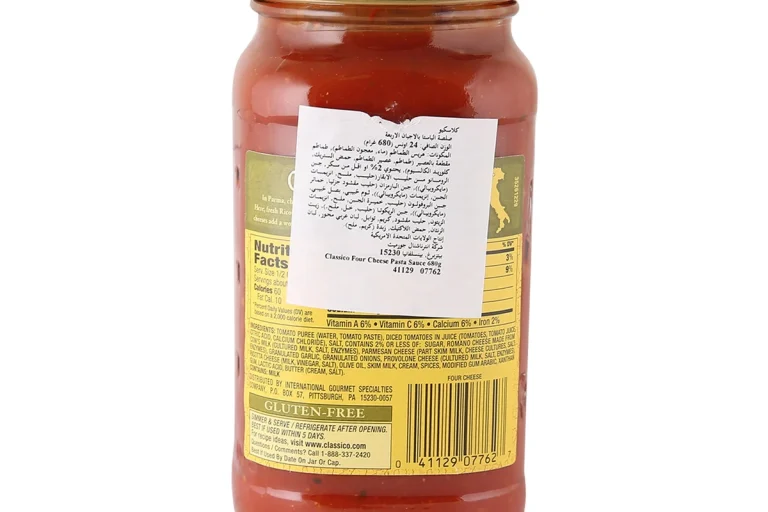
Confusion also comes from flavored pasta cups, instant meals, and boxed pasta mixes. Those products may include sauces, powders, and additives that make them much more processed than plain dry pasta.
If you want the simplest choice, pick pasta with a short ingredient list and skip seasoning packets.
Benefits and Limits of Dried Pasta in a Real Diet
Dried pasta can be a smart pantry food. Still, it works best when you think about the whole meal, not just the pasta itself.
Why dried pasta can be a useful pantry staple
Dried pasta stores well, cooks fast, and works in many dishes. That makes it handy for busy weeknights and low-stress meals.
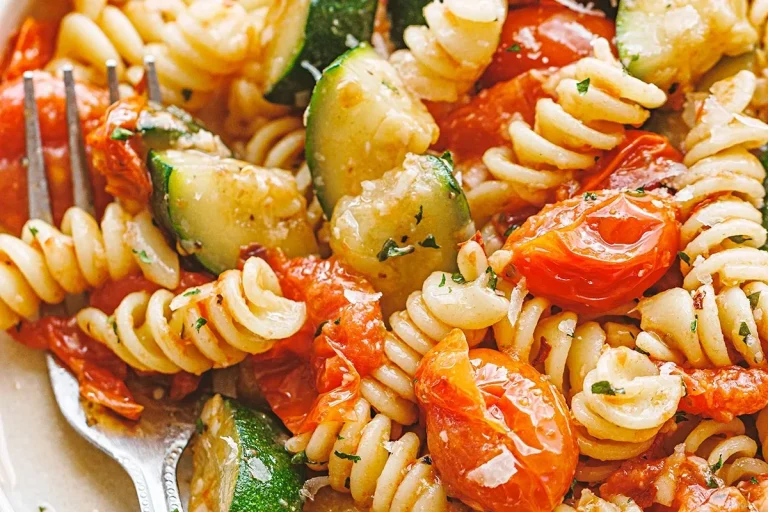
It also pairs well with vegetables, beans, olive oil, tomato sauce, fish, or lean meat. In other words, pasta can be the base for a balanced plate.
For many home cooks, that flexibility is the real win. You can make a simple dinner without much waste.
In short: dried pasta is practical, low fuss, and easy to build into a meal.
It keeps well in the pantry for easy meal planning.
It helps you get dinner on the table quickly.
It works with many sauces, proteins, and vegetables.
When dried pasta may be less ideal
Dried pasta may be less ideal if you need more fiber, more protein, or fewer refined grains. Some people also want lower sodium meals, which depends more on the sauce and toppings than the pasta itself.
Large portions can also crowd out other foods. If pasta takes over the plate, you may miss out on vegetables and protein.
People with wheat allergy or celiac disease also need different pasta choices. In that case, the ingredient list matters even more.
How to Choose Better Dried Pasta in 2026
In 2026, the best pasta choice is still the one that matches your needs. You do not need a fancy label to make a good pick.
Ingredient labels to look for
Start with the ingredient list. Short lists often mean simpler pasta.
- Durum wheat semolina and water
- Whole wheat flour and water
- Eggs in egg pasta
- Legume flour in lentil or chickpea pasta
Be more careful with long lists that include flavorings, colorings, or many stabilizers. Those products may still be fine, but they deserve a closer look.
Signs of a simpler, higher quality pasta
Look for pasta that matches the meal you want to make. Shape matters because it changes how sauce clings to the noodles.
A firmer texture after cooking often comes from good flour and careful drying. But results can vary by brand and by how you cook it.
Also check the package for whole grain, legume-based, or enriched options if nutrition matters to you. Those are not always better in every way, but they may suit your goals.
- Check the ingredient list first
- Choose the pasta shape for your sauce
- Look for whole grain or legume options if needed
- Avoid products with extra sauce packets unless you want them
When specialty pasta may be worth the extra cost
Specialty pasta can be worth it if you want more protein, more fiber, or a gluten-free option. It can also help if you want a specific taste or texture.
That said, specialty pasta does not always cook like wheat pasta. Some types break more easily or turn soft faster.
So the best choice depends on your goal. If you want a simple pantry food, plain dried pasta usually wins.
Common Mistakes People Make When Judging Pasta
Many people judge pasta by the package front and miss the real story. A quick label check usually tells you more.
Confusing processing with nutrition
Processing level and nutrition are related, but they are not the same thing. A food can be processed and still fit a healthy meal plan.
Plain pasta is a good example. It is processed enough to become shelf stable, but not so far removed from its ingredients that it becomes ultra processed.
What matters most is the full meal. Sauce, portion size, protein, vegetables, and cooking method all play a role.
Mixing up plain pasta with flavored or instant pasta
Plain dried pasta is not the same as instant pasta bowls or flavored pasta mixes. Those products often include seasoning packets, oils, and other added ingredients.
They may also be higher in sodium or have a more complex ingredient list. That does not make them bad, but it does make them different.
If you want a simple answer, keep these categories separate in your mind. Plain pasta is one thing. Convenience pasta meals are another.
- Read the full ingredient list, not just the front label.
- Pair pasta with vegetables and protein for a fuller meal.
- Store dried pasta in a cool, dry place.
- Use specialty pasta only when it fits your diet goal.
Final Verdict: Should You Worry About Dried Pasta
For most home cooks, dried pasta is not something to worry about. Plain versions are usually simple, useful, and far from the ultra processed foods people try to limit.
Best choice for most home cooks
The best choice is plain dried pasta with a short ingredient list. That gives you a flexible base for many meals without extra add-ons.
If you want more nutrition, choose whole wheat or legume pasta when it suits the dish. If you just want a fast dinner, regular pasta still works well.
When to pick another pasta option
Choose another pasta if you need gluten-free food, more fiber, or more protein. You may also want a different option if you are avoiding refined grains.
And if you are buying a boxed meal with sauce packets, check the label more carefully. That product may be more processed than the dry pasta aisle staple you had in mind.
Plain dried pasta is usually not ultra processed. For most people, it is a smart pantry staple, while flavored or instant pasta meals deserve a closer look.
Frequently Asked Questions
Plain dried pasta is usually not ultra processed. It is typically made from a short list of simple ingredients like wheat flour and water.
Flavored pasta, instant pasta meals, and products with seasoning packets often have longer ingredient lists. Those extras can make them more processed than plain dry pasta.
Whole wheat pasta is usually not ultra processed if it has a simple ingredient list. The grain type changes nutrition, but not always the processing level.
Check the ingredient list first. Short lists with basic ingredients usually point to a simpler pasta.
Many legume pastas are still fairly simple, especially when they use one main ingredient. Always read the label because formulas vary by brand.
Not usually. Plain dried pasta can fit a diet that limits ultra processed foods, especially when you pair it with vegetables, beans, or lean protein.